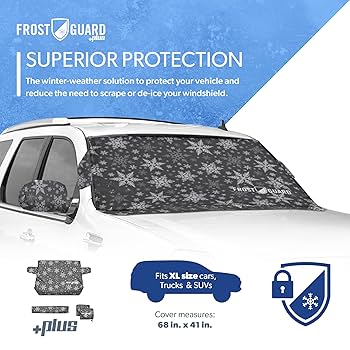
Waking up to a frost-covered car can ruin your morning. Scraping ice off your windshield takes time and patience—something you might not have before heading out.
You might wonder, can a simple car cover really stop frost from forming? If you’ve ever asked yourself this, you’re not alone. You’ll discover how car covers work against frost, what to look for, and whether they’re worth your investment.
Keep reading to protect your car and save precious time on cold mornings.
The Role Of Car Covers In Frost Protection
Frost can damage your car’s paint and glass. It forms when moisture freezes on cold surfaces. Car covers help protect your car from frost. They act as a shield between your car and the cold air.
Using a car cover can save you time in the morning. It prevents frost from sticking directly to your car. This makes it easier to clean and safer to drive.
How Car Covers Block Frost Formation
Car covers create a barrier that stops moisture from reaching the car’s surface. They reduce the chance of frost forming on windows and paint. The cover traps a layer of warmer air close to the car. This layer lowers the risk of freezing.
Materials Used In Frost-resistant Car Covers
Not all car covers protect equally against frost. Some materials work better to keep frost away. Common frost-resistant materials include:
- Fleece-lined covers that add insulation
- Waterproof fabrics that block moisture
- Breathable materials that prevent condensation
Benefits Of Using Car Covers During Frosty Weather
| Benefit | Explanation |
| Protects Paint | Prevents frost damage and scratches |
| Saves Time | Reduces the need to scrape ice off windows |
| Improves Safety | Keeps windows clear for better visibility |
| Prevents Moisture Build-up | Stops ice from forming under the cover |
Tips For Using Car Covers In Frosty Conditions
Proper use of car covers improves frost protection. Follow these tips:
- Choose a cover made for winter use
- Make sure the cover fits your car snugly
- Dry your car before covering it
- Remove the cover gently to avoid frost damage
- Store the cover in a dry place after use

Credit: www.amazon.com
Types Of Car Covers
Car covers protect vehicles from frost and other weather damage. They come in different materials and designs. Choosing the right cover helps keep your car safe.
This guide explains three common types of car covers. Each type has unique features for various needs.
All-weather Covers
All-weather covers shield cars from frost, rain, snow, and sun. They use thick, waterproof materials. This type is ideal for harsh climates and year-round protection.
These covers often have elastic hems to fit snugly. They protect paint and glass from frost buildup.
Breathable Covers
Breathable covers let moisture escape. This stops mold and mildew from forming under the cover. They are good for areas with high humidity.
- Made from lightweight fabric
- Allow air circulation
- Prevent frost and moisture damage
- Easy to put on and remove
Custom-fit Covers
Custom-fit covers match your car’s shape perfectly. They offer the best coverage and protection. These covers reduce frost damage by sealing tightly around the vehicle.
| Feature | Benefit |
| Exact fit | Stops frost from getting underneath |
| Durable material | Lasts longer in cold weather |
| Soft inner lining | Protects paint from scratches |
Materials Best Suited For Frost Prevention
Car covers help protect vehicles from frost by creating a barrier. The material used affects how well the cover stops frost from forming.
Some materials work better to keep frost off your car. They block moisture and cold air, which causes frost.
Polyester Blends
Polyester blends are common in car covers. They are strong and can hold up well in cold weather.
This material stops frost by reducing moisture buildup. It also allows some air to pass, preventing ice from forming.
Microfiber Materials
Microfiber is soft and absorbs moisture. This helps keep frost from settling on the car’s surface.
It is gentle on the paint and keeps the car dry. Microfiber covers also dry quickly after rain or snow.
Waterproof Fabrics
Waterproof fabrics block water and frost completely. They stop moisture from reaching the car.
These covers keep your car dry and frost-free. They are heavier but very effective in frost prevention.

Credit: www.ebay.com
Benefits Of Using Car Covers Against Frost
Frost can damage your car and make mornings hard. A car cover helps protect your vehicle from frost. It acts as a shield to keep ice away from your car’s surface.
Using a car cover saves time and effort in cold weather. It also keeps your car looking good and ready to drive.
Reducing Ice Formation
Car covers stop frost from settling directly on your car. They create a barrier that slows down ice buildup. This means less ice on your windows and body in the morning.
- Blocks moisture from reaching the car surface
- Prevents frost from freezing on glass and metal
- Makes it easier to clean your car after frost
Protecting Paint And Finish
Frost can harm your car’s paint and finish. Ice crystals can cause small scratches and dull the surface. A car cover protects the paint from this damage.
| Effect | Without Cover | With Cover |
| Paint scratches | High risk | Low risk |
| Finish dullness | Common | Rare |
| Need for polishing | Frequent | Less often |
Minimizing Windshield Scraping
Scraping frost off your windshield can take time and may cause damage. A car cover stops frost from forming on the glass. This reduces or removes the need for scraping.
Benefits of less scraping:
- Protects windshield from scratches
- Saves time in the morning
- Prevents damage to wipers and seals
How To Properly Use Car Covers
Car covers help protect your vehicle from frost and other weather elements. Using them correctly increases their effectiveness. This guide explains how to use car covers the right way.
Proper use includes installing the cover well, securing it in wind, and storing it carefully. Each step keeps your car safe and your cover in good shape.
Correct Installation Techniques
Place the cover on a clean, dry car. Avoid putting a cover on a wet or dirty vehicle to stop damage.
Start by fitting the cover over the front bumper. Pull it slowly over the roof and back bumper. Smooth out any wrinkles to prevent scratches.
- Check the cover fits your car’s size and shape.
- Align mirrors and antennas before covering.
- Make sure the cover reaches the bottom of the car evenly.
Securing The Cover In Windy Conditions
Wind can lift or move the cover, leaving your car unprotected. Use straps or elastic hems to hold the cover tight.
Secure the cover under the car’s body or wheels. This stops the wind from blowing it off.
- Use built-in straps or buy extra tie-downs.
- Check the cover after strong winds.
- Do not use heavy objects that can scratch the paint.
Storing The Cover When Not In Use
Keep the cover dry and clean before storing. Dirt or moisture can damage the material over time.
Fold the cover neatly and store it in a bag or box. Keep it in a cool, dry place away from direct sunlight.
- Wash the cover if dirty, follow care instructions.
- Do not store a wet cover to avoid mold.
- Check for holes or tears before storing.
Additional Tips For Frost Protection
Frost can damage your car and make it hard to drive. Using extra tips helps keep frost away.
Besides car covers, these simple ideas protect your car from frost better.
Using Windshield Covers
Windshield covers stop frost from forming on glass. They save time cleaning in the morning.
Place the cover over your windshield before night. Remove it in the morning for a clear view.
- Choose covers that fit your car size well
- Secure covers to avoid wind blowing them away
- Use covers with reflective surfaces for better frost defense
Parking Strategies
Where you park can lower frost risk. Pick spots that stay warmer or shield your car.
Park near buildings or trees that block cold wind. Avoid open spaces with no cover.
- Park facing east to catch morning sun faster
- Use garages or covered parking when possible
- Avoid low spots where cold air collects
Regular Maintenance
Keep your car ready for cold weather with regular care. This helps reduce frost problems.
Check seals on doors and windows. Fix broken seals to stop cold air and moisture inside.
- Clean and wax your car to protect paint and glass
- Keep windshield wipers in good shape to clear frost easily
- Fill washer fluid with antifreeze solution for cold weather
Common Mistakes To Avoid
Using a car cover helps protect your vehicle from frost. Many car owners make mistakes that reduce this protection. Avoiding these errors keeps your car safe and frost-free.
Learn about common mistakes people make with car covers. Fixing these can improve your car cover’s effectiveness.
Choosing The Wrong Size
A car cover that is too big or too small will not protect well. A cover that is too loose can let frost and moisture inside. A tight cover can scratch your car’s paint.
- Measure your car before buying a cover.
- Pick a cover designed for your car model.
- Check the cover’s fit to avoid gaps or tight spots.
Ignoring Material Quality
Low-quality materials do not stop frost well. Thin or cheap covers let cold air and moisture reach the car. Good materials block frost and protect paint.
| Material Type | Protection Level | Durability |
| Polyester | Medium | High |
| Polypropylene | Low | Medium |
| Fleece-lined | High | High |
| Vinyl | Low | Low |
Improper Cover Storage
Storing your car cover badly can damage it. Dirt, moisture, or folding it wrong causes wear. A damaged cover cannot stop frost well.
- Clean the cover before storing.
- Dry it completely to avoid mold.
- Fold it loosely to prevent creases.
- Store in a dry, cool place.
Credit: www.walmart.com
Frequently Asked Questions
Do Car Covers Protect Against Frost Damage?
Yes, car covers shield your vehicle from frost by preventing ice buildup. They act as a barrier, keeping moisture off the surface and reducing frost formation. Using a quality, waterproof cover ensures your car stays frost-free overnight, protecting paint and glass from potential frost damage.
How Effective Are Car Covers In Frost Prevention?
Car covers are quite effective in frost prevention when properly used. They block direct exposure to cold air and moisture, limiting frost accumulation. However, ensure the cover fits well and is made of breathable material to avoid trapping humidity, which can cause condensation and damage.
Can Car Covers Reduce Windshield Frost Buildup?
Absolutely, car covers significantly reduce windshield frost buildup. They prevent moisture from settling on glass, stopping ice from forming. This saves time scraping frost off in the morning and protects your windshield from scratches caused by ice removal.
Are All Car Covers Suitable For Frost Protection?
Not all car covers offer the same frost protection. Choose covers designed for cold weather with waterproof, breathable fabrics. Cheap, non-breathable covers can trap moisture, worsening frost damage. Investing in a quality winter car cover maximizes frost prevention benefits.
Conclusion
Car covers help protect your car from frost buildup. They create a barrier that stops ice from forming on windows. Using a cover can save time scraping frost in the morning. It also keeps your car cleaner and reduces damage from cold weather.
Choose a cover made for winter use for best results. Remember, no cover can stop frost completely in extreme cold. Still, a good cover makes winter mornings easier and your car safer. Try one this season to see the difference yourself.