Your bamboo cutting board is a kitchen essential that sees daily use, but are you sure it’s truly clean? Bacteria and stains can hide deep within its surface, putting your health at risk without you even knowing.
Knowing how to properly sanitize your bamboo cutting board not only protects your family but also keeps your board looking fresh and lasting longer. You’ll discover simple, effective ways to sanitize your bamboo cutting board using everyday items. Keep reading to learn how to turn your board into a safe, spotless workspace every time you cook.
Bamboo Cutting Board Basics
Bamboo cutting boards are popular for their durability and eco-friendliness. They resist knife marks and are less porous than other wood boards.
To keep a bamboo board safe and clean, it is important to sanitize it properly. This helps stop bacteria from growing on the surface.
Clean The Board After Use
Wash your bamboo board with warm, soapy water after each use. Use a soft sponge or cloth to avoid scratches.
Rinse well to remove all soap. Dry the board with a clean towel or let it air dry standing up.
Sanitize With Vinegar
White vinegar is a natural sanitizer that kills many germs. Spray or wipe the board with vinegar after cleaning.
Let the vinegar sit for a few minutes. Then rinse the board with water and dry it well.
Use Baking Soda For Odors
Baking soda helps remove smells and stains. Sprinkle some on the board and scrub with a damp sponge.
Rinse the board with water and dry it completely before using or storing.
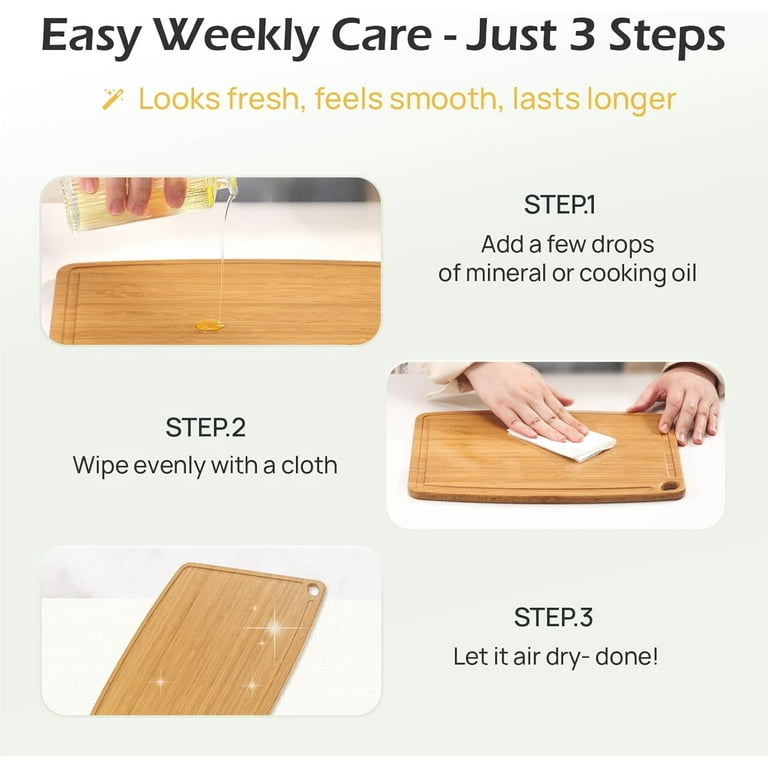
Oil The Board Regularly
Applying food-safe mineral oil keeps bamboo strong and prevents cracking. Oil the board once a month or when it looks dry.
Rub oil into the board with a soft cloth. Let it soak in overnight, then wipe off any extra oil.
Avoid Soaking And Dishwasher
Do not soak bamboo boards in water. Water can cause the board to warp or crack.
Do not put bamboo boards in the dishwasher. High heat and water damage the wood and finish.
Credit: www.thekitchn.com
Importance Of Sanitizing
Sanitizing your bamboo cutting board keeps it safe and clean. It removes germs and bacteria that can cause illness.
Regular cleaning helps your cutting board last longer and stay in good condition.
Preventing Cross-contamination
Sanitizing stops germs from spreading between foods. This is important when cutting raw meat and vegetables on the same board.
Maintaining Hygiene
A clean board reduces the risk of foodborne illnesses. Bamboo can absorb liquids, so it needs proper care to avoid bacteria growth.
Extending Board Life
Sanitizing bamboo boards stops cracks and stains from forming. This keeps the board strong and prevents damage.
- Use mild soap and warm water after each use
- Apply vinegar or lemon juice to kill bacteria
- Dry the board completely before storing
- Oil the board regularly to prevent drying out
Health Benefits
| Benefit | Explanation |
| Reduces bacteria | Kills germs that cause sickness |
| Prevents odors | Stops smells from food residues |
| Improves food safety | Protects from cross-contamination |
Daily Cleaning Tips
Keeping your bamboo cutting board clean is important for food safety. Daily cleaning helps stop germs and keeps the board in good shape.
Use simple steps to wash and dry your bamboo board. This will make it last longer and stay safe to use.
Washing With Soap And Water
Wash the cutting board right after use. Use warm water and mild soap to clean it well. Avoid soaking the board to stop damage.
- Rinse the board with warm water.
- Apply a small amount of mild dish soap.
- Scrub gently with a soft sponge or brush.
- Rinse off all the soap completely.
- Wipe the board with a clean towel.
Drying Properly To Prevent Warping
Dry the board right after washing. Proper drying stops warping and cracking. Air drying is the best way to keep the board safe.
| Drying Method | Instructions |
| Air Dry | Stand the board upright on a rack to dry fully |
| Towel Dry | Use a clean towel to remove extra water |
| Avoid | Do not leave the board flat on a wet surface |
Deep Cleaning Techniques
Keeping your bamboo cutting board clean is important for food safety. Deep cleaning helps remove stains and bacteria.
Using natural ingredients like vinegar and baking soda can make your board fresh and safe.
Using Vinegar Solution
White vinegar kills many types of bacteria on bamboo boards. It also removes odors and light stains.
Spray or wipe the board with full-strength white vinegar. Let it sit for five minutes, then rinse with warm water.
- Use pure white vinegar, not diluted
- Apply evenly over the board surface
- Wait at least five minutes before rinsing
- Dry the board completely with a clean towel
Applying Baking Soda Paste
Baking soda paste removes tough stains and neutralizes odors on bamboo boards. It also acts as a mild scrub.
Mix baking soda with water to make a thick paste. Spread it on the board and gently scrub with a soft brush or sponge.
- Use three parts baking soda to one part water
- Cover stains fully with the paste
- Scrub gently to avoid damage
- Rinse well and dry thoroughly
Disinfecting With Natural Ingredients
Keeping your bamboo cutting board clean is important for food safety. Natural ingredients can disinfect without harsh chemicals.
This guide shows how to use lemon, salt, and hydrogen peroxide to sanitize your board effectively.
Lemon And Salt Scrub
Lemon and salt work together to remove stains and kill bacteria. The lemon’s acid disinfects, while salt scrubs the surface.
- Sprinkle coarse salt over the cutting board surface.
- Cut a lemon in half and use it to scrub the salt into the board.
- Focus on stains and any rough spots on the board.
- Let the mixture sit for 5 minutes to disinfect.
- Rinse with warm water and dry completely.
Hydrogen Peroxide Application
Hydrogen peroxide is a safe natural disinfectant. It kills germs and helps keep your bamboo board clean.
| Step | Action |
| 1 | Pour 3% hydrogen peroxide over the board surface. |
| 2 | Spread it evenly using a clean cloth or paper towel. |
| 3 | Allow it to sit for 10 minutes to disinfect. |
| 4 | Rinse the board well with warm water. |
| 5 | Dry the board completely before storing. |

Credit: www.bambusi.com
Maintaining Your Bamboo Cutting Board
Keeping your bamboo cutting board clean and healthy helps it last longer. Proper care prevents cracks and bacteria build-up.
Simple habits like regular cleaning and drying keep your board safe for food use. Learn how to maintain it well.
Regular Oiling
Oiling your bamboo board keeps the wood strong and prevents drying out. Use food-safe mineral oil for the best results.
Apply oil once every few weeks or when the board looks dry. Rub it in evenly and let it soak overnight.
- Clean the board before oiling
- Use a soft cloth to apply oil
- Cover all surfaces, including edges
- Let oil absorb fully before use
Avoiding Excessive Moisture
Keep your bamboo board dry to stop warping and cracking. Do not leave it soaking in water for long.
After washing, dry the board with a towel right away. Store it in a place with good air flow.
- Wash with mild soap and warm water
- Do not put in dishwasher
- Dry completely before storing
- Store standing up to air out
Common Mistakes To Avoid
Cleaning bamboo cutting boards is important to keep them safe and last longer. Many people make errors that damage the board or leave it dirty.
Knowing what to avoid helps you keep your bamboo board clean and in good shape.
Using Harsh Chemicals
Strong cleaners can harm bamboo fibers and remove natural oils. This causes cracks and warping.
Stick to mild soap and water for cleaning. Avoid bleach or ammonia-based products.
Soaking The Board In Water
Leaving the board in water for a long time makes bamboo absorb water. This leads to swelling and splitting.
Always wash the board quickly and dry it immediately with a towel.
Putting Bamboo Boards In The Dishwasher
Dishwashers use high heat and strong water pressure. These can damage bamboo boards badly.
Hand wash your bamboo board instead to keep it safe and strong.
Not Oiling The Board Regularly
Bamboo needs oil to stay smooth and prevent cracking. Skipping oiling dries out the board.
Apply food-safe mineral oil once a month or when the board looks dry.
Ignoring Deep Cuts And Cracks
Deep cuts trap bacteria and make cleaning hard. Leaving cracks untreated can cause the board to break.
Sand down deep cuts or replace the board if it is badly cracked.

Credit: miti-life.com
Storing Your Bamboo Cutting Board
Proper storage keeps your bamboo cutting board clean and dry. It helps stop cracks and warping.
Store the board in a way that lets air flow around it. This keeps it fresh and safe to use.
Keep It Dry
Always dry your bamboo board after washing. Use a clean towel and let it air dry fully.
Store Upright Or Flat
Store your board standing on its side or flat on a surface. Avoid leaning it against a wall wet.
- Standing upright helps air circulate on all sides.
- Flat storage works if the surface is dry and clean.
- Avoid stacking boards when damp to prevent mold.
Keep Away From Heat And Moisture
Do not store your bamboo board near heaters or sinks. Heat and moisture can damage the wood.
Frequently Asked Questions
How Often Should I Sanitize A Bamboo Cutting Board?
Sanitize your bamboo cutting board after every use with raw meat or fish. For other foods, sanitize weekly to prevent bacteria buildup and maintain hygiene.
What Household Items Can I Use To Sanitize Bamboo Boards?
Use white vinegar, lemon juice, or hydrogen peroxide to sanitize. These natural items kill bacteria effectively without damaging bamboo surfaces.
Can I Use Bleach To Sanitize Bamboo Cutting Boards?
Avoid bleach as it can damage bamboo fibers and leave harmful residues. Opt for natural sanitizers like vinegar or diluted hydrogen peroxide instead.
How Do I Dry A Bamboo Cutting Board After Sanitizing?
After sanitizing, air dry your bamboo board upright in a well-ventilated area. Avoid direct sunlight or high heat to prevent warping or cracking.
Conclusion
Sanitizing your bamboo cutting board keeps it safe and clean. Regular cleaning stops bacteria from growing. Use simple steps like soap, water, and vinegar. Dry it well to avoid cracks or warping. Treat the board with oil to keep it strong.
Clean boards last longer and protect your food. Easy care makes your kitchen healthier. Remember, a clean cutting board means safer meals every time. Simple habits make a big difference. Keep your bamboo board fresh and ready to use.