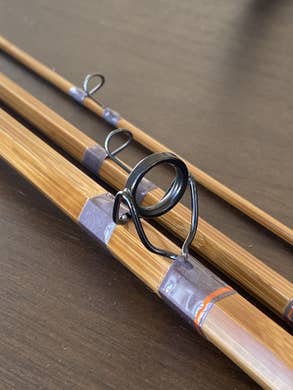
Have you ever dreamed of crafting your own bamboo fly fishing rod? Imagine the pride you’ll feel holding a rod made by your own hands, designed exactly how you like it.
Making a bamboo rod isn’t just about fishing; it’s about creating a unique tool that connects you deeper to the water and the sport you love. In this guide, you’ll discover simple, clear steps that anyone can follow—no experience needed.
Ready to turn a simple piece of bamboo into your new favorite fishing companion? Let’s dive in and make it happen.
Choosing The Right Bamboo
Making a bamboo fly fishing rod starts with picking the right bamboo. The bamboo must be strong and flexible.
Good bamboo helps the rod last longer and perform better on the water.
Types Of Bamboo
Different kinds of bamboo grow all over the world. Some types are better for making fishing rods.
Tonkin cane is the most popular bamboo for rods. It is strong, straight, and has good flexibility.
- Tonkin Cane:Known for strength and smoothness.
- Madake Bamboo:Grows in Japan, also good for rods.
- Moso Bamboo:Large and thick, but less flexible.
Selecting Quality Bamboo
Choose bamboo that is straight and free of cracks or splits. The color should be a rich yellow or green.
Check for nodes that are evenly spaced. These add strength to the rod.
- Look for bamboo that is dry but not brittle.
- Avoid bamboo with insect holes or mold.
- Pick pieces that are thick but not too heavy.
- Make sure the bamboo has a smooth surface for easy shaping.
Gathering Essential Tools
Making a bamboo fly fishing rod requires careful tool selection. The right tools help you shape and finish the rod well.
This guide covers the basic tools and special equipment needed to build your rod.
Basic Tools Needed
Start with simple tools you can find in most workshops. These tools help cut, measure, and shape the bamboo.
- Measuring tape or ruler for accurate lengths
- Fine-toothed saw to cut bamboo strips
- Sharp utility knife for trimming edges
- Sandpaper for smoothing surfaces
- Clamps to hold pieces steady
- Wood glue to join parts
Having these basic tools makes your work easier and more precise.
Specialized Equipment
Some tools are made just for rod making. They help shape bamboo strips and assemble the rod correctly.
- Planer or scraper to taper bamboo strips
- Rod drying motor to rotate the rod evenly
- Heat source like a gas torch for curing bamboo
- Spoke shave for fine shaping
- Thread wraps and varnish for finishing touches
- Ferrule swaging tool to fit metal parts
Using these special tools helps you create a strong and smooth bamboo rod.
Preparing The Bamboo
Making a bamboo fly fishing rod starts with preparing the bamboo. This step is very important. Good preparation helps the rod perform well and last long.
Preparing the bamboo involves splitting it and straightening it. Both tasks need care and patience.
Splitting The Bamboo
Start by cutting a bamboo stalk into sections. Each section will become part of your rod. Use a sharp knife or saw for this.
Split each section into smaller strips. These strips will be shaped into the rod’s parts. Keep the splits even and straight for better quality.
- Choose bamboo that is dry and free from cracks
- Cut the bamboo into about 30-inch sections
- Use a knife to split each section into six or eight strips
- Make sure the strips are smooth and without splinters
Straightening Techniques
Bamboo strips must be straight for a good rod. Heat helps make the bamboo flexible. Use a heat source like a gas stove or heat gun.
Gently bend the bamboo strips to remove any curves. Do this slowly to avoid breaking the bamboo. Let the strips cool while held straight.
- Heat the bamboo strips evenly over low flame or heat gun
- Bend strips by hand or against a straight edge
- Hold the bamboo straight until it cools completely
- Repeat if some curves remain

Credit: bamboopursuits.com
Crafting The Rod Sections
Making the rod sections is a key part of building a bamboo fly fishing rod. Each section must be shaped and joined perfectly. This ensures the rod will work well and last a long time.
This guide covers shaping the bamboo and creating ferrules for the rod. Both steps require patience and careful work to achieve the best results.
Shaping The Bamboo
Start by splitting the bamboo into strips. Use a plane to shape each strip into a precise triangular form. The angle and taper must match the rod design exactly.
- Measure the length and taper for each section carefully.
- Use a flat file or scraper to smooth the surfaces.
- Check the strips often with a caliper for accuracy.
- Glue the strips together into a hexagonal rod section.
- Allow the glue to dry fully before sanding the rod smooth.
Creating Ferrules
Ferrules join the rod sections and allow them to fit tightly. Making ferrules needs precision to avoid loose or stiff connections.
| Ferrule Type | Material | Purpose |
| Spigot | Metal or Bamboo | Fits inside the rod section |
| Slip | Metal | Slides over the rod tip |
| Threaded | Metal | Screws sections together |
To make a ferrule, measure the rod tip diameter. Cut or buy a ferrule to match this size. Attach it securely using epoxy glue. Test the fit by joining the rod sections gently.
Assembling The Rod
After crafting each bamboo section, it’s time to assemble your fly fishing rod. Proper assembly ensures the rod works smoothly and feels balanced in your hand.
This guide covers joining the sections and securing the ferrules to complete the rod assembly.
Joining The Sections
Connect the rod sections by sliding the thinner end into the larger end of the next piece. Fit them snugly but avoid forcing to prevent damage.
- Align the bamboo strips carefully to keep the rod straight.
- Insert each section firmly, checking the fit.
- Twist slightly if needed to seat the joint properly.
- Test the connection by gently flexing the rod.
Securing The Ferrules
Ferrules hold the rod sections together and provide strength. Secure them with care to ensure durability and smooth assembly.
| Material | Purpose | Tip |
|---|---|---|
| Metal Ferrules | Connect sections firmly | Clean inside before fitting |
| Epoxy Glue | Secure ferrules in place | Apply thin, even layer |
| Thread Wraps | Reinforce ferrule ends | Tighten wraps evenly |

Credit: pjsfinebamboo.com
Adding The Guides And Tip
Adding guides and the tip to your bamboo fly fishing rod is important for casting and control. These parts help the line move smoothly along the rod.
Proper placement and attachment ensure the rod works well and lasts long. Follow the steps carefully to get good results.
Positioning The Guides
Guides help direct the fishing line from the reel to the tip. Place them evenly along the rod’s length for balance.
- Start with the largest guide near the handle.
- Space smaller guides evenly along the rod.
- Place the tip-top guide at the very end of the rod.
- Check alignment by laying the rod flat and looking down the guides.
- Adjust guides so the line flows straight and does not catch.
Attaching The Tip
The tip-top guide is the smallest guide at the rod’s end. Attach it securely for good line control.
| Material | Step | Tip |
| Tip-top guide | Slide onto the rod tip | Make sure it fits snugly |
| Epoxy glue | Apply around the guide base | Use a small brush for even coating |
| Thread wrap | Wrap tightly to secure guide | Cover guide foot completely |
| Finish coat | Brush epoxy over wraps | Let dry fully before use |
Finishing The Rod
Finishing your bamboo fly fishing rod gives it a smooth feel and protects it. This step makes the rod strong and ready for fishing.
Two important parts of finishing are sanding and polishing, then applying the finish coat. Each part needs care to get the best results.
Sanding And Polishing
Start by sanding the bamboo with fine-grit sandpaper. This removes rough spots and makes the surface smooth. Sand along the grain of the bamboo for best results.
- Use 220-grit sandpaper to smooth the rod evenly.
- Wipe the rod with a clean cloth to remove dust.
- Use 320-grit sandpaper for a finer finish.
- Buff the surface gently with a soft cloth.
Applying The Finish
Choose a finish that protects the bamboo from water and wear. Apply thin coats and let each dry well before adding the next.
| Finish Type | Dry Time | Protection Level |
| Polyurethane | 4-6 hours | High |
| Tung Oil | 24 hours | Medium |
| Varnish | 6-8 hours | High |
After the final coat dries, buff the rod lightly for a soft shine. This helps the finish last longer and look great.
Testing And Adjustments
After crafting your bamboo fly fishing rod, testing it is essential. Testing shows how well the rod performs in real situations. It helps find any weak spots or areas that need fixing.
Adjustments improve the rod’s balance, strength, and casting ability. This process makes sure you get the best experience on the water.
Casting Trials
Start casting the rod with light, medium, and heavy lines. Watch how the rod bends and responds to each cast. Check if the rod feels smooth and balanced in your hand.
- Test different casting distances to check power and control.
- Notice if the rod tip flexes too much or feels too stiff.
- Look for any strange noises like creaks or cracks.
- Try various casting speeds to see how the rod reacts.
- Observe the rod’s recovery time after each cast.
Making Necessary Adjustments
Adjustments fix issues found during casting trials. Small changes can greatly improve the rod’s performance. Use these tips to guide your adjustments.
| Issue | Cause | Adjustment |
| Rod feels too stiff | Too much glue or thick bamboo strips | Lightly sand or remove some glue layers |
| Rod bends too much | Thin bamboo or weak binders | Add reinforcing wraps or replace weak sections |
| Unbalanced feel | Uneven weight distribution | Add weight near handle or tip as needed |
| Noise during casting | Loose guides or bindings | Tighten or rewrap guides securely |
Maintenance Tips
Keeping your bamboo fly fishing rod in good shape makes it last longer. Regular care helps keep the rod strong and smooth.
This guide covers simple steps to keep your rod ready for every fishing trip.
Routine Care
Clean your rod after each use to remove dirt and moisture. Use a soft cloth to wipe it gently. Avoid harsh chemicals that can damage the bamboo finish.
- Dry the rod completely before storage
- Check for cracks or splinters regularly
- Apply a light coat of rod finish or wax to protect the bamboo
- Tighten all ferrules to keep sections secure
Storage Recommendations
Store your bamboo rod in a dry place away from direct sunlight. Avoid areas with extreme heat or cold, which can warp the bamboo. Keep the rod in a protective tube or sleeve to prevent damage.
| Storage Tip | Reason |
| Use rod tube or sleeve | Protects from dust and scratches |
| Keep away from heat sources | Prevents warping and cracking |
| Store horizontally or hanging | Maintains rod shape |
| Ensure dry environment | Stops mold and mildew growth |

Credit: oysterbamboo.com
Frequently Asked Questions
What Materials Are Needed To Make A Bamboo Fly Fishing Rod?
To make a bamboo fly fishing rod, you need Tonkin cane, rod guides, ferrules, epoxy glue, thread wraps, and finishing varnish. Precise tools like a plane, saw, and sanding blocks are also essential for shaping and assembling the rod.
How Long Does It Take To Craft A Bamboo Fly Fishing Rod?
Crafting a bamboo fly fishing rod typically takes several weeks. This time includes splitting, planing, gluing, and finishing the bamboo. Patience and attention to detail are vital for a high-quality, durable rod with excellent performance.
What Skills Are Required To Build A Bamboo Fly Fishing Rod?
Building a bamboo fly fishing rod requires woodworking skills, knowledge of rod design, and patience. Precision in shaping and assembling components ensures the rod’s strength, flexibility, and balance. Basic understanding of fishing gear enhances the crafting process.
Why Choose Bamboo For Fly Fishing Rods?
Bamboo offers superior strength, flexibility, and aesthetic appeal for fly fishing rods. It provides a smooth casting experience and excellent sensitivity. Bamboo rods are durable, environmentally friendly, and valued for their classic, handcrafted quality.
Conclusion
Making a bamboo fly fishing rod takes time and care. Each step helps you create a strong, beautiful rod. Practice your skills and enjoy the process. You will feel proud holding a rod you made. Fishing with your own rod adds more fun and meaning.
Keep trying and learning to improve your craft. This project brings joy to both beginners and experts. Remember, patience and attention make a great bamboo rod. Start your journey today and enjoy the calm of fishing.