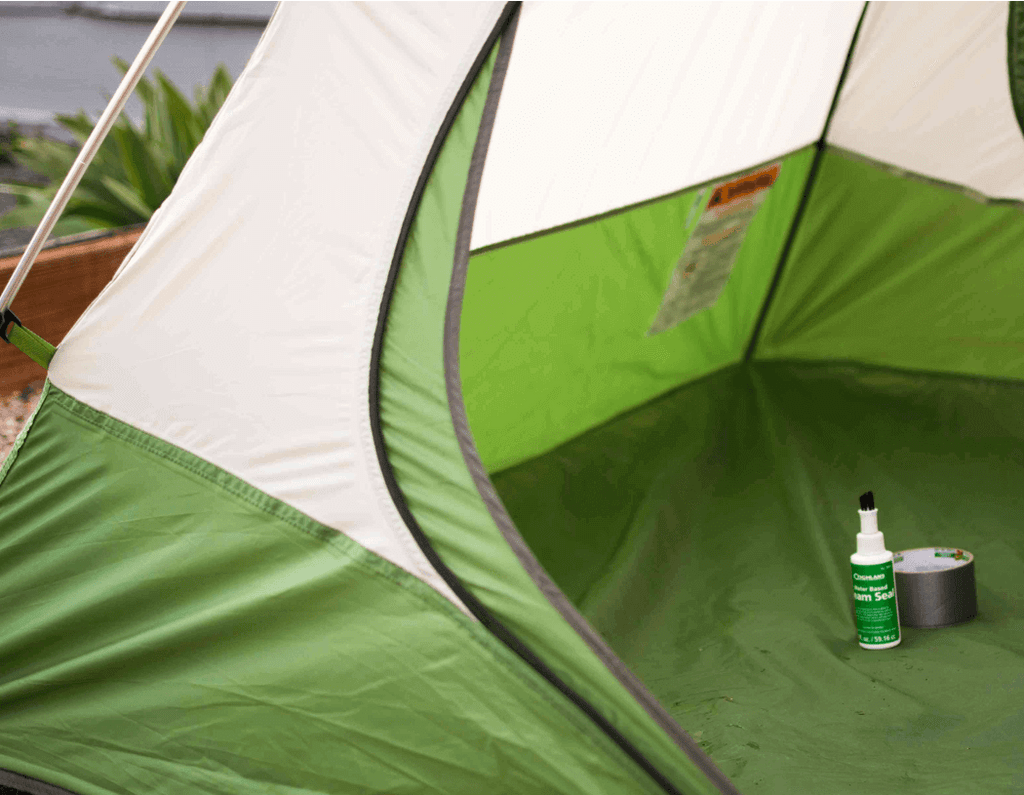
Finding mold on your tent can be frustrating and worrying. You might wonder if it’s safe to use your tent again or how to get rid of that stubborn mold without damaging your gear.
The good news is, you don’t have to toss your tent or buy a new one. With the right steps, you can clean your tent effectively and keep it ready for your next adventure. Keep reading, and you’ll discover simple, practical tips to remove mold quickly and protect your tent for years to come.
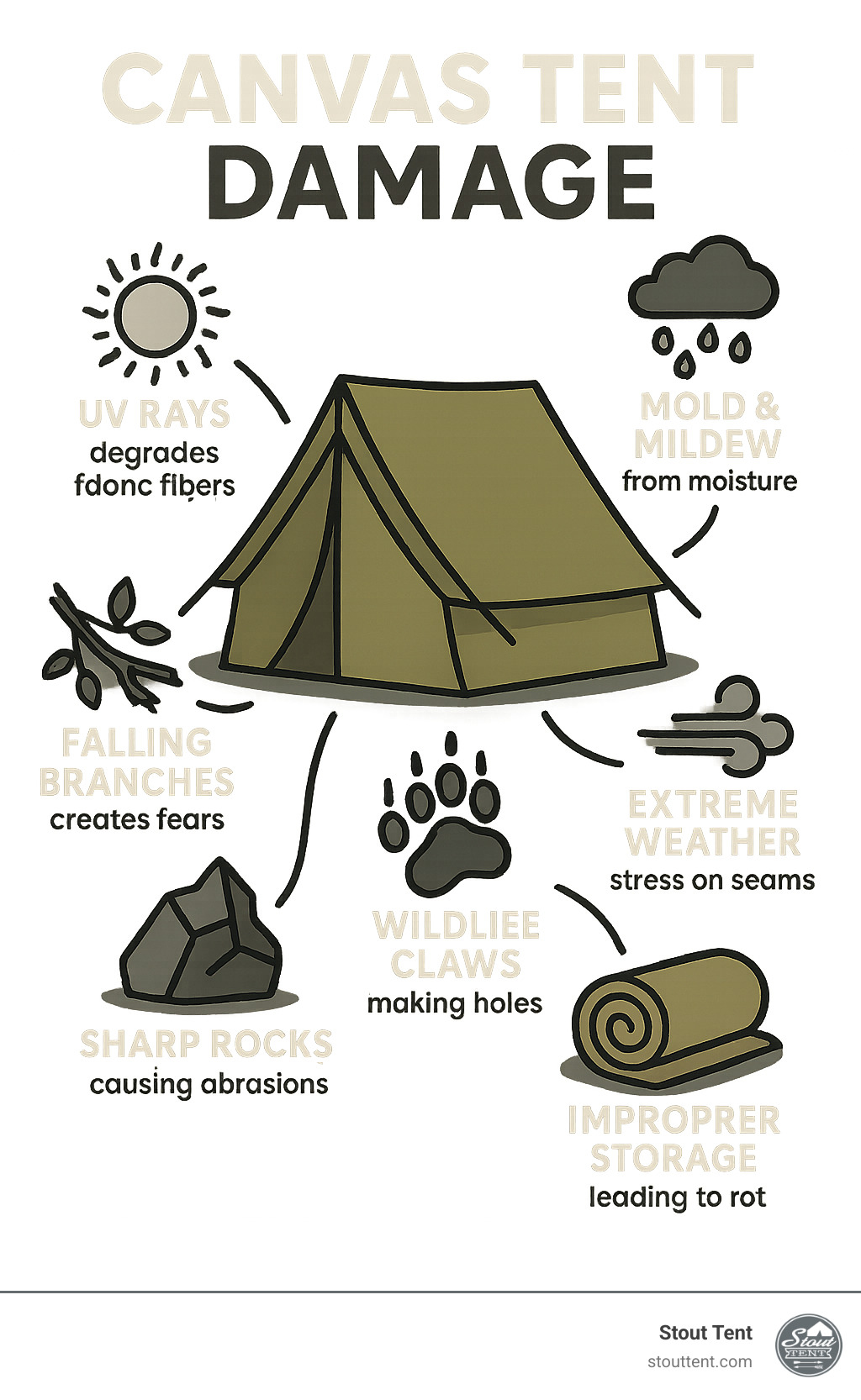
Credit: stouttent.com
Identifying Mold On Your Tent
Mold grows in damp places like tents. It can damage fabric and cause bad smells.
Knowing how to find mold helps keep your tent clean and safe to use.
Look For Dark Or Discolored Spots
Mold often appears as dark green, black, or gray spots. These spots can be small or spread out.
Check corners, seams, and folds. Mold likes hidden, damp areas.
Smell For A Musty Odor
Mold gives off a strong, musty smell. This odor is a clear sign mold is growing.
If your tent smells bad even after airing it out, inspect it closely for mold.
Feel For Damp Or Slimy Areas
Mold makes tent fabric feel damp or slimy. Touch the fabric to check for unusual wetness.
Dry tents should feel dry and smooth. Wet, sticky areas may have mold growing.
Check Inside And Outside The Tent
Mold can grow on both the inside and outside of your tent. Look carefully in both places.
Don’t forget to check the rainfly, floor, and pockets where moisture can hide.
Preparing Your Tent For Cleaning
Before you clean mold off your tent, you need to prepare it properly. Getting ready helps remove mold safely and protects the tent fabric.
Preparing your tent means gathering the right tools and choosing a good place to clean. This makes the process easier and more effective.
Gather Necessary Supplies
Collect all the supplies you need before starting. Having everything ready saves time and prevents interruptions.
- Soft brush or sponge for gentle scrubbing
- Mild detergent or special tent cleaner
- Water for rinsing and mixing cleaning solution
- Protective gloves to keep your hands safe
- Spray bottle to apply the cleaning solution evenly
- Old towels or cloths for drying the tent
Find A Suitable Cleaning Location
Choose a place outdoors with good air flow. This helps the mold spores not settle inside your home.
Pick a flat surface where you can spread your tent out fully. Avoid direct sunlight to prevent damage to the tent fabric.
Natural Cleaning Solutions
Mold on tents can cause bad smells and damage fabric. You can clean it safely using natural ingredients. These methods avoid harsh chemicals and keep your tent fresh.
Two effective natural cleaners are vinegar with water and lemon juice with salt. Both help remove mold and kill spores. Use them gently to protect your tent.
Vinegar And Water Mix
White vinegar is a natural mold killer. Mix one part vinegar with two parts water in a spray bottle. Spray the moldy areas on the tent and let it sit for one hour.
After an hour, use a soft brush or cloth to scrub the mold gently. Rinse the area with clean water and let the tent dry in the sun. Vinegar helps stop mold from coming back.
- Use white vinegar, not apple cider vinegar
- Do not dilute the vinegar too much
- Test on a small area first to check color safety
- Dry the tent fully to prevent new mold
Lemon Juice And Salt Scrub
Lemon juice has natural acid that removes mold stains. Mix lemon juice with salt to make a scrub. Apply the mix on mold spots and let it sit for 30 minutes.
Use a soft brush to scrub the mold off. Rinse with clean water and dry the tent in sunlight. This scrub also adds a fresh scent to the fabric.
- Use fresh lemon juice for best results
- Salt acts as a gentle abrasive to lift mold
- Do not scrub too hard to avoid fabric damage
- Always dry the tent completely after cleaning
Commercial Cleaning Products
Mold on tents can damage the fabric and cause bad smells. Using commercial cleaning products helps remove mold safely and effectively.
Choosing the right product protects your tent and makes cleaning easier. Always follow safety steps to avoid harm.
Choosing The Right Product
Not all cleaners work well on tent fabric. Pick products made for outdoor gear or fabric mold removal. Avoid bleach if your tent has waterproof coatings.
- Look for mildew removers safe for nylon or polyester
- Check if the product is biodegradable and eco-friendly
- Use oxygen-based cleaners for gentle mold removal
- Avoid harsh chemicals that can weaken fabric
- Read labels for fabric care instructions
Safety Precautions
| Precaution | Description |
| Wear gloves | Protect skin from harsh chemicals |
| Use a mask | Prevent inhaling mold spores and fumes |
| Work outside | Ensure good ventilation when cleaning |
| Test product | Try on small fabric area before full use |
| Keep away from children | Store cleaners safely out of reach |
Cleaning Process
Removing mold from a tent requires care and proper cleaning steps. Mold can damage the fabric and cause health problems. Cleaning your tent thoroughly helps keep it safe and usable.
This guide explains the best methods to clean mold off your tent. Follow each part carefully for good results.
Application Techniques
Start by taking the tent outside to a shaded area. Avoid direct sunlight during cleaning as it can damage the fabric. Use a soft brush to remove loose mold spores from the surface gently.
- Mix a cleaning solution of warm water and mild soap or tent cleaner.
- Dip a sponge or cloth into the solution and apply it to the moldy areas.
- Rub gently to avoid damaging the fabric fibers.
- For stubborn mold, use a mixture of one part white vinegar to four parts water.
- Do not use bleach or harsh chemicals, as they can weaken tent materials.
Rinsing And Drying
After cleaning, rinsing removes any leftover soap or vinegar. Proper drying stops mold from returning and protects the tent.
| Rinsing Tips | Drying Tips |
| Use clean water to rinse all treated areas. | Hang the tent in a well-ventilated, shaded area. |
| Make sure no soap or vinegar remains on the fabric. | Allow the tent to dry fully before storing it. |
| Avoid using high-pressure water that may damage the tent. | Do not store the tent while damp or wet. |
Preventing Future Mold Growth
Mold can damage your tent and cause health problems. Preventing mold helps keep your tent safe and clean.
Proper care and storage stop mold from growing back on your tent. Follow simple steps to protect it.
Proper Tent Storage
Always store your tent dry and clean. Moisture trapped inside a folded tent causes mold to grow fast.
- Make sure your tent is completely dry before packing it away.
- Store the tent loosely in a breathable bag or container.
- Keep it in a cool, dry place away from direct sunlight.
- Avoid damp basements or garages for tent storage.
- Check your tent regularly for any signs of mold or moisture.
Regular Maintenance Tips
Cleaning your tent often prevents mold spores from settling. Use gentle methods to keep fabric safe.
| Maintenance Task | Frequency | Tips |
| Dry tent thoroughly | After each use | Air dry in shade, avoid direct sun |
| Clean tent fabric | After every few uses | Use mild soap and water, no bleach |
| Inspect tent seams and zippers | Monthly | Look for damage or mold spots |
| Store tent properly | After cleaning | Use breathable bags, avoid plastic |
When To Seek Professional Help
Mold on a tent can damage fabric and harm your health. Some mold problems need expert attention. Knowing when to get help saves your tent and keeps you safe.
Small mold spots can often be cleaned at home. But larger or stubborn mold may require a professional. Learn the signs to watch for before calling an expert.
Extensive Mold Growth
If mold covers most of your tent, cleaning it yourself might not work. Large mold patches can hide deep in fabric layers. Professionals use special tools and cleaners to remove it safely.
Health Concerns
Mold releases spores that cause allergies and breathing problems. If you or family members feel sick after exposure, seek professional cleaning. Experts can remove mold without spreading spores.
Damage To Tent Material
Mold can weaken your tent fabric and seams. If you notice holes, tears, or fabric breakdown, professionals can assess the damage. They might repair or advise on replacement.
Failed Diy Cleaning Attempts
- You cleaned the mold but stains remain
- Musty odor stays after washing
- Mold returns quickly after cleaning
- You are unsure about the cleaning process
These signs mean mold is still present. Experts can properly clean and treat your tent to stop mold growth.
Professional Services Comparison
| Service | What They Do | When to Choose |
| Mold Removal | Deep cleaning with safe chemicals | Large mold areas or stubborn stains |
| Fabric Repair | Fix tears and weak spots | Damage caused by mold or cleaning |
| Odor Treatment | Remove musty smells completely | Persistent mold odors after cleaning |

Credit: www.reddit.com

Credit: www.reddit.com
Frequently Asked Questions
How Can I Remove Mold From My Tent Safely?
Use a mixture of water and mild detergent to scrub the mold gently. Avoid harsh chemicals. Rinse thoroughly and dry the tent completely in sunlight to prevent mold from returning.
What Household Items Kill Mold On Tents Effectively?
White vinegar and baking soda are effective natural mold killers. Spray vinegar on moldy areas, let sit, then scrub. Baking soda can be sprinkled before scrubbing for better results.
How Long Does It Take To Dry A Moldy Tent?
Drying time varies but usually takes 4-6 hours in direct sunlight. Ensure the tent is fully dry before packing to prevent mold regrowth.
Can Mold Damage My Tent Fabric Permanently?
Yes, mold can weaken and discolor tent fabric over time. Prompt cleaning prevents permanent damage and extends tent life.
Conclusion
Cleaning mold off your tent is simple with the right steps. Use gentle soap and water to scrub the affected areas. Dry your tent completely to stop mold from growing back. Store your tent in a cool, dry place. Regular checks help keep mold away.
Taking care of your tent extends its life and keeps it safe for your adventures. Keep your gear fresh and ready for every trip.