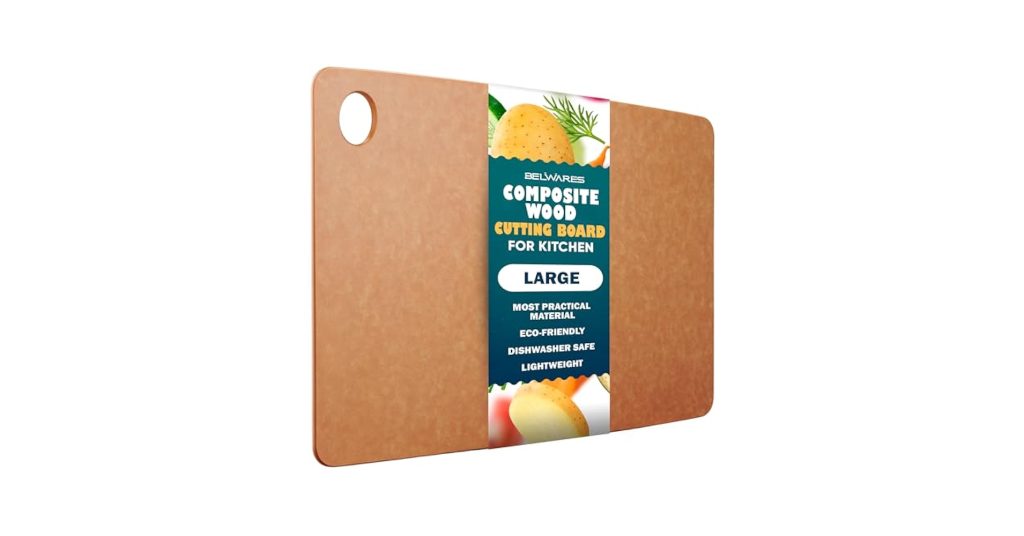
Are you worried about the safety of your cutting boards? When it comes to preparing food, you want to be sure your tools are not harming your health.
Composite cutting boards have become popular, but are they really safe to use? You’ll discover the truth about composite cutting boards—how they hold up against bacteria, durability, and your kitchen’s cleanliness. Keep reading to find out if your cutting board is helping or hurting your cooking routine.

Credit: www.amazon.com
What Are Composite Cutting Boards
Composite cutting boards are made from a mix of materials. They often combine wood fibers with resin or plastic.
These boards aim to offer the best features of wood and plastic. They are strong, durable, and easier to clean than wood alone.
Materials Used In Composite Cutting Boards
Composite boards use different materials to create a solid surface. The main parts include:
- Wood fibers or sawdust for natural strength
- Plastic resins for durability and water resistance
- Sometimes recycled materials for eco-friendliness
How Composite Cutting Boards Are Made
Manufacturers mix wood fibers with resin. They press this mixture under heat and pressure. This process forms a dense, solid board.
The result is a board that does not warp or crack easily. It also resists stains and smells better than wood boards.
Advantages Compared To Other Boards
| Feature | Composite Board | Wood Board | Plastic Board |
| Durability | High | Medium | Medium |
| Water Resistance | Good | Poor | Excellent |
| Knife Friendly | Good | Excellent | Fair |
| Easy to Clean | Good | Fair | Excellent |
| Appearance | Natural Look | Natural Look | Artificial |

Credit: www.amazon.com
Materials Used In Composite Boards
Composite cutting boards are popular in kitchens. They combine different materials to make a strong board.
Understanding the materials helps you know if these boards are safe to use.
Wood Fibers
Wood fibers come from real wood pieces. They add a natural feel to composite boards.
These fibers are pressed and glued together tightly. This makes the board strong and durable.
Resins And Binders
Resins hold the wood fibers together. They act like glue in the board.
Common resins include phenolic and melamine. These resins resist water and heat well.
Recycled Materials
Some composite boards use recycled wood or plastic parts. This helps reduce waste.
These recycled parts are mixed with resins to form a strong surface.
Plastic Components
Plastic pieces can be part of the composite mix. They add durability and resistance to moisture.
High-density polyethylene (HDPE) is a common plastic used for this purpose.
Benefits Of Composite Cutting Boards
Composite cutting boards are a popular choice in kitchens. They offer many advantages over other types of boards.
These boards combine materials to create a strong and safe surface for cutting food.
Durability And Longevity
Composite boards are very durable and last a long time. They resist cracking and warping better than wood boards.
Because they are made from compressed materials, they hold up well under heavy use.
Ease Of Maintenance
These boards are easy to clean and care for. They do not soak up water or food juices like wood.
- Wash with warm, soapy water after use
- Dry quickly to prevent bacteria growth
- Do not need special oils or treatments
- Safe to put in the dishwasher for some models
Knife Friendliness
| Feature | Composite Boards | Other Boards |
|---|---|---|
| Blade Wear | Gentle on knives | Hard surfaces dull blades quickly |
| Surface Texture | Smooth yet firm | Varies; can be rough or soft |
| Cutting Safety | Stable cutting surface | May slip or have grooves |
Composite cutting boards keep knives sharper longer. They provide a safe and steady surface for cutting.
Potential Safety Concerns
Composite cutting boards are popular in many kitchens. They combine wood fibers and resin to make a durable surface.
Some people worry about their safety. It is important to know the potential risks before use.
Chemical Additives
Composite boards use resin or glue to hold wood fibers together. These chemicals can sometimes contain additives.
Certain additives might release harmful substances if the board gets old or damaged. Always check if the product is food safe.
Bacterial Growth
Composite boards can develop small cuts and grooves over time. These can trap food and bacteria.
Cleaning composite boards well is very important. Using hot water and soap helps reduce bacteria growth.
- Scrub the board after each use
- Dry it completely to stop moisture buildup
- Replace the board if deep cuts appear
Heat Resistance
Composite boards are not very heat resistant. High heat can damage the resin and wood fibers.
Do not place hot pots or pans directly on the board. Heat can cause warping or release chemicals.
Comparing Composite To Other Materials
Composite cutting boards are popular in many kitchens. They mix wood fibers with resin to create a strong surface. Comparing them to other materials helps you choose the right board.
This guide looks at wood, plastic, and glass boards. Each type has good points and limits. Learn how composite boards stand out in safety and use.
Wood Vs. Composite
Wood boards are classic and gentle on knives. They absorb some moisture, which can hold bacteria if not cleaned well. Composite boards resist moisture better and do not crack easily.
- Wood is natural and can self-heal small cuts.
- Composite boards are harder and more durable.
- Wood needs oiling to stay in good shape.
- Composite boards require less maintenance.
- Both materials are safe if cleaned properly.
Plastic Vs. Composite
Plastic cutting boards are lightweight and dishwasher safe. They can get deep knife marks that trap germs. Composite boards have a tougher surface that resists deep cuts.
| Feature | Plastic | Composite |
| Knife mark resistance | Low | High |
| Dishwasher safe | Yes | No, hand wash only |
| Durability | Moderate | High |
| Bacteria resistance | Depends on scratches | Better with smooth surface |
Glass Vs. Composite
Glass boards look clean and are easy to wash. They can dull knives quickly and may break if dropped. Composite boards protect knives and are safer to handle.
- Glass is non-porous and very hygienic.
- Composite offers a softer surface for knives.
- Glass can cause accidents from slipping or breaking.
- Composite boards provide good grip and durability.
Expert Opinions On Safety
Composite cutting boards are popular in many kitchens. Experts have studied their safety for food use.
We will explore what experts say about using composite cutting boards safely.
Material Composition And Safety
Experts say composite boards are made from wood fibers and resin. This mix creates a hard, durable surface.
The resin used is usually food-safe. It does not release harmful chemicals during normal use.
Hygiene And Bacteria Concerns
Experts note that composite boards resist deep cuts. This helps prevent bacteria from hiding in cracks.
Regular cleaning is important. Experts recommend washing boards with hot, soapy water after use.
- Use non-abrasive sponges to clean
- Dry boards thoroughly to avoid moisture
- Sanitize with vinegar or mild bleach solution
Durability And Wear Effects
Experts say composite boards last longer than plastic or wood boards. They do not warp easily.
Worn boards may develop grooves. Experts warn to replace boards that show deep cuts to keep food safe.
Comparison To Other Cutting Boards
Experts compare composite boards to wood and plastic boards. Each type has pros and cons for safety.
- Wood boards can heal small cuts but absorb moisture
- Plastic boards can get deep cuts that trap bacteria
- Composite boards resist cuts and do not absorb moisture easily
Tips For Safe Usage
Composite cutting boards are common in many kitchens. Using them safely keeps food fresh and prevents illness.
Learn how to clean and check your board to avoid germs and damage.
Proper Cleaning Techniques
Wash composite boards after every use with warm water and soap. This removes food particles and germs.
Dry the board completely before storing it. Moisture can cause bacteria to grow.
- Use a soft sponge or cloth to avoid scratches
- Do not soak the board in water for a long time
- Sanitize with a vinegar solution or mild bleach if needed
Avoiding Cross-contamination
Use separate boards for raw meat and vegetables. This stops germs from spreading.
Label or color-code your boards if you have more than one. This helps keep foods separate.
- Keep raw meat boards away from ready-to-eat foods
- Clean boards between uses thoroughly
- Use plastic or silicone mats for extra protection if needed
Regular Inspection For Damage
Check your composite board often for deep cuts or cracks. These can hide bacteria.
Replace the board if it is badly damaged. A smooth surface is safer and easier to clean.
- Look for cuts deeper than 1/8 inch
- Notice any warping or unusual wear
- Discard boards with hard-to-clean grooves
Environmental Impact
Composite cutting boards are popular for their durability and low maintenance. Their environmental effects depend on the materials and manufacturing process.
Understanding these impacts helps consumers choose better options for the planet.
Composite boards usually combine wood fibers with resin or plastic binders. The wood comes from recycled or reclaimed sources in many cases.
Resins are often petroleum-based, which can affect the environment during production.
Manufacturing Process
Making composite boards requires energy and chemicals to bind materials. Factories may release pollutants if not managed well.
- Uses heat and pressure to form boards
- Emits volatile organic compounds (VOCs)
- Consumes electricity and water resources
Durability And Lifespan
Composite boards last longer than many wood boards. Their durability means fewer replacements, which saves resources over time.
Long-lasting products reduce waste and energy use in the long run.
End Of Life And Disposal
Composite boards often cannot be recycled easily. They might end up in landfills, where plastics take many years to break down.
| Disposal Method | Environmental Effect |
|---|---|
| Landfill | Long-term plastic pollution |
| Incineration | Air pollution from burning resins |
| Recycling (rare) | Reduces waste but limited facilities |
Making An Informed Choice
Composite cutting boards are popular in many kitchens. They combine wood fibers and resin to create a durable surface. People often ask if these boards are safe to use for food preparation.
This guide helps you understand the safety aspects of composite cutting boards. It explains the materials, care tips, and health concerns. Use this information to decide if composite boards suit your needs.
What Are Composite Cutting Boards Made Of?
Composite boards are made by mixing wood fibers with resin. This combination is pressed into a solid, smooth board. The resin holds the fibers together and adds strength.
These boards look like wood but resist warping and cracking better. The materials are generally non-toxic and safe for food contact.
Health And Safety Considerations
Composite boards are less likely to harbor bacteria than some wood boards. Their dense surface prevents deep cuts that trap food particles. Still, proper cleaning is important.
- Wash boards with hot, soapy water after use
- Dry thoroughly to prevent moisture buildup
- Replace boards with deep grooves or cracks
- Avoid using harsh chemicals that damage the resin
Caring For Your Composite Cutting Board
Good care helps keep composite boards safe and long-lasting. Avoid soaking them in water or putting them in dishwashers. Heat can damage the resin and cause warping.
| Care Tip | Reason |
| Hand wash only | Protects resin from damage |
| Dry immediately | Prevents bacteria growth |
| Use mild soap | Avoids resin breakdown |
| Replace when worn | Stops bacteria buildup in cuts |
Comparing Composite Boards To Other Materials
Composite boards offer a balance between wood and plastic boards. They feel natural but are easier to maintain than wood. They do not dull knives as fast as plastic boards do.

Credit: www.amazon.com
Frequently Asked Questions
Are Composite Cutting Boards Hygienic For Food Preparation?
Composite cutting boards are non-porous, reducing bacteria absorption. They resist deep knife grooves where germs hide, making them safer than wood. Regular cleaning with hot soapy water keeps them hygienic and suitable for daily food prep.
Do Composite Cutting Boards Dull Knives Quickly?
Composite cutting boards are firm but gentler on knives than glass or stone. They cause less dulling compared to harder surfaces, preserving blade sharpness. Proper cutting technique and board maintenance also help extend knife life.
Can Composite Cutting Boards Withstand Heat And Moisture?
Composite cutting boards resist moisture and heat better than wood. They don’t warp or crack easily, making them durable. However, avoid direct exposure to high heat to maintain their structural integrity over time.
Are Composite Cutting Boards Dishwasher Safe?
Most composite cutting boards are dishwasher safe, allowing easy cleaning. However, frequent dishwasher use may cause slight warping or wear. Hand washing is recommended to prolong the board’s lifespan and maintain safety.
Conclusion
Composite cutting boards offer a safe and practical choice for kitchens. They resist deep cuts and do not absorb liquids easily. This helps stop bacteria from growing inside. Regular cleaning keeps them hygienic and fresh. They last long and handle daily use well.
Choosing the right board supports healthy cooking habits. Trust in their design for safe food preparation. Keep your kitchen safe and simple with composite boards.