Have you ever stared at your measuring cups, wondering how to get exactly 2/3 cup without a special tool? You’re not alone.
Getting the right amount can feel tricky, especially when your recipe calls for fractions. But don’t worry—this guide will show you simple, foolproof ways to measure 2/3 cup using the cups you already have. By the end, you’ll save time, avoid mistakes, and bake or cook with confidence every time.
Ready to master this kitchen hack? Let’s dive in!
Understanding Cup Measurements
Measuring ingredients correctly is important for good cooking and baking. Cups are common tools used in kitchens.
Knowing how to make 2/3 cup with measuring cups helps you follow recipes better.
What Is A Cup Measurement?
A cup is a unit used to measure volume in cooking. It is usually equal to 8 fluid ounces.
Measuring cups come in different sizes to help you measure ingredients easily.
How To Measure 2/3 Cup Using Smaller Cups
Since 2/3 cup is not a standard cup size, you can use smaller measuring cups to get the right amount.
You can fill a 1/3 cup measure twice to get 2/3 cup total.
- Fill the 1/3 cup once and pour it into your bowl
- Fill the 1/3 cup a second time and add it to the bowl
- Now you have 2/3 cup of the ingredient
Using Tablespoons To Measure 2/3 Cup
You can also use tablespoons to measure 2/3 cup if you do not have a 1/3 cup measure.
There are 16 tablespoons in one cup, so 2/3 cup equals about 10 tablespoons and 2 teaspoons.
| Measurement | Equivalent |
|---|---|
| 1 cup | 16 tablespoons |
| 2/3 cup | 10 tablespoons + 2 teaspoons |
Use dry measuring cups for ingredients like flour or sugar. Use liquid measuring cups for liquids.
Fill the cup to the top and level it with a flat edge for accuracy.
- Use the right type of measuring cup
- Fill the cup slowly to avoid spilling
- Level off the ingredient for a precise measure

Credit: studyx.ai
The Importance Of Accurate Measurements
Accurate measurements help recipes turn out right every time. Too much or too little of an ingredient can change the taste and texture.
Measuring cups are tools that help you get the right amount of ingredients. Learning to measure 2/3 cup correctly saves time and prevents mistakes.
Using Standard Measuring Cups
Standard measuring cups come in sets with different sizes. You can find 1 cup, 1/2 cup, 1/3 cup, and 1/4 cup cups.
To make 2/3 cup, use one 1/3 cup twice. Fill the 1/3 cup fully each time and pour it into your mixing bowl.
Why Accurate Measuring Matters
Measuring wrong amounts can cause baked goods to fail. Too much flour makes cakes dry. Too little sugar makes them bland.
Accurate measuring helps your food cook evenly and taste good. It also keeps cooking times correct.
Tips For Measuring Dry Ingredients
Use dry measuring cups for flour, sugar, and other dry items. Scoop the ingredient and level it off with a flat edge.
- Scoop the ingredient lightly
- Level with a knife or spatula
- Avoid packing the ingredient too tightly
Measuring Liquids For 2/3 Cup
Use a liquid measuring cup for water, milk, or oil. Pour the liquid slowly to the 2/3 cup line.
Check the measurement at eye level on a flat surface. This helps avoid errors caused by looking from above or below.
Common Measurement Tools
Measuring ingredients correctly helps you cook better food. Different tools measure liquids and solids in the kitchen.
Using the right cup for the right ingredient makes your recipe accurate. Let’s look at the common measuring cups.
Standard Measuring Cups
Standard measuring cups come in sets that include 1 cup, 1/2 cup, 1/3 cup, and 1/4 cup sizes. They are usually made of plastic, metal, or glass.
- They stack together for easy storage.
- Each cup is labeled with its measurement on the handle or inside the cup.
- Use them for dry ingredients like flour, sugar, and grains.
- Fill the cup to the top and level it off with a knife for accuracy.
Liquid Vs. Dry Measuring Cups
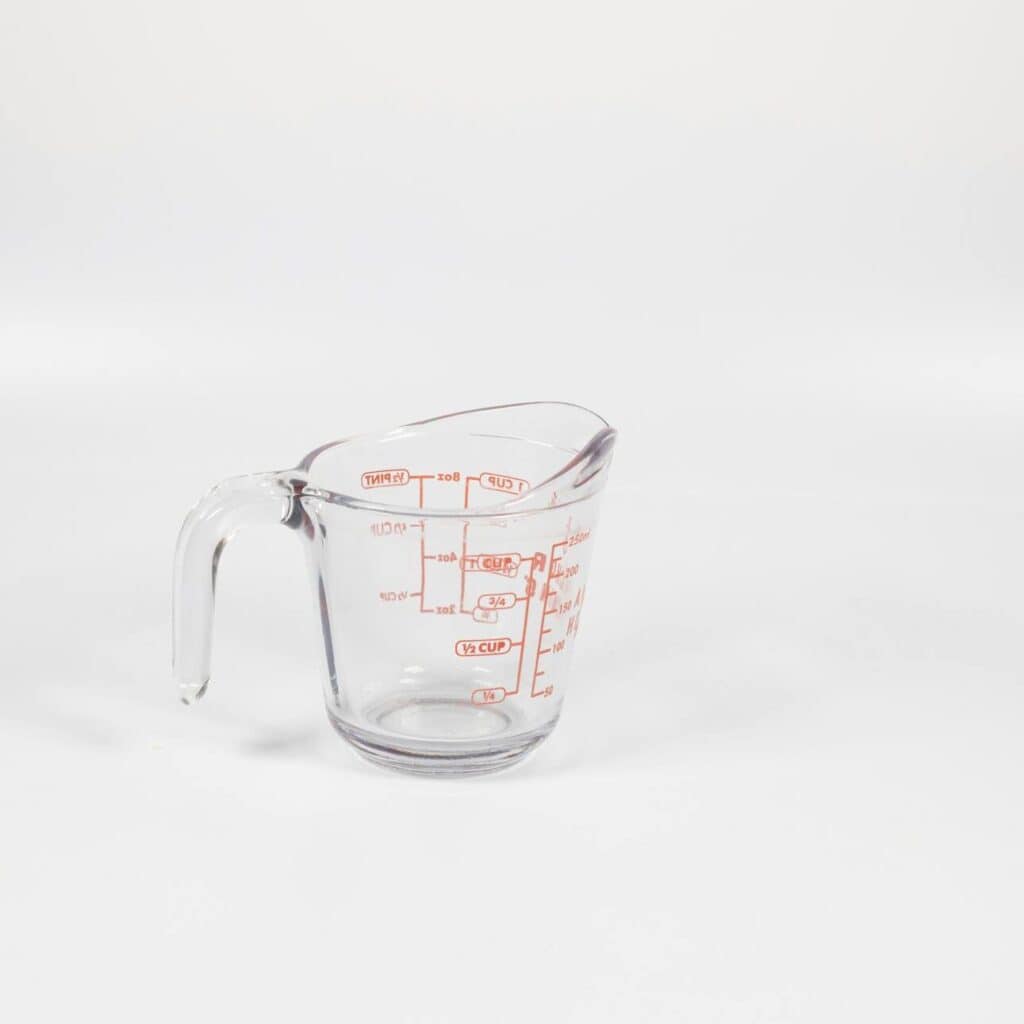
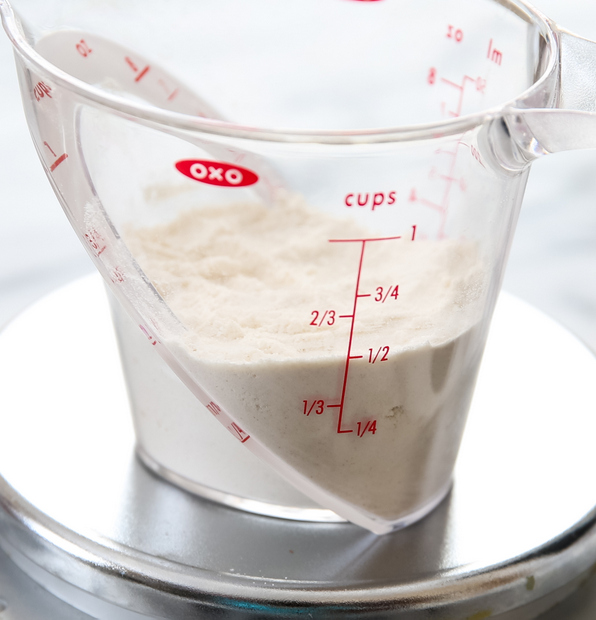
Liquid measuring cups look different from dry ones. They have a spout for easy pouring and measurement lines on the side.
| Type | Material | Use | Special Feature |
| Dry Measuring Cups | Plastic, Metal | Flour, Sugar, Grains | Fill and level off |
| Liquid Measuring Cups | Glass, Plastic | Water, Milk, Oil | Pour spout and measurement lines |
Credit: kirbiecravings.com
Making 2/3 Cup With Measuring Cups
Measuring 2/3 cup can be tricky without the exact cup. You can use common measuring cups to get the right amount. This guide shows easy ways to measure 2/3 cup using what you have.
Using the right tools helps make your recipes turn out well. Try these simple methods to measure 2/3 cup accurately.
Using A 1/3 Cup
A 1/3 cup is very useful for measuring 2/3 cup. You just need to fill it twice. This method is fast and precise for most ingredients.
Follow these steps:
- Fill the 1/3 cup level with your ingredient.
- Pour it into your mixing bowl.
- Fill the 1/3 cup again and add it to the bowl.
Using A 1/4 Cup And A Tablespoon
If you do not have a 1/3 cup, use a 1/4 cup and tablespoons. This method combines different measures to reach 2/3 cup.
| Measurement | Amount |
|---|---|
| 1/4 cup | 1 full cup |
| Tablespoon | 5 tablespoons |
| Total Volume | 2/3 cup |
To measure 2/3 cup, fill the 1/4 cup twice and add 5 tablespoons. This totals about 2/3 cup.
Alternative Methods
You can also use other cups or spoons to measure 2/3 cup. Some kitchen tools let you mix amounts easily.
Here are some alternative ways to measure 2/3 cup:
- Use a 1/2 cup plus 2 tablespoons.
- Use 10 tablespoons (since 1 tablespoon = 1/16 cup).
- Use a scale to measure 5.3 ounces for dry ingredients.
Tips For Accurate Measuring
Measuring ingredients correctly is important for good cooking results. Using the right method helps your recipe turn out well.
This guide explains how to measure two-thirds of a cup accurately with common measuring cups.
Leveling Techniques
Fill your measuring cup until it is full, then level off the top. Use a flat edge like a knife or spatula to remove extra ingredients.
- Fill the cup lightly without packing ingredients down.
- Hold the cup at eye level to check the amount.
- Use the back of a knife to scrape the excess off evenly.
- Do not shake or tap the cup to settle ingredients after filling.
Avoiding Common Mistakes
Many errors happen when measuring. Avoid these to get the right amount every time.
| Mistake | How to Avoid |
|---|---|
| Using the wrong cup size | Use a set of measuring cups that includes fractions. |
| Packing ingredients too tightly | Fill gently without pressing down unless recipe says so. |
| Reading from above or below eye level | Always check measurements straight on at eye level. |
| Not leveling ingredients | Use a flat edge to smooth the top for exact amounts. |

Credit: panhandlemilling.com
Adjusting Recipes Using 2/3 Cup
Using a 2/3 cup measuring cup helps you adjust recipes easily. It is a common measurement in cooking and baking.
You can change the recipe size by doubling, halving, or scaling ingredients with this cup.
Doubling Or Halving Ingredients
Doubling a 2/3 cup means you use two 2/3 cups. This equals 1 and 1/3 cups.
Halving a 2/3 cup means you use one-third cup, which is half of 2/3 cup.
- 2/3 cup doubled = 1 and 1/3 cups (2 × 2/3 cup)
- 2/3 cup halved = 1/3 cup (1/2 × 2/3 cup)
Scaling Recipes
To scale recipes, multiply or divide the 2/3 cup by the scaling factor. This adjusts ingredient amounts.
For example, to triple 2/3 cup, multiply by 3 to get 2 cups.
| Scaling Factor | Amount Using 2/3 Cup |
|---|---|
| 1 (original) | 2/3 cup |
| 2 (double) | 1 and 1/3 cups |
| 3 (triple) | 2 cups |
| 1/2 (half) | 1/3 cup |
| 1/4 (quarter) | 1/6 cup |
Creative Solutions Without Measuring Cups
Sometimes you need 2/3 cup of an ingredient but don’t have measuring cups. You can use simple items found at home to get close. This helps when cooking or baking without special tools.
Using everyday items and smart guesses can save time and keep your recipes on track. Let’s explore some easy ways to measure 2/3 cup without a measuring cup.
Using Household Items
You can use common kitchen tools to measure 2/3 cup. For example, spoons, glasses, or bowls can help you approximate the amount.
Look for items with volume marks or known sizes. This helps you measure ingredients more accurately.
- A standard tablespoon holds about 15 ml. Use 10 tablespoons for 2/3 cup (about 160 ml).
- A typical coffee mug holds around 1 cup. Fill it two-thirds full for 2/3 cup.
- Use a small measuring jug with ml marks to pour 160 ml.
- A standard 1/4 cup measure can be filled twice plus half of it again for 2/3 cup.
Estimation Techniques
Estimating is useful when you don’t have any measuring tools. Use visual clues and simple math to get close to 2/3 cup.
Practice helps you improve your guess and avoid big mistakes in recipes.
- Imagine dividing a full cup into three equal parts. Two parts make 2/3 cup.
- Fill a cup halfway, then add one-third of that amount again.
- Use your hand as a guide: a handful of dry ingredients is about 1/3 cup, so two handfuls equal 2/3 cup.
- For liquids, pour slowly and stop when the container looks about two-thirds full.
Frequently Asked Questions
How Do I Measure 2/3 Cup Without A 2/3 Cup?
You can measure 2/3 cup using a 1/3 cup twice. Fill the 1/3 cup two times and combine the contents. This method is precise and easy when you lack a 2/3 cup measure.
Can I Use Tablespoons To Make 2/3 Cup?
Yes, 2/3 cup equals 10 tablespoons plus 2 teaspoons. Using tablespoons is helpful when you don’t have standard measuring cups. Measure carefully for accuracy in your recipe.
What Is The Easiest Way To Measure 2/3 Cup?
The easiest way is to use a 1/3 cup measure twice. This avoids complicated conversions and ensures precise measurement. It works well for both dry and liquid ingredients.
Why Is Measuring 2/3 Cup Accurately Important?
Accurate measurement ensures consistent recipe results and proper texture. Using precise amounts avoids altering the taste or structure of your dish. It’s especially crucial in baking recipes.
Conclusion
Measuring 2/3 cup is simple and saves time in the kitchen. Use a 1/3 cup measuring cup twice or a 1/4 cup plus a 1/3 cup. Always level off ingredients for accuracy. This method works for dry and liquid items.
Practice a few times to feel confident. Now, you can measure 2/3 cup easily without special tools. Cooking and baking become less stressful and more fun. Give it a try next time you cook!