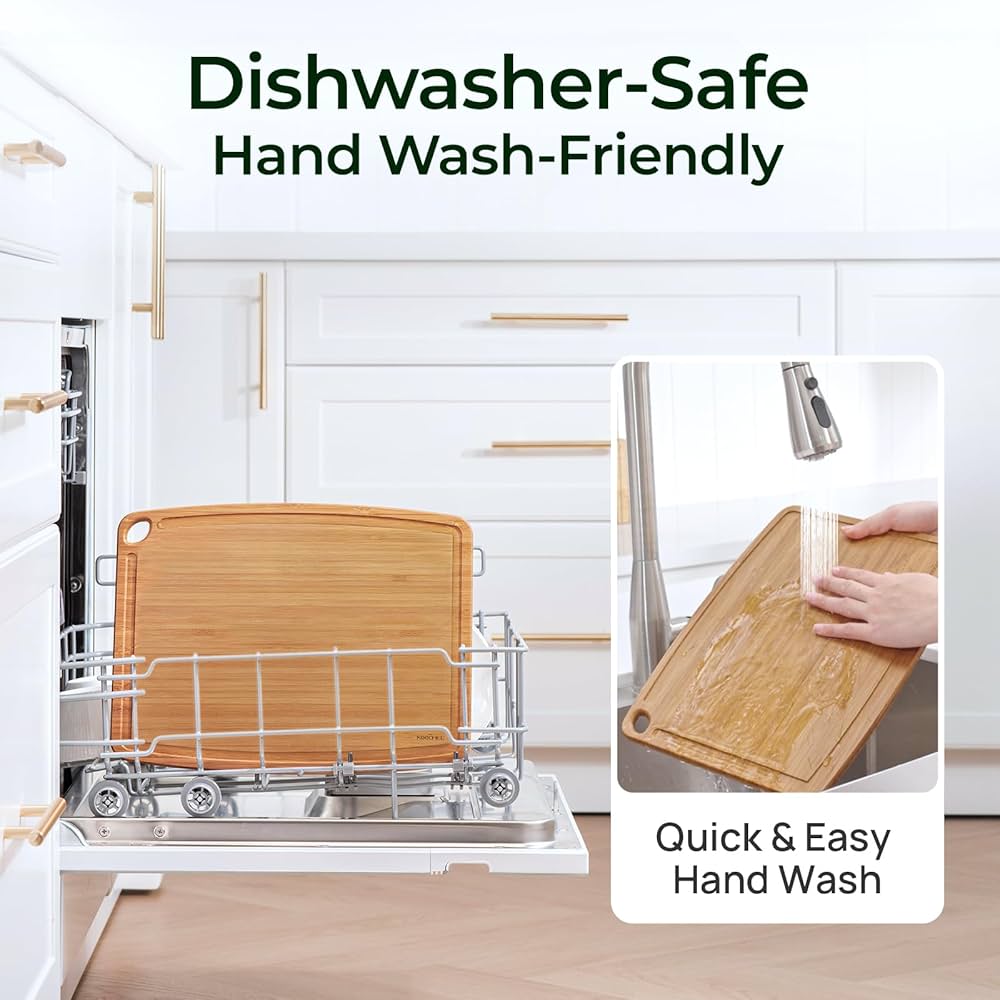
You might be wondering if tossing your wood cutting board into the dishwasher is a quick and easy way to clean it. After all, dishwashers handle so many kitchen items with ease.
But is this really safe for your wooden board? Could it damage your board or even affect your food’s safety? If you want to keep your cutting board in great shape for years to come, it’s important to know the right way to clean it.
Keep reading to discover the truth about washing wood cutting boards in the dishwasher—and what you should do instead.
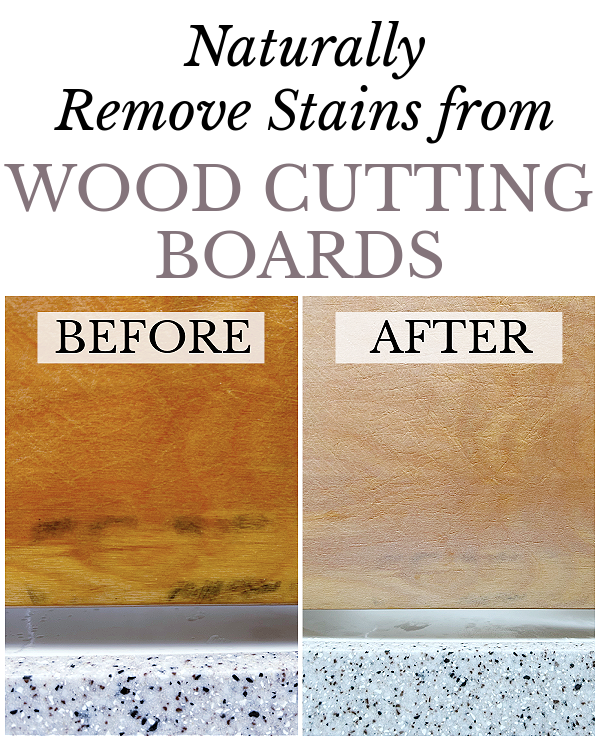
Credit: www.lemonslavenderandlaundry.com
Wood Cutting Boards And Dishwasher Safety
Wood cutting boards are popular for their durability and natural look. Many people wonder if they can clean these boards in the dishwasher. It is important to know the right way to keep wood boards safe and clean.
Using a dishwasher may seem easy, but wood can react badly to water and heat. This guide explains what happens to wood cutting boards in dishwashers and how to care for them properly.
Can You Wash Wood Cutting Boards In The Dishwasher?
Wood cutting boards should not be washed in the dishwasher. The high heat and long water exposure can damage the wood. This can cause the board to crack, warp, or lose its smooth surface.
Dishwasher detergent is strong and can remove the natural oils in the wood. These oils keep the board from drying out and breaking. Without them, the board will wear out faster.
How To Clean Wood Cutting Boards Safely
Cleaning wood boards by hand is best to keep them in good shape. Use warm water and mild soap, then rinse quickly. Avoid soaking the board to prevent water damage.
- Use a soft sponge or cloth for cleaning
- Rinse with warm water after washing
- Dry the board immediately with a clean towel
- Allow the board to air dry standing up or on a rack
- Apply food-safe mineral oil regularly to protect the wood
Signs Your Wood Cutting Board Needs Replacement
| Problem | What to Look For | Why It Matters |
| Cracks | Visible splits or deep cuts | Can harbor bacteria and weaken the board |
| Warping | Board does not lie flat | Unsafe for cutting and can cause accidents |
| Dryness | Board feels rough or brittle | Leads to faster damage and splitting |
| Stains or Odors | Persistent smells or discoloration | Shows poor cleaning or bacteria build-up |
Why Dishwashers Are Unsafe For Wood Boards
Wood is a natural material that reacts to heat and moisture. In a dishwasher:
- High heat causes the wood to dry out quickly.
- Water and steam can make the wood swell and then shrink.
- Strong detergents remove natural oils and damage the surface.
- Repeated dishwasher cycles shorten the board’s lifespan.
Effects Of Dishwasher On Wood
Wood cutting boards need special care to last long. Using a dishwasher can harm the wood in many ways. The heat and water can change the board’s shape and feel.
It is important to know what happens to wood in a dishwasher. This helps keep your cutting board safe and useful.
Warping And Cracking Risks
Wood absorbs water during a dishwasher cycle. The heat causes the wood to dry unevenly. This can lead to warping, where the board bends or twists.
Cracks may form as the wood shrinks while drying. These cracks make the board unsafe and ugly. Warped boards do not sit flat and are hard to use.
- Hot water softens the wood fibers
- Uneven drying causes bending
- Repeated cycles increase cracking risk
- Warping damages the board’s shape
Impact On Board Finish And Texture
The dishwasher’s heat and detergent remove the board’s finish. This finish protects the wood from stains and water. When it washes away, the wood becomes rough and dry.
Over time, the wood surface can become dull and splintered. This makes cleaning harder and can hurt your hands. The texture changes also reduce the board’s lifespan.
- Finish wears off after dishwasher use
- Wood surface becomes rough and dry
- Splinters may form on the board
- Cleaning becomes more difficult
Proper Cleaning Methods
Wood cutting boards need careful cleaning to stay safe and last longer. Using the dishwasher is not recommended because heat and water can damage the wood.
It is best to clean wood boards by hand with gentle methods. This keeps them in good shape and free from germs.
Hand Washing Techniques
Wash your wood cutting board right after use to avoid stains and smells. Use warm water and mild soap for cleaning.
- Rinse the board with warm water.
- Apply a small amount of gentle dish soap.
- Scrub the surface with a soft sponge or cloth.
- Rinse thoroughly with warm water.
- Dry the board completely with a clean towel.
Never soak your wood board in water. Standing water can cause cracks and warping.
Natural Cleaning Solutions
Natural cleaners help keep your wood board clean without harsh chemicals. Vinegar and lemon are great options.
| Natural Cleaner | Use |
| White Vinegar | Spray or wipe to disinfect the board |
| Lemon | Rub on surface to remove stains and smells |
| Baking Soda | Sprinkle and scrub for deep cleaning |
After using these solutions, rinse the board with water and dry it well. These methods keep your board fresh and safe.
Maintaining Wood Cutting Boards
Wood cutting boards need special care to last long and stay safe. You can keep them clean and in good shape with simple daily habits.
Washing wood boards in the dishwasher is not a good idea. The heat and water can damage the wood.
Regular Oiling And Conditioning
Oiling your wood cutting board keeps it from drying out and cracking. Use food-safe mineral oil or beeswax to protect the wood.
- Clean the board with warm water and mild soap.
- Dry it completely before applying oil.
- Apply a small amount of oil with a soft cloth.
- Let the oil soak in for a few hours or overnight.
- Wipe off any extra oil before using the board.
Stain And Odor Removal Tips
Stains and odors can build up on wood boards. Natural ingredients help clean and freshen your board safely.
| Problem | Solution |
| Stains | Rub with lemon and coarse salt, then rinse. |
| Odors | Sprinkle baking soda, let sit, then scrub and rinse. |
| Deep Cleaning | Use white vinegar spray and wipe dry. |
Alternatives To Dishwashing
Wood cutting boards can crack or warp in the dishwasher. This happens because of the heat and water pressure. There are safer ways to clean and sanitize wood boards.
Using natural ingredients like vinegar, baking soda, salt, and lemon can keep your board clean. These options protect the wood and kill germs effectively.
Using Vinegar And Baking Soda
Vinegar is a natural disinfectant. It kills bacteria on the wood surface without harming it. Baking soda helps remove stains and odors.
Spray vinegar on the board and let it sit for a few minutes. Then sprinkle baking soda and scrub gently with a brush or sponge. Rinse with warm water and dry well.
- Spray white vinegar on the board
- Wait 5 minutes to disinfect
- Sprinkle baking soda evenly
- Scrub with a soft brush or sponge
- Rinse with warm water
- Dry the board completely
Sanitizing With Salt And Lemon
Coarse salt acts as a scrub to remove food particles and stains. Lemon juice has natural acid that kills germs and freshens the wood.
Sprinkle salt on the board and rub it with half a lemon. Let it sit for a few minutes. Rinse with warm water and dry the board well to prevent damage.
- Cover the board with coarse salt
- Rub with half a fresh lemon
- Let it sit for 3 to 5 minutes
- Rinse with warm water
- Dry the board completely

Credit: www.walmart.com
Choosing Dishwasher-safe Options
Not all wood cutting boards can go in the dishwasher. Some types handle heat and water better than others.
Choosing the right material helps keep your board safe and clean after washing.
Identifying Compatible Materials
Wood cutting boards made from hard woods are often safer for dishwashers. Look for materials like maple or teak.
- Maple: Dense and strong, resists warping.
- Teak: Contains natural oils that protect it.
- Bamboo: Sometimes dishwasher-safe but check the label.
- Soft woods like pine: Not recommended for dishwashers.
Features Of Dishwasher-safe Boards
Dishwasher-safe boards have certain features that help them last longer.
| Feature | Benefit |
| Sealed Surface | Stops water from soaking in |
| Thick Wood | Prevents cracking and warping |
| Rounded Edges | Reduces damage from dishwasher racks |
| Non-porous Finish | Blocks bacteria and stains |
Expert Recommendations
Wood cutting boards are popular in many kitchens. Cleaning them properly helps keep them safe and lasting longer.
Many wonder if wood cutting boards can go in the dishwasher. This guide shares expert advice on this topic.
Insights From Chefs And Woodworkers
Chefs and woodworkers often advise against using the dishwasher for wood boards. The heat and water can damage the wood.
Dishwashers may cause wood to crack, warp, or lose its finish. This reduces the board’s lifespan and safety.
- Heat causes wood to dry out and split.
- Strong dishwasher detergents can strip oils from the wood.
- Long water exposure can make wood swell and warp.
Best Practices For Longevity
Cleaning wood cutting boards by hand helps them last longer. Use mild soap and warm water after each use.
Dry the board quickly with a towel and stand it upright to air dry fully. This prevents moisture buildup.
- Do not soak wood boards in water.
- Apply food-safe mineral oil regularly to keep wood hydrated.
- Use coarse salt and lemon to remove stains and odors.
- Store boards in a dry place away from heat sources.

Credit: www.souschef.co.uk
Frequently Asked Questions
Can Wood Cutting Boards Survive Dishwasher Cleaning?
Most wood cutting boards cannot survive dishwashers. The high heat and water damage wood, causing warping and cracking. Hand washing with mild soap is safer and extends the board’s life.
Why Is Dishwasher Unsafe For Wood Boards?
Dishwashers expose wood to intense heat and moisture. This combination dries out wood, leading to cracks and splits. It also removes natural oils, reducing the board’s durability.
How Should I Clean Wood Cutting Boards Properly?
Clean wood cutting boards with warm water and mild soap. Avoid soaking or submerging them. Dry immediately with a towel to prevent moisture damage and maintain longevity.
Can Dishwasher Damage Wooden Cutting Boards Finish?
Yes, dishwashers can strip the finish from wood boards. This exposes raw wood, making it more prone to bacteria and damage. Regular oiling after cleaning helps preserve the finish.
Conclusion
Wood cutting boards usually do not do well in dishwashers. The heat and water can make the wood crack or warp. Washing by hand with soap and warm water keeps boards safe. Drying them quickly helps stop bacteria growth. Oiling boards regularly also keeps wood strong and smooth.
Caring for your wood board this way extends its life. It keeps your kitchen cleaner and safer too. Choose hand washing to protect your wooden cutting boards. Simple steps make a big difference.