Are your car tires feeling a little flat? Knowing how to fill car tires with air might seem simple, but doing it the right way can save you from costly repairs and keep you safe on the road.
Imagine driving smoothly, without worrying about uneven wear or poor fuel efficiency. You’ll discover easy steps to check and fill your tires correctly, plus insider tips that even some drivers overlook. Ready to take control of your car’s performance and safety?
Let’s get started.
Credit: www.blackcircles.ca
Gather Necessary Tools
Filling car tires with air is easy with the right tools. Preparing ahead saves time and effort.
Use quality tools to ensure the correct tire pressure and safe driving.
Air Compressor Or Tire Inflator
An air compressor or tire inflator pumps air into your tires. Choose one that fits your needs.
- Portable inflators work well for quick fills.
- Electric air compressors need a power source.
- Look for models with automatic shutoff to avoid overinflation.
Pressure Gauge
A pressure gauge measures the air pressure inside the tire. This helps keep tires at the right level.
| Type of Gauge | Description |
| Digital | Easy to read with a screen display |
| Dial | Uses a needle on a dial face |
| Stick | Simple mechanical gauge with a sliding stick |
Valve Stem Caps
Valve stem caps protect the valve from dirt and moisture. Always keep them on your tires.
Benefits of Valve Stem Caps:
- Prevent air leaks
- Keep dirt and dust out
- Protect valve from damage

Credit: www.oreillyauto.com
Check Recommended Tire Pressure
Keeping your car tires at the right pressure helps with safety and fuel efficiency. Always check the recommended tire pressure before filling air.
Incorrect pressure can cause poor handling or damage. Learn how to find the right pressure and understand its units.
Locate Tire Information
You can find the recommended tire pressure on a label inside the driver’s door frame. It may also be in the owner’s manual or fuel door.
- Check the driver’s side door jamb sticker
- Look inside the fuel door for a label
- Refer to the vehicle’s owner manual
Understand Pressure Units
Tire pressure is measured in PSI or kPa. PSI means pounds per square inch. kPa means kilopascals.
| Unit | Full Name | Common Use |
| PSI | Pounds per Square Inch | United States |
| kPa | Kilopascal | Canada, Europe, Australia |
Inspect Tires For Damage
Checking your car tires for damage is important before filling them with air. It helps keep you safe on the road.
Look closely to find any problems that could cause air leaks or tire failure.
Look For Visible Damage
Check the tire surface for cuts, cracks, or bulges. These signs show that the tire may be weak or unsafe.
Also, look at the sidewalls and tread for any unusual wear or damage.
- Cracks can cause air leaks
- Bulges may mean tire structure is damaged
- Uneven wear can affect driving safety
- Foreign objects stuck in tread should be removed
Check For Punctures
Look for nails, screws, or sharp objects stuck in the tire. These can cause slow air leaks or sudden flats.
If you see any punctures, do not fill the tire with air until it is repaired or replaced.
- Run your hand carefully over the tire surface
- Check the tread and sidewalls for small holes
- Listen for a hissing sound that means air is escaping
- Use soapy water to spot bubbles at leak points
Position Your Car Properly
Filling car tires with air is easier when your car is in the right spot. Proper positioning helps you work safely and efficiently.
Before you start, make sure to follow key steps to keep everything safe and simple.
Park On A Level Surface
Choose a flat and stable place to park your car. A level surface prevents the car from rolling while you fill the tires.
- Look for a parking lot or driveway with a flat area.
- Avoid hills or slopes that may cause the car to move.
- Check the ground for any wet or slippery spots.
- Make sure the surface is firm to support the car’s weight.
Turn Off Engine
Always switch off your car’s engine before filling the tires. This keeps the car from accidentally moving and reduces risks.
| Reason | Explanation |
|---|---|
| Safety | Stops the car from rolling or moving unexpectedly. |
| Focus | Allows you to concentrate on filling the tires properly. |
| Fuel Savings | Prevents unnecessary fuel use during the process. |
Prepare The Tire Valve
Filling car tires with air starts by getting the tire valve ready. The valve lets air in and keeps it inside.
Proper care of the valve ensures the tire inflates correctly and stays inflated longer.
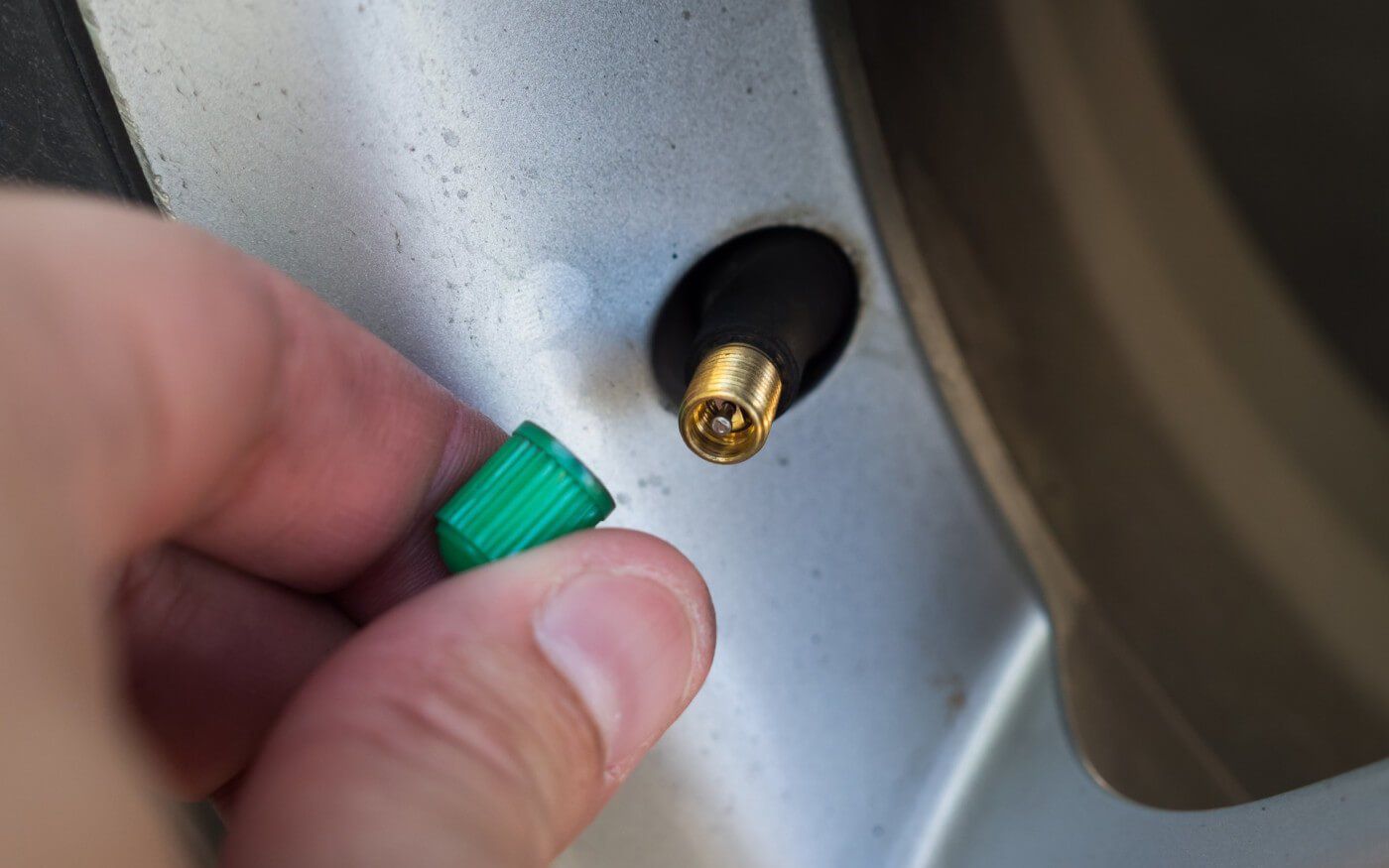
Remove Valve Stem Cap
The valve stem cap protects the valve from dust and dirt. You must take it off before adding air.
- Grip the valve stem cap firmly with your fingers.
- Turn the cap counterclockwise to unscrew it.
- Set the cap aside in a safe place.
- Check the valve for any dirt or damage.
Keep Cap Safe
Keeping the valve stem cap safe is important. It stops dirt from entering the valve after filling the tire.
| Tip | Reason |
| Place cap in your pocket | Prevents losing it during air filling |
| Use a small container | Keeps cap clean and easy to find |
| Hold cap with hand while inflating | Ensures quick replacement after filling |
Connect Air Hose To Valve
Filling car tires with air starts by connecting the air hose to the valve. This step is important for proper inflation.
Make sure you handle the air hose carefully to avoid damage or air leaks during the process.
Ensure A Secure Fit
Press the air hose nozzle firmly onto the tire valve stem. A tight fit stops air from escaping.
If the hose does not fit well, air will leak and the tire will not fill properly.
- Hold the hose straight on the valve
- Push until you feel it click or seal
- Use a clamp if the hose has one
Listen For Air Leaks
After connecting the air hose, listen closely for any hissing sounds. This means air is leaking.
If you hear leaks, adjust the hose or valve cap to stop the noise. A good seal ensures proper tire pressure.
Inflate The Tire
Filling your car tires with air keeps them safe and efficient. Proper inflation helps your car handle better and saves fuel.
Use a reliable air compressor and follow the steps carefully to avoid damage.
Monitor Pressure Gauge
Check the pressure gauge often while inflating. It tells you the current air pressure inside the tire.
- Attach the air hose to the tire valve.
- Press the gauge firmly to get a clear reading.
- Watch the pressure level rise as you add air.
- Stop adding air when you reach the recommended pressure.
Avoid Over-inflation
Too much air can harm your tire and reduce safety. Keep the pressure within the car maker’s suggested range.
| Pressure Level | Effect on Tire |
| Too Low | Poor handling and faster wear |
| Correct | Safe driving and even wear |
| Too High | Risk of blowouts and rough ride |
Check Tire Pressure Regularly
Keeping your car tires at the right pressure improves safety and saves fuel. Regular checks help find leaks early.
Check tire pressure at least once a month and before long trips. Cold tires give the most accurate reading.
Use A Reliable Gauge
Choose a good tire pressure gauge to get correct readings. Digital or dial gauges are easy to read and accurate.
- Remove the valve cap from the tire.
- Press the gauge firmly onto the valve stem.
- Read the pressure value on the gauge display.
- Replace the valve cap after checking.
Adjust As Necessary
Add or release air to reach the recommended pressure shown in your car manual or on the door sticker.
| Action | When to Do It |
| Add Air | Pressure is below recommended level |
| Release Air | Pressure is above recommended level |
| Check Again | After adjusting air |
Replace Valve Stem Cap
After filling your car tires with air, it is important to replace the valve stem cap. This small cap keeps dirt and moisture out of the valve. It also helps keep the air inside the tire.
Replacing the valve stem cap is a simple step that protects your tire’s air pressure. It prevents leaks and extends the life of the valve.
Tighten Securely
Make sure to screw the valve stem cap on tightly. A loose cap can fall off while driving. This leaves the valve open to dirt and air leaks.
Use your fingers to tighten the cap until it feels snug. Do not overtighten, as this can damage the valve stem.
Ensure Proper Fit
Check that the valve stem cap fits your tire’s valve. Caps come in different sizes and shapes. A proper fit stops air from escaping.
- Use the cap that came with your tire or car
- Replace lost or damaged caps promptly
- Choose caps made of durable materials
Repeat For All Tires
Filling your car tires with air keeps them safe and lasts longer. You need to fill all tires, not just one.
Check each tire’s pressure and add air if needed. This helps your car drive smoothly and saves fuel.
Follow Same Steps
Use the same method for every tire. Start by removing the valve cap and checking the pressure.
Attach the air pump and add air slowly. Stop often to check the pressure. Do not overfill the tire.
- Remove the valve cap from the tire
- Check the current air pressure with a gauge
- Attach the air hose from the pump
- Add air in short bursts
- Check the pressure again after adding air
- Replace the valve cap securely
Check Spare Tire
Don’t forget the spare tire. It also needs the right air pressure to work well.
Check the spare tire’s pressure like the others. Add air if the pressure is low. This keeps it ready for emergencies.

Credit: www.youtube.com
Frequently Asked Questions
How Do I Check Tire Pressure Before Filling Air?
Use a tire pressure gauge to measure current pressure. Check when tires are cold for accurate reading. Compare with recommended PSI found in your car manual or door edge.
What Type Of Air Pump Is Best For Car Tires?
An electric or portable air compressor is ideal. It offers consistent pressure and ease of use. Manual pumps work but require more effort and time.
Can I Overfill My Car Tires With Air?
Yes, overfilling can cause uneven tire wear and reduced traction. Always fill to the manufacturer’s recommended pressure. Use a gauge to avoid excess air.
How Often Should I Fill My Car Tires With Air?
Check tire pressure monthly or before long trips. Tires naturally lose air over time and use. Maintaining correct pressure ensures safety and fuel efficiency.
Conclusion
Filling car tires with air keeps your ride safe and smooth. Check tire pressure often to avoid problems. Use a reliable air pump and follow the correct steps. Don’t let low air affect your car’s performance. A little care goes a long way for your tires.
Stay safe and save money by maintaining proper tire pressure. Simple actions make driving better every day. Keep your tires ready for the road ahead.