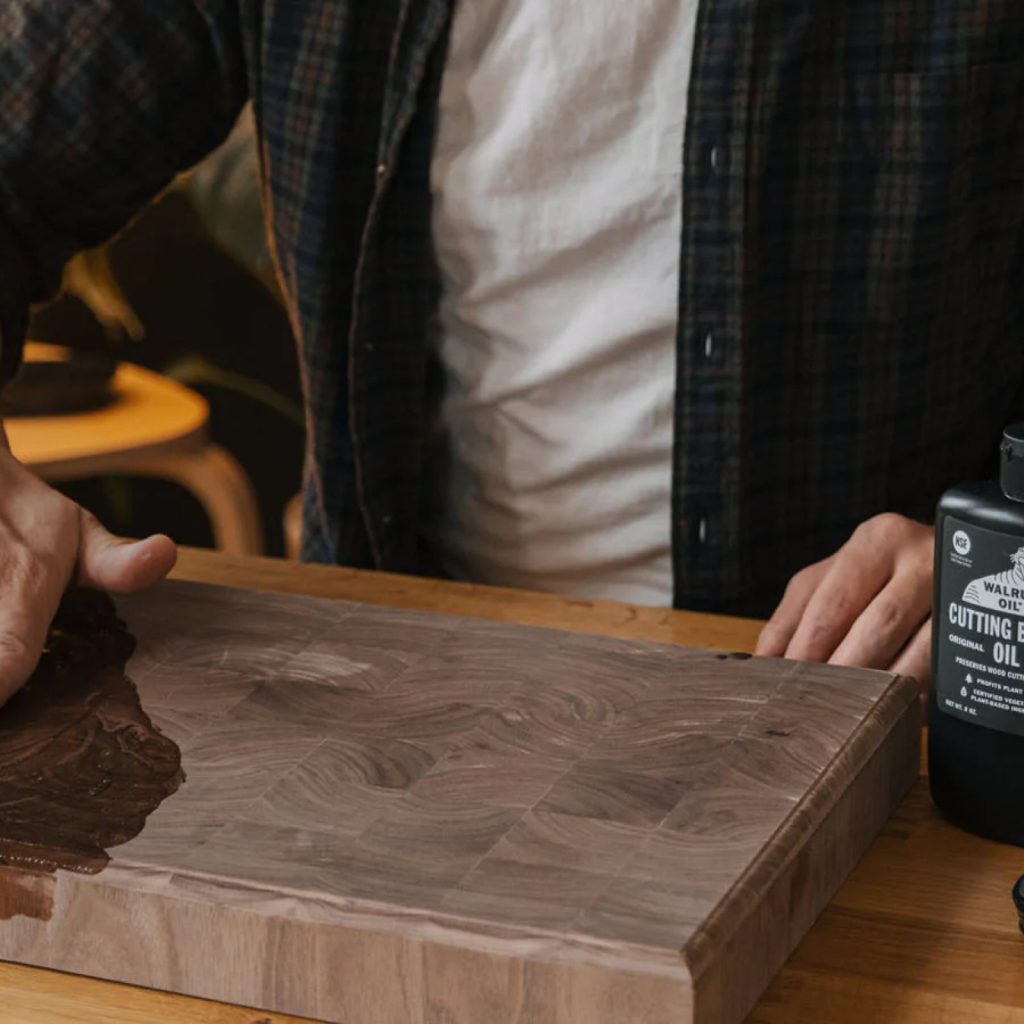
You love the look and feel of a wooden cutting board, but are you sure it’s safe for your food? Making your wooden cutting board food safe is easier than you think, and it can protect your health while keeping your kitchen stylish.
In this post, you’ll discover simple steps you can take right now to clean, treat, and maintain your cutting board so it stays safe and lasts longer. Keep reading, and you’ll learn how to turn your wooden board into a trusted kitchen tool you can rely on every day.

Credit: www.amazon.ca
Choosing The Right Wood
Making a wooden cutting board food safe starts with selecting the right wood. Not all woods are safe or durable enough for kitchen use.
Wood type affects the board’s safety, appearance, and how well it holds up over time. Choose wisely for a lasting and safe cutting surface.
Best Types Of Wood
Use hardwoods that resist bacteria and damage. These woods have tight grains that keep moisture out.
- Maple – Hard, dense, and non-toxic
- Walnut – Durable and naturally antibacterial
- Cherry – Smooth texture and strong
- Beech – Tight grain and food safe
- Teak – Contains natural oils that resist water
Avoiding Toxic Woods
Some woods contain oils or toxins that can harm food safety. Avoid these woods for cutting boards.
| Wood Type | Reason to Avoid |
| Pine | Soft wood, easy to scar, resin can affect taste |
| Cedar | Strong aroma, can cause allergies or taste issues |
| Oleander | Highly toxic to humans |
| Rosewood | May cause skin irritation and toxicity |
| Camphor | Contains strong oils harmful if ingested |
Preparing The Wood Surface
Making a wooden cutting board food safe starts with preparing the wood surface. Proper preparation helps protect the wood and keeps it safe for food contact.
Cleaning, smoothing, and checking the wood are important steps before applying any finish or oil.
Sanding Techniques
Sanding the wood removes rough spots and splinters. It creates a smooth surface that is easier to clean and safer to use.
Start sanding with coarse grit sandpaper to remove big imperfections. Then use finer grits to smooth the surface.
- Use 80-100 grit sandpaper for the first pass
- Move to 150-180 grit for a smoother finish
- Finish with 220 grit sandpaper for a soft surface
- Sand with the grain of the wood to avoid scratches
Checking For Flaws
Inspect the wood carefully after sanding. Look for cracks, knots, or deep scratches that can trap bacteria.
Remove or repair any flaws. Small cracks can be filled with food-safe wood filler or sanded out.
- Check all sides of the board
- Look for loose wood fibers or splinters
- Fill small cracks with food-safe filler
- Replace the board if large cracks or damage appear
Applying Food-safe Finishes
Making a wooden cutting board safe for food means protecting it from moisture and bacteria. Applying the right finish helps keep the wood strong and clean. This guide explains how to choose and use food-safe finishes.
Not all finishes are safe for kitchen use. It is important to pick products that are non-toxic and designed for contact with food.
Choosing The Right Oil
Oils are popular for finishing cutting boards because they soak into the wood. They help keep the board from drying out and cracking. Some oils also prevent water from soaking in.
- Mineral oil is safe and widely used. It does not go rancid and is easy to apply.
- Walnut oil is natural and food safe but may cause allergies.
- Coconut oil smells nice but can go rancid over time.
- Beeswax can be mixed with oil to add extra protection.
- Avoid vegetable oils like olive or canola; they can spoil.
Natural Vs. Synthetic Finishes
Finishes can be natural or synthetic. Natural finishes are made from plant or animal products. Synthetic finishes come from chemical processes. Both types have benefits and drawbacks.
| Finish Type | Examples | Pros | Cons |
| Natural | Mineral oil, beeswax, walnut oil | Non-toxic, easy to apply, safe for food | May need frequent reapplication |
| Synthetic | Food-grade varnishes, polyurethane | Durable, water-resistant | May contain chemicals, harder to repair |

Credit: www.reddit.com
Sealing The Cutting Board
Sealing a wooden cutting board protects it from water and bacteria. It also keeps the wood strong and looking good.
Using the right sealant and applying it well makes the board safe for food use. This guide explains the sealing process.
Applying Sealant Evenly
Apply the sealant in thin, even layers. This helps cover the whole surface without sticky spots.
Use a clean cloth or brush to spread the sealant carefully. Avoid pooling or thick areas that take longer to dry.
- Work along the wood grain for smooth coverage
- Coat all sides, including edges and corners
- Remove excess sealant with a soft cloth
- Use food-safe sealants like mineral oil or beeswax
Curing And Drying Process
Let the sealant dry fully before using the cutting board. This makes sure the finish is strong and safe.
Place the board in a dry, well-ventilated area. Avoid using it or washing it until the sealant cures completely.
- Dry time depends on the sealant type and thickness
- Mineral oil usually soaks in within a few hours
- Beeswax finishes may need 24 hours to harden
- Repeat sealing if the board looks dry or worn
Maintaining The Cutting Board
Keeping your wooden cutting board food safe needs care after use. Regular maintenance helps stop germs and keeps the wood strong.
Learn simple steps to clean the board and know when to refresh its finish for safety.
Regular Cleaning Tips
Clean your wooden cutting board right after each use to stop bacteria growth. Avoid soaking it in water or using a dishwasher.
- Wash with warm water and mild soap.
- Use a soft sponge or cloth to scrub gently.
- Rinse well to remove all soap.
- Dry the board with a clean towel immediately.
- Stand the board upright to air dry fully.
- Disinfect with white vinegar or lemon juice if needed.
When To Reapply Finish
Wood finishes protect the board and keep it food safe. Reapply oil or finish when the board looks dry or feels rough.
| Sign | Action |
| Wood looks dull or dry | Apply a food-safe oil or wax |
| Water soaks in quickly | Reapply finish to seal the surface |
| Board feels rough or cracked | Sand lightly before finishing |
| After heavy use or deep cleaning | Refinish to protect wood |
Common Mistakes To Avoid
Making a wooden cutting board food safe requires care. Some errors can harm the board or your health.
Learn to avoid common mistakes to keep your board safe and long-lasting.
Over-oiling The Surface
Oiling a wooden cutting board protects it from moisture and cracks. But too much oil can cause problems.
- Excess oil traps food particles and bacteria.
- It creates a sticky surface hard to clean.
- Too much oil can soften the wood and cause damage.
- Allow the oil to soak and wipe away extra after application.
Using Harsh Chemicals
Cleaning your cutting board is important. Using harsh chemicals can make it unsafe and damage the wood.
| Chemical | Effect on Board | Food Safety Risk |
| Bleach | Can dry and crack wood | Leaves toxic residue |
| Ammonia | Damages wood fibers | May cause allergic reactions |
| Strong detergents | Strips natural oils | Harsh residue may remain |

Credit: www.reddit.com
Frequently Asked Questions
How Do I Make A Wooden Cutting Board Food Safe?
To make a wooden cutting board food safe, clean it thoroughly and apply food-grade mineral oil. Avoid toxic sealants and reapply oil regularly to maintain protection and prevent cracking.
Can I Use Olive Oil To Treat Wooden Boards?
No, avoid olive or vegetable oils as they can go rancid. Use food-grade mineral oil or beeswax instead for safe, long-lasting treatment.
How Often Should I Oil A Wooden Cutting Board?
Oil your cutting board once a month or when it looks dry. Regular oiling prevents cracks, warping, and keeps the surface safe for food use.
Is Sanding Necessary To Keep A Board Safe?
Yes, sanding removes bacteria and deep stains. Use fine-grit sandpaper occasionally to smooth the surface and maintain hygiene before oiling.
Conclusion
Making your wooden cutting board food safe is simple and important. Clean it well after every use. Use mineral oil to protect and seal the wood. Avoid harsh chemicals or soaking the board in water. Regular maintenance keeps the board strong and safe.
This helps prevent bacteria and keeps food fresh. A well-cared cutting board lasts longer and works better. Small steps make a big difference in kitchen safety. Keep your board clean, oiled, and dry for best results. Your food and family will thank you.