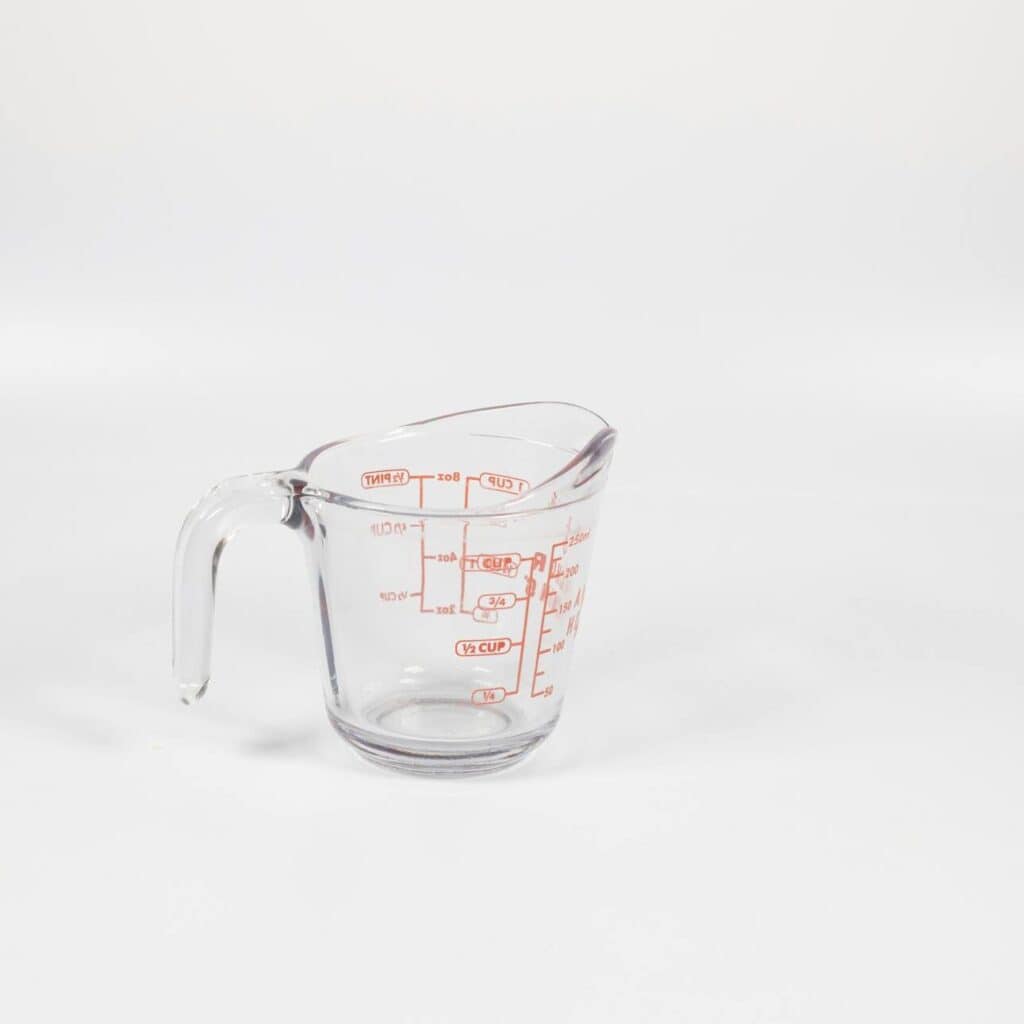
Have you ever struggled to measure exactly 2 3/4 cups using your measuring cups? It can feel tricky when your cups don’t match the amount you need.
But what if you could easily combine your existing measuring tools to get the perfect amount every time? You’ll discover simple, step-by-step tips to measure 2 3/4 cups with what you already have in your kitchen. By the end, you’ll save time, avoid guesswork, and boost your confidence in cooking and baking.
Keep reading—you’re just a few easy steps away from mastering this skill!
Choosing The Right Measuring Cups
Using the right measuring cups is important for cooking and baking. It helps you get the right amount of ingredients every time.
Measuring cups come in different sizes and types. Knowing how to pick them can make your kitchen work easier and more accurate.
Understanding Measurement Increments
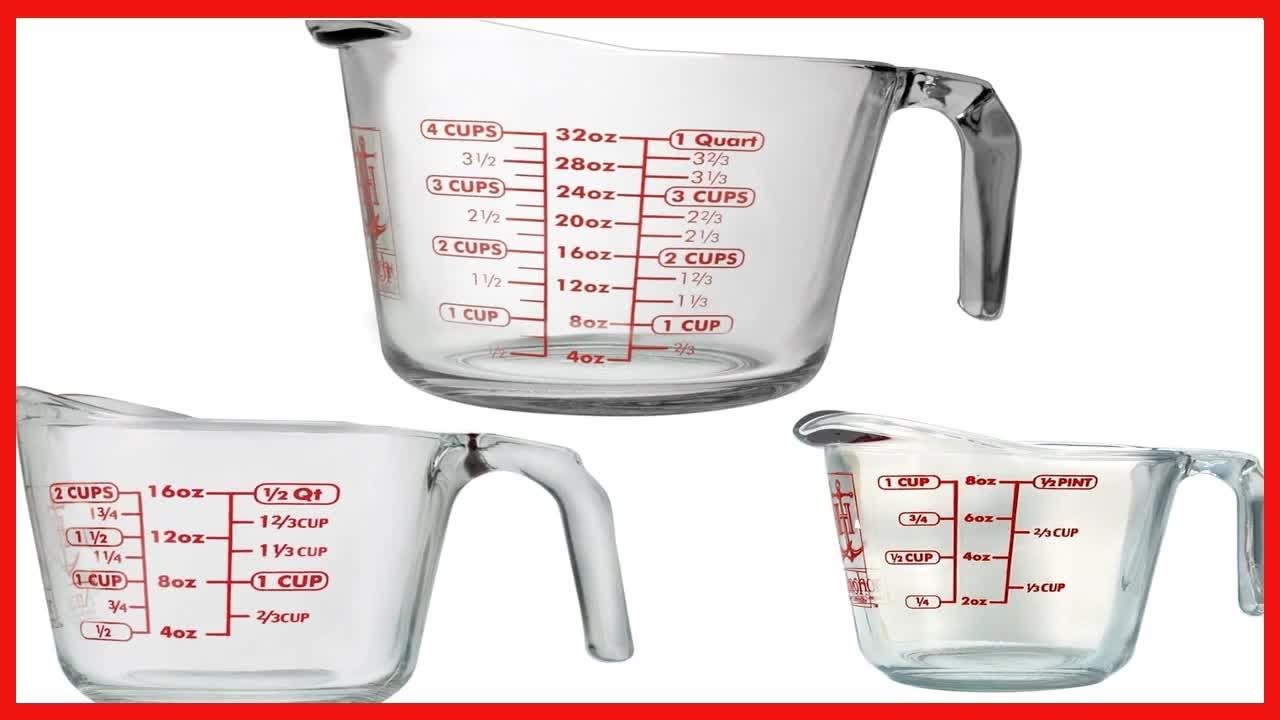
Measuring cups show measurements in different increments. Common increments are cups, fractions of a cup, and milliliters.
- Standard cups usually measure 1 cup, 1/2 cup, 1/3 cup, and 1/4 cup.
- Some cups have markings for smaller amounts like tablespoons or teaspoons.
- Clear markings help you measure liquids and dry ingredients accurately.
Types Of Measuring Cups
There are mainly two types of measuring cups: liquid measuring cups and dry measuring cups. Each type suits different ingredients.
| Type | Material | Best For |
| Liquid Measuring Cups | Glass or plastic | Measuring liquids like water, milk, and oil |
| Dry Measuring Cups | Metal or plastic | Measuring dry ingredients like flour and sugar |
Basic Techniques For Measurement
Measuring ingredients accurately is important for good cooking results. Using the right methods helps you get the right amount every time.
Measuring cups come in different sizes. Learning basic techniques will help you measure 2/3 cup with ease.
Leveling Ingredients
Fill the measuring cup until it is slightly over the mark. Use a flat edge like a knife to level off the extra ingredient. This gives you an exact amount.
- Fill the cup until it is heaping.
- Hold the cup steady on a flat surface.
- Swipe a flat edge across the top to remove extra.
- Check that the ingredient is level with the cup edge.
Avoiding Air Pockets
Air pockets can make dry ingredients seem lighter. Gently spoon the ingredient into the cup without shaking or tapping it. This avoids packed air.
| Common Mistake | How to Fix |
| Tapping the cup to settle ingredient | Do not tap or shake the cup after filling |
| Scooping directly from the container | Spoon ingredient lightly into the cup instead |
| Pressing ingredient down firmly | Fill gently without pressing down |
Creating 2/3 Cup With Common Cups
Measuring 2/3 cup can be tricky without a 2/3 cup measure. You can use common measuring cups to get the right amount. This guide shows easy ways to measure 2/3 cup using cups you may already have.
Using simple measurements helps you bake or cook accurately. It saves time and reduces the need to buy special tools.
Using A 1/3 Cup Twice
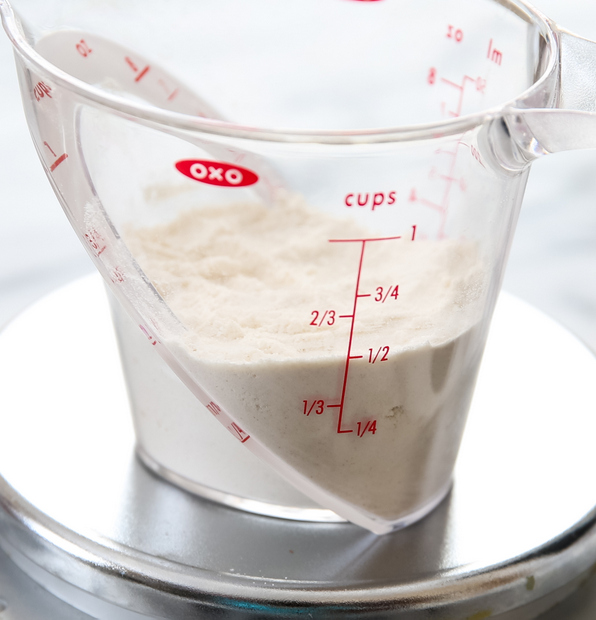
You can measure 2/3 cup by using a 1/3 cup two times. Fill the 1/3 cup and pour it into your mixing bowl. Repeat one more time. Two 1/3 cups equal 2/3 cup.
This method is simple and works well if you have a 1/3 cup measure. It gives an exact 2/3 cup without guesswork.
Combining 1/2 Cup And 2 Tablespoons
You can also make 2/3 cup by combining a 1/2 cup and 2 tablespoons. Since 1/2 cup equals 8 tablespoons, adding 2 more tablespoons makes 10 tablespoons. This equals 2/3 cup.
- Fill a 1/2 cup and pour it into your bowl.
- Add 2 tablespoons to the 1/2 cup in the bowl.
- Mix or level the ingredients as needed.
Credit: kirbiecravings.com
Tips For Accurate Measurement
Measuring ingredients correctly is important for cooking and baking. Using measuring cups can help you get the right amount every time.
Here are some tips to make 2 3 cup measurements accurately with measuring cups.
Double-check Measurements
Always check your measurement twice to avoid mistakes. Pour the ingredient into the cup slowly for better control.
Look at the cup at eye level to see the exact amount. This helps you avoid measuring too much or too little.
- Fill the cup until the ingredient reaches the 2/3 cup mark
- Use a flat surface to place the cup for better accuracy
- Adjust if needed by adding or removing small amounts
Consistency In Measurement Technique
Use the same way of measuring each time for consistent results. Scoop or pour ingredients the same way every time.
Level off dry ingredients with a flat edge to get an exact amount. For liquids, use a clear cup and check the line carefully.
- Use the same measuring cup for each measurement
- Do not pack dry ingredients unless the recipe says so
- Pour liquids slowly to the correct line
Common Mistakes To Avoid
Measuring ingredients correctly is important for good cooking results.
Some mistakes can cause you to use too much or too little. This guide helps you avoid those errors.
Overfilling Cups
Filling measuring cups above the rim causes wrong amounts. It may change the recipe’s taste or texture.
- Fill the cup only to the top edge, not above it.
- Use a straight edge to level off dry ingredients like flour or sugar.
- Do not pack ingredients unless the recipe says to.
- Check the cup at eye level for accuracy.
Inconsistent Ingredient Density
Different ingredients have different weights even if they fill the same cup. This can cause measurement errors.
| Ingredient | 1 Cup Weight (grams) | Notes |
| All-purpose Flour | 120 | Lightly spoon into cup and level |
| Brown Sugar | 220 | Pack firmly for accurate measure |
| Chopped Nuts | 120 | Fill loosely without packing |
| Granulated Sugar | 200 | Level off with a knife |

Credit: www.youtube.com
Practical Applications
Measuring 2/3 cup accurately is useful in many cooking and baking tasks. It helps keep recipes balanced and consistent.
Knowing how to measure 2/3 cup with common measuring cups can save time and reduce errors in the kitchen.
Recipes Requiring 2/3 Cup
Many recipes call for 2/3 cup of ingredients like flour, sugar, or liquids. This amount is common in baking and cooking.
- Chocolate chip cookie dough often needs 2/3 cup of brown sugar.
- Some pancake batters use 2/3 cup of milk for the right texture.
- Salad dressings may include 2/3 cup of olive oil for flavor.
- Rice recipes sometimes require 2/3 cup of water per serving.
Adapting Recipes With Accurate Measurements
Adjusting recipes means using correct measures to keep taste and texture. Using 2/3 cup properly is key for good results.
| Measurement Needed | How to Measure Using Standard Cups |
| 2/3 cup | Fill 1/3 cup twice or use 1/2 cup plus 1/6 cup |
| 1/3 cup | Fill the 1/3 measuring cup once |
| 1/2 cup | Use the 1/2 cup measure once |
| 1/6 cup | Fill 1/3 cup halfway |
Credit: www.youtube.com
Frequently Asked Questions
How Do I Measure 2 3 Cup Using Standard Cups?
To measure 2 3 cup, combine two 1/3 cup measurements. Use a 1/3 cup measuring cup twice for accuracy. This ensures you get exactly 2 3 cups.
Can I Use A 1/4 Cup To Make 2 3 Cup?
Yes, you can use a 1/4 cup. Measure 2 full 1/4 cups plus 1/12 cup. For 1/12 cup, fill 1/4 cup halfway.
What If I Don’t Have A 1/3 Cup Measuring Cup?
Use a 1/4 cup and a tablespoon to substitute. 1/3 cup equals 5 tablespoons plus 1 teaspoon. Measure carefully for precise results.
Why Is Accurate Measuring Important For 2 3 Cup?
Accurate measuring ensures recipe consistency and proper texture. It affects cooking or baking outcomes. Use proper tools for best results every time.
Conclusion
Measuring 2 3 cup with measuring cups is simple and quick. Use smaller cups to add up to the right amount. Pour slowly to avoid spills and get an exact measure. This method helps in baking and cooking with no guesswork.
Practice a few times, and it will feel easy. Accurate measuring makes your recipes turn out better every time. Give it a try next time you cook. You’ll see the difference in your dishes.