Have you ever started cooking or baking and wondered, “How do I measure a cup correctly?” It might seem simple, but using the right amount can make all the difference in your recipe’s success. Whether you’re a beginner or just want to improve your kitchen skills, knowing how to measure a cup accurately will save you time and frustration.
Keep reading, and you’ll discover easy tips that will help you get it right every time—no guesswork needed!

Credit: www.amazon.ca
Importance Of Accurate Measurement
Measuring a cup correctly helps you get the right amount of ingredients. This makes your recipe taste better and turn out well.
Using the wrong amount can change the texture and flavor. Accurate measurement is key for baking and cooking success.
Consistency In Recipes
Accurate cup measurement keeps your recipes consistent every time you cook. This means your food tastes the same each time.
It helps avoid surprises in texture and flavor. You get reliable results by measuring ingredients properly.
Avoiding Waste
Measuring cups correctly helps you use only what you need. This prevents wasting food and saves money.
Using too much or too little can spoil the dish. Accurate measurement keeps your ingredients balanced.
Better Baking Results
Baking needs exact measurements to work well. A small error can make cakes fall or bread too dense.
Using the right cup measurement helps your baked goods rise and taste just right.
Credit: www.wuchtonline.com
Types Of Measuring Cups
Measuring cups help you get the right amount of ingredients. Different cups work better for dry or liquid items.
Knowing the types of measuring cups makes cooking and baking easier and more accurate.
Dry Measuring Cups
Dry measuring cups are made to hold solid ingredients like flour or sugar. They come in sets with different sizes.
These cups let you pack ingredients tightly or level them off for exact amounts.
- Usually made of metal, plastic, or ceramic
- Common sizes: 1 cup, 1/2 cup, 1/3 cup, 1/4 cup
- Fill the cup and level off with a flat edge
Liquid Measuring Cups
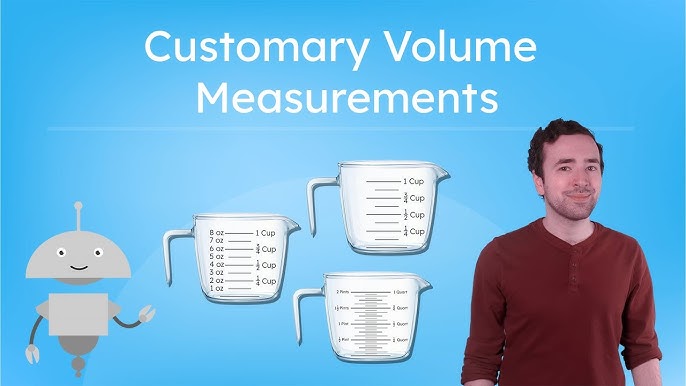
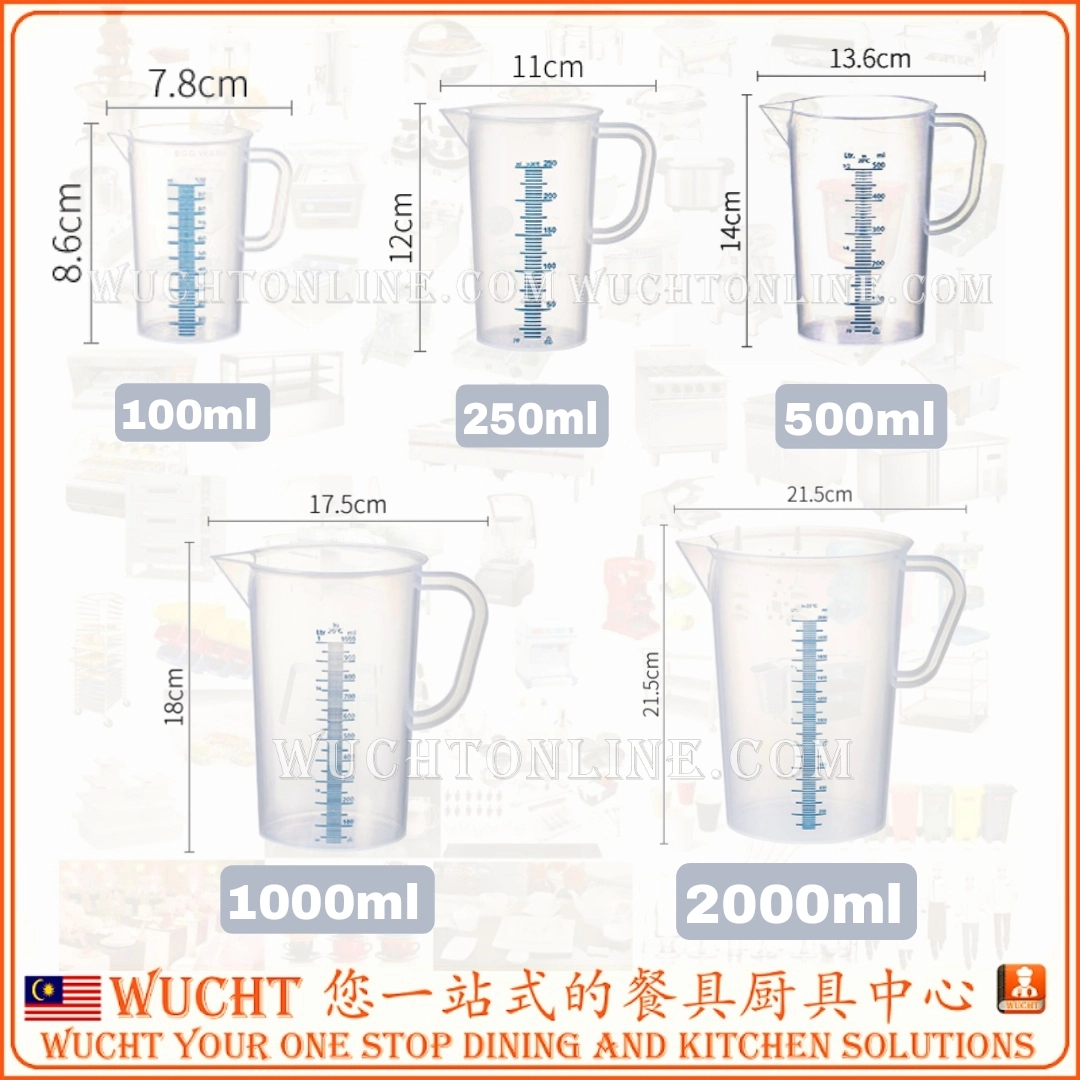
Liquid measuring cups are for measuring water, oil, milk, and other liquids. They have a spout for easy pouring.
These cups usually have clear markings on the side to show different amounts.
- Made of glass or clear plastic
- Markings show cups, ounces, and milliliters
- Measure liquids at eye level for accuracy
Choosing The Right Tools
Measuring a cup accurately helps you get the right amount of ingredients. The tools you use affect your cooking results. Choose tools that match your needs and ingredient types.
Different materials and shapes suit different kinds of measuring tasks. Knowing these details makes your cooking easier and more precise.
Material Considerations
Measuring cups come in various materials. Each material has benefits and limits to consider before you buy or use.
- Plastic:Lightweight and affordable, but can stain or absorb smells.
- Glass:Clear and easy to clean, safe for hot liquids.
- Metal:Durable and long-lasting, but not transparent.
- Silicone:Flexible and heat-resistant, good for sticky ingredients.
Size And Shape
| Type | Common Sizes | Best For |
| Standard Cup | 1 cup, 1/2 cup, 1/3 cup, 1/4 cup | Dry ingredients like flour and sugar |
| Liquid Measuring Cup | 1 cup to 4 cups | Measuring liquids like water, milk, and oil |
| Spoon Set | 1 tablespoon to 1/4 teaspoon | Small amounts of dry or liquid ingredients |
Choose a shape that fits your measuring style. Flat-bottom cups are stable, while angled spouts help pour liquids without spilling.
Proper Measuring Techniques
Measuring ingredients correctly is important for cooking and baking. Using the right tools helps you get the best results.
This guide explains how to measure dry and liquid ingredients properly. It also covers how to level your measurements.
Measuring Dry Ingredients
Use dry measuring cups for ingredients like flour, sugar, and oats. These cups come in sets of different sizes.
Fill the cup until it is over the top. Do not pack the ingredient unless the recipe says so.
- Use a spoon to fill the cup for light ingredients like flour
- Fill the cup until it is slightly overfilled
- Do not shake the cup to settle the ingredient
Measuring Liquid Ingredients
Use a clear liquid measuring cup with a spout for liquids like water, oil, or milk. This helps avoid spills.
Place the cup on a flat surface. Check the measurement at eye level to get an accurate reading.
- Pour liquid slowly to the desired mark
- Look straight at the measurement line
- Use a larger cup for bigger amounts
Leveling Techniques
Leveling makes sure you have the exact amount of dry ingredients. This keeps your recipe balanced.
Use a flat edge like a knife or spatula to scrape off extra ingredient from the top of the measuring cup.
- Fill the cup above the rim
- Hold a flat edge at the cup’s edge
- Slide the edge across to remove excess
Common Measuring Mistakes
Measuring ingredients correctly is key to cooking and baking success. Small mistakes can change the outcome of your recipe.
Many people make simple errors when measuring cups. Knowing these mistakes helps you get better results.
Overpacking Ingredients
Overpacking happens when you press ingredients too hard into the cup. This adds more than the recipe needs.
Flour and brown sugar are often overpacked because they are loose and easy to compress.
- Do not tap or press ingredients down firmly.
- Use a spoon to fill the cup lightly.
- Level off the top with a flat edge for accuracy.
Ignoring Meniscus For Liquids
Liquids form a curve called a meniscus in the measuring cup. Reading the wrong part causes errors.
Always read the measurement at eye level at the bottom of the meniscus for clear liquid.
- Place the cup on a flat surface to measure.
- Get down to eye level with the cup.
- Read the bottom of the curve, not the top.
Tips For Consistent Results
Measuring a cup correctly is important for cooking and baking. Using the same process every time helps you get good results.
Small changes in measuring can change the taste and texture of your food. Follow simple tips to measure with care.
Calibrating Your Measuring Tools
Check your measuring cups before you use them. Make sure they are accurate and not damaged.
Use water to test your cups. Fill the cup and weigh the water to see if it matches the cup size.
- Fill the cup with water to the top line
- Pour water into a kitchen scale container
- Check if the weight matches the cup’s volume (1 cup = 240 ml)
- Adjust or replace cups if the amount is off
Practicing Consistent Methodology
Use the same method every time you measure. This helps avoid mistakes and keeps your cooking reliable.
For dry ingredients, scoop lightly and level off with a flat edge. For liquids, place the cup on a flat surface and read at eye level.
- Spoon dry ingredients into the cup instead of scooping
- Level dry ingredients with a knife or straight edge
- Put liquid measuring cups on a flat surface
- Look at the liquid at eye level for accuracy
Innovative Measuring Tools
Measuring a cup of ingredients is easier with new tools. These tools help you get the right amount every time.
Traditional measuring cups are good, but these innovations make cooking faster and more accurate.
Digital Measuring Cups
Digital measuring cups show the exact weight or volume on a screen. This helps you measure small amounts precisely.
They often have buttons to switch between units like grams, ounces, and milliliters. This makes them very flexible.
- Easy-to-read digital display
- Switch between measurement units
- Some models have tare function to subtract container weight
- Can measure both liquids and dry ingredients
Adjustable Measuring Devices
Adjustable measuring devices let you change the size to measure different amounts. They save space in your kitchen.
These tools often have sliding parts or dials to set the exact cup size you need. This means fewer cups to wash.
- One tool for many measuring sizes
- Easy to adjust for exact amount
- Reduces clutter in your kitchen
- Good for measuring liquids and solids

Credit: rhondasues.com
Maintaining Your Measuring Equipment
Measuring cups and spoons need care to keep them accurate. Clean and store them properly to last longer.
Damaged or worn tools can give wrong measurements. Check them often and replace if needed.
Cleaning And Storage
Cleaning your measuring cups after each use stops residue buildup. Store them in a dry place to avoid damage.
- Wash with warm, soapy water immediately after use
- Dry completely before storing
- Keep them in a drawer or container to avoid dust
- Avoid stacking heavy items on top
- Use a hook or rack for hanging metal measuring cups
Replacing Worn Tools
Over time, measuring tools can fade or warp. This causes wrong amounts in recipes.
| Signs Your Measuring Tool Needs Replacement | Reason |
| Faded or worn measurement marks | Hard to read or inaccurate |
| Cracks or chips | Can cause spills or incorrect volume |
| Warped or bent shape | Does not hold correct amount |
| Rust or corrosion | Unsafe for food use |
Frequently Asked Questions
How Do I Measure A Cup Without A Measuring Cup?
You can use a standard mug or glass as a rough estimate. One cup equals 8 fluid ounces or 240 ml. Use kitchen scales or measuring spoons for more accuracy. Always level off dry ingredients for precise measurement.
What Tools Do I Need To Measure A Cup Accurately?
Use a liquid measuring cup for fluids and dry measuring cups for solids. Liquid cups have a spout for pouring. Dry cups allow leveling ingredients with a flat edge. Kitchen scales provide the most precise measurements.
How Do I Measure A Cup Of Flour Correctly?
Spoon flour into a dry measuring cup gently. Avoid packing it down. Level it off with a flat knife or spatula. This method prevents using too much flour, ensuring recipe accuracy.
Can I Measure A Cup With Tablespoons?
Yes, one cup equals 16 tablespoons. Use tablespoons for small quantities or when no cups are available. This method is less convenient but accurate for precise cooking or baking.
Conclusion
Measuring a cup is simple with the right tools. Use standard measuring cups for dry ingredients. Liquid cups work best for liquids. Always level off dry ingredients for accuracy. Remember, small differences can change your recipe. Practice makes measuring easier and more precise.
Cooking and baking become more fun and successful. Keep these tips in mind every time you cook. Accurate measuring leads to better results and tasty dishes.