Is your air conditioner smelling musty or looking dirty? Mold can easily build up inside your unit, affecting the air you breathe and the efficiency of your AC.
But don’t worry—you don’t need to call a professional or replace your entire system. You’ll discover simple, step-by-step ways to clean mold off your air conditioner safely and effectively. Keep reading to protect your home and breathe fresher air today!

Credit: unitedstatesolutions.com
Identifying Mold In Your Air Conditioner
Mold in an air conditioneroften appears as black, green, or white spots. It usually grows in cool, damp areasinside the unit. Check the air filter, coils, and drain panfor any signs of mold. A musty smellcoming from the AC is a strong sign of mold growth. Mold can cause allergy symptomslike sneezing, coughing, or itchy eyes. It is important to spot mold early to keep your air clean and safe.
Look carefully in areas that hold moisture. Mold grows faster in places where water collects or stays wet. Use a flashlight to see inside the unit well. Wear gloves and a mask while checking to avoid inhaling mold spores.

Credit: www.reddit.com
Gathering Necessary Cleaning Supplies
Start with essential cleaning items to remove mold safely. Gather protective glovesand a face maskto avoid breathing mold spores. Use a soft brushor cloth to clean delicate parts.
Choose a mild detergentor white vinegarto kill mold. Avoid harsh chemicals that can damage the air conditioner. Prepare a spray bottlefor easy application of cleaning solutions.
Have a bucket with warm waterready for rinsing. Keep paper towelsor a dry cloth to wipe surfaces. A screwdrivermight be needed to open the air conditioner casing carefully.
- Protective gloves
- Face mask
- Soft brush or cloth
- Mild detergent or white vinegar
- Spray bottle
- Bucket with warm water
- Paper towels or dry cloth
- Screwdriver (if needed)
Safety Precautions Before Cleaning
Wear protective gearlike gloves and a mask. Mold spores can irritate your skin and lungs. Make sure the air conditioner is turned offand unplugged. This stops any risk of electric shock. Work in a well-ventilated areato avoid breathing in mold. Keep children and pets away from the cleaning space. Use gentle cleaning products that are safe for mold removal. Avoid mixing chemicals, as they can create harmful fumes. Have a bucket of clean water and rags ready for wiping. Wash your hands thoroughly after cleaning to prevent spreading mold spores.
Turning Off And Unplugging The Unit
Always turn offyour air conditioner before cleaning mold. This stops electricity from flowing and keeps you safe. Unplugthe unit from the wall socket to be extra sure. Never clean a plugged-in unit.
Wait a few minutes after turning it off. This lets the parts stop moving. Avoid touching any wires or internal parts before unplugging. Safety first!
- Switch off the power button on the unit.
- Pull the plug out from the wall socket.
- Check the unit is completely off and cool.
Removing And Cleaning Air Filters
Reusable air filters need regular cleaning to work well. Remove the filter carefully from the air conditioner. Use a soft brush or vacuum to remove loose dirt and dust. Wash the filter with warm water and mild soap. Rinse it thoroughly to remove all soap. Let the filter dry completely before putting it back. This stops mold and bacteria growth inside the unit.
Disposable filters cannot be washed. Replace them every 1 to 3 months, depending on use and air quality. Throw away the old filter carefully. Insert a new filter that fits your model. This keeps air clean and prevents mold buildup.

Credit: www.youtube.com
Cleaning The Exterior Of The Unit
Start by turning off and unplugging the air conditioner. Use a soft cloth or sponge dipped in warm water mixed with mild soap. Gently wipe the exterior surfaces to remove dirt and mold spots. Avoid using harsh chemicals that can damage the unit.
For stubborn mold, mix equal parts of water and white vinegar in a spray bottle. Spray the affected areas lightly and let it sit for 10 minutes. Then, wipe clean with a damp cloth. Dry the surface well to stop mold growth.
- Wear gloves to protect your hands.
- Do not let water enter air vents or electrical parts.
- Clean the exterior regularly to prevent mold build-up.
Disassembling The Unit For Internal Cleaning
Unplug the air conditioner to ensure safety. Remove the front cover carefully. Use a screwdriver if needed to open screws. Take out the filter gently to avoid damage. Locate the evaporator coil and other internal parts. Be cautious not to bend any fins. Place all small screws and parts in a container to avoid loss. Use a soft brush or cloth to wipe off loose dust. Avoid using water directly inside the unit at this stage. Proper disassembly helps reach mold hidden inside. Wear gloves and a mask for protection. Keep the workspace clean and organized.
Applying Mold Removal Solutions
Mix equal parts of vinegar and waterin a spray bottle. Spray the solution on the moldy areas of the air conditioner. Let it sit for about an hour. Wipe the area clean with a cloth. Vinegar kills most mold and is safe to use. Repeat if needed for tough mold spots.
Commercial mold removers can be used for stubborn mold. Follow the product instructions carefully. Wear gloves and a mask to protect yourself. Spray the cleaner on the mold and wait for the recommended time. Wipe the surface clean with a cloth. Always ensure good ventilation while using chemical cleaners.
Reassembling And Testing The Unit
Make sure all parts are dry before putting them back together. Carefully place each piece in its correct spot. Check that the screws are tight but not too tight. Plug the unit back into the power source. Turn on the air conditioner and listen for any strange sounds.
Look for proper airflow from the vents. If the unit works well, it is ready to use. If you notice any issues, turn it off and check the parts again. Clean any remaining mold if needed before using the air conditioner again.
Preventing Future Mold Growth
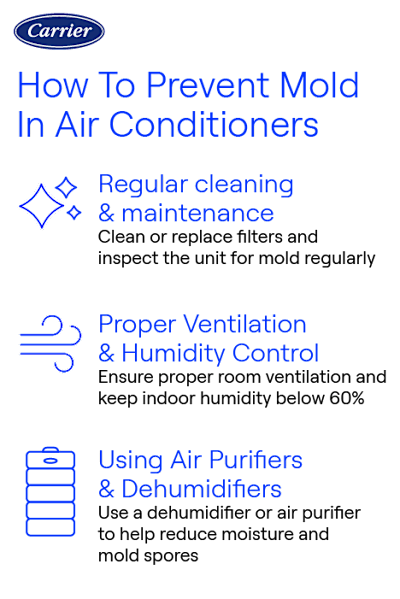
Regular maintenancekeeps mold away from air conditioners. Clean or replace filters every month. Wipe down surfaces to remove dust and moisture. Check for leaks or water buildup inside the unit. Ensure proper drainage to avoid water staying inside.
Control humidityin your home to stop mold growth. Use a dehumidifier if the air feels damp. Keep indoor humidity below 60% for best results. Open windows or use fans to improve airflow. Avoid drying clothes inside, as this adds moisture.
Frequently Asked Questions
How Do I Safely Clean Mold From My Air Conditioner?
Turn off and unplug the AC unit first. Use a mixture of water and white vinegar or a mild detergent. Scrub affected areas gently with a soft brush. Rinse with clean water and dry thoroughly to prevent mold regrowth.
What Causes Mold Growth In Air Conditioners?
Mold grows due to moisture, poor ventilation, and dust buildup inside the AC. Condensation and clogged filters create a damp environment. Regular cleaning and filter changes help prevent mold development and improve air quality.
Can I Use Bleach To Remove Mold From Ac?
Bleach can kill mold but may damage AC parts or release harmful fumes. It’s safer to use vinegar or specialized AC mold cleaners. Always follow product instructions and ventilate the area well when cleaning.
How Often Should I Clean Mold From My Air Conditioner?
Clean your AC every 3 to 6 months to prevent mold buildup. Check filters monthly and replace or clean them as needed. Frequent maintenance ensures better air quality and prolongs your unit’s life.
Conclusion
Cleaning mold off your air conditioner keeps your home fresh and safe. Regular cleaning stops mold from growing back. Use gentle cleaners and wear gloves for protection. Check your AC often to catch mold early. A clean air conditioner works better and lasts longer.
Take small steps to keep your air healthy. Your effort pays off with cleaner air and comfort. Stay consistent, and enjoy a mold-free AC all year.