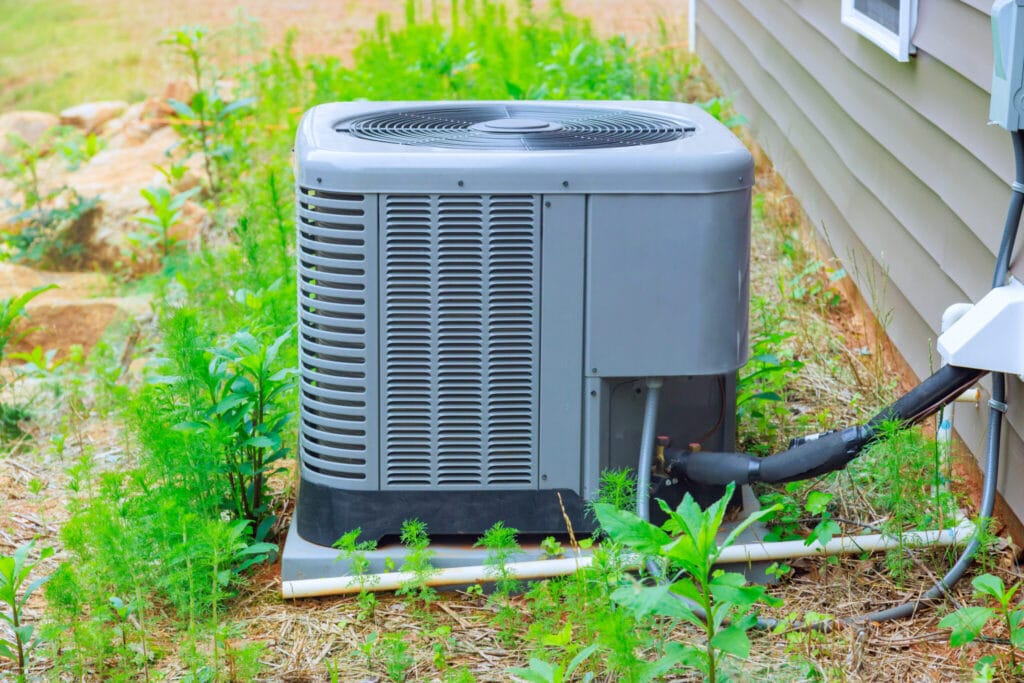
Have you ever wondered how your air conditioner really works? Does it run on gas or electricity?
Understanding this can help you make smarter choices about your energy bills and home comfort. You’ll discover the truth behind what powers your AC and why it matters to you. Keep reading, and you might find some surprising facts that could save you money and keep your home cool more efficiently.

Credit: www.evapolar.com
How Air Conditioners Work
Air conditioners have some basic partsthat work together to cool air. These include the compressor, condenser coil, evaporator coil, and refrigerant. The compressor pumps the refrigerant gas through the system. The condenser coil cools the hot gas, turning it into a liquid. The evaporator coil absorbs heat from the inside air, cooling it down. The refrigerant moves heat from inside the room to outside.
The cooling cyclestarts with the compressor pushing the refrigerant gas. This gas moves to the condenser coil where it cools and changes to liquid. The liquid refrigerant flows into the evaporator coil inside the house. There, it absorbs heat from the room air, turning back into gas. This cools the air, which is blown into the room. The warm gas returns to the compressor to repeat the cycle.
Role Of Electricity In Air Conditioners
Electricity powers the compressor, which is the heart of an air conditioner. The compressor squeezes the refrigerant gas, making it hot and high pressure. This process helps the system move heat from inside to outside.
Besides the compressor, electricity runs the electrical controls and fans. Controls manage temperature settings and turn the unit on or off. Fans blow air over the coils to cool the room or release heat outside.
- Compressor needs constant electric power to work.
- Fans use electricity to move air inside and outside.
- Thermostat and controls rely on electricity for settings.
Role Of Gas In Air Conditioners
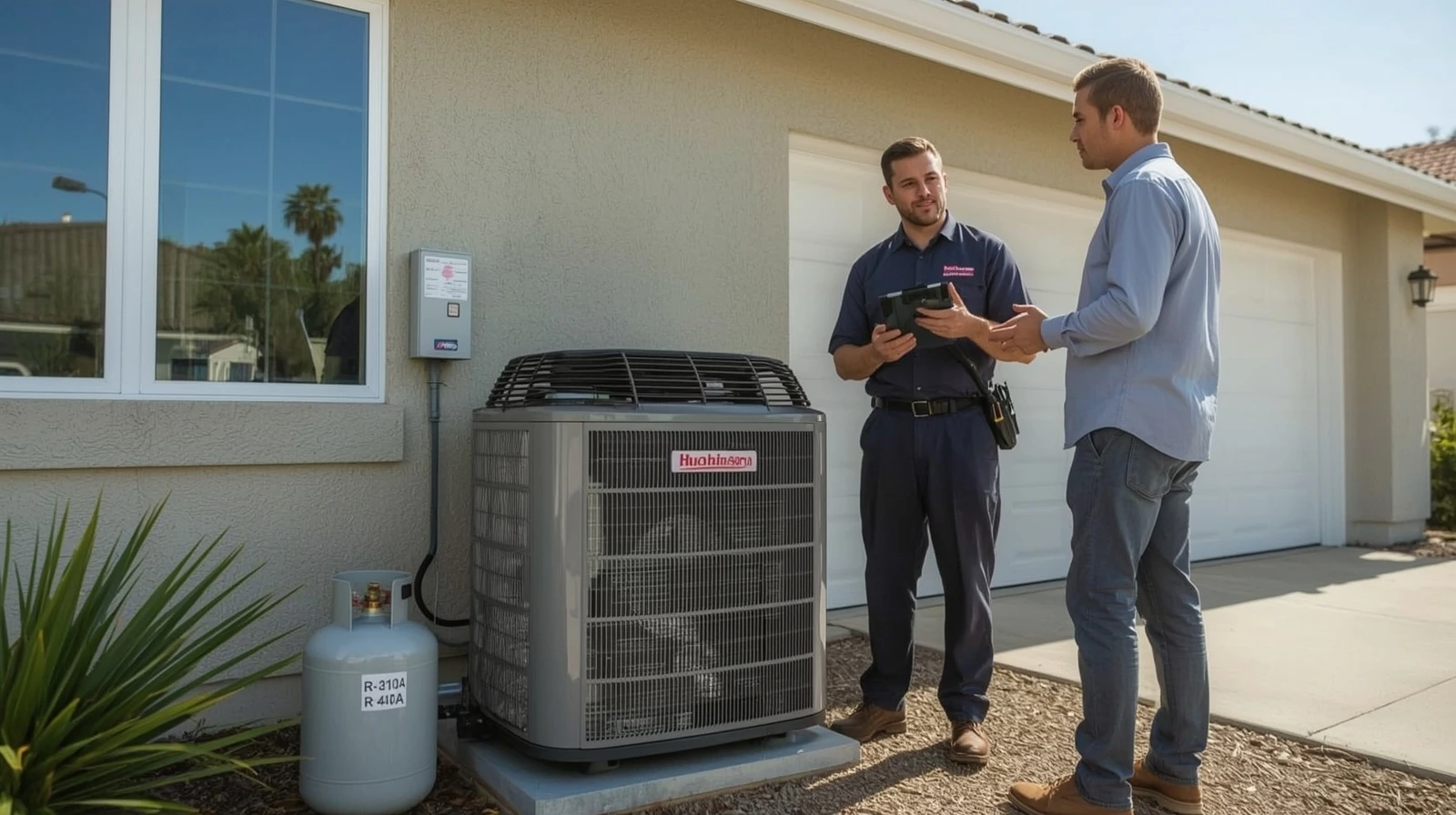
Air conditioners use special gasescalled refrigerants. These gases help cool the air inside your home. Common refrigerants include R-22and R-410A. Each type has different effects on the environment and cooling power.
The refrigerant moves through pipes inside the air conditioner. It changes from a gas to a liquid and back again. This process absorbs heatfrom the indoor air and releases it outside. This is how the air gets cooler.
- Refrigerants carry heat from inside to outside.
- They cycle between gas and liquid states.
- This cycling cools the air in your home.
- Different refrigerants have different cooling strengths.
Credit: hvac-temecula-murrieta.com
Differences Between Gas And Electricity Usage
Gas-powered air conditionersoften use natural gas or propane. They can be more energy efficientfor heating in cold climates. Electric air conditioners use electricityto run compressors and fans.
Electric units are common in many homes and are easier to install. Gas units might save money in places where gas is cheaper than electricity.
| Aspect | Gas Air Conditioner | Electric Air Conditioner |
|---|---|---|
| Energy Efficiency | Often better for heating in cold weather | Efficient cooling, less efficient heating |
| Environmental Impact | Burns fossil fuels, creates emissions | May use cleaner energy, depends on electricity source |
Common Myths About Air Conditioner Energy Use
Many people think air conditioners run on gas. Actually, most use electricityto cool your home. Some systems use gas for heating, but not for cooling.
Electricity powers the compressor and fan in air conditioners. Gas is rarely involved in this process. So, saying air conditioners use gas to cool is a common myth.
- Gas is mostly for heating, not cooling.
- Electricity drives the cooling cycle.
- Air conditioners do not burn gas like a stove.
Many also think air conditioners use too much electricity. Actually, modern units are energy efficient. They use less power than old models and keep homes cool without high bills.
Energy use depends on size and settings. Using a smart thermostatcan help save electricity. Turning off the AC when not home also reduces usage.
Tips For Energy-efficient Air Conditioner Use
Regular maintenancekeeps air conditioners working well. Cleaning or replacing filters often helps air flow better. Checking for leaks and cleaning coils saves energy. Regularly scheduled service can catch small problems early. This stops big repairs and keeps cooling efficient.
Smart thermostat usagecontrols temperature with ease. Setting the thermostat higher when not home saves energy. Using a programmable thermostat adjusts cooling based on your schedule. This avoids cooling empty rooms. Smart thermostats can learn your habits and lower bills.

Credit: www.evapolar.com
Frequently Asked Questions
Does An Air Conditioner Use Gas Or Electricity?
Air conditioners primarily use electricity to operate their compressors and fans. They do not burn gas for cooling but use refrigerants to transfer heat. Some older or specialized units may use gas for heating, but cooling functions rely on electric power.
How Does An Air Conditioner Use Electricity?
An air conditioner uses electricity to power its compressor, condenser fan, and evaporator fan. These components work together to circulate refrigerant and remove heat from indoor air, providing cooling. The electric energy enables the mechanical and electrical processes needed for temperature control.
Can Air Conditioners Run On Gas Instead Of Electricity?
Most air conditioners do not run on gas for cooling. However, gas-powered heat pumps or furnaces can provide heating. Cooling typically relies on electrically powered refrigeration cycles using refrigerants, making electricity the main energy source for air conditioning.
What Role Does Refrigerant Play In Air Conditioning?
Refrigerant is a special fluid that absorbs and releases heat during the air conditioning cycle. It circulates through coils, changing states between liquid and gas. This process removes heat from indoor air, enabling the cooling effect powered by electricity.
Conclusion
Air conditioners mainly use electricity to run. Some models use gas for heating, but not for cooling. Electricity powers the compressor, fan, and other parts. Knowing this helps you understand energy bills better. Choosing the right type depends on your needs and local energy costs.
Now, you can make smarter choices about cooling your home. Simple and clear—air conditioners mostly rely on electricity, not gas.