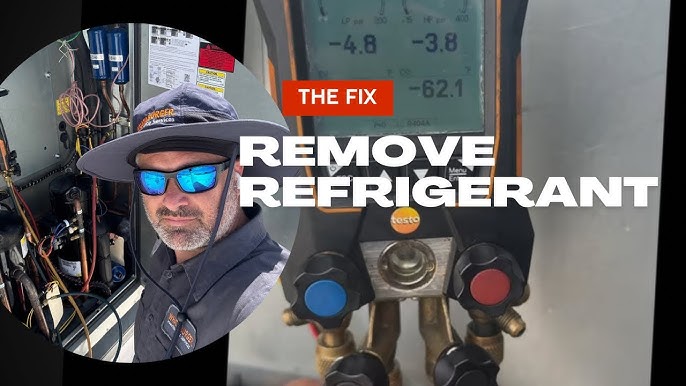
Is your air conditioner not working the way it should? Removing Freon might be the key to fixing it.
But handling Freon isn’t something you want to guess about. You need clear, simple steps to do it safely and effectively. You’ll learn exactly how to remove Freon from your air conditioner without stress or confusion. Keep reading to protect your home, your health, and your wallet.
Understanding Freon In Air Conditioners
Freonis a type of refrigerant used in many air conditioners. It helps cool the air by moving heat from inside to outside. Freon is a gas that changes into liquid and back to gas during this process.
Handling Freon needs care. It is harmful to the environment and can be dangerous to health. Only trained people should remove or refill Freon in an air conditioner.
Signs that Freon might need removal or refilling include:
- Air conditioner not cooling well
- Ice forming on the coils
- Hissing sounds near the unit
Proper tools and safety gear are important. This keeps you safe and prevents leaks.

Credit: www.youtube.com
Safety Precautions
Wearing protective gearis very important. Use gloves to protect your hands from cold and chemicals. Safety goggles keep your eyes safe from harmful gas. A long-sleeved shirt and pants help protect your skin.
Good ventilationhelps keep the air fresh. Open windows and doors to let fresh air in. This stops harmful Freon gas from building up inside.
| Legal Considerations | Details |
|---|---|
| Certification | Only certified people can handle Freon safely and legally. |
| Disposal | Freon must be disposed of following local laws to avoid fines. |
| Reporting | Some areas need you to report Freon removal to authorities. |
Tools And Equipment Needed
Recovery Machinesafely pulls Freon from the air conditioner. It stops gas from escaping into the air. This machine helps keep the environment clean.
Refrigerant Storage Cylinderstores the recovered Freon. It is made to hold gas under pressure. Using this cylinder prevents leaks and harm.
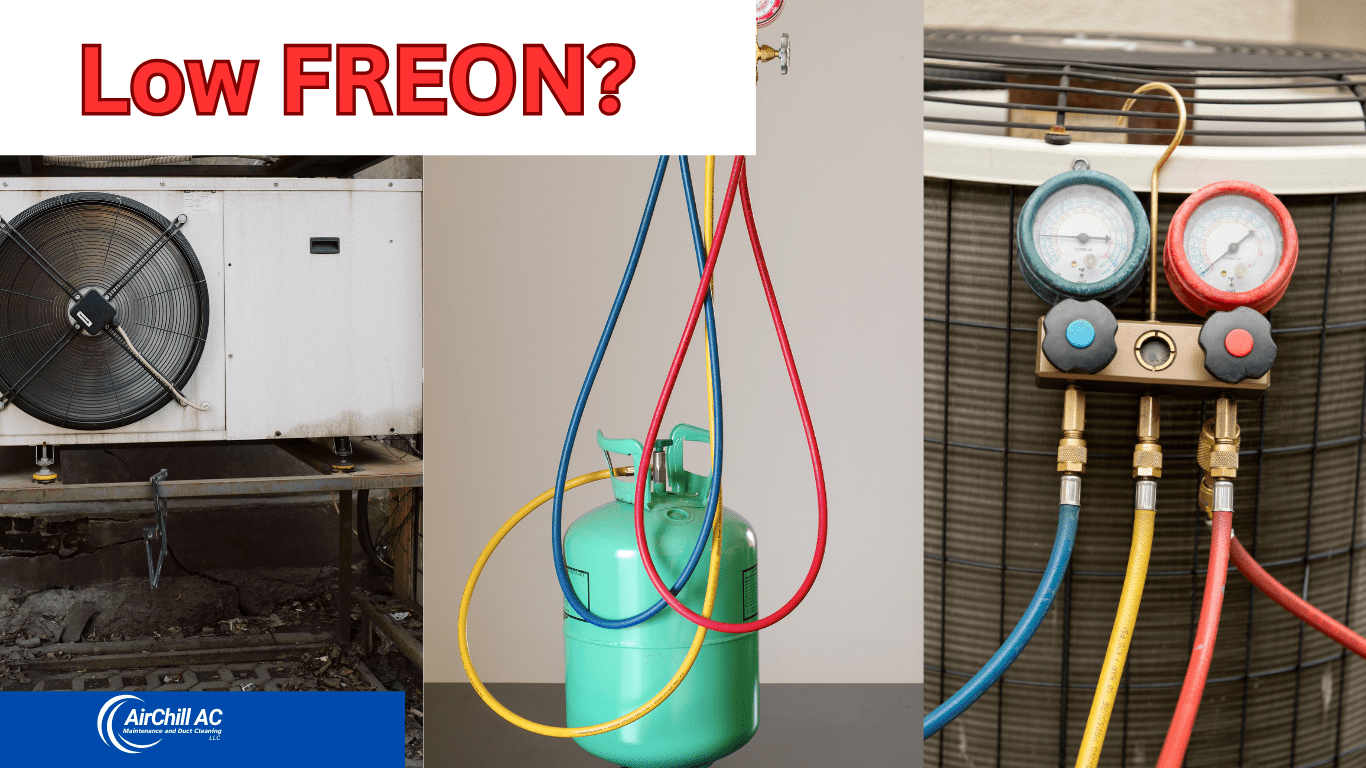
Manifold Gauge Setmeasures pressure inside the air conditioner system. It shows if the Freon is fully removed. This tool is key for a safe process.

Credit: www.youtube.com
Locating The Service Ports
Locate the service portson the air conditioner to start. These ports let you connect gauges and tools to the system. Usually, there are two ports:
- Low-pressure port: Larger and connected to the suction side.
- High-pressure port: Smaller and attached to the discharge side.
Both ports have protective caps that must be removed carefully. Look for labels or markings near the ports for easy identification.
To access the air conditioner unit, open the panel or cover gently. Use a screwdriver if necessary. Make sure the unit is off before touching anything. This helps keep you safe and avoids damage.
Once open, you can see the service ports clearly. They are near the compressor or on the refrigerant lines. Double-check the location before proceeding with any work.
Connecting The Recovery Machine
Attach the manifold gauges securely to the air conditioner service ports. The blue hose connects to the low-pressure port, and the red hose connects to the high-pressure port. Make sure the connections are tight to avoid leaks.
Check the seals on the hoses and gauges carefully. Tight seals prevent Freon from escaping during recovery. Use new O-rings if old ones look worn or cracked. Proper sealing is key for safe Freon removal.
- Connect blue hose to low-pressure port
- Connect red hose to high-pressure port
- Ensure all connections are tight
- Inspect seals and replace if damaged
- Double-check for leaks before starting
Operating The Recovery Machine
Operating the recovery machine safely captures Freon from the air conditioner. Connect the machine properly and follow instructions to avoid leaks. This process helps protect the environment and prepares the system for repairs.
Starting The Recovery Process
Connect the recovery machine to the air conditioner carefully. Make sure all hoses are tight and secure. Turn on the machine and open the valves slowly. Watch the pressure gauges closely. The machine will begin to pull the Freon out. This process might take some time. Stay near the machine to check for leaks or problems.
Monitoring Gauge Readings
Pressure gauges show how much Freon is inside. Readings should drop steadily during recovery. If pressure stays high, there might be a blockage. If it drops too fast, check for leaks. Keep an eye on the machine’s temperature. Overheating can cause damage. Stop the process if anything seems wrong. Safety first, always.
Storing Recovered Freon
The refrigerant cylindermust be clean and dry before use. It stores the recovered freon safely. Always check the cylinder for any dents or rust. This ensures no leaks during storage.
Labeling the cylinder is very important. Use a clear label showing the type of freon inside. Also, note the date of recovery. This helps with tracking and future use.
- Use strong tape or metal tags for labeling.
- Keep the label visible at all times.
- Secure the cylinder valve with a protective cap.
- Store the cylinder upright on a flat surface.
- Keep it in a cool, dry place away from heat sources.
Never store cylinders near flames or direct sunlight. Proper storage keeps freon safe and prevents accidents.
Checking For Leaks And Final Steps
Carefully inspect all connectionsaround the air conditioner. Look for cracks, rust, or loose fittings. These can cause Freon leaks. Use a flashlight for better visibility.
Check the valves and hosesfor damage. Tighten any loose parts using proper tools. A secure system helps keep Freon inside.
Listen for any hissing soundswhich might show a leak. Use soapy water on joints to spot bubbles that indicate leaks.
| Action | Purpose |
|---|---|
| Inspect connections | Find leaks and weak spots |
| Tighten fittings | Prevent Freon escape |
| Listen for hissing | Detect gas leaks |
| Use soapy water | Spot bubbles on leaks |
Ensure the system is fully sealedbefore refilling Freon or finishing repairs. A strong, tight system keeps the air conditioner working welland safe.
Credit: airchillac.com
Frequently Asked Questions
What Is Freon In An Air Conditioner?
Freon is a refrigerant used in air conditioners to absorb heat. It helps cool indoor air by circulating through the system’s coils. Proper handling of Freon is essential to maintain efficiency and prevent environmental harm.
Can I Remove Freon From My Air Conditioner Myself?
Removing Freon requires special equipment and certification. It is not recommended to do it yourself due to safety and legal regulations. Hiring a licensed HVAC technician ensures safe and proper removal.
Why Should Freon Be Removed Safely?
Freon contains chemicals harmful to the environment and human health. Improper release can cause ozone depletion and respiratory issues. Safe removal prevents leaks and complies with environmental laws.
How Is Freon Removed From An Air Conditioner?
Technicians use recovery machines to extract Freon safely. The gas is captured, stored, and recycled or disposed of responsibly. This process prevents harmful emissions and protects system components.
Conclusion
Removing Freon from your air conditioner requires care and the right tools. Always follow safety steps to protect yourself and the environment. Use proper equipment to capture and store the Freon safely. Avoid releasing it into the air, as it harms the ozone layer.
If unsure, seek help from a certified technician. Proper Freon removal keeps your AC working well and safe. Remember, handling refrigerants responsibly benefits everyone. Take your time and do it right.