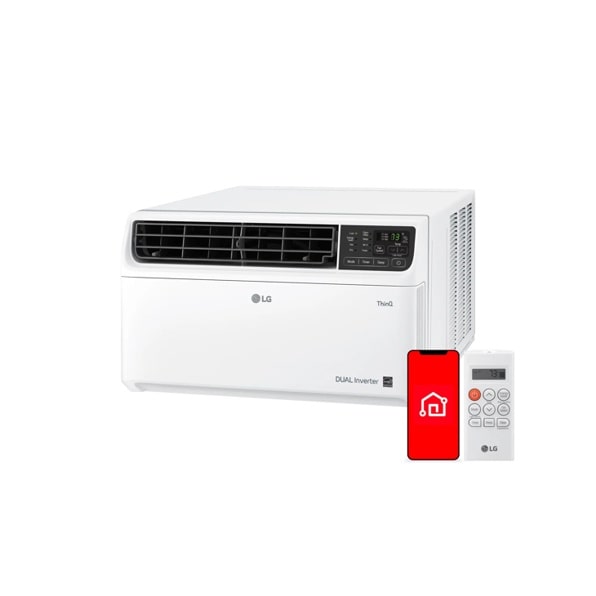
Are you tired of high electricity bills and uneven cooling in your home? If so, understanding what an inverter air conditioner is could change the way you stay comfortable.
This type of AC is designed to save energy while keeping your room at the perfect temperature. Imagine having a system that adjusts itself to your needs without constantly switching on and off. Curious to know how it works and why it might be the best choice for you?
Keep reading, and you’ll discover everything you need to make a smart decision for your cooling needs.
Basics Of Inverter Air Conditioners
An inverter air conditioner uses a special technology to control its cooling power. It adjusts the speed of the compressor motor to save energy. This makes it different from regular air conditioners that turn on and off.
Inverter ACs provide steady cooling by running at variable speeds. This helps keep the room temperature more stable and reduces electricity use.
The inverter controls the compressor speed to match the cooling demand. It slows down when less cooling is needed and speeds up when more is required. This process avoids frequent stopping and starting.
- Uses less electricity than traditional ACs
- Keeps room temperature steady and comfortable
- Reduces noise due to variable compressor speed
- Lasts longer because of fewer start-stop cycles
- Warms or cools the room faster
Difference Between Inverter And Non-inverter Acs
| Feature | Inverter AC | Non-Inverter AC |
| Compressor Speed | Variable speed | Fixed speed (on/off) |
| Energy Use | Lower | Higher |
| Temperature Control | Stable | Fluctuates |
| Noise Level | Quieter | Louder |
| Initial Cost | Higher | Lower |
How Inverter Technology Works
Inverter air conditioners use special technology to control the compressor speed. This helps save energy and keeps the room temperature steady.
The inverter adjusts power based on the cooling needs. It runs at different speeds instead of just on or off.
Variable Compressor Speed
The key part is the variable speed compressor. It changes how fast it runs to match cooling demand. This avoids wasteful energy use.
Energy Efficiency
By running at lower speeds when less cooling is needed, the inverter saves electricity. It uses only the power needed to keep comfort.
- Reduces power consumption
- Lowers electricity bills
- Decreases wear on the compressor
- Provides quieter operation
Maintaining Stable Temperature
The inverter keeps the room temperature steady. It avoids big swings by adjusting compressor speed smoothly.
Comparison With Non-inverter Air Conditioners
| Feature | Inverter AC | Non-Inverter AC |
| Compressor Speed | Variable | Fixed On/Off |
| Energy Use | Lower | Higher |
| Temperature Control | Stable | Fluctuates |
| Noise Level | Quieter | Louder |
Benefits Of Inverter Air Conditioners
An inverter air conditioner adjusts its compressor speed to control temperature. This makes it different from regular air conditioners that turn on and off.
Inverter air conditioners offer many benefits that improve comfort and save energy.
Energy Efficiency
Inverter air conditioners use less electricity than traditional models. They run at variable speeds, which helps save power.
By not turning the compressor on and off repeatedly, they reduce energy waste and lower your bills.
Consistent Temperature
Inverter air conditioners keep the room temperature steady. They adjust their cooling power smoothly instead of switching fully on or off.
This avoids sudden hot or cold changes and creates a more comfortable environment.
Quieter Operation
Inverter air conditioners run more quietly than regular units. The compressor works at lower speeds, which reduces noise.
This makes them ideal for bedrooms, offices, and other quiet places.
Extended Lifespan
Because inverter air conditioners avoid frequent start-stop cycles, their parts suffer less wear and tear. This helps them last longer.
Regular air conditioners turn on and off often, which can shorten their lifespan.
Comparing Inverter And Non-inverter Models
Inverter and non-inverter air conditioners work differently to cool rooms. Each type has its own way of controlling the compressor.
This affects how much energy they use, how much they cost, and how well they perform. Let’s look at the differences.
Energy Consumption
Inverter air conditioners use a variable-speed compressor. They adjust power based on the room’s temperature.
Non-inverter models use a fixed-speed compressor. It turns on and off to keep the temperature steady.
- Inverter models save energy by running at lower power levels.
- Non-inverter models use more energy because of frequent starts and stops.
- Inverter air conditioners keep temperature more stable.
Cost Implications
Inverter air conditioners cost more to buy than non-inverter models. The technology is more advanced.
Non-inverter air conditioners have a lower upfront price. They are simpler in design.
- Inverter models may save money on electricity bills over time.
- Non-inverter models have higher running costs due to energy use.
- Consider how long you plan to use the air conditioner.
Performance Differences
Inverter air conditioners cool rooms faster. They adjust power smoothly to keep the temperature steady.
Non-inverter models cycle on and off. This causes temperature swings and noise.
- Inverter models run quieter and provide steady cooling.
- Non-inverter models may feel less comfortable due to temperature changes.
- Inverter air conditioners can last longer with less wear on parts.
Choosing The Right Inverter Air Conditioner
Inverter air conditioners save energy by adjusting their speed. Choosing the right one makes your room comfortable and reduces costs.
Look at factors like room size, cooling power, and extra features. These help pick the best unit for your needs.
Room Size Considerations
Measure your room before buying an air conditioner. A small unit may not cool a big room well. A large unit might waste energy in a small room.
- Measure the length and width of the room
- Calculate the area by multiplying length by width
- Consider ceiling height if higher than usual
- Note windows and sun exposure
Btu And Cooling Capacity
BTU means British Thermal Unit. It shows how much heat the AC can remove per hour. Match BTU to your room size for best results.
| Room Size (sq ft) | Recommended BTU |
| 100 to 150 | 5,000 to 6,000 |
| 150 to 250 | 6,000 to 8,000 |
| 250 to 350 | 8,000 to 10,000 |
| 350 to 450 | 10,000 to 12,000 |
| 450 to 550 | 12,000 to 14,000 |
Additional Features
Extra features can improve comfort and ease of use. Look for options that suit your lifestyle and budget.
- Energy-saving modes to reduce power use
- Quiet operation for less noise
- Air filters to improve air quality
- Smart controls for remote operation
- Dehumidification to reduce moisture

Credit: www.amazon.com
Installation And Maintenance Tips
An inverter air conditioner saves energy by adjusting its compressor speed. Proper care helps it work well for many years. Good installation and regular maintenance keep it efficient and reliable.
This guide covers key tips for installing and maintaining your inverter air conditioner. It also helps you fix common problems easily.
Professional Installation
Always hire a trained technician to install your inverter air conditioner. Proper setup ensures the unit runs smoothly and lasts longer.
The technician will check the right location, proper wiring, and correct refrigerant levels. Poor installation may cause damage or reduce efficiency.
- Choose a shaded, ventilated spot for the outdoor unit
- Ensure indoor unit is away from heat sources
- Use proper electrical connections and circuit breakers
- Check refrigerant charge and leak tightness
- Secure mounting to reduce noise and vibration
Regular Maintenance
Cleaning and checking your inverter air conditioner regularly keeps it working well. It also helps save energy and avoids costly repairs.
Focus on filters, coils, and drainage to prevent blockages and damage.
- Clean or replace air filters every 1-2 months
- Remove dust from indoor and outdoor coils
- Check drainage pipes to avoid water leaks
- Inspect electrical parts for wear or damage
- Schedule annual professional servicing
Troubleshooting Common Issues
If your inverter air conditioner stops cooling or makes noise, try simple fixes first. Many issues come from dirty filters or blocked airflow.
Knowing these tips can save time and money before calling a technician.
- Clean or replace filters if airflow is low
- Clear any objects blocking the outdoor unit
- Reset the unit by turning it off and on
- Check for unusual sounds and note their source
- Ensure remote control batteries work properly
Environmental Impact
Inverter air conditioners use technology that adjusts power to cool rooms efficiently. This helps lower energy use and reduce pollution. Understanding their environmental impact can guide better choices.
This section explains how inverter air conditioners help reduce carbon footprints and use eco-friendly refrigerants to protect the planet.
Reducing Carbon Footprint
Inverter air conditioners save energy by running only at needed levels. They avoid wasting power with constant on/off cycles. This reduces the amount of greenhouse gases released into the air.
- Use less electricity than traditional units
- Lower carbon dioxide emissions
- Help decrease global warming effects
- Improve energy efficiency ratings
- Support sustainable living goals
Eco-friendly Refrigerants
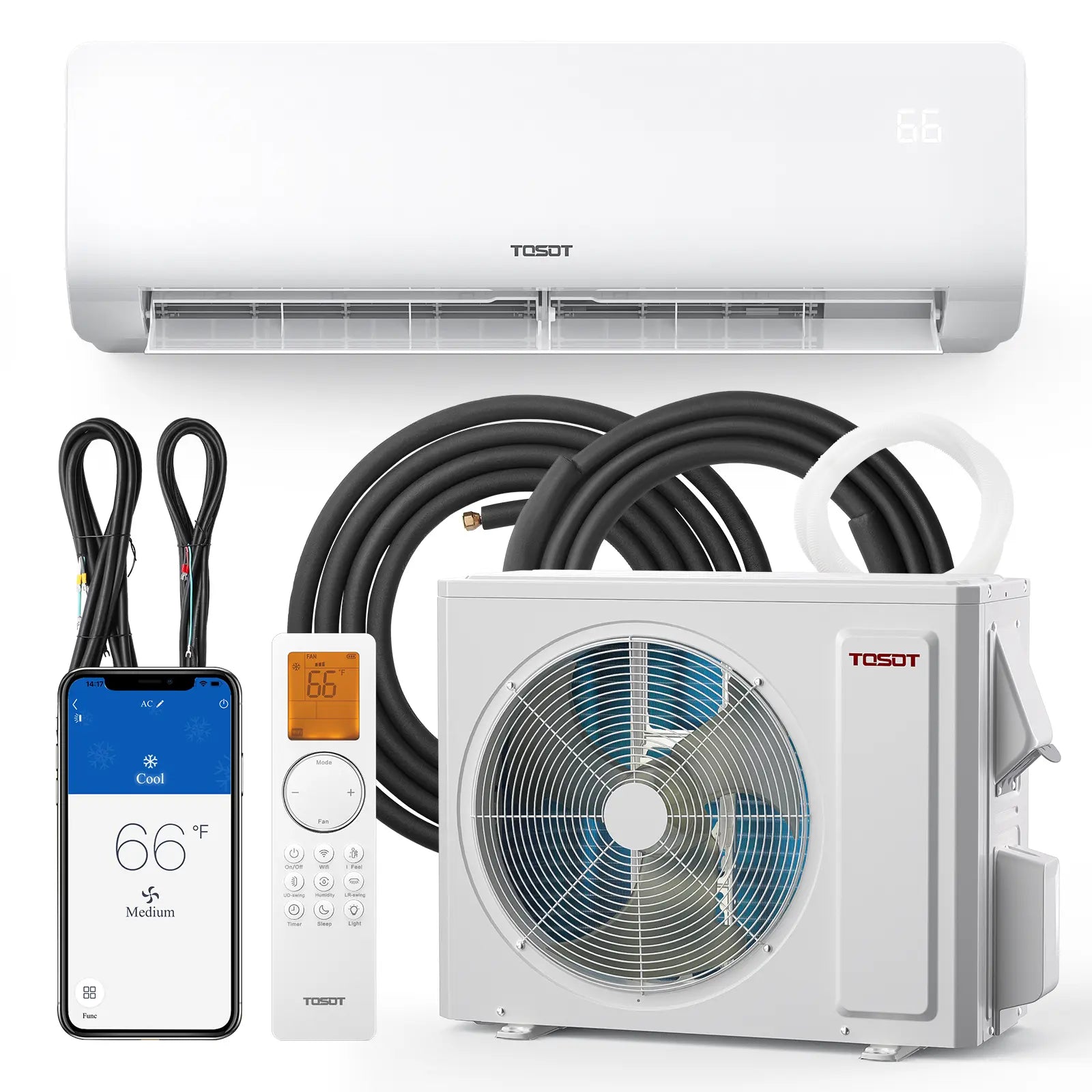
Refrigerants in air conditioners can harm the environment if they leak. New inverter models use safer refrigerants that have less impact on the ozone layer and global warming.
| Refrigerant Type | Environmental Impact | Common Use |
| R410A | Zero ozone depletion, moderate global warming potential | Many new AC models |
| R32 | Lower global warming potential than R410A, zero ozone depletion | Increasingly popular in inverter ACs |
| R290 (Propane) | Very low global warming potential, natural refrigerant | Used in some eco-friendly units |
Credit: tosotdirect.com
Future Trends In Inverter Air Conditioners
Inverter air conditioners are changing to meet new needs. They use less energy and work more quietly.
New trends focus on smart features and better energy saving. These changes help users save money and stay comfortable.
Smart Technology Integration
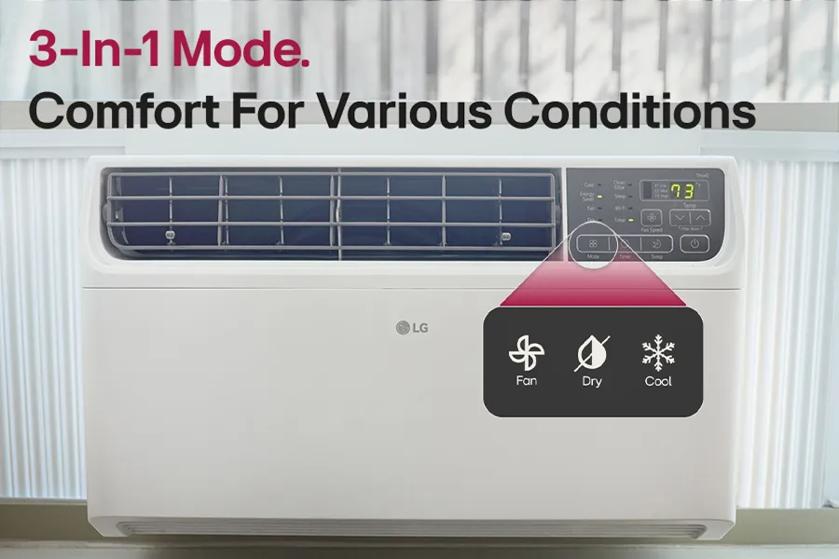
Smart technology lets users control air conditioners remotely. They can use apps or voice commands for easy control.
These systems learn user habits and adjust settings automatically. This makes the air conditioner more efficient and comfortable.
- Remote control via smartphone apps
- Voice assistant compatibility
- Automatic temperature adjustment
- Real-time energy usage monitoring
Advanced Energy Saving Features
New inverter air conditioners use better sensors to save energy. They adjust power based on room size and temperature.
Some models have eco modes that reduce energy use during low cooling needs. This lowers electricity bills and helps the environment.
- Smart sensors for precise cooling
- Eco modes for low power use
- Improved compressor technology
- Energy-efficient refrigerants
Credit: www.lg.com
Frequently Asked Questions
What Is An Inverter Air Conditioner?
An inverter air conditioner uses a variable-speed compressor to control temperature efficiently. It adjusts cooling power, saving energy and reducing electricity bills compared to traditional ACs.
How Does An Inverter Ac Save Energy?
Inverter ACs save energy by adjusting compressor speed to maintain a consistent temperature. This avoids frequent starts and stops, resulting in lower power consumption and increased efficiency.
Are Inverter Air Conditioners Cost-effective?
Yes, inverter air conditioners are cost-effective over time. Though they have a higher upfront cost, their energy efficiency and reduced electricity bills make them economical in the long run.
What Are The Benefits Of Inverter Acs?
Inverter ACs offer energy savings, quieter operation, and faster cooling. They maintain stable temperatures and extend the compressor’s lifespan, providing comfort and durability.
Conclusion
Inverter air conditioners save energy by adjusting cooling power. They keep room temperature steady without turning on and off often. This makes them quieter and more comfortable to use. Though they may cost more at first, they reduce electricity bills over time.
Choosing an inverter air conditioner means choosing smart cooling for your home. It helps the environment and your wallet too. Simple, efficient, and reliable—these units fit well in many homes. Consider one if you want steady cool air and lower energy use.