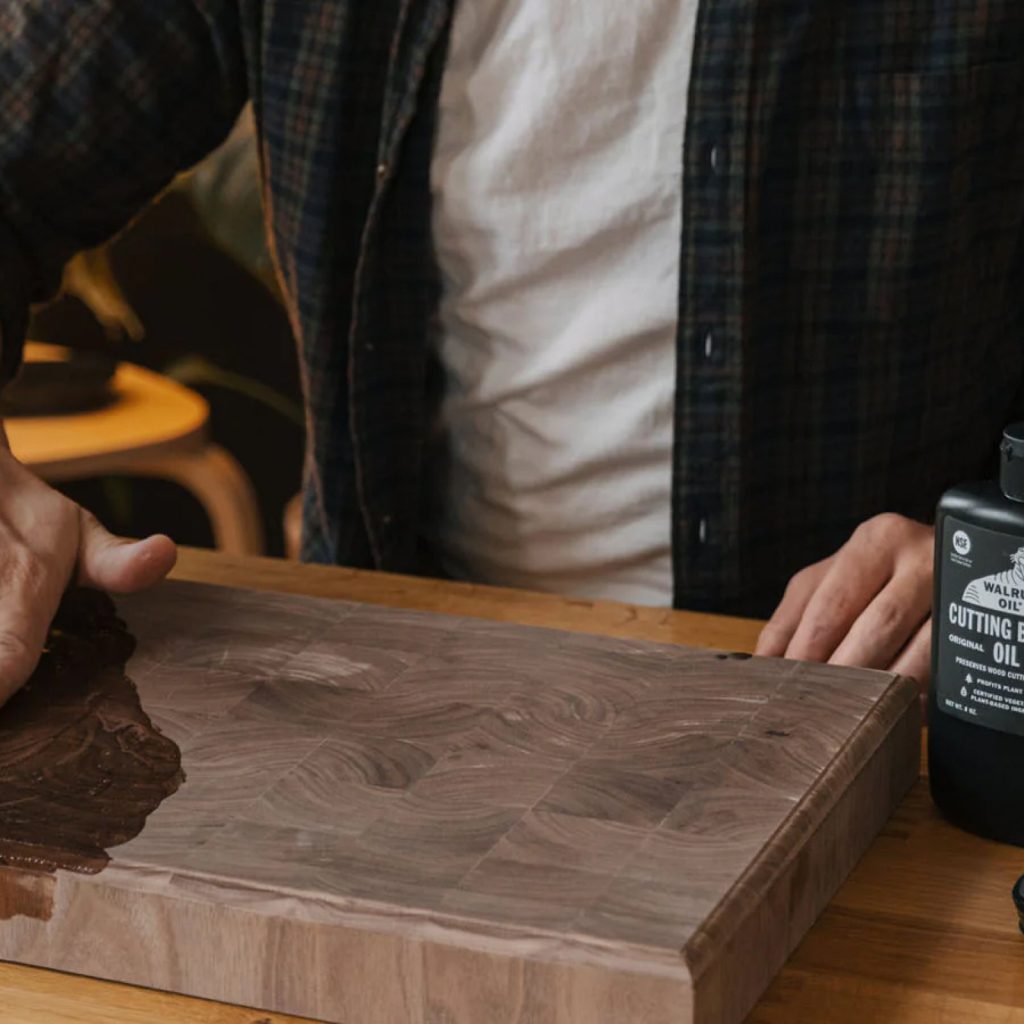
Your cutting board works hard every day, chopping, slicing, and dicing your favorite meals. But have you ever thought about how to keep it in top shape?
Oiling your cutting board is a simple step that can make a huge difference in its lifespan and performance. If you want to protect your board from cracks, stains, and bacteria, learning how to oil it properly is essential. Keep reading, and you’ll discover easy tips that will help your cutting board stay strong and beautiful for years to come.

Credit: homewithgraceandjoy.com
Importance Of Oiling Cutting Boards
Oiling a cutting board keeps it in good shape and lasts longer. It protects the wood from drying out and cracking.
Regular oiling also stops water and stains from soaking into the board. It helps keep the board clean and safe to use.
Prevents Cracks And Warping
Wood can dry out if it is not oiled. Dry wood may crack or warp, making the board unsafe.
Oiling adds moisture to the wood. This keeps the board smooth and flat for cutting.
Protects Against Water Damage
Cutting boards get wet from washing and food juices. Water can soak into dry wood and cause damage.
Oiling creates a barrier. It stops water from soaking in and helps the board dry faster.
Maintains A Clean And Safe Surface
Oiled boards resist stains and odors better than dry wood. This keeps your board looking fresh.
A well-oiled board is less likely to harbor bacteria. This makes it safer for food preparation.
Enhances The Wood’s Natural Beauty
Oiling brings out the color and grain of the wood. It makes the board look attractive.
A polished board can add a nice touch to your kitchen decor.
Choosing The Right Oil
Oiling your cutting board helps protect it from drying and cracking. Picking the right oil keeps your board safe and clean.
Some oils work better than others. Knowing which to use is important for your health and the board’s life.
Types Of Oils
Many oils can be used on wood cutting boards. Each type has its own benefits and risks.
- Mineral oil: Popular and safe for food use.
- Coconut oil: Natural and smells nice but can go rancid.
- Walnut oil: Good for wood but may cause allergies.
- Vegetable oil: Not recommended as it can spoil.
- Olive oil: Tends to become sticky over time.
Food-safe Options
Use oils that do not harm your health or food safety. These oils soak into the wood and last longer.
| Oil Type | Food Safe | Notes |
| Mineral Oil | Yes | Non-toxic and odorless |
| Coconut Oil | Yes | Natural but can go rancid |
| Walnut Oil | Yes | May cause allergies |
| Vegetable Oil | No | Can spoil and smell bad |
| Olive Oil | No | Sticky and can become rancid |
Avoiding Harmful Oils
Some oils damage your cutting board or food safety. Avoid these to keep your board clean and safe.
- Do not use cooking oils like canola or sunflower.
- Avoid oils that dry hard and crack, like linseed or tung oil.
- Stay away from oils with additives or perfumes.
- Do not use motor oils or non-food-grade oils.
Preparing Your Cutting Board
Oiling your cutting board helps keep it strong and safe. Before oiling, you must prepare the surface well. This guide shows you how to clean and dry your board properly.
Good preparation improves how well the oil protects the wood. Follow these simple steps carefully for the best results.
Cleaning The Surface
Start by removing all dirt and food from your cutting board. Use warm water and mild soap to clean the surface. Avoid soaking the board in water to prevent damage.
- Scrub the board gently with a soft sponge or cloth.
- Use a mixture of lemon juice and salt for tough stains.
- Rinse the board well with warm water.
- Wipe off extra water with a clean towel.
Drying Thoroughly
Drying your cutting board completely is important before applying oil. Moisture left inside the wood can cause mold or warping.
| Drying Method | Time Needed | Tips |
| Air Dry | Several hours to overnight | Place board upright in a well-ventilated area |
| Towel Dry | 5–10 minutes | Use a clean, dry cloth to remove surface water |
| Sun Dry | 1–2 hours | Keep board out of direct sun for too long to avoid cracks |

Credit: woodforchef.com
Applying The Oil
Oiling your cutting board keeps it strong and safe for food. It stops the wood from drying out and cracking.
Using the right oil and applying it properly helps your board last longer and look better.
Tools Needed
- Food-grade mineral oil
- Clean, soft cloth or paper towel
- Plastic or silicone brush (optional)
- Dry cutting board
- Gloves (optional for sensitive skin)
Step-by-step Application
- Make sure the cutting board is clean and dry before applying oil.
- Pour a small amount of mineral oil onto the board surface.
- Use a cloth or brush to spread the oil evenly over all sides.
- Let the oil soak into the wood for at least 20 minutes.
- Wipe off any extra oil with a clean, dry cloth.
- Allow the board to dry completely before using it again.
Letting The Oil Absorb
Oiling a cutting board protects the wood and keeps it strong. Letting the oil soak in well helps the board last longer.
After applying oil, give it time to enter the wood fibers. This process keeps the board safe from drying and cracking.
Recommended Absorption Time
Let the oil sit on the board for at least 4 hours. This time allows the wood to soak up the oil deeply.
For best results, leave the board overnight. This longer time helps the oil reach all parts of the wood.
- Minimum absorption time: 4 hours
- Ideal absorption time: 8 to 12 hours
- Overnight absorption ensures full protection
Signs Of Proper Absorption
The board looks darker after oiling. This change means the oil has entered the wood.
The surface feels smooth but not sticky. Sticky oil means it needs more time to absorb.
- Wood color deepens and looks rich
- Surface is dry to touch, not sticky
- No puddles or shiny spots remain
Removing Excess Oil
Oiling a cutting board helps keep it healthy and strong. Too much oil can leave a sticky surface.
Removing extra oil is important to keep the board clean and ready for use.
Proper Techniques
After applying oil, wait a few minutes to let it soak in. Then wipe off any extra oil.
Use a clean, dry cloth to rub the surface gently. This stops the board from feeling oily or sticky.
- Apply oil in thin layers
- Let oil absorb for 10-15 minutes
- Wipe off oil with soft cloth
- Repeat if board still feels dry
Tools For Removal
Use tools that absorb oil well without scratching the wood. Soft cloths work best.
Paper towels and microfiber cloths are great. Avoid rough sponges or brushes that can damage the board.
- Microfiber cloths remove oil gently
- Paper towels soak up excess oil
- Soft cotton cloths work well
- Avoid abrasive scrubbers or steel wool
Frequency Of Oiling
Oiling your cutting board keeps it strong and safe. It stops the wood from drying out.
How often you oil depends on how you use your board and the environment around it.
Factors Influencing Frequency
The oiling frequency changes based on several things. These affect how fast your board dries.
- How often you clean the board
- Types of food you cut
- Humidity and room temperature
- Wood type and thickness
- Exposure to water and heat
If you use the board daily, oil it once a week. For less use, oil once a month is fine.
Routine Maintenance Tips
Regular care helps your cutting board last longer and stay clean. Oil it after each deep clean.
- Wash with mild soap and dry well
- Apply oil evenly with a soft cloth
- Let the oil soak in for several hours
- Wipe off any extra oil before use
- Store board in a dry place
Check the board for dry spots or cracks. Oiling fixes these and keeps the wood healthy.

Credit: www.amazon.ca
Extending The Life Of Your Cutting Board
Oiling your cutting board helps keep it strong and safe for food. It stops the wood from drying out and cracking. Regular care means your board lasts longer.
Here are some tips on how to store and care for your cutting board to keep it in the best shape.
Storage Tips
Store your cutting board in a dry place. Avoid keeping it near heat or in direct sunlight. This stops the wood from warping.
- Stand the board upright to air dry completely after cleaning.
- Keep it away from damp areas to prevent mold growth.
- Use a separate shelf or space for your cutting board to avoid scratches.
Avoiding Common Mistakes
Many people make simple errors that shorten their board’s life. Avoid these to keep your board in good shape.
| Common Mistake | Why to Avoid |
| Using vegetable oils for oiling | They can go rancid and smell bad. |
| Putting the board in the dishwasher | Heat and water cause cracks and warping. |
| Not drying the board fully | Moisture leads to mold and wood damage. |
| Cutting on both sides without oiling | Uneven wear and faster damage. |
Frequently Asked Questions
How Often Should I Oil My Cutting Board?
You should oil your cutting board once a month to keep it hydrated. Regular oiling prevents cracks and warping. It also maintains the board’s durability and appearance. Use food-grade mineral oil for the best results.
What Type Of Oil Is Best For Cutting Boards?
Food-grade mineral oil is the safest and most effective choice. It penetrates wood without going rancid. Avoid vegetable or olive oils as they can spoil. Mineral oil helps preserve the wood and prevents moisture damage.
Can I Use Olive Oil To Oil My Cutting Board?
No, olive oil is not recommended. It can turn rancid and cause sticky residue. This may attract bacteria and odors. Always use food-safe mineral oil or specialized cutting board oils instead.
How Do I Apply Oil To A Cutting Board?
Apply oil generously with a clean cloth or paper towel. Rub it evenly over all surfaces, including edges. Let the oil soak for a few hours or overnight. Wipe off any excess oil before use.
Conclusion
Oiling your cutting board keeps it strong and safe to use. It stops the wood from drying out and cracking. Regular oiling helps prevent stains and bad smells. Use food-safe oil and apply it evenly. Let the oil soak in for the best results.
Clean the board before each oiling to remove dirt. This simple step makes your cutting board last longer. Take care of your board, and it will serve you well. Simple care brings lasting benefits.