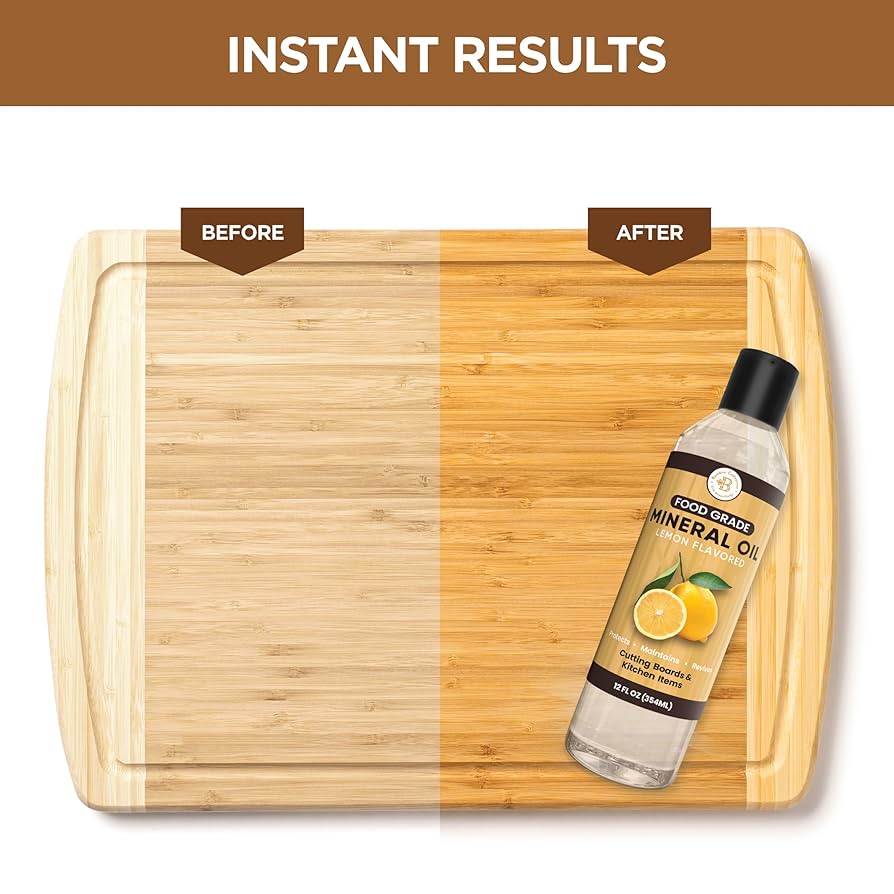
Your cutting board works hard every day, and keeping it in top shape is easier than you think. But what should you oil your cutting board with to protect it and make it last longer?
Choosing the right oil can make a big difference in preventing cracks, warping, and bacteria buildup. You’ll discover the best oils to use, why some oils are better than others, and simple tips to keep your board looking and performing like new.
Ready to give your cutting board the care it deserves? Let’s dive in.

Credit: www.amazon.com
Importance Of Oiling Cutting Boards
Oiling cutting boards keeps them safe and long-lasting. It stops the wood from drying and cracking. This care helps your board stay smooth for cutting.
Without oil, wood can absorb water and smells. Oiling creates a barrier that protects the board from stains and bacteria. Regular oiling keeps your board healthy and clean.
Prevents Cracks And Warping
Wood cutting boards can crack when they dry out. Oiling adds moisture and keeps the wood fibers tight. This stops warping and splits that ruin the board.
Protects From Water Damage
Water can soak into an unprotected board. This causes swelling and damage. Oiling seals the surface to repel water and keep the wood strong.
Keeps The Board Hygienic
Oiling helps close the wood pores where bacteria hide. A well-oiled board is easier to clean and safer for food preparation. It also stops bad smells from soaking in.
How To Choose The Right Oil
Not all oils are safe for cutting boards. Some can spoil or become sticky. Use natural oils that food can safely touch. These oils soak in well and last a long time.
- Mineral oil is common and safe for food contact.
- Coconut oil has natural antibacterial properties.
- Walnut oil adds a nice finish but may cause allergies.
- Beeswax mixed with oil creates a strong seal.
Signs Your Board Needs Oiling
| Sign | What It Means |
| Wood looks dry or faded | Board is losing moisture and needs oil |
| Water beads disappear fast | Surface is not sealed well |
| Cracks or rough patches appear | Wood is damaged and needs care |
| Food smells linger | Board is absorbing odors and needs oil |
Characteristics Of Ideal Cutting Board Oils
Oiling your cutting board keeps it safe and long-lasting. The right oil stops the wood from drying out and cracking.
Not all oils work well. Some can turn sticky or even spoil the wood. Let’s look at what makes a good cutting board oil.
Food-safe And Non-toxic
The oil must be safe for food contact. It should not harm anyone using the board or change the taste of food.
Penetrates Wood Deeply
Good oils soak into the wood fibers to protect them. This stops water and bacteria from entering the board.
Does Not Go Rancid
The oil should stay fresh for a long time. Oils that go bad leave a bad smell and sticky surface on the board.
Easy To Apply And Maintain
The oil should be simple to use. It needs no special tools and dries without a sticky feel.
- Apply evenly with a soft cloth
- Allow time to soak and dry
- Repeat as needed for care
Compatible With Different Wood Types
The oil must work well with soft and hard woods. It should not darken or damage the wood’s natural look.
Common Cutting Board Oils Comparison
| Oil Type | Food-Safe | Rancidity | Absorption |
| Mineral Oil | Yes | Does not go rancid | Good |
| Coconut Oil | Yes | Can go rancid | Moderate |
| Walnut Oil | Yes | May go rancid | Good |
| Olive Oil | Yes | Goes rancid quickly | Poor |
Mineral Oil Benefits
Using mineral oil on your cutting board helps keep it in good shape. It protects the wood and makes it last longer.
Mineral oil is safe, easy to apply, and prevents the board from drying out and cracking.
Protects Wood From Moisture
Mineral oil creates a barrier on the board’s surface. This stops water from soaking into the wood.
When the board stays dry, it does not warp or swell. This keeps it flat and easy to use.
Prevents Cracks And Splits
Dry wood can crack or split over time. Mineral oil keeps the wood moist and flexible.
This helps the board stay strong and safe for cutting food.
Safe And Food Friendly
Mineral oil is non-toxic and safe for food contact. It does not spoil or go bad.
You can use it without worrying about harmful chemicals on your cutting board.
Easy To Apply And Maintain
Applying mineral oil is simple. Just rub it on the board and let it soak in.
Regular oiling keeps the board looking good and working well for years.

Credit: greenerchef.com
Food-safe Alternatives
Oiling your cutting board keeps it strong and clean. Using food-safe oils is very important. These oils do not harm you or your food.
Many people use natural oils that protect wood without chemicals. These oils stop the wood from drying and cracking.
Coconut Oil Advantages
Coconut oil is popular for cutting boards. It is natural and safe to eat. It stops the board from drying out.
This oil has antibacterial properties. It helps keep the board cleaner. It also smells nice and does not go bad fast.
- Natural and edible
- Prevents wood from cracking
- Has antibacterial effects
- Long shelf life
- Leaves a pleasant scent
Beeswax And Oil Blends
Beeswax mixed with oils creates a good finish. The wax seals the wood and holds in moisture. This mix lasts longer than oil alone.
These blends protect against water and stains. They also make the board smooth and shiny. Using beeswax and oil is safe for food contact.
- Seals and protects wood
- Keeps moisture inside
- Resists water and stains
- Creates a smooth surface
- Safe for food use
Avoiding Unsuitable Oils
Choosing the right oil for your cutting board protects it from damage. Some oils can go bad quickly or harm your health. Learn which oils to avoid for safe care.
Oils that spoil fast or contain toxins are not fit for cutting boards. Using the wrong oil can cause bad smells and unsafe surfaces.
Rancid-prone Oils
Oils that spoil easily will leave your cutting board smelling bad. These oils break down when exposed to air and light.
- Vegetable oils (corn, soybean)
- Seed oils (sunflower, flaxseed)
- Nut oils (walnut, almond)
- Olive oil (extra virgin and regular)
These oils are not stable and can become sticky or smelly. They do not protect wood well and can ruin your board.
Toxicity Concerns
Some oils may contain harmful substances or cause allergic reactions. Avoid oils that are not food safe or have chemicals.
| Oil Type | Potential Risk |
| Mineral oil | Safe and food grade |
| Linseed oil (raw) | Can be toxic if not processed |
| Tung oil | May cause skin irritation |
| Cooking oils (used) | Can contain bacteria and toxins |
Application Techniques
Oiling your cutting board keeps it strong and safe to use. Using the right method helps the oil soak in properly. This stops the wood from drying out and cracking.
Apply the oil carefully to cover the whole surface. This keeps the board in good shape and lasts longer.
Proper Oil Application
Use a clean, soft cloth or paper towel for the oil. Pour a small amount on the board and spread it evenly. Make sure to cover all sides, including edges and ends.
- Apply oil in a thin, even layer
- Rub the oil into the wood using circular motions
- Allow the oil to soak for at least 20 minutes
- Wipe off any extra oil to avoid sticky residue
Frequency Of Oiling
Oiling frequency depends on how often you use the board. Regular use means more frequent oiling to keep the wood hydrated.
| Use Level | Oiling Frequency |
| Daily Use | Once a week |
| Weekly Use | Once a month |
| Occasional Use | Every 3 months |
Caring For Different Wood Types
Oiling your cutting board keeps it strong and safe for food. Different woods need different oils for the best care.
Using the right oil helps stop cracks and warping. It also keeps the wood looking fresh and clean.
Maple Cutting Boards
Maple is a hard wood that works well for cutting boards. It soaks up oil slowly and needs regular care.
Use food-grade mineral oil to keep maple boards safe and shiny. Avoid oils that go bad or smell strong.
Bamboo Cutting Boards
Bamboo is a fast-growing grass that feels like wood. It is hard but can dry out if not oiled well.
Apply a mix of mineral oil and beeswax for bamboo. This seals the surface and prevents water damage.
Walnut Cutting Boards
Walnut has a rich, dark color and smooth feel. It needs gentle oils to keep its natural beauty.
Use food-safe mineral oil or walnut oil. Walnut oil adds shine but can cause allergies in some people.
Cherry Cutting Boards
Cherry wood is soft with a warm reddish tone. It needs regular oiling to avoid drying and cracking.
Use mineral oil or a blend of mineral oil and beeswax. This protects cherry boards from stains and damage.
Teak Cutting Boards
Teak is oily naturally, so it resists water well. It needs less oil but still benefits from occasional treatment.
Use pure teak oil or food-grade mineral oil. Avoid vegetable oils that can go rancid on teak boards.
Extending The Life Of Your Cutting Board
Keeping your cutting board in good shape helps it last longer. Oiling the board protects it from cracks and warping.
Using the right oil keeps the wood strong and safe for food use. Let’s explore what oils work best.
Mineral Oil
Mineral oil is a popular choice for cutting boards. It is food-safe and does not go rancid.
This oil soaks into the wood and helps prevent drying and cracking.
- Apply a thin layer with a clean cloth
- Let it soak for several hours or overnight
- Wipe off any excess oil
- Repeat monthly for best results
Beeswax And Mineral Oil Blend
A mix of beeswax and mineral oil gives extra protection. Beeswax seals the surface and adds shine.
This blend keeps water out and prevents stains. It also makes the board smoother to use.
- Warm the beeswax and mix with mineral oil
- Apply warm blend on the board
- Buff with a soft cloth after it cools
- Use every few months for strong protection
Coconut Oil
Coconut oil is natural and food-safe. It can moisturize the wood well.
Choose refined coconut oil to avoid smells. Unrefined oil may turn rancid over time.
- Apply a small amount with a cloth
- Let the oil soak in for a few hours
- Wipe off extra oil to prevent stickiness
- Use regularly to keep the board healthy
Avoid Cooking Oils
Do not use vegetable or olive oils. They can go rancid and smell bad.
Rancid oils make the board sticky and attract bacteria.
- Skip olive, canola, sunflower, and other cooking oils
- Choose only oils designed for wood care
- Proper oils keep your board clean and safe
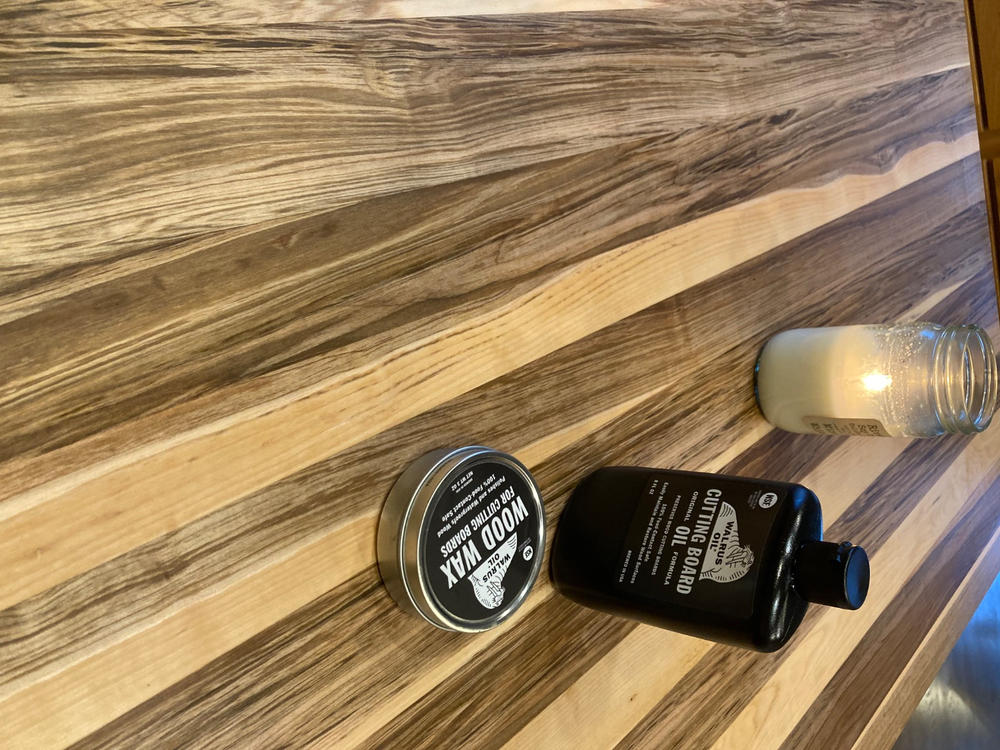
Credit: walrusoil.com
Frequently Asked Questions
What Is The Best Oil For Cutting Boards?
Food-grade mineral oil is the best choice. It is odorless, colorless, and safe for food contact. It penetrates wood well and prevents cracking and drying. Avoid vegetable oils as they can go rancid.
How Often Should I Oil My Cutting Board?
Oil your cutting board once a month with regular use. For heavy use, oil it every two weeks. This keeps the wood hydrated, prevents warping, and maintains the board’s durability.
Can I Use Olive Oil On Cutting Boards?
No, avoid olive oil. It can turn sticky and rancid over time. Use food-safe mineral oil or specialized cutting board oils instead for long-lasting protection.
Why Is Oiling A Cutting Board Important?
Oiling seals the wood’s pores and repels moisture. This prevents bacteria growth, cracking, and warping. It extends the cutting board’s lifespan and keeps it hygienic.
Conclusion
Oiling a cutting board keeps it strong and clean. Use food-safe oils like mineral or coconut oil. Avoid cooking oils that can go bad and smell. Apply oil regularly to stop wood from drying out. Let the oil soak in before using the board again.
This simple step helps your board last for years. Treat your cutting board well, and it will serve you well. Caring for it is easy and worth the effort.