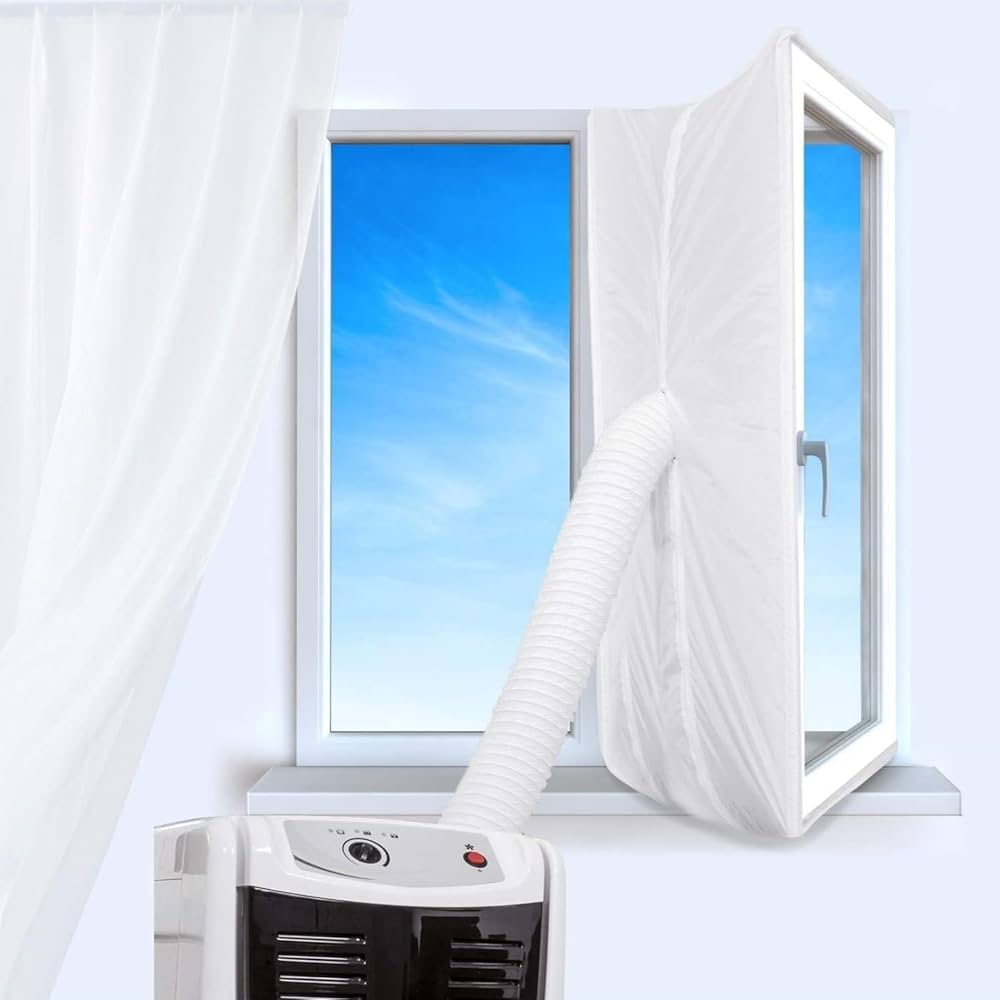
Are you tired of warm air sneaking into your room around your window air conditioner? A poorly sealed unit can let in heat, dust, and even bugs, making your cooling efforts less effective.
But don’t worry—sealing your window air conditioner is easier than you think. In this guide, you’ll learn simple, step-by-step tips to stop drafts and keep your room cool and comfortable. Keep reading, and discover how a few small fixes can make a big difference in your home’s comfort and energy bills.
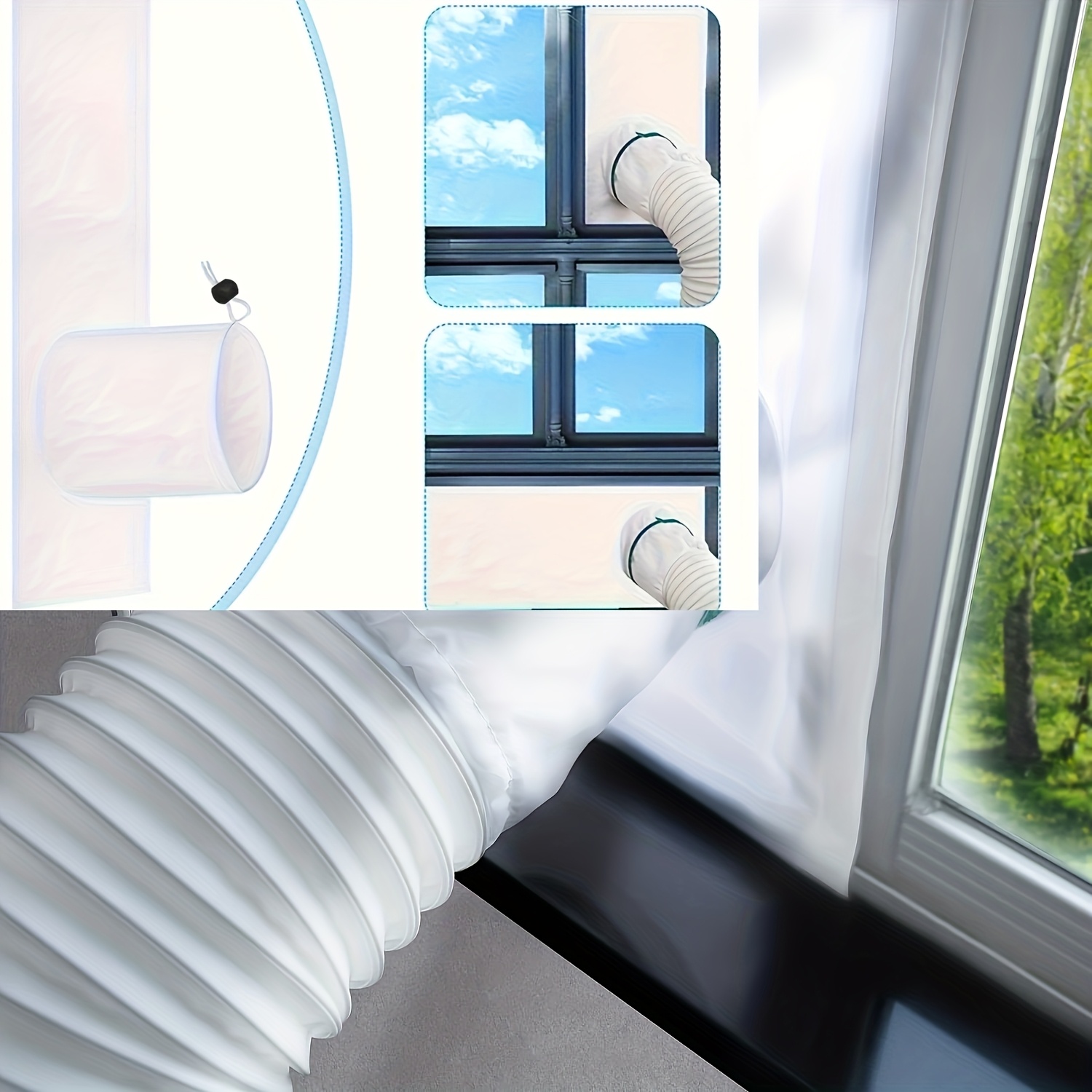
Credit: www.temu.com
Choosing The Right Tools
Choosing the right tools helps make sealing an air conditioner easier. A measuring tapeensures a perfect fit. Use a screwdriverto secure parts firmly. Weatherstrippingstops air leaks and keeps cold air inside. A caulk gunwith silicone caulk seals gaps tightly. Foam insulation stripsfill larger spaces around the unit. Utility knifecuts materials to the right size. A putty knifesmooths caulk for a neat finish. Having all tools ready saves time and effort.
Preparing The Window Frame
Start by cleaning the window frame well. Remove dirt, dust, and old sealant to ensure a good fit. Check the frame for any cracks or holes. These gaps can let air escape. Use weatherstripping or foam tape to fill small gaps. Make sure the tape is straight and sticks well.
Measure the window opening carefully. The air conditioner should fit snugly without gaps. Use a level to check that the frame is even. An uneven frame can cause leaks and damage.
Prepare tools and materials before placing the air conditioner. Keep screws, sealant, and brackets handy. This will make installation smooth and fast.
Installing Weather Stripping
Choose weather strippingmaterials that fit your window and air conditioner. Common types include:
- Foam tape: Easy to cut and apply, good for gaps.
- Rubber or vinyl strips: Durable and flexible for tight seals.
- Felt strips: Cheap but less durable, good for small gaps.
Measure the window frame and air conditioner edges carefully. This ensures the stripping fits well.
Clean the surface before applying weather stripping. Dirt and dust stop it from sticking properly.
Peel off the backing and press the stripping firmly along the edges. Make sure it covers all gaps.
Check that the air conditioner fits snugly in the window with the weather stripping in place. Adjust if needed.
Using Foam Insulation
Measure the space around your air conditioner carefully. Cut the foam insulation to fit the gaps exactly. Use a sharp knife or scissors for clean edges. Make sure the foam pieces are slightly larger than the gaps to ensure a tight seal.
Press the foam firmly into the gaps around the unit. Use weatherproof tape or adhesive to hold the foam in place if needed. Check that the foam covers all openings to stop air leaks. This keeps your room cool and saves energy.
Sealing Gaps With Caulk
Choosing the right caulkis key to sealing air conditioner gaps. Use silicone-based caulkfor outdoor areas because it resists water and weather well. For indoor use, latex caulkworks fine and is easy to clean. Make sure the caulk is paintableif you want to match window colors. Avoid caulks that shrink or crack over time.
Applying caulk requires a clean, dry surface. Remove old caulk and dirt first. Cut the tube tip at a 45-degree angle for better control. Apply a steady beadalong the gap, filling it completely. Use a wet finger or tool to smooth the bead. This helps the caulk stick better and look neat. Let it dry fully before touching or painting.

Credit: www.amazon.com
Applying Window Film
Window filmhelps keep the cool air inside and the hot air outside. It also blocks harmful UV raysthat can fade furniture. The film adds an extra layer of insulation, which reduces energy bills. It is easy to clean and lasts a long time. This makes your air conditioner work better and saves money.
- Clean the window surface with a cloth and soapy water.
- Cut the window film to fit the size of the window.
- Spray water on the window to help stick the film.
- Carefully place the film on the wet window surface.
- Use a squeegee or credit card to push out air bubbles.
- Let the film dry for a few hours before using the air conditioner.
Checking For Air Leaks
Check around the air conditioner for any gaps or cracks. These let air in and out. Use your hand or a piece of paper to feel for air moving around the edges. Pay close attention to the sides and bottom of the unit.
Seal spots where cold air escapes or warm air enters. This helps the unit work better and saves energy. Look for cracks in the window frame and around the AC unit.
- Turn off the AC and close the window tightly.
- Use weather stripping or foam sealant to fill gaps.
- Check for loose screws or panels that might let air leak.
- After sealing, test again for drafts.
Maintaining The Seal
Regularly check the seal around your window air conditioner. Look for cracks, gaps, or loose areas. These spots let air escape and reduce cooling efficiency.
Use a flashlight and inspect both inside and outside the window. Feel for any cold air coming through the edges. This helps find hidden leaks.
- Fix small cracks with weatherstripping or caulk.
- Replace damaged foam or rubber seals quickly.
- Tighten any loose screws or brackets holding the unit.
Repairing damages soon keeps your air conditioner working well. It also saves energy and lowers bills.

Credit: www.amazon.ca
Frequently Asked Questions
How Do I Seal Gaps Around A Window Ac Unit?
Use weatherstripping or foam sealant to fill gaps between the AC and window frame. This prevents air leaks and improves efficiency.
What Materials Work Best For Sealing Window Ac Units?
Foam insulation strips, caulk, and weatherstripping tape are ideal. They provide airtight seals and are easy to apply.
Can Sealing My Window Ac Reduce Energy Bills?
Yes, sealing prevents cold air from escaping and hot air from entering. This improves cooling efficiency and lowers energy costs.
How Often Should I Check The Seal On My Window Ac?
Inspect seals at least once a season. Regular checks prevent leaks and maintain optimal AC performance.
Conclusion
Sealing a window air conditioner keeps your home cool and energy efficient. Use weather stripping or foam to close gaps tightly. Check the seal regularly to avoid air leaks. A good seal stops hot air and bugs from entering. It also helps reduce your electricity bills.
Simple steps make a big difference in comfort and savings. Take time to seal your unit well this summer. Your home will feel fresher and costs will stay low. Small effort, big reward.