Have you ever wondered if the measuring cups you use in your kitchen really make a difference? When you’re baking or cooking, accuracy is key.
Using the wrong type of measuring cup can change the outcome of your recipe — sometimes for the worse. Are measuring cups really different for liquid and dry ingredients? Understanding this simple yet important detail can save you from kitchen disasters and help your dishes turn out perfectly every time.
Keep reading to discover why choosing the right measuring cup matters for your cooking success.
Credit: kirbiecravings.com
Basics Of Measuring Cups
Measuring cups help you get the right amount of ingredients. Using the correct cup makes cooking and baking easier.
There are different types of measuring cups for dry and liquid ingredients. Knowing the difference helps you measure accurately.
Measuring Cups For Dry Ingredients
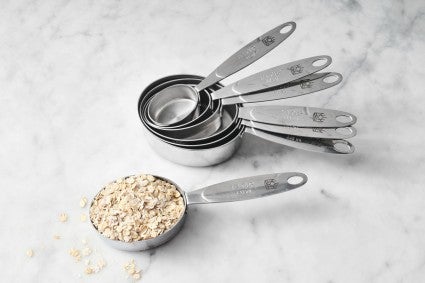
Dry measuring cups are usually made of plastic or metal. They come in sets with sizes like 1 cup, 1/2 cup, and 1/4 cup.
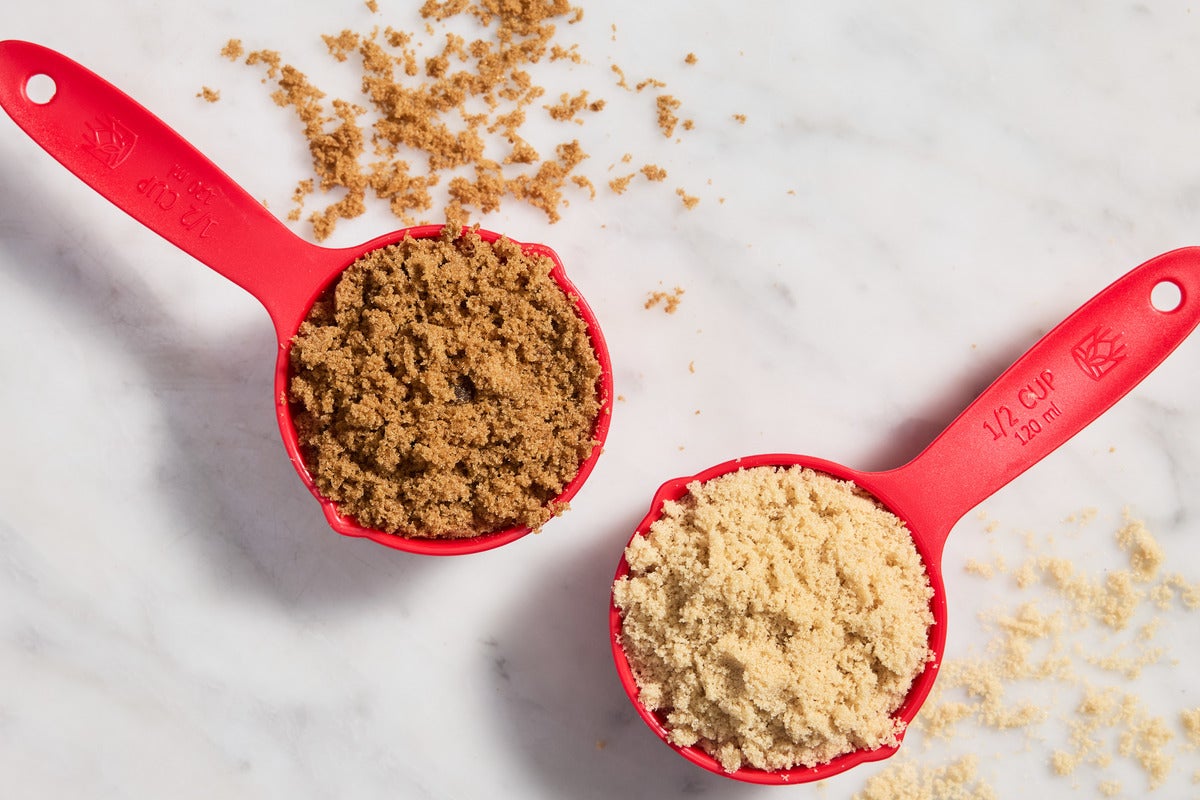
These cups are meant to be filled to the top and leveled off. This ensures you have the exact amount of dry ingredient.
- Fill the cup until it is heaping full
- Use a flat edge to level off the top
- Do not pack ingredients unless the recipe says to
Measuring Cups For Liquid Ingredients
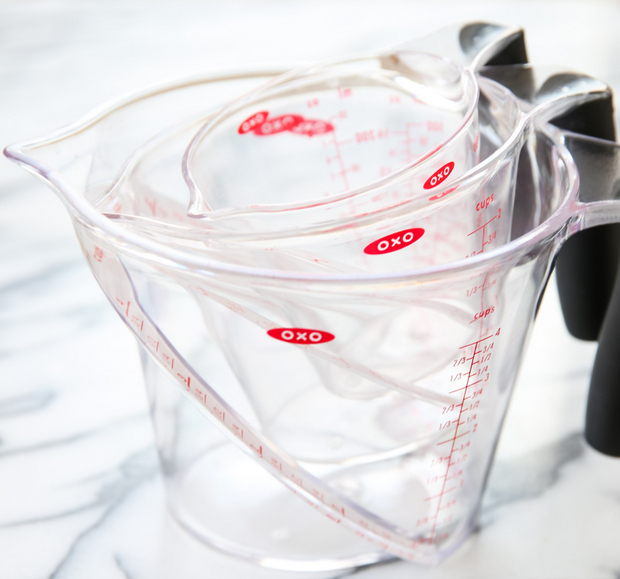
Liquid measuring cups are usually made of glass or clear plastic. They have a pouring spout and measurement marks on the side.
Pour the liquid inside and read the measurement at eye level. This helps you avoid over or under measuring.
- Place the cup on a flat surface
- Pour liquid slowly to the desired mark
- Check measurement at eye level for accuracy
Dry and liquid cups are designed for different tasks. Using the right one makes your measurements more precise.
| Feature | Dry Measuring Cups | Liquid Measuring Cups |
|---|---|---|
| Material | Plastic or metal | Glass or clear plastic |
| Design | Solid cups for scooping | Clear cups with spout |
| Measurement Method | Fill and level off | Pour and read at eye level |
| Best for | Flour, sugar, grains | Milk, water, oil |
Credit: kirbiecravings.com
Liquid Measuring Cups
Liquid measuring cups are tools used to measure wet ingredients like water, milk, and oil. They help cooks add the right amount of liquid to recipes.
These cups are different from dry measuring cups. They have special designs to make pouring and reading measurements easier.
Design And Features
Liquid measuring cups usually have a spout to pour liquids smoothly. They have clear measurement marks on the side for easy reading.
The cups are often transparent so you can see the liquid level from the outside. They come in different sizes for various cooking needs.
- Spout for easy pouring
- Clear, visible measurement marks
- Transparent material to see liquid level
- Wide opening for easy filling
- Handles for a steady grip
Common Materials Used
Most liquid measuring cups are made from plastic, glass, or stainless steel. Each material has its own benefits and uses.
Plastic cups are lightweight and less likely to break. Glass cups show measurements clearly and are heat resistant. Stainless steel cups are strong and last long.
- Plastic: Light and durable
- Glass: Clear and heat resistant
- Stainless steel: Strong and long-lasting
Dry Measuring Cups
Dry measuring cups are tools designed to measure solid ingredients. These cups help get the right amount for baking and cooking.
They differ from liquid measuring cups in shape and use. Understanding these differences makes your cooking more accurate.
Design And Features
Dry measuring cups usually come in sets with sizes like 1 cup, 1/2 cup, 1/3 cup, and 1/4 cup. They have flat tops for leveling off ingredients.
- Made to scoop and level dry ingredients such as flour and sugar
- Have straight sides and a flat rim to level off excess
- Often come in nested sets for easy storage
- Designed for precision in measuring dry goods
Material Considerations
Dry measuring cups come in different materials. Each material has benefits and care tips.
| Material | Advantages | Care Tips |
| Plastic | Lightweight and inexpensive | Hand wash to avoid stains |
| Metal (Stainless Steel) | Durable and rust-resistant | Dishwasher safe, dry well |
| Ceramic | Attractive and sturdy | Handle carefully to avoid chips |
| Silicone | Flexible and easy to clean | Avoid high heat exposure |
Differences Between Liquid And Dry Measuring Cups
Measuring cups come in two main types: liquid and dry. Each type is designed for a specific kind of ingredient.
Using the right cup helps you get accurate measurements for your recipes.
Structural Variations
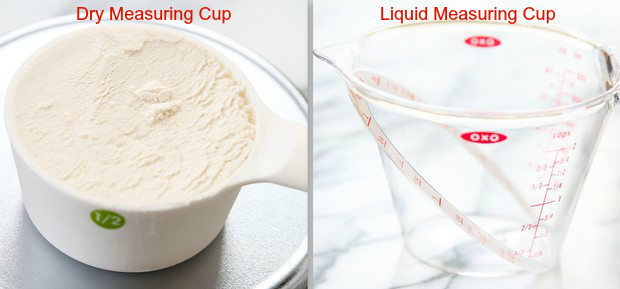
Liquid measuring cups usually have a spout for easy pouring. They are often made of glass or clear plastic. This lets you see the liquid level from the side. Dry measuring cups are solid and come in sets of different sizes. They do not have a spout and are made to be filled to the top and leveled off.
- Liquid cups have measurement lines on the side.
- Dry cups are meant to be filled and leveled off.
- Liquid cups often have a handle and spout.
- Dry cups come in nested sets for different volumes.
Accuracy In Measurement
Accuracy is key when measuring ingredients. Using the wrong cup can cause errors. Liquid cups allow you to measure liquids at eye level. Dry cups let you scoop and level dry ingredients like flour or sugar. Each type reduces common mistakes for its ingredient type.
| Type | Best For | Measurement Method |
| Liquid Measuring Cups | Water, oil, milk | Fill to line, check at eye level |
| Dry Measuring Cups | Flour, sugar, grains | Fill, then level off with flat edge |
Why Accurate Measurements Matter
Measuring ingredients correctly is key for good cooking and baking. Using the right amount helps recipes turn out as expected.
Different ingredients have different densities and properties. This means measuring liquid and dry items the right way makes a big difference.
Impact On Cooking And Baking
Cooking needs less precision than baking, but both need accurate measures. Too much or too little of an ingredient changes taste and texture.
- Too much flour in baking makes cakes dry and hard.
- Too little liquid can make dough tough or crumbly.
- Adding extra salt or sugar can ruin flavors in any dish.
- Using the wrong cup can cause uneven cooking or baking.
Common Measurement Mistakes
People often use dry measuring cups for liquids or vice versa. This mistake leads to wrong amounts and bad results.
| Common Mistake | Effect | Tip |
|---|---|---|
| Using dry cups for liquids | Overfills or spills liquid | Use clear liquid cups with spout |
| Leveling liquid cups | Incorrect liquid amount | Read measurement at eye level |
| Not leveling dry ingredients | Too much or too little dry ingredient | Use a flat edge to level off |
| Mixing metric and US cups | Wrong volume measured | Use same system for all ingredients |
Tips For Proper Measurement
Measuring ingredients correctly is key to good cooking and baking. Using the right tools helps you get accurate amounts every time.
Measuring cups come in different types for liquids and dry ingredients. Knowing how to use each one saves you from mistakes.
Choosing The Right Cup
Liquid measuring cups usually have a spout and are clear to see the level. Dry measuring cups are solid and meant to be filled to the top and leveled off.
- Use glass or plastic cups with a pour spout for liquids.
- Use metal or plastic cups without a spout for dry ingredients.
- Choose the right size cup for the amount you need.
- Check if the cups have clear measurement markings.
Best Practices For Liquids
Pour liquids on a flat surface and check the level at eye height. This helps avoid reading errors caused by looking from above or below.
| Tip | Explanation |
| Use a spouted cup | Makes pouring easier and cleaner. |
| Check at eye level | Ensures you measure the exact amount. |
| Place on a flat surface | Prevents uneven measuring. |
| Pour slowly | Helps control the amount poured. |
Best Practices For Dry Ingredients
Fill dry measuring cups to the top and level off with a straight edge. This gives an accurate and consistent amount.
- Spoon dry ingredients into the cup to avoid packing.
- Level off with the back of a knife or spatula.
- Do not shake or tap the cup to settle ingredients.
- Use separate cups for different ingredients to avoid mixing.
Alternative Measuring Tools
Measuring cups for liquids and dry ingredients are different. Liquid cups usually have a spout and clear markings. Dry cups are meant to be filled and leveled off.
Other tools can help you measure ingredients more accurately. These alternatives can be useful in the kitchen for many recipes.
Digital Scales
Digital scales weigh ingredients by grams or ounces. They give precise measurements for both liquid and dry items. This helps avoid errors from volume differences.
Using a scale is easy and fast. Place a bowl on the scale, zero it, then add your ingredient to weigh.
- Measures solids and liquids by weight
- More accurate than volume measurements
- Good for baking and cooking
- Reduces the need for multiple measuring cups
Measuring Spoons
Measuring spoons are small tools for measuring small amounts. They work well for spices, baking powder, and liquids like vanilla extract.
Spoons come in sets with different sizes. Use the correct spoon size for the recipe to get the right amount.
- Common sizes: 1 tablespoon, 1 teaspoon, 1/2 teaspoon, 1/4 teaspoon
- Good for both liquid and dry ingredients
- Easy to use and clean
- Useful when measuring small quantities
Credit: www.kingarthurbaking.com
Frequently Asked Questions
Are Measuring Cups Different For Liquid And Dry Ingredients?
Yes, liquid measuring cups have a spout and clear markings. Dry measuring cups are designed for level measurements without spouts. Using the correct cup ensures accuracy in cooking and baking.
Why Use Separate Cups For Dry And Liquid Measurements?
Separate cups prevent measurement errors. Liquid cups allow easy pouring without spills. Dry cups help level ingredients for precise baking results.
Can I Use Liquid Cups For Dry Ingredients?
You can, but it may cause inaccurate measurements. Dry ingredients need to be leveled off. Liquid cups don’t allow leveling, leading to inconsistent results.
What Materials Are Liquid And Dry Measuring Cups Made From?
Liquid cups are usually glass or plastic with clear markings. Dry cups are often metal or plastic, designed to be sturdy for leveling off ingredients.
Conclusion
Measuring cups for liquids and dry ingredients serve different purposes. Liquid cups usually have a spout for easy pouring. Dry cups are meant to be filled and leveled off. Using the right cup helps get accurate measurements. This makes cooking and baking easier and more consistent.
Small details like this can affect your recipe’s success. Choosing the proper measuring cup saves time and reduces mistakes. Keep both types handy in your kitchen for best results.