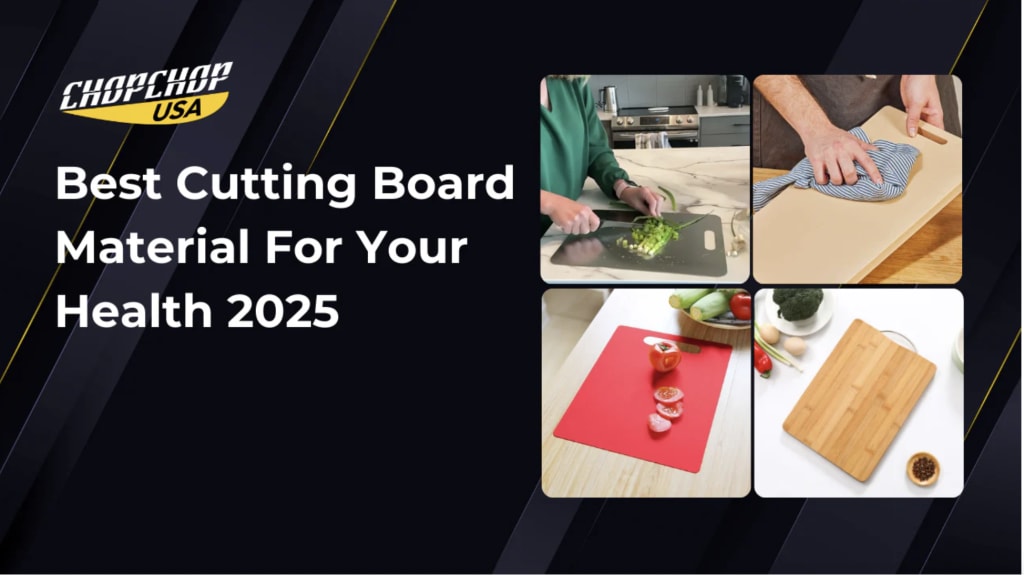
Choosing the best cutting board for your health is more important than you might think. Every time you chop vegetables, slice meat, or prepare your favorite meal, your cutting board plays a key role in keeping your food safe.
But not all cutting boards are created equal. Some materials can harbor bacteria, while others are easier to clean and better for your knife’s edge. If you want to protect yourself and your family from harmful germs and enjoy cooking with confidence, understanding which cutting board is best for your health is a must.
Keep reading to discover the top options and make the safest choice for your kitchen.
Material Types
Choosing the right cutting board material is important for health. Different materials affect cleanliness and durability. Some materials resist bacteria better than others.
This guide covers common cutting board materials. Learn about wood, plastic, bamboo, glass, and ceramic options. This will help you pick a safe and healthy board.
Wood Options
Wood cutting boards are popular for their natural look and feel. They are gentle on knives and can last a long time. Some woods have natural oils that resist bacteria.
- Maple is dense and durable.
- Walnut has a rich color and is strong.
- Cherry is smooth and less porous.
- Teak contains natural oils that fight moisture.
Plastic Choices
Plastic boards are lightweight and easy to clean. They are dishwasher safe and come in many colors. Plastic can get deep cuts that trap bacteria if not replaced regularly.
| Type | Pros | Cons |
| Polyethylene | Affordable, dishwasher safe | Can scar easily |
| Polypropylene | Strong, heat resistant | May dull knives |
| Composite plastic | Durable, stain resistant | More expensive |
Bamboo Alternatives
Bamboo is a fast-growing grass and eco-friendly choice. It is harder than many woods and resists water well. Bamboo boards need regular oiling to stay healthy.
Bamboo cutting boards:
- Eco-friendly and renewable
- Hard surface that resists scratches
- Can crack if not cared for properly
- Requires oiling to maintain moisture
Glass And Ceramic
Glass and ceramic boards are easy to clean and very sanitary. They do not absorb liquids or bacteria. These boards can dull knives quickly and may break if dropped.
- Non-porous surface prevents bacteria growth
- Simple to sanitize with hot water
- Hard surface can damage knife edges
- Prone to chipping or breaking

Credit: www.mychemicalfreehouse.net
Hygiene And Safety
Choosing the right cutting board is key for a healthy kitchen. Clean boards keep food safe and stop germs.
Hygiene and safety depend on how well the board fights bacteria and how easy it is to clean.
Bacterial Resistance
Some cutting boards resist bacteria better than others. Materials like plastic and bamboo lower bacteria growth.
- Plastic boards do not absorb liquids, reducing germs.
- Bamboo has natural antimicrobial properties.
- Wood can trap bacteria if not cared for properly.
Ease Of Cleaning
Cleaning a cutting board well stops germs from spreading. Non-porous surfaces clean easier than porous ones.
| Material | Cleaning Method | Best Practice |
| Plastic | Dishwasher safe | Wash after every use |
| Bamboo | Hand wash with soap | Dry immediately |
| Wood | Hand wash with mild detergent | Oil regularly to protect |
Cross-contamination Prevention
Using separate boards for different foods stops cross-contamination. This keeps bacteria from spreading.
- Use one board for raw meats.
- Use another board for fruits and vegetables.
- Label boards to avoid mix-ups.
- Clean boards well between uses.
Durability And Maintenance
Choosing the best cutting board is important for health and safety. Durability and ease of maintenance keep your board safe to use.
A durable cutting board lasts longer and resists damage from knives. Proper maintenance keeps it clean and prevents bacteria.
Longevity Factors
Durable cutting boards come in different materials. Each material has its own lifespan and care needs.
| Material | Durability | Resistance to Damage |
| Wood | High | Good, but can develop cuts |
| Bamboo | Very High | Hard surface, resists cuts well |
| Plastic | Medium | Prone to deep knife marks |
| Glass | High | Very hard but can dull knives |
Maintenance Tips
Proper cleaning and care extend the life of your cutting board. Follow these tips to keep it safe and clean.
- Wash with warm, soapy water after each use
- Dry completely before storing to avoid mold
- Use mineral oil on wooden boards regularly to prevent cracks
- Avoid soaking boards to stop warping and damage
- Replace boards with deep knife marks or cracks to avoid bacteria buildup
Environmental Impact
Choosing the best cutting board affects more than your kitchen. It also impacts the environment. Materials and production methods matter for a healthier planet.
Knowing which cutting boards use sustainable practices helps you make better choices. This guide looks at two key areas: sustainable materials and eco-friendly practices.
Sustainable Materials
Sustainable materials are natural and renewable. They reduce waste and harm to nature. Wood and bamboo are popular options for cutting boards.
- Wood comes from managed forests that grow back quickly.
- Bamboo is a fast-growing grass that can be harvested without cutting trees.
- Recycled plastics help keep waste out of landfills.
- Natural stone is durable and lasts a long time.
Eco-friendly Practices
Eco-friendly practices reduce pollution and save resources. They include how boards are made, finished, and shipped.
| Practice | Benefit |
| Use of non-toxic finishes | Safer for people and the environment |
| Local manufacturing | Lower carbon emissions from transport |
| Minimal packaging | Reduces waste and plastic use |
| Energy-efficient production | Lowers overall environmental footprint |
Size And Design
Choosing the right cutting board helps keep your kitchen healthy. Size and design matter for ease and safety.
A good cutting board should fit your workspace and meet your food prep needs.
Optimal Sizes
Cutting boards come in many sizes. Pick one that suits your kitchen and cooking style.
- Small boards (around 8×10 inches) are good for fruits and small veggies.
- Medium boards (10×14 inches) work well for most daily tasks.
- Large boards (18×24 inches or more) are best for big jobs and multiple items.
Design Features
Design affects how safe and easy a cutting board is to use. Look for helpful features.
| Feature | Benefit |
| Non-slip edges | Prevents board from sliding while cutting |
| Juice grooves | Catches liquids to keep counters clean |
| Reversible sides | Allows use for different foods, reduces cross-contamination |
| Easy to clean material | Improves hygiene and prevents bacteria growth |

Credit: www.reddit.com
Top Picks
Choosing the best cutting board helps keep your kitchen clean and safe. Some boards are better for health than others.
We look at wood, plastic, bamboo, glass, and ceramic options to find healthy picks for your kitchen.
Best Wood Boards
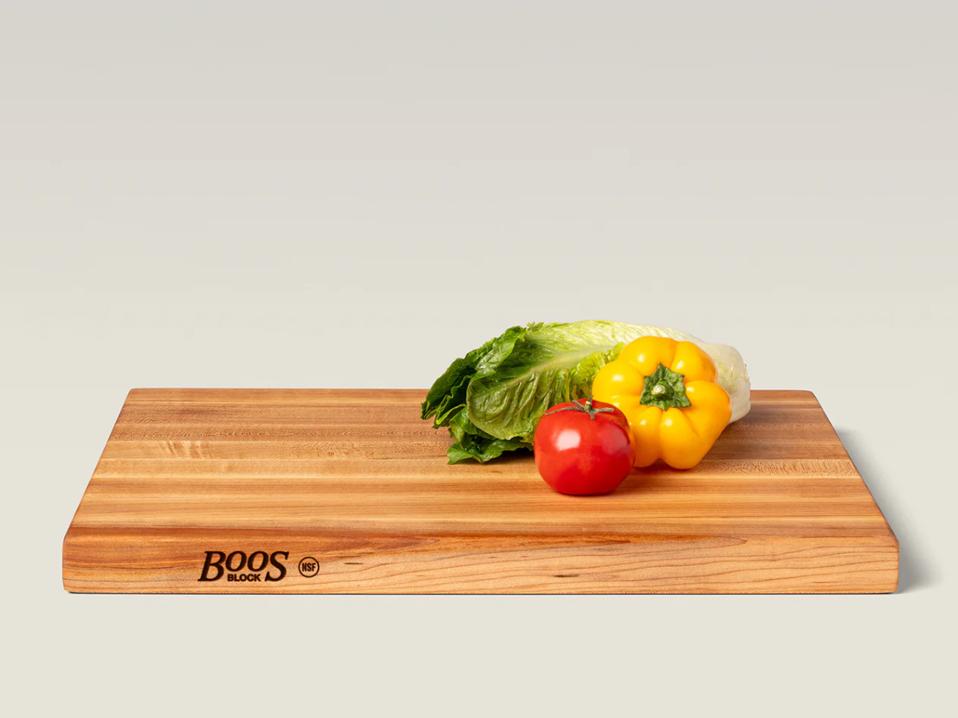
Wood boards are gentle on knives and resist bacteria well. They last a long time with proper care.
Choose hardwoods like maple or walnut. These woods have tight grains that stop germs from hiding.
- Maple: Durable and easy to clean
- Walnut: Strong and naturally antimicrobial
- Cherry: Smooth and gentle on blades
Top Plastic Boards
Plastic boards are affordable and dishwasher safe. They are a good choice for raw meat to avoid cross-contamination.
Look for thick, high-density polyethylene boards. These resist cuts and hold fewer germs.
- Non-porous surface resists bacteria
- Easy to clean in dishwasher
- Replace when heavily scratched
Recommended Bamboo Boards
Bamboo boards are eco-friendly and harder than many woods. They resist water and bacteria well.
Choose boards made from natural bamboo, not glued strips. Oil them regularly to keep them healthy.
- Renewable and sustainable material
- Hard surface protects blades
- Lightweight and easy to clean
Glass And Ceramic Favorites
Glass and ceramic boards are easy to clean and do not absorb bacteria. They look nice but can dull knives.
Use these for serving or cutting soft foods. Avoid heavy chopping to protect your knives.
- Non-porous and dishwasher safe
- Resistant to stains and odors
- Can cause knives to dull faster
Credit: www.forbes.com
Frequently Asked Questions
What Material Is Safest For Cutting Boards?
Wood and bamboo are safest as they resist bacteria growth. Plastic boards can harbor bacteria if not properly cleaned. Choose boards with non-porous surfaces for better hygiene.
How Often Should I Replace My Cutting Board?
Replace cutting boards when deep grooves or cracks appear. These areas trap bacteria and are hard to clean. Regularly inspect your board for damage to maintain health safety.
Can Cutting Boards Affect Food Contamination?
Yes, improper cutting boards can cause cross-contamination. Use separate boards for raw meat and vegetables. Clean boards thoroughly after each use to prevent harmful bacteria spread.
Are Antibacterial Cutting Boards Better For Health?
Antibacterial boards can reduce bacteria but don’t replace cleaning. Proper washing with soap and hot water remains essential. Choose boards with antimicrobial properties for added safety.
Conclusion
Choosing the best cutting board protects your health every day. Clean boards stop germs from spreading to your food. Wood and plastic are popular, but each has pros and cons. Always clean your board well and replace it when worn out.
Small steps keep your kitchen safe and your meals healthy. Remember, a good cutting board is a simple way to care for your family. Healthy cooking starts with the right tools.