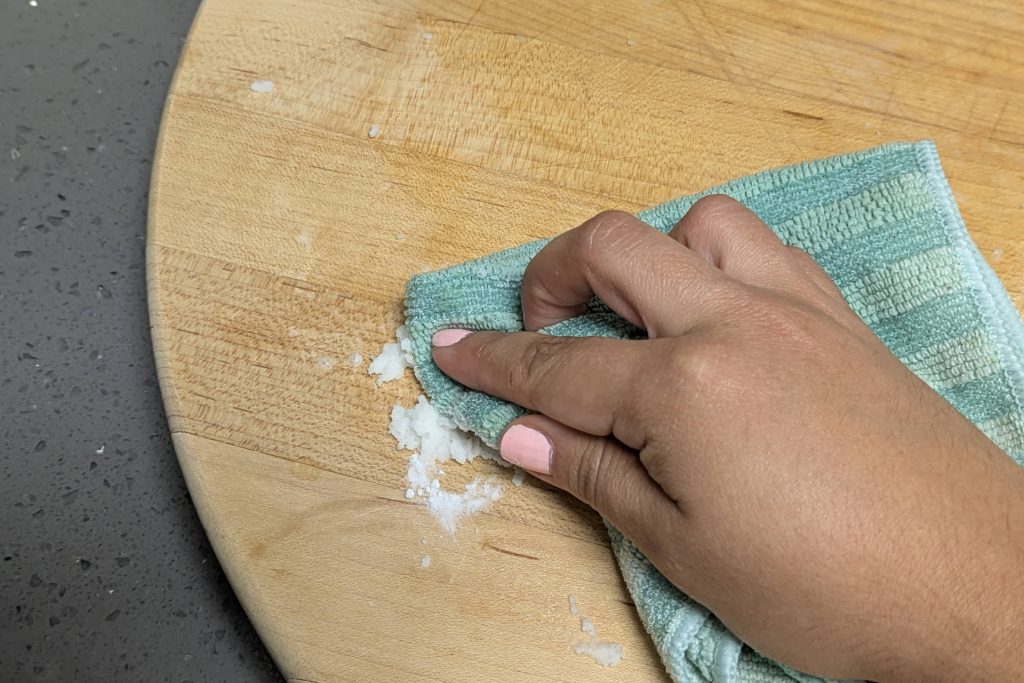
Your cutting board is one of the hardest working tools in your kitchen. But over time, stains from colorful fruits, vegetables, and sauces can leave it looking dull and dirty.
You might feel frustrated, wondering if those stubborn marks will ever come out. The good news is, you don’t have to replace your cutting board or live with unsightly stains. You’ll discover simple and effective ways to get stains out of your cutting board, making it look fresh and clean again.
Keep reading—you’ll be amazed at how easy it is to restore your kitchen essential!
Types Of Cutting Board Materials
Cutting boards come in many materials. Each type has its own care needs. Knowing the material helps remove stains safely.
This guide looks at four common types: wood, plastic, bamboo, and glass. Learn how to handle each one well.
Wood
Wood boards are popular for their durability and knife-friendly surface. They can absorb stains if not cleaned quickly. Use mild soap and water to clean. Avoid soaking wood boards to prevent cracking.
Plastic
Plastic boards are light and dishwasher safe. Stains from foods like beets or berries can stick to plastic. Use a baking soda paste or bleach solution for stubborn stains. Plastic boards can scratch easily, so replace if deeply grooved.
Bamboo
Bamboo boards are eco-friendly and hard. They resist water but still absorb stains over time. Clean with warm soapy water. Treat stains with lemon juice or vinegar. Bamboo needs oiling to keep it strong and shiny.
Glass
Glass cutting boards are easy to clean and stain-resistant. They do not absorb odors or liquids. Use a glass cleaner or vinegar to remove marks. Glass boards can dull knives and may slip on counters.
- Wood: absorbent, needs gentle cleaning and oiling
- Plastic: dishwasher safe, can stain and scratch
- Bamboo: hard, eco-friendly, needs regular oiling
- Glass: stain-proof, easy to clean, not knife-friendly
Common Stains On Cutting Boards
Cutting boards often get stained from different kitchen tasks. Stains can make boards look old and dirty.
Knowing the types of stains helps you clean them better. Some stains come from food, oil, or even ink.
Food Stains
Food stains are common on cutting boards. Fruits like berries and vegetables like beets leave strong marks.
These stains soak into the wood or plastic, making them hard to remove with just soap and water.
- Berry juice can leave purple or red spots
- Beets and carrots cause deep orange or red stains
- Tomato sauce often leaves a reddish tint
- Turmeric can create yellow stains
Oil And Grease
Oil and grease come from meat, nuts, and cooking oils. They leave sticky or dark marks on boards.
These stains can attract dirt and make your cutting board slippery or smelly.
- Cooking oil leaves shiny spots
- Meat juices create greasy stains
- Butter or margarine can leave oily marks
- Nut oils may cause dark patches
Dye And Ink
Dyes from food coloring or ink from pens can stain cutting boards. These stains are usually very dark.
Ink stains may come from accidental pen marks or colored packaging. Dyes can come from candies or drinks.
- Food coloring leaves bright, hard-to-remove spots
- Pen ink makes dark marks on wood or plastic
- Candy dyes may stain bright colors
- Colored drinks can leave tinted stains
Basic Cleaning Techniques
Cutting boards often get stains from food and liquids. Cleaning them properly helps keep them safe and fresh. Use simple methods to remove stains without harming the board.
Here are three effective ways to clean and remove stains from your cutting board using common household items.
Hot Soapy Water
Start by washing the cutting board with hot soapy water. This removes surface dirt and some stains.
- Fill the sink with hot water and add dish soap.
- Use a sponge or brush to scrub the cutting board well.
- Rinse the board with clean water.
- Dry it with a clean towel or let it air dry upright.
Vinegar Solution
Vinegar is a natural cleaner that helps break down stains and kill bacteria.
To use vinegar:
- Mix equal parts white vinegar and water in a spray bottle.
- Spray the solution over the stained areas of the cutting board.
- Let it sit for 5 to 10 minutes.
- Wipe the board with a clean cloth or sponge.
- Rinse with water and dry thoroughly.
Baking Soda Paste
Baking soda paste helps lift tough stains and remove odors from the board.
| Ingredient | Amount |
| Baking Soda | 2 tablespoons |
| Water | 1 tablespoon |
Mix baking soda and water to make a thick paste. Apply the paste to stains and scrub with a brush. Let it sit for 10 minutes, then rinse and dry.
Natural Stain Removal Methods
Cutting boards often get stains from foods like fruits, vegetables, and meat. Using natural methods helps clean them without harsh chemicals. These methods are safe and easy to try at home.
Below are two common natural ways to remove stains from your cutting board. Each uses simple ingredients you likely have in your kitchen.
Lemon And Salt
Lemon and salt work together to lift stains and deodorize the cutting board. The lemon’s acid breaks down stains, while the salt scrubs the surface.
- Cut a lemon in half and squeeze some juice on the stained area.
- Sprinkle coarse salt over the lemon juice.
- Use the lemon half to scrub the salt into the stain in circular motions.
- Let it sit for 5 minutes to allow the mixture to work.
- Rinse the board with warm water and dry it thoroughly.
Hydrogen Peroxide
Hydrogen peroxide is a natural bleaching agent that removes tough stains and kills bacteria on cutting boards.
| Step | Action |
| 1 | Pour 3% hydrogen peroxide directly on the stained area. |
| 2 | Spread it evenly using a clean cloth or sponge. |
| 3 | Let it sit for 10 minutes without rinsing. |
| 4 | Rinse the cutting board with warm water. |
| 5 | Dry the board completely before use. |
Dealing With Tough Stains
Cutting boards can get tough stains from foods like beets, berries, or spices. These stains can be hard to remove with regular washing.
Using the right cleaning methods helps keep your cutting board looking clean and fresh. Here are some ways to deal with tough stains safely.
Bleach Solution
A bleach solution can remove deep stains and kill bacteria on wooden or plastic cutting boards. Use it carefully to avoid damage.
- Mix 1 tablespoon of bleach with 1 gallon of water.
- Soak a cloth or sponge in the solution.
- Wipe the stained areas thoroughly.
- Let it sit for 5 minutes to work well.
- Rinse the board with clean water to remove bleach.
- Dry the board completely before use.
Commercial Cleaners
Many commercial cleaners are made for cutting boards. They can remove stains and odors without harsh chemicals.
| Cleaner Type | Use | Notes |
| Oxygen-based cleaner | Apply paste on stain, wait 10 minutes, rinse off | Safe for most boards |
| Vinegar-based spray | Spray on surface, wipe after 5 minutes | Good for light stains and odors |
| Baking soda paste | Rub paste on stain, scrub gently, rinse | Non-toxic and natural |
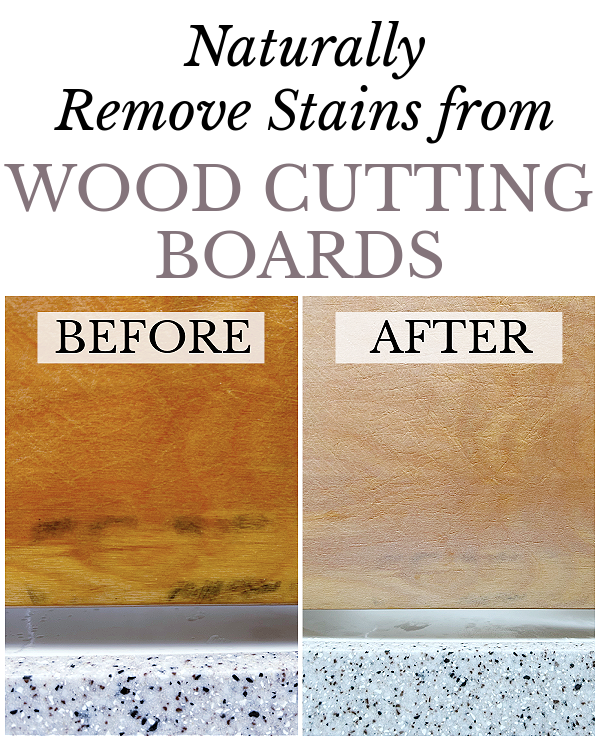
Credit: www.lemonslavenderandlaundry.com
Preventive Measures
Keeping your cutting board clean and stain-free starts with prevention. Taking simple steps helps avoid deep stains that are hard to remove.
Good habits protect your cutting board and keep it looking new for longer.
Regular Maintenance
Clean your cutting board right after use. Avoid letting stains sit for a long time. Use mild soap and warm water.
Scrub gently with a soft brush or sponge. Dry the board completely to stop moisture buildup.
- Wash after every use
- Use mild soap only
- Dry thoroughly before storing
- Oil wooden boards regularly to protect them
Proper Storage
Store your cutting board in a dry place. Avoid stacking heavy items on top that can cause damage.
Keep boards upright to allow air flow. This helps prevent mold and stains from moisture.
- Place boards upright in a rack
- Keep away from damp areas
- Do not stack heavy pots or pans on top
- Store separately from strong-smelling foods
When To Replace Your Cutting Board
Cutting boards can last a long time but will wear out eventually. Knowing when to replace your board keeps your kitchen safe and clean.
Stains can be cleaned, but some damage means it is time for a new board. Look out for signs of wear and pay attention to health risks.
Signs Of Wear And Tear
Look for deep cuts or cracks on your cutting board. These can trap food and bacteria, making cleaning hard.
If your board is warped or uneven, it can cause knives to slip. This is unsafe and a sign you need a new board.
- Deep grooves or cracks
- Warped or bent surface
- Loose or broken pieces
- Persistent stains that do not wash out
Health And Safety Considerations
Old cutting boards can hold bacteria, even after cleaning. This can cause food poisoning or illness.
Plastic boards with many cuts or wooden boards that are cracked should be replaced. This keeps your food safe to eat.
- Bacteria grow in deep cuts and cracks
- Hard to clean boards increase contamination risk
- Replace boards used for raw meat or fish often
- Use separate boards for different food types to stay safe
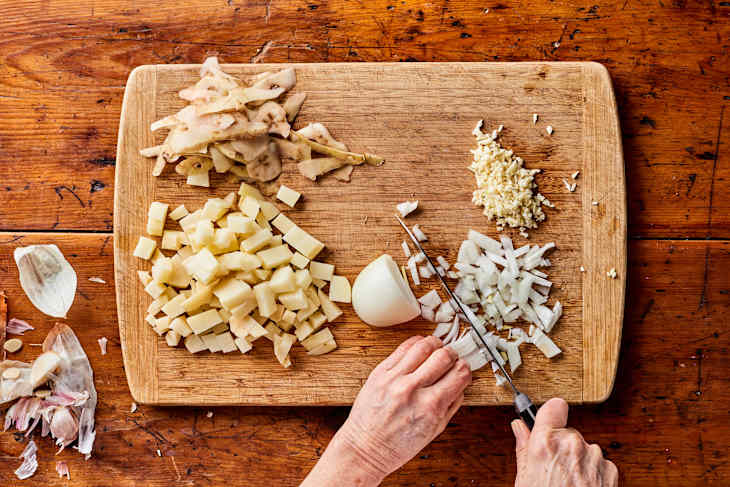
Credit: www.thekitchn.com
Credit: www.thekitchn.com
Frequently Asked Questions
How Do I Remove Stains From Wooden Cutting Boards?
To remove stains from wooden cutting boards, use a paste of baking soda and water. Scrub gently, then rinse with warm water. Dry thoroughly to prevent warping or mold.
Can Lemon And Salt Clean Cutting Board Stains?
Yes, lemon and salt effectively clean cutting board stains. Sprinkle salt, rub with lemon, let sit 5 minutes, then rinse. This natural method brightens and disinfects the surface.
What Household Items Remove Cutting Board Stains Quickly?
Baking soda, lemon, and vinegar are household items that remove stains. Baking soda acts as a mild abrasive; lemon and vinegar provide natural acids to break stains.
How To Prevent Stains On Cutting Boards?
Prevent stains by cleaning boards immediately after use. Avoid prolonged exposure to colorful foods. Regularly oil wooden boards to maintain a protective surface.
Conclusion
Stains on cutting boards can be tough but not impossible to remove. Using common household items often does the trick. Regular cleaning keeps your board fresh and safe. Try these simple steps to keep stains away. Your cutting board will look cleaner and last longer.
Clean boards help keep your food healthy and tasty. Remember, patience and care make a big difference. Small efforts lead to great results in the kitchen. Keep your cutting board stain-free with easy daily habits.