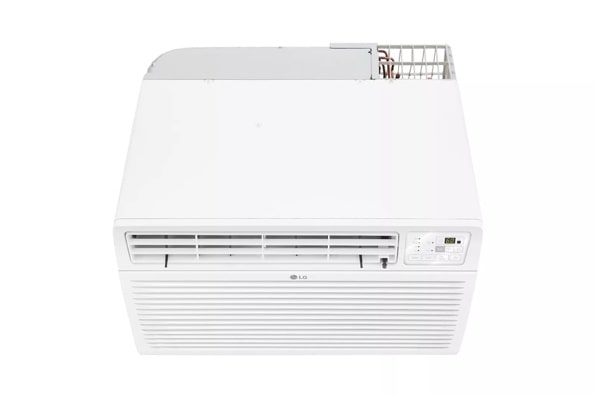
Have you ever wondered how to keep your room cool without taking up window space or installing a bulky unit? A wall air conditioner might be the perfect solution for you.
It fits neatly into your wall, saving space and providing powerful cooling exactly where you need it. If you want to understand how this clever device works and whether it’s right for your home or office, keep reading. By the end, you’ll know exactly what a wall air conditioner is and how it can make your life more comfortable.
Types Of Wall Air Conditioners
Through-the-wall unitsare installed directly into an exterior wall. They cool a single room by pulling air from outside and blowing cooled air inside. These units are compact and do not take up window space. They often include a grille on the outside for air intake and exhaust.
Ductless mini-splitshave two main parts: an outdoor compressor and one or more indoor air handlers. They connect through a small hole in the wall. These systems are quiet and energy-efficient. They allow temperature control in individual rooms.
Benefits Of Wall Air Conditioners
Wall air conditionerssave a lot of space. They fit right into a wall opening. This means no need for a big window unit or a bulky floor model. Rooms stay clear and open. Perfect for small rooms or apartments.
They use less power than many other types. This makes them energy efficient. They cool quickly without wasting electricity. This helps lower your electric bills.
Wall air conditioners cost less to buy and install. No need for extra parts or big machines outside. This keeps the overall price down. Maintenance is simple too, saving money over time.
Key Features To Consider
Cooling capacityshows how much space the unit can cool. Choose the right size for your room to save energy and stay comfortable. Too small won’t cool well; too big wastes power.
Energy Star ratingstell how efficient the air conditioner is. Higher ratings mean less electricity use and lower bills. Look for models with good ratings to protect the environment and save money.
Noise levelsmatter if you want quiet rooms. Some wall air conditioners run very quietly. Check the decibel (dB) rating before buying. Lower dB means less noise and better comfort.
Smart technologyallows remote control using phones or voice assistants. It can save energy by setting schedules or adjusting temperature automatically. This feature adds convenience and helps control cooling easily.

Credit: www.lg.com
Installation Process
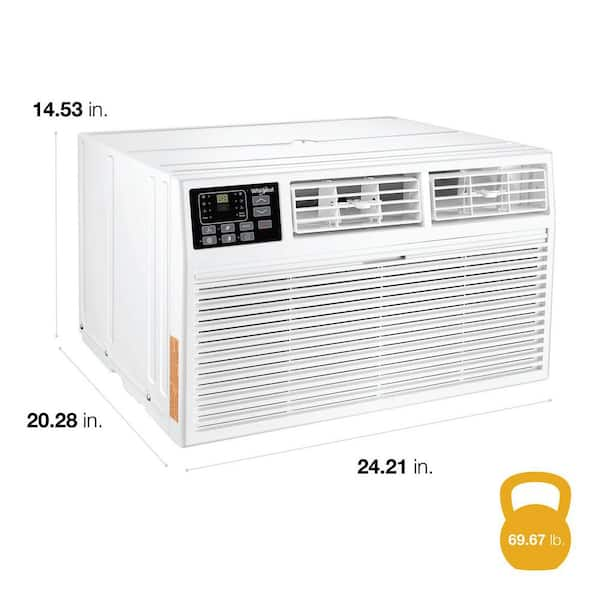
Site preparation is key before installing a wall air conditioner. The wall must be strong enough to hold the unit’s weight. Clear the area where the air conditioner will go. Measure the space carefully to ensure a good fit. Make sure the spot is near a power source and allows air to flow freely.
Mounting the unit requires careful handling. Use a sturdy bracket to support the air conditioner. Secure the unit firmly to avoid shaking or falling. Check that the unit is level to work properly.
Electrical connections must be safe and correct. Use a dedicated power outlet to prevent overloads. Connect wires according to the manufacturer’s instructions. Turn off power before doing electrical work. After connecting, test the unit to ensure it works well.
Maintenance Tips
Cleaning filtersregularly helps your wall air conditioner work well. Remove the filters and wash them with warm water. Let them dry completely before putting them back. Clean filters stop dust and dirt from blocking airflow. This also improves air quality in your home.
Checking refrigerant levelsis important to keep cooling strong. Low refrigerant can cause the unit to work harder and use more power. If cooling drops, have a professional check and refill the refrigerant if needed.
Seasonal maintenancekeeps your air conditioner ready for summer or winter. Clean the outside unit and check for any damage. Clear leaves or debris around it. Inspect the electrical parts and tighten loose connections. This helps avoid breakdowns and saves money on repairs.
Credit: www.homedepot.com
Common Issues And Troubleshooting
Leaking waterusually means the drain is blocked or the unit is tilted. Clear the drain pipe and check the angle. Water should flow out freely.
Insufficient coolinghappens if the filter is dirty or the thermostat is wrong. Clean or replace the filter regularly. Set the thermostat to a cooler temperature.
Unusual noisescan come from loose parts or debris inside. Tighten screws and remove any objects near the fan or motor. Strange sounds often mean it needs cleaning or repair.
Choosing The Right Model
Choosing the right wall air conditioner depends on several key factors. The size of the roommatters a lot. A small unit may not cool a large room well. On the other hand, a big unit in a small room wastes energy. Measure your room and pick a model with the right cooling power.
Consider your budgetand the featuresyou want. Basic models offer good cooling but lack extras like timers or remote controls. More advanced units may cost more but add comfort and convenience.
Brand reputationis important too. Choose brands known for quality and good customer service. Reliable brands often provide better warranties and support. This helps you avoid trouble later.

Credit: www.lg.com
Frequently Asked Questions
What Is A Wall Air Conditioner?
A wall air conditioner is a cooling unit installed through an exterior wall. It cools a single room efficiently. It doesn’t require window space and offers a permanent cooling solution.
How Does A Wall Air Conditioner Work?
It draws warm indoor air, cools it via refrigeration, and blows it back. The heat is expelled outside through the wall. This cycle keeps the room temperature comfortable.
Are Wall Air Conditioners Energy Efficient?
Yes, many wall air conditioners are energy efficient. They use less power than central systems for single rooms. Choosing an Energy Star-rated model can save electricity and reduce bills.
Can Wall Air Conditioners Be Installed In Any Wall?
Mostly, they need an exterior wall for venting heat outside. The wall must support the unit’s weight. Professional installation ensures proper sealing and optimal performance.
Conclusion
Wall air conditioners offer a simple way to cool your room. They fit in walls and save floor space. These units work well for small to medium rooms. Installation is easier than central air systems. You can control the temperature quickly and easily.
Many models come with energy-saving features. Choosing the right size is important for comfort. Wall air conditioners provide affordable, efficient cooling. They keep you cool during hot days. Consider them if you want a practical cooling solution.