If you want to keep your air conditioner running smoothly or need to move it without losing refrigerant, knowing how to pump down an air conditioner is a must. This simple process can save you time, money, and hassle by preventing leaks and damage.
In this guide, you’ll learn easy, step-by-step instructions to do it yourself—even if you’ve never handled HVAC equipment before. Keep reading to protect your system and avoid costly repairs down the road.
Gather Necessary Tools
Gathering the right toolsis essential before pumping down an air conditioner. You will need a manifold gauge setto monitor pressure levels accurately. A refrigerant recovery tankis important to store the refrigerant safely. Don’t forget a vacuum pumpto remove air and moisture from the system.
Additional tools include:
- Safety gogglesand gloves to protect yourself.
- Wrenchesfor opening and closing valves.
- A leak detectorto check for leaks after pumping down.
- Thermometerto monitor temperature changes.
Having all these tools ready will make the process smooth and safe.

Credit: www.youtube.com
Turn Off The Air Conditioner
Turning off the air conditioneris the first step before pumping down. It stops the compressor and the fan. This action prevents refrigerant from moving while you work.
Locate the main power switch or the circuit breaker for your AC unit. Switch it off to cut power completely. This ensures safety and avoids damage to the system.
Wait a few minutes to let the system fully stop. This pause helps avoid pressure build-up during the pump down process.
- Find the power source for the air conditioner.
- Turn off the main switch or breaker.
- Wait for the compressor and fan to stop.
Connect The Manifold Gauge Set
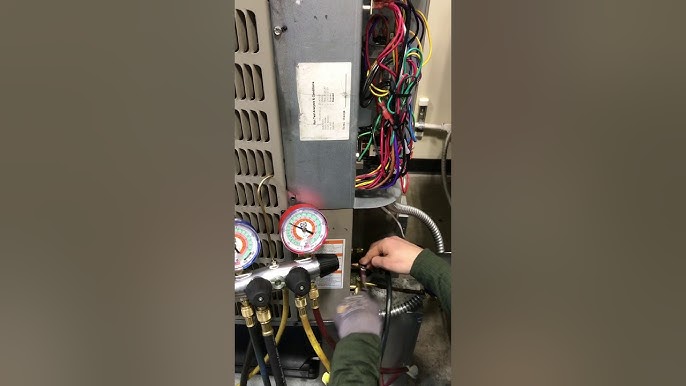
The manifold gauge set connects to the air conditioner’s service ports. These ports are usually found on the outdoor unit.
There are two service ports:
- Low-pressure port– Larger and used for suction side.
- High-pressure port– Smaller and used for discharge side.
Attach the hoses carefully:
- Connect the blue hose to the low-pressure port.
- Connect the red hose to the high-pressure port.
- Use the yellow hose for vacuum or refrigerant.
Make sure each hose fits tightly to avoid leaks. Check for damage or cracks before attaching.

Credit: www.youtube.com
Close The Liquid Line Service Valve
Close the liquid line service valvecarefully to stop refrigerant flow. This valve controls the liquid refrigerant entering the evaporator coil. Turning it clockwise usually shuts it off. Use a wrench to avoid damage. Make sure the valve is fully closed to trap refrigerant inside the system. This step helps in safely pumping down the air conditioner. It prevents refrigerant leaks and protects the environment. Always check for any signs of leaks after closing the valve. Proper valve closure is key for a successful pump down process.
Monitor The Pressure
Check the low-pressure side gauge on your air conditioner’s manifold set. This gauge shows the vacuum level inside the system. A proper vacuum indicates the system is free of moisture and air. The goal is to reach a vacuum level below 500 microns for best results.
Watch the vacuum gauge carefully as the pump runs. The needle should drop steadily. If the vacuum level stops falling or rises, there might be a leak or moisture inside. Keep pumping until the vacuum stays stable for a few minutes.
- Low-pressure gauge: Measures vacuum on the suction side.
- Desired vacuum: Below 500 microns is ideal.
- Stable reading: Shows no leaks or moisture inside.
Shut Off The Compressor
First, turn off the air conditionerat the thermostat. This stops the compressor from running. Next, switch off powerto the unit at the circuit breaker. This ensures safety while working. Locate the compressor contactorand use a screwdriver to carefully disconnect the wires. Wait a few minutes for the pressure to stabilize inside the system. This step is crucial before opening any valves. Use protective gloves and gogglesto avoid injury. Never touch the compressor or valves directly without safety gear. Make sure the system is completely off before moving on to pump down the refrigerant. Safety first. Keep the area clear of people and pets during this process.
Close The Suction Line Service Valve
Close the suction line service valveto stop refrigerant flow. This keeps the refrigerant inside the system safe. Use a valve wrench or a suitable tool to turn the valve clockwise. Turn it until it is fully closed but do not force it.
Make sure the valve is tight to avoid leaks. Check for any signs of damage on the valve before closing it. A damaged valve can cause problems later.
Closing this valve helps to pump down the air conditionerby isolating the refrigerant. This step protects the system during maintenance or repair. Always follow safety rules and wear gloves if needed.

Credit: www.youtube.com
Disconnect The Manifold Gauge Set
Release pressure safelyby slowly turning the manifold gauge valves to open. This lets refrigerant flow back into the system, avoiding sudden pressure drops. Watch the gauges carefully to ensure pressure lowers without spikes. Keep your hands clear of any moving parts.
Once pressure is near zero, close the valvestightly to avoid leaks. This step is important to keep the system sealed. Never rush this process to prevent damage.
- Turn off the manifold gauge valves.
- Slowly unscrew the hose connections.
- Remove hoses gently to avoid refrigerant escape.
- Check hoses for any wear or damage before storing.
Disconnecting hoses carefully helps keep the workspace safe and clean. Proper handling prevents refrigerant loss and protects your tools.
Inspect For Leaks
Use a leak detectorto find any air or refrigerant leaks. These tools help spot leaks quickly and safely. Check around all joints, valves, and connections carefully. Leaks can cause energy lossand reduce your AC’s efficiency.
Inspect all connections by hand. Look for signs of wear, cracks, or oil residue. Tighten loose fittings gently to avoid damage. A good seal is essentialto keep the system working well.
Restart The Air Conditioner
After pumping down the air conditioner, restart it carefully. First, switch the main powerback on. Wait a few minutes for the system to stabilize. Then, turn on the thermostatto your desired cooling setting.
Watch for any unusual noises or errors. The system should run smoothly. Check that cool air is blowing from the vents. If not, the unit might need further inspection.
- Ensure all valves are properly closed.
- Confirm refrigerant levels are correct.
- Keep an eye on pressure gauges during startup.
- Listen for any strange sounds from the compressor.
Restarting the air conditioner correctly helps avoid damageand ensures efficient cooling.
Tips For Efficient Pump Down
Regular maintenance keeps the air conditioner running smoothly. Check for leaks and clean the filters often. Tighten loose connections to avoid gas loss. This helps save energy and extends the system’s life.
Proper tool usage makes the pump down process safe and effective. Use the correct gauges to monitor pressure. A vacuum pump helps remove air and moisture. Always wear safety gear to protect yourself.
Frequently Asked Questions
What Does It Mean To Pump Down An Air Conditioner?
Pumping down an air conditioner means removing refrigerant from the system into the receiver or condenser. This process prevents leaks during maintenance or repairs by safely containing the refrigerant.
Why Is Pumping Down Necessary Before Ac Repairs?
Pumping down is essential to avoid releasing refrigerant into the atmosphere. It ensures safety, complies with regulations, and protects the environment during AC servicing or component replacement.
How Long Does It Take To Pump Down An Ac System?
Pumping down an AC system typically takes 10 to 30 minutes. The exact time depends on system size and refrigerant amount being recovered.
Can I Pump Down An Air Conditioner Myself?
Pumping down requires specialized tools and knowledge. It’s best handled by trained HVAC technicians to ensure safety and prevent damage.
Conclusion
Pumping down an air conditioner helps protect your system during repairs. It stops refrigerant from leaking into the air. Always follow safety steps carefully to avoid damage or injury. Use the right tools and check your work twice. This process keeps your AC running smoothly longer.
Taking time to pump down saves money and hassle later. Simple care makes a big difference in AC health. Keep your system safe and working well with these tips.