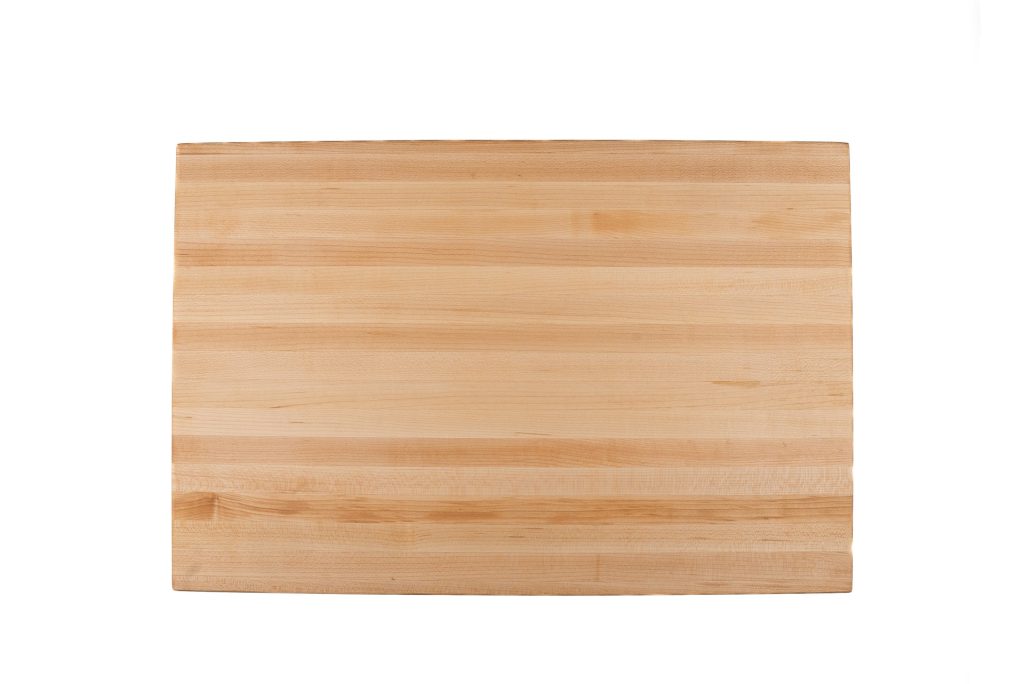
Looking to create the perfect cutting board but not sure where to find the best wood? You want wood that’s durable, safe, and looks great in your kitchen.
Choosing the right place to buy wood can make all the difference in your project’s success. You’ll discover exactly where to find quality wood that fits your needs and budget. Keep reading to make your cutting board project easier and more enjoyable than ever.

Credit: ca.maisonrodin.com
Local Lumber Yards
Local lumber yards are great places to find wood for cutting boards. They often have a variety of hardwoods suitable for kitchen use. Visiting a lumber yard lets you see and feel the wood before buying.
Buying from local yards supports nearby businesses and reduces shipping costs. You can also get advice from staff about the best wood types for cutting boards.
Types Of Wood Available
Lumber yards usually stock several wood types good for cutting boards. Hardwoods like maple, walnut, and cherry are common choices. Each wood has different colors, grains, and hardness.
- Maple: Light color, hard, and durable
- Walnut: Dark brown, smooth texture
- Cherry: Reddish tone, ages well
- Oak: Strong but can be porous
- Beech: Fine grain, light-colored
What To Look For At The Lumber Yard
Choose wood that is dry and well-seasoned to avoid warping. Check for knots or cracks that may weaken the cutting board. Ask if the wood is untreated and safe for food contact.
| Feature | What to Check |
| Moisture Content | Below 8% is ideal |
| Grain | Tight and straight grain preferred |
| Defects | Avoid cracks, knots, or insect holes |
| Treatment | Untreated, no chemicals or stains |
Tips For Buying Wood At Local Lumber Yards
Talk to the staff about your project. They can suggest wood types and sizes. Bring measurements or drawings of your cutting board design. Inspect the wood pieces yourself for quality. Buying in person lets you compare textures and colors closely.

Credit: www.amazon.ca
Specialty Wood Shops
Specialty wood shops sell unique and high-quality wood pieces. They offer many types of wood for cutting boards.
These shops help you find wood that is safe and strong for kitchen use. You can choose from many wood species and cuts.
Wide Selection Of Hardwood
Specialty wood shops carry many hardwood types. Hardwoods like maple and walnut are great for cutting boards.
These woods resist knife marks and last a long time. You can find wood in different sizes and thicknesses.
- Maple: light color, durable
- Walnut: dark color, strong
- Cherry: warm tone, smooth grain
Expert Advice And Custom Orders
Staff at specialty wood shops often know wood well. They can help you pick wood that fits your project.
You can ask about wood safety, grain, and best uses. Some shops accept custom orders for specific wood cuts.
- Help with wood selection
- Custom size cuts available
- Advice on wood care and finishing
Sustainable And Local Wood Options
Many specialty wood shops focus on sustainability. They offer wood from local forests or recycled sources.
Using sustainable wood helps protect the environment. You can find certified woods that meet eco-friendly standards.
- Locally sourced hardwoods
- Certified sustainable wood
- Reclaimed wood options
Online Wood Suppliers
Buying wood online offers many choices for cutting boards. You can find different types, sizes, and qualities easily. Online suppliers often provide detailed descriptions and photos.
It is important to pick a supplier who sells food-safe wood. This wood should be free from chemicals and suitable for kitchen use. Look for hardwoods like maple, walnut, and cherry.
Popular Online Wood Suppliers
Several online stores specialize in wood for cutting boards. They offer hardwood slabs, wood blanks, and pre-cut pieces. Some also sell wood finishing products.
- Woodworkers Source
- Bell Forest Products
- Rockler Woodworking and Hardware
- Hardwood Lumber Company
- Amazon Wood Supplies
Types Of Wood Available Online
Online stores list many wood types. Choose based on color, hardness, and grain. Some woods resist moisture and bacteria better than others.
| Wood Type | Color | Hardness (Janka) | Notes |
| Maple | Light | 1450 | Popular for cutting boards |
| Walnut | Dark Brown | 1010 | Rich color, durable |
| Cherry | Reddish | 950 | Soft but attractive |
| Beech | Light | 1300 | Good for food contact |
| Teak | Golden Brown | 1155 | Oily and water-resistant |
Tips For Ordering Wood Online
Ordering wood online needs care. Check the wood’s moisture content. Dry wood is less likely to warp or crack. Also, read customer reviews about the supplier.
- Verify the wood is food safe
- Check shipping costs and policies
- Ask about return or exchange options
- Confirm wood dimensions before buying
- Look for sustainably sourced wood
Custom Wood Options
Some online suppliers offer custom cutting board wood. You can order specific sizes or wood combinations. This helps create unique and personal boards.
Custom orders may include:
- Edge grain or end grain wood
- Mixed wood species
- Thickness adjustments
- Pre-sanded or rough cut options
Woodworking Clubs And Communities
Joining woodworking clubs and communities is a great way to find quality wood for cutting boards. These groups bring together people who share a love for woodcraft. Members often share resources and tips on where to buy wood.
Many clubs organize wood swaps or group buys. This helps members get good wood at fair prices. Being part of a community also means you can learn about local suppliers and wood types.
Benefits Of Woodworking Clubs
Woodworking clubs offer more than just wood sources. They provide support and knowledge for your projects. You can meet experts who know the best wood for cutting boards.
- Access to shared wood supplies
- Advice on wood types and treatments
- Chance to trade or buy lumber
- Workshops and hands-on help
- Opportunities to see other projects
Finding Local Woodworking Communities
Start by searching online for local woodworking clubs. Social media and forums often list active groups. Community centers and craft stores may also have information.
Joining online forums can connect you with wider communities. Some groups organize meetups or events where you can exchange wood and ideas.
Types Of Wood Available Through Clubs
| Wood Type | Common Uses | Cutting Board Quality |
| Maple | Cutting boards, furniture | Hard, fine grain, durable |
| Walnut | High-end boards, carvings | Dark color, strong, smooth |
| Cherry | Boards, cabinetry | Warm tone, medium hardness |
| Beech | General woodworking | Hard, tight grain, good finish |
Tips For Buying Wood In Communities
Check the wood for cracks or knots before buying. Ask about the wood’s origin and if it was treated. Trust members with good reputations in the group.
Here are questions to ask before purchasing wood:
- Is the wood kiln-dried or air-dried?
- What species is the wood?
- Has the wood been treated with chemicals?
- Are there any defects or damage?
- Can I see the wood in person?
Farmers Markets And Craft Fairs
Farmers markets and craft fairs are great places to find wood for cutting boards. You can meet local sellers and see the wood in person.
These venues often feature small businesses and artisans who sell quality wood. Buying here supports local craftsmen and helps you find unique materials.
Farmers Markets
Farmers markets sometimes have wood vendors or small sawmills. They sell fresh, locally sourced wood that is often untreated.
You can ask questions about the wood type and its best use. This helps you pick the right wood for your cutting boards.
- Look for hardwoods like maple, cherry, or walnut
- Check if the wood is dry and ready to use
- Talk to sellers about the wood’s origin and care
Craft Fairs
Craft fairs often feature woodworkers who sell wood blanks and finished pieces. You can find special cuts and unique grains here.
Buy directly from artisans who understand woodworking. They can offer advice on the best wood for cutting boards.
- Find exotic and local woods not common in stores
- Ask about any treatments or finishes on the wood
- Get tips on woodworking and maintenance

Credit: www.crateandbarrel.ca
Reclaimed Wood Sources
Reclaimed wood is a great choice for making cutting boards. It has character and history. Using this wood helps reduce waste and saves trees.
You can find reclaimed wood from many places. Each source offers different types and qualities of wood. Knowing where to look makes your search easier.
Old Barns And Buildings
Old barns and buildings often have sturdy wood that is perfect for cutting boards. This wood is usually hardwood and well-seasoned. It may have unique grain patterns.
Furniture And Pallets
Discarded furniture and pallets can be great sources of reclaimed wood. They come in many wood types and finishes. Be sure to check for nails or chemicals before using.
- Look for solid hardwood furniture
- Avoid treated pallets with harmful chemicals
- Clean and sand wood before use
Construction And Demolition Sites
Construction and demolition sites often have wood scraps or old beams. This wood can be reclaimed if it is not damaged or dirty. Permission is needed before taking wood from these sites.
Specialty Reclaimed Wood Suppliers
Some businesses focus on selling reclaimed wood. They sort and prepare wood for projects. These suppliers often provide information about the wood’s origin and type.
| Source | Wood Type | Notes |
| Old Barns | Hardwoods like oak and maple | Well-seasoned, unique grain |
| Furniture | Various hardwoods | Check for chemicals and nails |
| Construction Sites | Mixed wood types | Needs cleaning, permission required |
| Reclaimed Wood Suppliers | Sorted hardwoods | Quality checked, origin known |
Hardwood Dealers
Finding quality hardwood is important for making durable cutting boards. Hardwood dealers offer a wide range of wood types suited for kitchen use.
These dealers supply hardwood that is safe, strong, and has a tight grain. This helps prevent bacteria and keeps your cutting boards lasting longer.
Types Of Hardwood Available
Hardwood dealers carry many species of wood that work well for cutting boards. Some popular choices include maple, walnut, cherry, and oak.
- Maple: Light color, hard, and resists water well
- Walnut: Dark color, strong, and has a smooth finish
- Cherry: Reddish tone and easy to shape
- Oak: Very tough but has an open grain
How To Choose A Hardwood Dealer
Choosing the right dealer helps you get good wood for your cutting boards. Look for dealers with good reviews and a wide selection.
| Criteria | What to Look For |
| Wood Quality | Clear, straight grain and no knots |
| Wood Species | Availability of common cutting board woods |
| Customer Service | Helpful and knowledgeable staff |
| Price | Competitive and fair pricing |
| Location | Close to your area or ships reliably |
Tips For Buying Hardwood
Before buying, check the wood for moisture content and surface smoothness. Dry wood is better for cutting boards to avoid warping later.
- Ask the dealer about the wood’s source and treatment
- Choose hardwood that is free from cracks and defects
- Consider buying wood that is already planed and sanded
Tips For Selecting Quality Wood
Choosing the right wood is important for making cutting boards. Good wood lasts long and stays safe for food use.
Look carefully at the wood before buying. This helps you find strong, beautiful wood for your project.
Identifying The Best Species
Some wood types work better for cutting boards than others. Hardwoods are the best choice because they resist cuts and scratches.
Choose wood that is safe for food and does not release harmful chemicals. Avoid softwoods because they get damaged fast.
- Maple – popular and durable
- Walnut – dark and strong
- Cherry – smooth and rich color
- Beech – tight grain and hard
- Birch – light color and dense
Evaluating Wood Grain And Finish
Check the wood grain for tight and straight patterns. This shows the wood is strong and will last long.
A smooth finish means the wood is ready to use. Avoid wood with cracks, knots, or rough spots that can trap bacteria.
- Look for fine, close grain lines
- Avoid open or wide grain patterns
- Choose wood without cracks or holes
- Pick wood with a natural smooth surface
Budget-friendly Options
Buying wood for cutting boards can be affordable with the right choices. You do not need expensive wood to create good boards.
Many sources offer quality wood at low prices. These options help you save money without losing quality.
Local lumber yards often sell wood pieces at lower prices. You can find hardwood scraps or offcuts perfect for cutting boards.
Visiting in person lets you check wood quality and pick sizes that fit your budget.
Reclaimed Wood Suppliers
Reclaimed wood comes from old furniture or buildings. It is usually cheaper and has unique grain patterns.
Using reclaimed wood supports recycling and can add character to your cutting boards.
Home Improvement Stores
Big home improvement stores sell wood at affordable prices. They often have hardwood planks suitable for cutting boards.
Look for sales or clearance items to get the best deals on quality wood.
Online Marketplaces
Online sites like marketplaces or auction sites offer wood at competitive prices. You can find bulk deals or small wood pieces.
Check seller reviews and wood descriptions to ensure you get good quality wood.
Woodworking Clubs And Groups
Local woodworking clubs sometimes share or sell wood to members at low prices. Joining a group can give you access to cheap wood.
These groups can also offer advice on where to find budget-friendly wood near you.
Frequently Asked Questions
Where Can I Buy Wood For Cutting Boards Locally?
You can buy wood for cutting boards at local lumberyards, woodworking stores, and home improvement centers. These places often stock hardwoods like maple, walnut, and cherry, ideal for cutting boards. Visiting in person also lets you inspect wood quality before purchase.
What Types Of Wood Are Best For Cutting Boards?
Hardwoods like maple, walnut, cherry, and teak are best for cutting boards. They are dense, durable, and resistant to bacteria. Avoid softwoods as they can get damaged easily and harbor germs, making them less suitable for food preparation surfaces.
Are Online Stores Reliable For Purchasing Cutting Board Wood?
Yes, many online stores specialize in hardwood for cutting boards. They offer a wide selection and deliver quality wood directly to your door. Check reviews and seller ratings to ensure you receive well-seasoned, food-safe wood suitable for cutting boards.
How To Choose Wood Suitable For Food-safe Cutting Boards?
Choose hardwoods that are non-toxic, dense, and have tight grains. Avoid woods that are porous or contain toxins. Look for untreated, kiln-dried wood, which prevents warping and bacterial growth, ensuring your cutting board stays safe and durable.
Conclusion
Finding the right wood for cutting boards takes some thought. Choose wood that is hard, safe, and easy to clean. Local lumber yards and specialty stores offer good options. Online shops provide many choices too. Check for quality and price before buying.
Good wood makes your cutting board last longer. Enjoy crafting your board with care and patience. A well-chosen wood means better cooking every day.