
Your teak cutting board is more than just a kitchen tool—it’s an investment that can last for years if cared for properly. But how do you keep it looking fresh and prevent it from cracking or drying out?
If you want your board to stay strong, smooth, and beautiful, you need to learn the right care techniques. You’ll discover simple, effective steps that will make your teak cutting board a reliable kitchen companion for a long time. Keep reading to unlock the secrets to maintaining its natural beauty and durability.
Benefits Of Using Teak Cutting Boards
Teak cutting boards are popular for their strength and beauty. They add value to any kitchen.
These boards last a long time and are easy to care for with simple steps.
Durability And Strength
Teak wood is very hard and resists cracks. This makes the board last many years.
It can handle heavy chopping without damage or warping.
Natural Water Resistance
Teak contains natural oils that protect it from water. This stops the wood from swelling.
It also helps prevent bacteria growth, keeping your board safe for food.
Gentle On Knives
Teak cutting boards are firm but soft enough to protect knife edges. This keeps knives sharper longer.
Using teak boards reduces the need to sharpen knives often.
Attractive Appearance
Teak wood has a warm, golden color that looks great in kitchens. It adds a natural touch.
With use, teak boards develop a nice patina that enhances their beauty.
Easy To Maintain
Teak boards need simple care like regular oiling. This keeps the wood healthy and strong.
Cleaning with mild soap and water is enough to keep them clean and safe.
Initial Setup For New Boards
Starting with a new teak cutting board requires some care. Proper setup helps protect the wood.
Following simple steps will keep your board strong and beautiful for years.
Seasoning The Surface
Seasoning means adding oil to protect the wood. It prevents cracking and drying.
Use food-safe oils made for wooden boards. Apply oil evenly on all sides.
- Pour a small amount of oil on the board
- Use a clean cloth to spread the oil
- Let the oil soak in for several hours or overnight
- Wipe off any extra oil with a dry cloth
- Repeat the process until the wood no longer absorbs oil quickly
Tools Needed For Preparation
Gathering the right tools makes seasoning easy and effective. Use clean items to avoid contamination.
- Food-safe mineral oil or teak oil
- Soft, lint-free cloths or paper towels
- Fine-grit sandpaper (optional, for smoothing rough spots)
- Clean, dry workspace
Routine Cleaning Practices
Caring for your teak cutting board keeps it strong and safe to use. Routine cleaning removes dirt and stops germs from growing.
Follow simple daily steps to keep your board clean without damaging the wood.
Daily Cleaning Steps
Clean your teak cutting board after every use. Use warm water and mild soap. Avoid soaking it in water for long times.
- Rinse the board with warm water immediately.
- Use a soft sponge and mild dish soap to scrub gently.
- Rinse off all soap with warm water.
- Dry the board with a clean towel right away.
- Stand the board upright to air dry fully.
Avoiding Common Mistakes
Some cleaning habits can harm your teak board. Avoid these mistakes to keep it in good shape longer.
| Mistake | Why to Avoid | Better Practice |
|---|---|---|
| Soaking in water | Wood swells and cracks | Quick rinse and dry immediately |
| Using harsh chemicals | Strips natural oils, damages wood | Mild soap or natural cleaners only |
| Putting in dishwasher | Heat and water damage wood | Hand wash only |
| Not drying fully | Leads to mold and warping | Dry with towel and air dry upright |

Credit: www.teakculture.com
Oiling For Longevity
Teak cutting boards need regular care to last long. Oiling keeps the wood strong and protected.
Applying oil helps stop cracks and warping. It also keeps the board looking new.
Choosing The Right Oil
Pick an oil that is safe for food contact. Avoid oils that can go rancid or smell bad.
Mineral oil is a popular choice. It is clear, odorless, and does not spoil.
- Food-grade mineral oil
- Pure tung oil
- Beeswax mixed with mineral oil
Frequency Of Application
Oil your teak board when it looks dry or dull. This keeps it from cracking.
Oiling once a month works well for regular use. If you use it less, oil every three months.
- Heavy use: oil every 2-4 weeks
- Light use: oil every 2-3 months
- Always oil after deep cleaning
Stain And Odor Removal
Teak cutting boards can absorb stains and smells from food. Cleaning them well keeps them fresh and safe to use.
Using natural solutions helps protect the wood and removes unwanted odors and marks gently.
Natural Cleaning Solutions
Lemon, baking soda, and vinegar are safe for teak boards. They clean stains and fight bad smells without harsh chemicals.
- Rub half a lemon on the board to lift stains.
- Sprinkle baking soda, then scrub with a damp cloth.
- Use white vinegar to wipe the surface and kill bacteria.
- Rinse with warm water and dry with a towel.
Preventing Future Stains
Regular care stops stains and odors from building up. Clean and oil your board often.
| Tip | Why It Helps |
| Clean after each use | Stops stains and smells from setting |
| Dry board completely | Prevents mold and bacteria growth |
| Apply teak oil monthly | Keeps wood sealed and stain-resistant |
| Avoid soaking in water | Prevents wood warping and cracking |

Credit: decoteak.com
Handling And Storage Tips
Teak cutting boards need special care to last long and stay safe. Proper handling and storage keep them in good shape.
Follow simple steps to dry and store your teak board. This prevents damage and keeps it clean.
Proper Drying Techniques
After washing, dry your teak board quickly and fully. Avoid leaving it wet for a long time.
- Use a clean towel to pat dry the board immediately.
- Stand the board upright to let air reach all sides.
- Do not stack wet boards on top of each other.
- Avoid drying near direct heat or sunlight to prevent warping.
Safe Storage Options
Store your teak board in a dry, well-ventilated place. Keep it away from moisture and heavy objects.
| Storage Method | Benefits |
| Vertical Stand | Air circulates, prevents moisture |
| Open Shelf | Easy access, avoids stacking |
| Drawer with Air Holes | Protects from dust, allows airflow |
| Wall Hooks | Keeps board dry and off surfaces |
Repairing Minor Damages
Teak cutting boards are strong but can get small damages over time. Fixing these issues keeps your board safe and looking good.
Two common problems are scratches and cracks. Each needs a simple repair method to restore the board.
Sanding Out Scratches
Sanding removes scratches and smooths the surface. Use fine-grit sandpaper and sand gently along the wood grain.
- Clean the board before sanding
- Use 220-grit sandpaper for light scratches
- Sand evenly until scratches fade
- Wipe off dust with a damp cloth
- Apply a coat of mineral oil after sanding
Fixing Cracks
Small cracks can be filled to stop them from growing. Use food-safe wood filler and follow these steps.
| Step | Action | Notes |
| 1 | Clean crack area | Remove dirt and moisture |
| 2 | Apply wood filler | Use a putty knife to fill crack fully |
| 3 | Let filler dry | Follow product drying time |
| 4 | Sand smooth | Use fine-grit sandpaper |
| 5 | Oil the board | Protects wood and filler |
Avoiding Harsh Conditions
Teak cutting boards need gentle care to last long. Avoiding harsh conditions keeps the wood strong and beautiful.
This guide explains how to protect your teak board from heat, moisture, and dishwashers.
Protecting From Heat And Moisture
Heat and moisture can cause teak wood to crack or warp. Keep your board away from hot surfaces and water for long times.
- Do not place hot pots or pans on the board.
- Wipe the board dry after washing.
- Store the board in a dry place with good air flow.
- Avoid soaking the board in water.
Impact Of Dishwashers
Dishwashers can harm teak cutting boards. The high heat and strong water jets dry out the wood and cause damage.
| Dishwasher Effect | Impact on Teak Board |
| High Heat | Dries wood, causes cracks |
| Strong Water Jets | Strips natural oils, weakens wood |
| Detergents | Harsh chemicals damage finish |
Signs Of Replacement
Teak cutting boards are strong and long-lasting. You need to watch for signs that show it is time to replace your board.
Replacing your teak board at the right time keeps your kitchen safe and clean.
When To Retire Your Board
Look for deep cracks or splits in the wood. These can trap bacteria and are hard to clean.
If your board has strong odors that do not go away, it may be time to get a new one.
- Deep cracks or splits
- Large stains that won’t fade
- Persistent bad smells
- Warping or uneven surface
- Rough texture that feels worn out
Choosing A New Teak Board
Pick a teak board that is thick and heavy. This means it will last longer.
Check the wood grain. Straight grain teak is stronger and easier to clean.
- Look for natural oils in the wood for water resistance
- Choose a size that fits your kitchen space and use
- Consider smooth edges for easier handling
- Buy boards with food-safe finishes
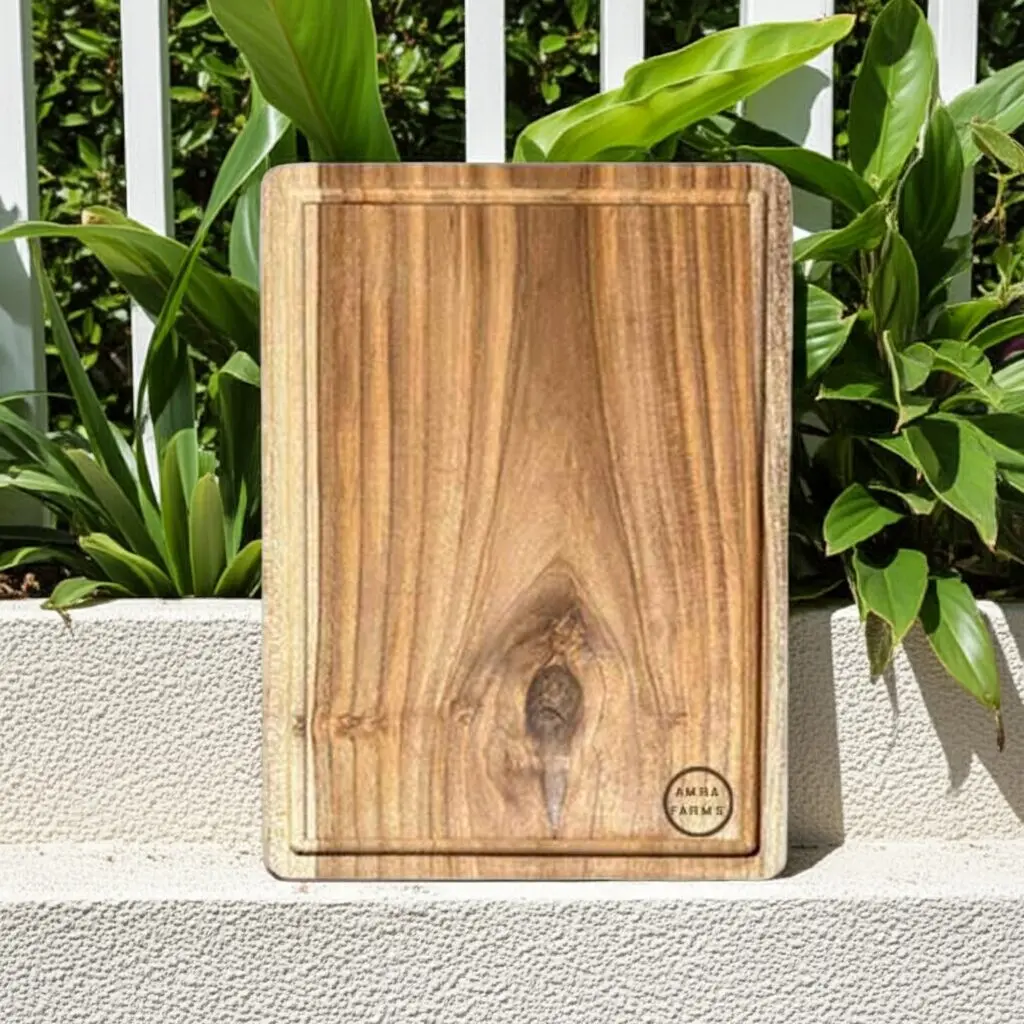
Credit: choppingboards.in
Frequently Asked Questions
How Often Should I Oil My Teak Cutting Board?
You should oil your teak cutting board once a month. Regular oiling prevents drying and cracking. Use food-safe mineral oil for best results. Oiling keeps the wood hydrated and extends the board’s life. Avoid vegetable oils as they can turn rancid.
Can I Wash My Teak Cutting Board With Soap?
Yes, use mild dish soap and warm water. Avoid soaking the board to prevent warping. Rinse thoroughly and dry immediately with a clean towel. Never put teak cutting boards in the dishwasher as it damages the wood.
How Do I Remove Stains From Teak Cutting Boards?
Use a paste of baking soda and water to scrub stains. Let it sit for a few minutes before rinsing. For tougher stains, rub lemon juice on the surface. Always dry the board thoroughly after cleaning to prevent mold.
Is Teak Wood Naturally Resistant To Bacteria?
Yes, teak contains natural oils that resist bacteria and moisture. This makes it hygienic for kitchen use. However, proper cleaning and maintenance are still essential. Regularly sanitize and dry your cutting board to ensure safety.
Conclusion
Caring for your teak cutting board keeps it strong and beautiful. Clean it gently with warm water and mild soap. Dry it well to avoid cracks or warping. Oil the board regularly to protect the wood. Avoid soaking or putting it in the dishwasher.
Small steps make your board last longer and stay safe for food. Take simple care, and your teak board will serve you well. A little effort goes a long way. Your kitchen will thank you for it.