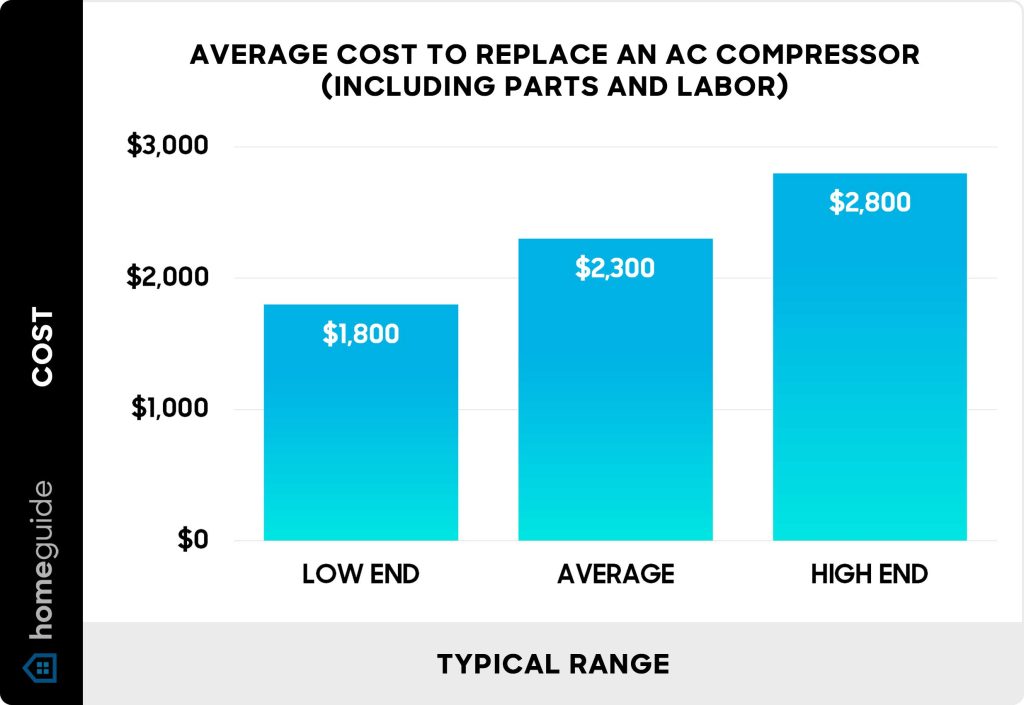
When your air conditioner isn’t cooling like it used to, the coil might be the problem. But how much does a coil cost for an air conditioner?
You’re probably wondering if fixing it will break the bank or if it’s an easy, affordable repair. Understanding the cost can help you make the right choice for your comfort and your wallet. You’ll discover what affects the price, what to expect, and how to avoid surprises.
Keep reading, and you’ll be ready to make a smart decision for your home.
Credit: www.logan-inc.com
Factors Influencing Coil Costs
The type of coilgreatly affects its price. Evaporator coils and condenser coils cost differently.
Brand and manufactureralso matter. Well-known brands often charge more but offer better quality.
The size and capacityof the coil impact costs. Bigger coils designed for larger AC units cost more.
Material qualityplays a key role. Coils made from copper are usually pricier but last longer than aluminum ones.
Types Of Coils In Air Conditioners
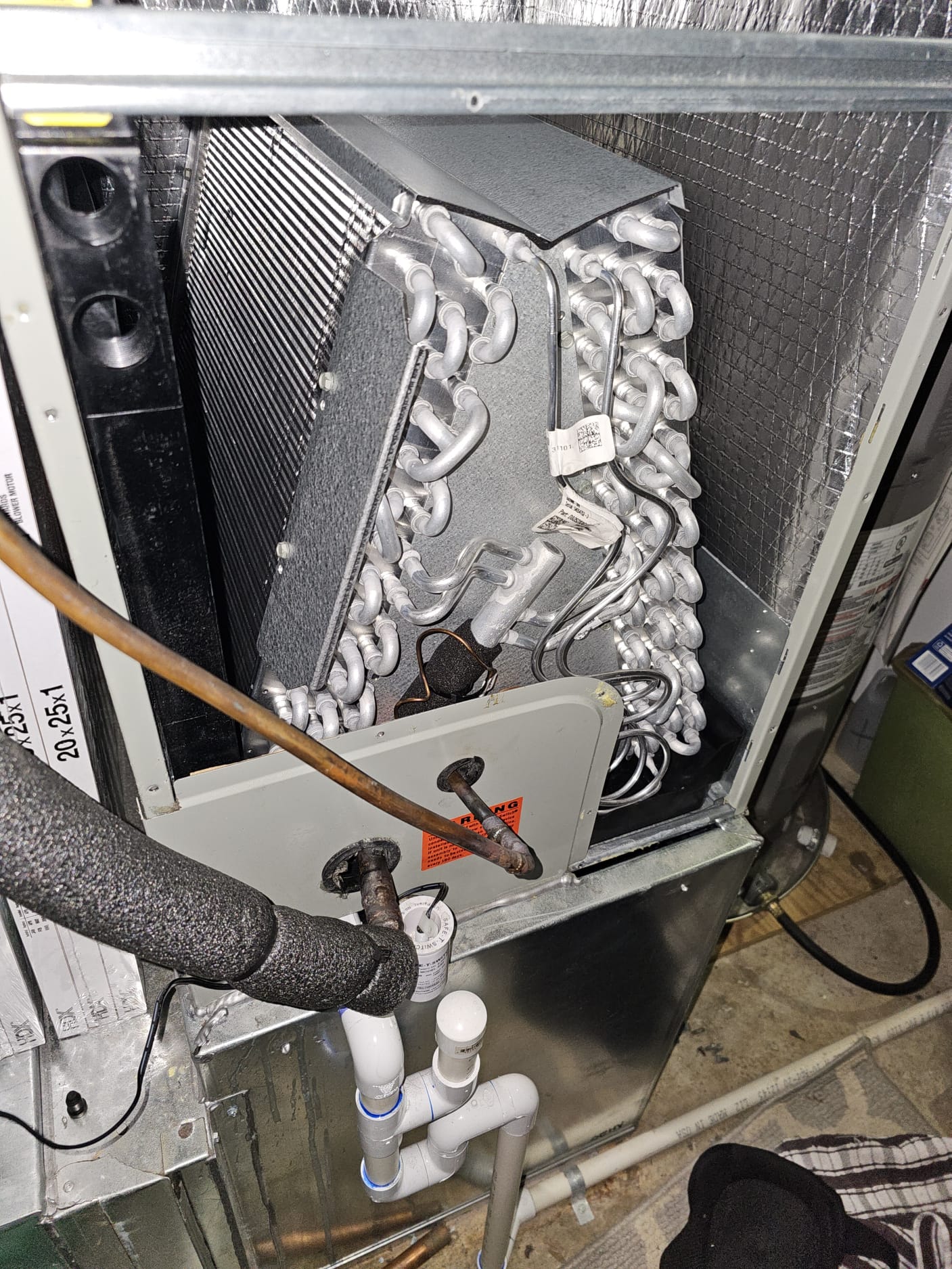
Evaporator coils absorb heat from inside the house. They help cool the air by turning liquid refrigerant into gas. These coils are inside the air handler or furnace.
Condenser coils release heat outside the home. They change refrigerant from gas back to liquid. These coils are found in the outdoor unit of the air conditioner.
| Coil Type | Material | Advantages | Disadvantages |
|---|---|---|---|
| Copper Coils | Copper | Better heat transfer, easy to repair | More expensive, prone to theft |
| Aluminum Coils | Aluminum | Cheaper, lightweight, resistant to corrosion | Harder to fix, less efficient heat transfer |
Average Price Range
The average pricefor a coil in an air conditioner varies widely. It depends on the type and size of the unit.
| Unit Type | Price Range (USD) |
|---|---|
| Residential Units | $150 – $400 |
| Commercial Units | $500 – $1,500 |
Prices also change based on the region. Urban areas tend to have higher costs. Rural areas may offer cheaper options. Local taxes and labor fees affect the final price too.
Additional Costs To Consider
Installation fees can vary based on the complexity of the job. Some units need special tools or parts. This can raise the cost.
Labor costs depend on the technician’s experience and location. Some charge by the hour, while others have a flat fee. Expect to pay more in big cities.
Maintenance and repair are ongoing expenses. Regular check-ups keep your coil working well. Repair costs depend on the problem’s size and parts needed.
Tips For Cost-effective Coil Replacement
Choosing the right contractorsaves money and ensures quality work. Check for licenses and good reviews. Ask for detailed quotes to avoid hidden fees. A skilled contractor handles coil replacement quickly and safely.
Warranty and guaranteesprotect your investment. Always ask about the warranty length on parts and labor. Some contractors offer extended guarantees for better peace of mind. Keep warranty papers for future service needs.
Energy efficiency considerationsmatter when replacing a coil. New coils can improve your air conditioner’s performance. Look for coils with high efficiency ratings to lower electricity bills. Better efficiency means less wear on your system.

Credit: www.shop-noble.ca
Where To Buy Replacement Coils
Many people buy replacement coilsonline. Websites offer a wide range of brands and prices. It is easy to compare costs and read reviews from other buyers.
Local HVAC suppliers often have coils in stock. They provide quick service and advice. Visiting these stores helps you see the product before buying.
| Source | Advantages | Considerations |
|---|---|---|
| Online Retailers | Wide selection, easy price comparison | Shipping time, no physical inspection |
| Local HVAC Suppliers | Immediate availability, expert advice | Limited brands, sometimes higher prices |
| Direct from Manufacturers | Authentic parts, warranty options | May require bulk orders, longer wait |
Buying direct from manufacturers ensures genuine parts. They may offer warranty and support. Delivery times can be longer than other options.
Diy Vs. Professional Installation
DIY installationcan save money upfront. You control the process and work at your own pace. But it requires basic toolsand some knowledge about air conditioners. Mistakes can cause damageor reduce efficiency. Troubleshooting can be hard without experience.
Professional installationensures the coil fits perfectly and works well. Experts handle complex wiringand refrigerant safely. It costs more but saves time and stress. Professionals can spot hidden issues and fix them fast.
| Pros of DIY | Cons of DIY |
|---|---|
| Lower initial cost | Risk of wrong installation |
| Learn new skills | May need special tools |
| Work at own pace | Warranty might be void |
- Hire a professional if you lack tools or skills.
- Call experts for any refrigerant handling.
- Choose pros for complex or large systems.
- Coils contain chemicals that can be harmful.
- Electric work carries risk of shock or fire.
- Proper tools and knowledge keep you safe.
- Ignoring safety can cause injury or damage.

Credit: dayandnightplumb.com
Frequently Asked Questions
What Factors Affect The Cost Of An Ac Coil?
The cost varies by coil type, size, and brand. Installation complexity and local labor rates also impact pricing. Higher efficiency coils typically cost more but save energy.
How Much Does A Standard Ac Coil Cost?
A standard air conditioner coil usually costs between $150 and $600. Prices differ based on coil type, size, and material quality.
Can I Replace An Ac Coil Myself?
Replacing an AC coil requires technical skills and tools. It’s best done by a certified HVAC technician to ensure safety and proper installation.
How Often Should I Replace My Ac Coil?
AC coils typically last 10 to 15 years. Replace them if damaged, leaking, or if cooling efficiency drops significantly.
Conclusion
Knowing the cost of an air conditioner coil helps plan your budget well. Prices vary by brand, size, and type of coil. Choosing the right coil can improve your AC’s performance and save money. Regular maintenance also extends the coil’s life and keeps cooling efficient.
Always check for quality parts to avoid frequent repairs. This way, you get the best value for your investment. A good coil means a cooler home and lower energy bills. Simple steps can make a big difference in comfort and cost.