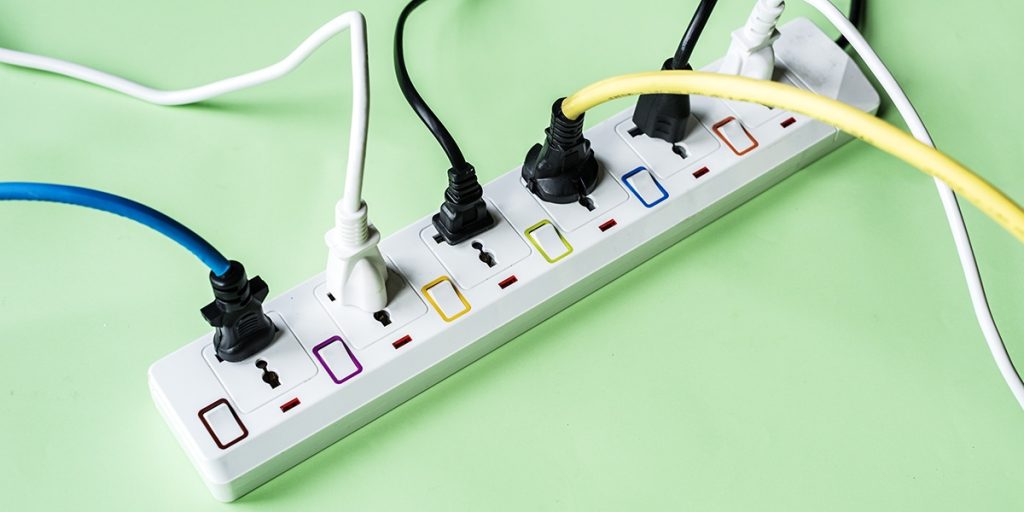
Are you wondering if it’s safe to plug your air conditioner into an extension cord? You’re not alone.
Many people face this question, especially when their AC unit’s power outlet isn’t close by. But before you grab that extension cord, it’s important to know the risks and what could happen to your AC—and your home. Keep reading to find out why this common shortcut might lead to trouble and what you should do instead to keep your air conditioner running safely and smoothly.
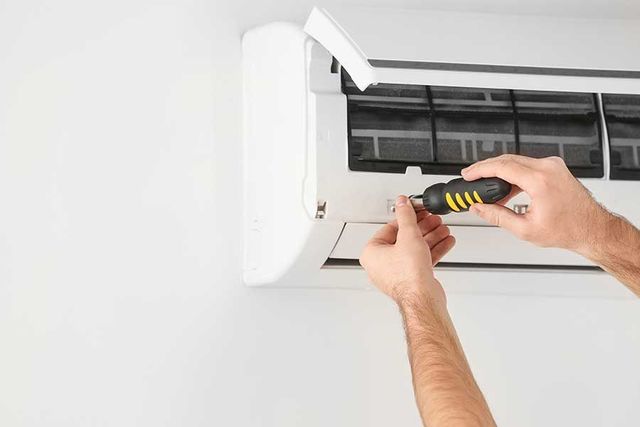
Credit: www.professionalservicestoday.com
Air Conditioner Power Requirements
Air conditioners need a lot of power to work well. Most models use between 500 to 1500 watts. Larger units may need even more. Using the right power source is very importantto keep the unit safe and working.
Extension cords can cause problems if they are not strong enough. Thin or short cords might overheator cause voltage drops. This can damage the air conditioner or create a fire risk.
| Power Needs | Extension Cord Type | Risk |
|---|---|---|
| Below 1000 watts | Heavy-duty, at least 14-gauge | Low if cord is rated correctly |
| 1000 to 1500 watts | Heavy-duty, 12-gauge or thicker | Medium if cord is not suitable |
| Above 1500 watts | Usually not recommended | High risk of damage or fire |
- Use a cord rated for the air conditioner’s power
- Keep the cord short and thick for safety
- Check the cord for damage before use
- Better to plug directly into a wall outlet

Credit: northnjhvac.com
Types Of Extension Cords
Light-duty cordsare thin and not strong. They are for small devices like lamps or clocks. Not good for air conditioners.
Medium-duty cordsare thicker and can hold more power. They work for tools or small machines but may still be risky for air conditioners.
Heavy-duty cordsare thick and made for strong power use. These cords are safer for air conditioners. They handle high electric loads well.
| Type | Use | Power Capacity | Suitability for AC |
|---|---|---|---|
| Light-Duty | Lamps, clocks | Low | Not suitable |
| Medium-Duty | Small tools | Moderate | Sometimes suitable |
| Heavy-Duty | Large appliances | High | Best choice |
Potential Risks Of Using Extension Cords
Using an extension cord with an air conditioner can cause overheating hazards. Extension cords are not built to handle the high power needs of air conditioners. This can make the cord heat up and possibly melt the insulation.
Voltage dropshappen when electricity travels through a long or thin extension cord. This makes the air conditioner work harder and less efficiently. It can also cause damage to the unit over time.
There are serious fire risksinvolved. Overheated cords or plugs can spark and start a fire. Using the wrong type of extension cord increases this danger.
- Extension cords may not support the air conditioner’s power.
- Overheating can damage the cord and the air conditioner.
- Voltage drops reduce the unit’s performance.
- Fire hazards increase with improper cords or long usage.
Credit: www.diychatroom.com
Safety Tips For Using Extension Cords
Choose an extension cord with a thick gaugeto handle high power. The lower the gauge number, the better it supports heavy appliances. Avoid using thin or cheap cordsthat can overheat.
Make sure the cord is long enoughbut not too long to reduce voltage drop. Look for cords labeled “heavy-duty”or “outdoor-rated”. These are safer for air conditioners.
- Plug the cord directly into a wall outlet, not another extension.
- Keep the cord flat and avoid sharp bends to prevent damage.
- Do not cover the cord with rugs or heavy objects.
Check the cord regularly for frays, cuts, or worn areas. Unplug and replace cords showing damage. Clean the plug and outlet to avoid dirt buildup.
Test the cord before each use. Replace any cord that feels hot or smells strange during operation. Safety matters most.
Alternatives To Extension Cords
Using a dedicated wall outletis the safest way to power an air conditioner. These outlets are built to handle high power loads without overheating or causing electrical issues. They provide a stable and secure connection, reducing risks of fire or damage to your unit.
For larger or more complex setups, professional electrical solutionsare recommended. An electrician can install a special circuit or upgrade your home’s wiring to support your air conditioner safely. This ensures your appliance runs efficiently and your home stays protected.
- Dedicated wall outlets prevent overloads.
- Professionals can install proper circuits.
- Safe wiring reduces fire risk.
- Better power stability helps air conditioner work well.
Signs Of Electrical Problems
Frequent circuit breaker tripscan signal an electrical overload. This happens when the air conditioner draws too much power. It causes the breaker to switch off to protect the wiring. This problem can damage your appliances and wiring if ignored.
A burning smell or smokenear the outlet or cord is a serious warning. It means wires might be overheating or melting. Stop using the device immediately to avoid fire risks.
Cord damage or wearis easy to spot. Look for cracks, frays, or exposed wires. Damaged cords can cause shocks or short circuits. Replace any faulty cords before plugging in the air conditioner.
Frequently Asked Questions
Can I Safely Use An Extension Cord For My Air Conditioner?
Using an extension cord for an air conditioner is not recommended. Most AC units require a heavy-duty power supply. Regular cords can overheat, causing fire hazards. Always plug the AC directly into a wall outlet or use a properly rated extension cord designed for high power devices.
What Type Of Extension Cord Is Suitable For Air Conditioners?
If necessary, choose a heavy-duty extension cord with a gauge of 12 or lower. The cord must support the AC unit’s amperage rating. Avoid thin or cheap cords, as they can cause voltage drops and overheating. Always check the manufacturer’s instructions before use.
Why Is Plugging An Air Conditioner Into An Extension Cord Risky?
Extension cords may not handle the high electrical load of an AC. This can lead to overheating, short circuits, or fire. Voltage drops can damage the air conditioner’s compressor. It’s safer to use a dedicated outlet or consult an electrician for proper installation.
Can An Extension Cord Affect My Air Conditioner’s Performance?
Yes, using an extension cord can reduce your air conditioner’s efficiency. Voltage drops from inadequate cords cause the compressor to work harder. This leads to increased energy consumption and potential damage over time. Always use the correct power source to maintain optimal performance.
Conclusion
Using an extension cord for your air conditioner can be risky. Most air conditioners need a direct power source to work safely. Extension cords may cause overheating or electrical problems. Always check the air conditioner’s power needs before plugging it in.
Choose heavy-duty cords if you must use one. Keep safety your top priority. Protect your home and your appliance. Stay informed and use the right tools for cooling. Safe electricity use keeps your air conditioner running well.