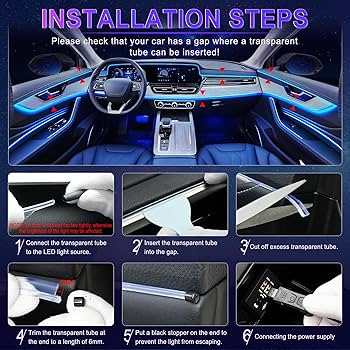
Are you ready to give your car a fresh, modern look that stands out on the road? Adding LED lights to your vehicle is one of the easiest and most effective ways to do just that.
Whether you want brighter interior lighting, eye-catching underglow, or enhanced headlights, installing LED lights can transform your driving experience. In this guide, you’ll discover simple steps to put LED lights in your car without needing to be an expert. Stick with me, and by the end, you’ll have the confidence to upgrade your ride and turn heads wherever you go.
Let’s get started!

Credit: www.youtube.com
Choosing The Right Led Lights
LED lights improve the look and safety of your car. Picking the right ones is important for best results.
This guide helps you understand different types, brightness levels, colors, and car compatibility.
Types Of Led Lights
There are several LED types for cars. Each type suits different uses and places.
- Strip LEDs: Flexible strips good for interior or undercar lighting.
- Bulb LEDs: Replace standard bulbs in headlights or brake lights.
- Spot LEDs: Focused beams for fog lights or spotlights.
- Panel LEDs: Flat boards for wide area lighting inside the car.
Brightness And Color Options
Brightness is measured in lumens. More lumens mean brighter light. Choose brightness based on where you install the LEDs.
| Brightness (Lumens) | Best Use |
| 100-300 | Interior lighting |
| 400-800 | Parking and signal lights |
| 800+ | Headlights and fog lights |
Colors vary from white, blue, red, to multicolor options. Pick colors that match your style and legal rules.
Compatibility With Your Car
Check your car’s manual for LED compatibility. Some cars need specific voltage or fittings.
- Match LED size to existing bulb sockets.
- Use LEDs with correct voltage (usually 12V for cars).
- Consider CAN bus compatibility to avoid warning lights.
- Look for waterproof and heat-resistant LEDs for engine areas.
Gathering Necessary Tools
Installing LED lights in your car needs the right tools. This helps you work safely and finish faster.
Before starting, gather all tools and safety gear. This guide lists what you need.
Essential Tools Checklist
Use these tools to install LED lights properly in your car. Each tool has a clear job.
- LED light strips or bulbs designed for cars
- Wire strippers for clean connections
- Electrical tape to cover wires
- Crimp connectors for secure joins
- Multimeter to test voltage and connections
- Screwdrivers to open panels
- Zip ties to organize wires
- Power drill with small bits for mounting
- Fuse taps for tapping into your car’s fuse box
Safety Equipment
Safety gear protects you and your car during the LED light installation.
| Safety Item | Purpose |
| Safety glasses | Protect eyes from sparks and debris |
| Gloves | Keep hands safe from cuts and electrical shocks |
| Work light | Provide clear view in dark car areas |
| Fire extinguisher | Handle electrical fires quickly |
| Non-slip shoes | Prevent slipping while working |
Preparing Your Car
Installing LED lights in your car needs proper preparation. Clean the area well and plan the light layout carefully.
This helps the lights stick better and look neat when installed.
Cleaning The Installation Area
Start by cleaning the car surfaces where you want to place the LED lights. Dirt and grease can stop the lights from sticking properly.
- Use soap and water to remove dust and dirt
- Dry the area with a clean cloth
- Wipe the surface with rubbing alcohol to remove oil
- Let the surface dry completely before continuing
Planning The Layout
Measure and decide where each LED strip or light will go. This saves time and avoids mistakes.
| Area | Recommended Placement | Notes |
| Under Dashboard | Along edges | Avoid blocking pedals |
| Footwell | Floor corners | Keep wires away from feet |
| Door Panels | Along trim lines | Check door movement |
Installing Interior Led Lights
Adding LED lights inside your car can make the cabin look modern and bright. You can install these lights yourself with a few tools and steps.
This guide will help you put LED strips inside your car safely and neatly. Follow each step carefully for the best results.
Mounting Led Strips
Choose flat surfaces inside your car to place the LED strips. Clean the area well to remove dust and dirt before sticking the strips.
Most LED strips come with adhesive backing. Peel off the cover and press the strip firmly on the surface. Hold it for a few seconds to stick well.
- Pick spots like under the dashboard or along door panels
- Use alcohol wipes to clean the mounting area
- Press strips firmly for strong adhesion
- Avoid areas that get very hot or wet
Connecting To Power Source
Find a power source that turns on with your car, like the fuse box or cigarette lighter socket. This way, the lights switch on only when the car is running.
Use a fuse tap or adapter to connect the LED wires safely. Match the positive and negative wires correctly to avoid short circuits.
- Locate a switched power source in the car
- Use proper connectors or fuse taps
- Connect red wire to positive (+) and black wire to negative (-)
- Test connection before final installation
Securing Wires And Cables
Hide wires under panels or carpet to keep them safe and neat. Use cable ties or clips to hold wires in place and stop them from moving.
Make sure wires do not block any controls or moving parts. Check that the cables are not stretched or bent sharply to avoid damage.
- Route wires along existing wiring paths
- Secure wires with cable ties or clips
- Avoid sharp bends and pinching points
- Keep wires away from heat sources
Installing Exterior Led Lights
Installing exterior LED lights on your car can improve visibility and style. These lights are easy to set up with some basic tools.
This guide will help you place, protect, and test your LED lights for the best performance.
Positioning The Lights
Choose spots where the lights will shine clearly and not block your view. Common places are under the car, near the wheels, or on the front bumper.
Make sure the lights are easy to reach for wiring and maintenance. Avoid areas where dirt or water can cover the lights.
- Check local laws for allowed light positions
- Avoid placing lights near moving parts
- Keep wires away from hot surfaces
Weatherproofing The Installation
Protect your LED lights and wiring from water and dirt. Use waterproof covers or sealant to keep moisture out.
Secure all connections with electrical tape or shrink tubing. This stops corrosion and keeps the lights working longer.
- Use silicone sealant on wire joints
- Cover lights with waterproof housings
- Check seals regularly for damage
Testing And Adjustments
After installation, test your LED lights in a dark place. Check if all lights turn on and shine evenly.
If lights flicker or do not work, check wiring connections. Adjust the position if the light beam is not aimed correctly.
- Test lights with engine on and off
- Fix loose wires immediately
- Adjust angle for best visibility

Credit: www.chevymalibuforum.com
Ensuring Safety And Compliance
Installing LED lights in your car can improve visibility and style. It is important to do it safely and follow rules.
Ignoring safety or laws can cause accidents or fines. Learn how to put LED lights in your car the right way.
Understanding Legal Regulations
Each place has rules about car lights. These rules keep roads safe for everyone. Know your local laws before installing LED lights.
Some laws limit the colors, brightness, or placement of lights. Illegal lights can distract other drivers or cause confusion.
- Check if LED colors are allowed on your vehicle
- Make sure lights do not flash or blink unless legal
- Keep lights at correct brightness and angle
- Avoid placing lights where they blind other drivers
- Follow rules for front, rear, and side lights
Avoiding Common Mistakes
Many people make errors when adding LED lights. These mistakes reduce safety or break rules. Avoid these common problems.
- Do not install too many lights or very bright ones
- Avoid wiring errors that cause electrical issues
- Do not block important parts like headlights or signals
- Use proper fuses and secure connections to prevent fires
- Test lights in daylight and darkness for proper function
Using quality LED kits and following instructions helps prevent issues. If unsure, ask a professional to help with installation.
Enhancing Aesthetic Appeal
Adding LED lights to your car can make it look unique and stylish. The lights brighten up the interior and exterior.
With the right LED setup, you can create a custom look that fits your style. It also makes your car stand out.
Creating Custom Lighting Effects
You can design your own lighting effects using LED strips or bulbs. Choose colors and patterns that match your taste.
Some LED kits come with remote controls or apps. These let you change colors and effects easily while driving or parked.
- Use color-changing LEDs for variety
- Install lights under the dashboard or seats
- Add LED strips around door panels
- Try flashing or fading effects for attention
- Match light colors with your car’s interior
Maintaining The Led Setup
Keep your LED lights clean to keep them bright. Dust and dirt can reduce their shine over time.
Check the wiring regularly to avoid loose connections. Secure wires to prevent damage from movement or heat.
- Wipe LED surfaces with a soft cloth
- Inspect wires for wear or cuts
- Replace damaged LEDs quickly
- Keep battery and fuse in good condition
- Follow the manufacturer’s instructions
Troubleshooting Common Issues
LED lights add a bright, modern look to your car. Sometimes, they may not work as expected. Troubleshooting helps you fix common problems quickly.
Below are ways to deal with flickering lights and power supply problems. Follow these tips to keep your LED lights running smoothly.
Dealing With Flickering Lights
Flickering LED lights often mean a loose connection or wrong installation. Check the wiring and connectors carefully.
- Inspect all wire connections for tightness.
- Look for damaged or frayed wires.
- Make sure LED lights match your car’s voltage.
- Test the bulbs by swapping with known good ones.
- Clean any corrosion on connectors or contacts.
Solving Power Supply Problems
Power supply issues cause LEDs not to light up or work weakly. Check the battery and fuses first.
| Problem | Possible Cause | Solution |
| LEDs do not turn on | Blown fuse | Replace fuse with correct rating |
| Lights dim or fade | Weak car battery | Charge or replace battery |
| Intermittent light | Loose ground connection | Secure ground wire tightly |
| Power overload | Too many LEDs on one circuit | Use separate circuits or add resistors |
Credit: www.jaginfo.org
Frequently Asked Questions
How Do I Install Led Lights In My Car Interior?
To install LED lights inside your car, first disconnect the battery. Choose your LED kit and locate a power source. Securely mount the lights under the dashboard or seats. Connect wires to the power source and ground. Test the lights before fully securing them in place.
Can I Put Led Lights Under My Car?
Yes, you can install LED lights under your car for a glowing effect. Use waterproof LED strips and secure them on the chassis. Ensure proper wiring to the battery with a fuse for safety. Avoid hot or moving parts to prevent damage.
What Tools Are Needed To Install Car Led Lights?
Basic tools include wire strippers, electrical tape, a screwdriver, and a multimeter. You may also need zip ties and connectors. These help in cutting, connecting, and securing the LED light wires safely and neatly.
Are Led Car Lights Legal For Road Use?
Legality varies by location, but most places restrict colors like blue or red. White or amber LEDs are typically allowed for interior or underglow lighting. Always check local laws to avoid fines and ensure your lights are compliant.
Conclusion
Adding LED lights to your car is simple and fun. It improves your car’s look and helps you see better at night. Follow safety rules and use the right tools for best results. Take your time and double-check connections to avoid problems.
Enjoy the brighter, cooler feel inside your car. Now, your car stands out on the road. Try it yourself and see the difference.