Have you ever noticed your car headlights looking dimmer than they used to? It’s a common issue that can affect your safety on the road, especially at night or in bad weather.
You might wonder if this is normal or if something is wrong with your vehicle. Understanding why your headlights dim over time can help you keep your vision clear and drive confidently. Keep reading to discover the reasons behind fading headlights and what you can do to fix them before it becomes a real problem.

Credit: www.royalincarparts.com
Causes Of Dimming Headlights
Car headlights can lose their brightness over time. This dimming happens for different reasons. Knowing these causes helps you fix the problem early.
Some causes are simple, like old bulbs. Others involve parts like the lens or wiring. Let’s explore the main reasons why headlights dim.
Aging Bulbs
Headlight bulbs get weaker as they age. The filament inside the bulb wears down from use. This reduces the light output.
Old bulbs may still work but shine less brightly. Replacing bulbs every few years keeps headlights bright and safe.
Oxidation Of Lens
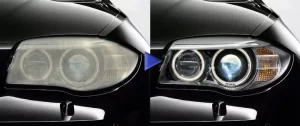
The lens covers the headlight bulb. Over time, the plastic lens can get cloudy. This happens because of oxidation from sunlight and air.
A cloudy lens blocks some light. It makes headlights look dim even if the bulb is fine. Cleaning or replacing the lens can help.
Electrical System Issues
The car’s electrical system powers the headlights. Problems like a weak battery or bad alternator can lower power to the bulbs. This causes dim light.
Checking the battery and alternator ensures the headlights get enough power. Fixing electrical issues restores proper brightness.
Wiring Problems
Wiring carries electricity from the battery to the headlights. Over time, wires can get loose, corroded, or damaged. This stops enough power from reaching the bulbs.
Inspecting and repairing wiring keeps the electrical flow steady. Good wiring helps headlights shine at full strength.
Signs Of Dim Headlights
Car headlights can lose their brightness as time passes. This happens due to wear and tear or dirt buildup.
It is important to spot signs of dim headlights early. This helps keep your driving safe at night or in bad weather.
Reduced Visibility
Dim headlights make it harder to see the road ahead. Objects, signs, and pedestrians become less visible.
This reduces your reaction time and increases the risk of accidents. You may notice you squint more at night.
Yellowish Tint
Headlights can turn yellowish over time. This happens due to oxidation on the lens surface.
A yellow tint reduces the amount of white light that shines on the road. This makes your lights look dull.
- Yellowing is common in older cars
- Sun exposure speeds up this process
- Cleaning or polishing can help temporarily
Uneven Light Output
Sometimes headlights shine unevenly. One side may be brighter or dimmer than the other.
This can be caused by dirt, damage, or bulb issues. Uneven light makes it harder to see and may blind other drivers.
Easy Fixes For Dim Headlights
Car headlights can become dim over time. This can make driving at night unsafe. Fixing dim headlights is often simple.
Try a few easy steps to make your headlights brighter again. You do not always need a mechanic.
Replacing The Bulbs
Headlight bulbs lose brightness after many hours of use. Replacing old bulbs with new ones can restore light quickly. Use the correct bulb type for your car.
Always handle bulbs with clean hands or gloves. Oils from your skin can shorten bulb life.
- Turn off the car and open the hood
- Locate the headlight bulb holder
- Remove the old bulb carefully
- Install the new bulb without touching the glass
- Test the lights before closing the hood
Cleaning Headlight Lenses
Dirty or cloudy lenses reduce light output. Dirt, dust, and oxidation build up on lenses over time. Cleaning them improves brightness.
You can clean lenses with special kits or simple household items like toothpaste. Be gentle to avoid scratches.
- Wash the lenses with soap and water
- Apply a cleaning paste or kit product
- Rub the lens in small circles
- Rinse and dry the lenses completely
- Repeat if needed for clearer lenses
Checking The Electrical System
Electrical problems can cause headlights to dim. Loose wires, bad fuses, or worn connectors reduce power to bulbs.
Check the wiring and fuses for damage. Fixing electrical issues can restore full light strength.
- Inspect headlight wiring for cuts or corrosion
- Check the fuse box for blown headlight fuses
- Clean or replace damaged connectors
- Test the headlight switch and dimmer controls
- Consult a mechanic if issues continue
Preventive Maintenance Tips
Car headlights can dim over time due to use and weather. Keeping them bright helps you drive safely at night.
Regular maintenance can stop headlights from getting too dim. You can do some simple checks and cleaning yourself.
Regular Inspections
Check your headlights often to see if they are dim or cloudy. Inspect them at least once a month.
Look for cracks or moisture inside the headlight cover. These can reduce light and cause damage.
- Turn on headlights and check brightness
- Look for dirt, cracks, or fogging
- Make sure headlights aim correctly
- Replace bulbs that flicker or are dim
Proper Cleaning Techniques
Keep your headlights clean to prevent dimming. Dirt and grime block light and make headlights look dull.
Use a soft cloth and mild soap with water. Avoid harsh chemicals that can damage the plastic cover.
- Wash headlights gently with soap and water
- Dry with a soft, clean cloth
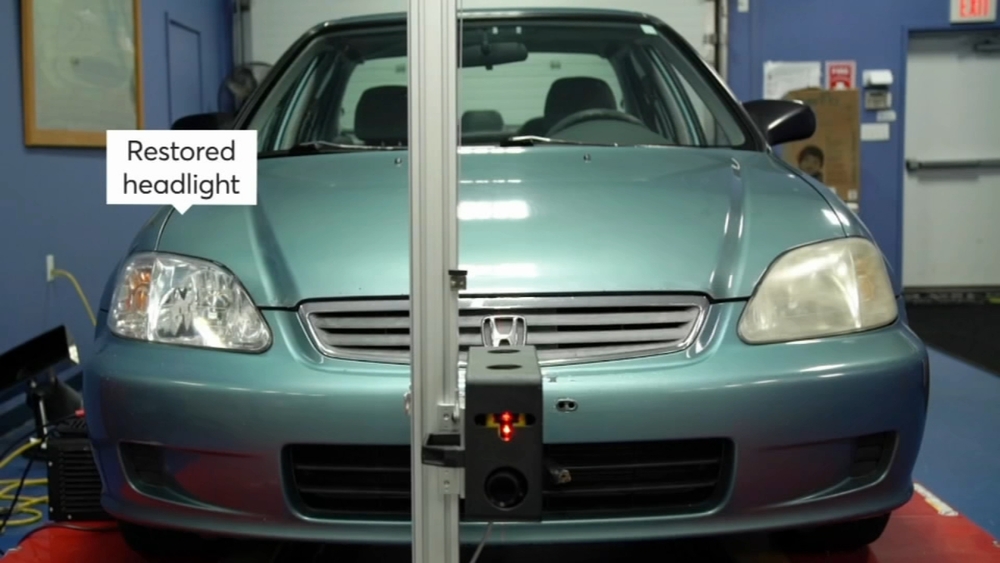
- Use a headlight restoration kit if cloudy
- Do not use abrasive cleaners or brushes
Keeping The Electrical System Healthy
The electrical system powers your headlights. Faulty wiring or battery problems can make headlights dim.
Check your car’s battery and wiring regularly. Good connections help headlights shine at full strength.
- Test battery voltage and replace if weak
- Inspect wiring for corrosion or damage
- Ensure headlight fuses are intact
- Fix loose or dirty electrical connections
When To Seek Professional Help
Car headlights can grow dim over time due to various reasons. Some issues need a mechanic’s attention to keep your lights bright and safe.
Knowing when to ask for professional help can save you time and avoid further damage to your vehicle.
Persistent Dimness
If your headlights stay dim after cleaning and replacing bulbs, this may show a deeper problem. A professional can check the wiring and power supply to fix this issue properly.
Complex Electrical Issues
Sometimes, the dim headlights come from tricky electrical faults. These can include bad wiring, blown fuses, or battery problems. A mechanic uses special tools to find and fix these problems safely.
- Check wiring connections for corrosion or damage
- Test headlight switch and relays
- Inspect battery and alternator health
- Replace blown fuses or faulty parts
Advanced Lens Damage
Scratches, cracks, or heavy fogging on lenses can reduce headlight brightness. Professionals can repair or replace lenses to restore clear light output.
| Type of Lens Damage | Effect on Headlight | Professional Solution |
| Scratches | Scatters light | Buffing or polishing |
| Cracks | Lets moisture in | Lens replacement |
| Fogging | Blocks light | Cleaning or replacing lens |

Credit: www.hidprojectors.com
Credit: 6abc.com
Frequently Asked Questions
Do Car Headlights Lose Brightness Over Time?
Yes, car headlights dim over time due to wear and exposure. The bulb filament weakens, and lenses may get cloudy, reducing brightness.
How Long Do Car Headlights Typically Last?
Most car headlights last between 500 to 1,000 hours. Factors like usage, bulb type, and environmental conditions affect their lifespan.
Can Cloudy Headlight Lenses Cause Dimming?
Absolutely. Cloudy or yellowed lenses scatter light and reduce visibility. Regular cleaning or restoration can improve brightness effectively.
Is Headlight Dimming A Safety Concern?
Yes, dim headlights reduce night visibility and increase accident risks. Timely maintenance ensures safer driving conditions.
Conclusion
Car headlights do dim over time due to wear and tear. Dirt, moisture, and heat cause the bulbs to lose brightness. Regular cleaning and timely replacement keep headlights shining bright. Clear headlights improve your safety on the road at night.
Check your lights often to avoid surprises while driving. Bright headlights help you see better and others see you clearly. Taking care of your headlights saves money and stress later. Simple maintenance keeps your car safe and lights strong. Don’t ignore dim headlights—they matter for safe driving every day.