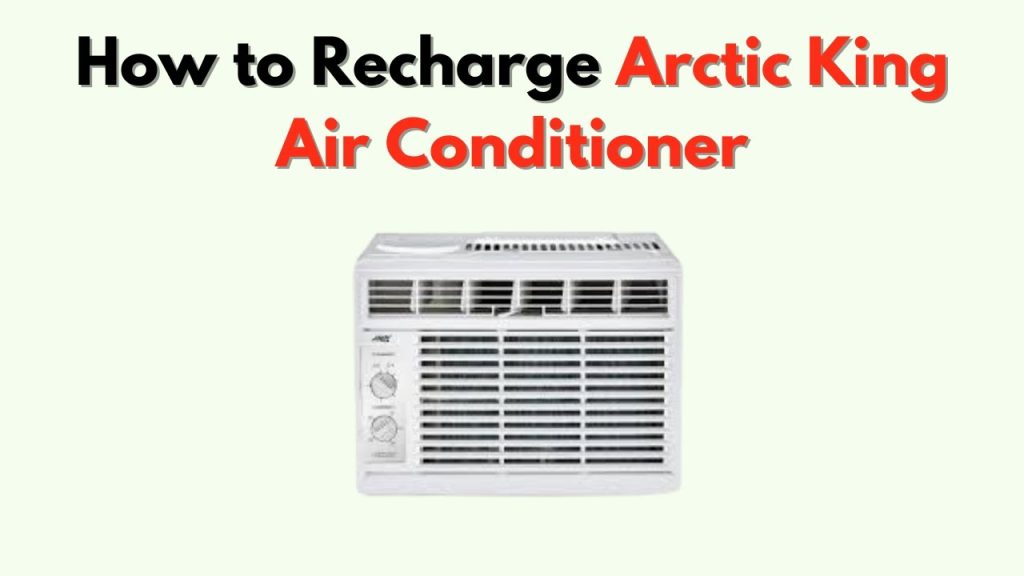
Is your home air conditioner not cooling like it used to? You might need to recharge it.
Knowing how to recharge your air conditioner can save you money and keep your home comfortable all year round. You’ll discover simple steps to get your AC running efficiently again. By the end, you’ll feel confident about handling this task yourself or knowing when to call a professional.
Keep reading to learn how to bring cool air back into your home quickly and safely.

Credit: www.youtube.com
Preparing For The Recharge
Gathering the right tools and suppliesis key before recharging a home air conditioner. Basic items include a refrigerant gauge set, refrigerant tank(usually R-22 or R-410A), wrench, and safety glasses. A leak detectorcan help find any leaks first.
Safety is very important. Always wear safety gogglesand gloves. Make sure the power to the AC unit is turned off. Avoid inhaling refrigerant or touching it with bare skin. Work in a well-ventilated areato avoid harmful gas buildup.
Knowing your AC system type helps. Check the model numberor user manual. Some systems use R-22 refrigerant, others use R-410A. Using the wrong type can damage the unit. Also, learn if your system uses a split systemor a window unit. This affects how you recharge it.
Locating The Service Port
The service valvecontrols the flow of refrigerant in the air conditioner. It is usually near the outdoor unit. This valve allows technicians to connect gauges and add refrigerant safely.
Access to the service portmust be done carefully. Wear protective gloves and goggles. Avoid touching hot or moving parts around the unit. Make sure the unit is turned off before opening the valve.
- Locate the service port on the outdoor unit.
- Check for valve caps and remove them gently.
- Use the correct gauge set to connect to the valve.
- Open the valve slowly to prevent sudden pressure release.
- Close the valve tightly after recharging is complete.
Checking Refrigerant Levels
A refrigerant gaugehelps check the air conditioner’s refrigerant level. Connect the gauge to the service valve on the unit. The gauge shows pressure readings in PSI (pounds per square inch).
Use the gauge readings to find out if the refrigerant is low. Compare the numbers with the recommended pressure listed in the AC manual. Low pressure means the unit needs more refrigerant.
| Gauge Reading (PSI) | Meaning |
|---|---|
| Below 60 PSI | Low refrigerant, needs recharging |
| 60 – 90 PSI | Normal operating range |
| Above 90 PSI | High pressure, possible issue |

Credit: www.youtube.com
Adding Refrigerant To The Ac
Start by attaching the refrigerant can to the AC’s service valve. Use a hose and gauge set to connect the can securely. Make sure the connections are tight to avoid leaks.
Release the refrigerant slowly. Open the valve on the can just a little bit. Watch the pressure gauge to see the level rise. Avoid releasing too fast to prevent damage.
Keep an eye on the pressure readings while filling. Stop adding refrigerant once the gauge shows the recommended pressure. Overfilling can cause issues with the system’s performance.
Testing The Air Conditioner
Testing the air conditioner helps keep it working well. It shows if the unit cools the room properly. Check the airflow to feel strong and cold air. Measure the temperature difference between air in and air out. This tells if the system cools as it should.
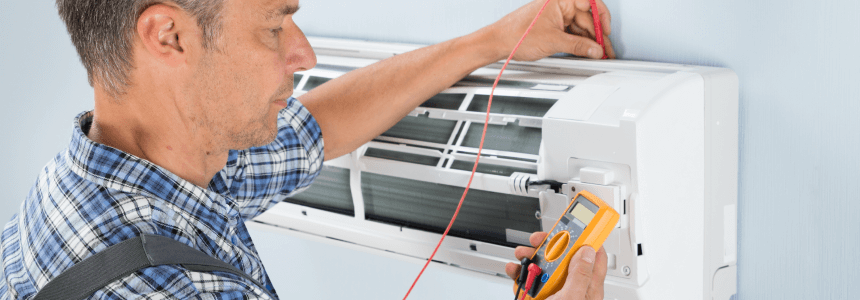
Checking for leaks is very important. Leaks let the coolant escape, making the AC less cool. Look for oily spots or damage near pipes and connections. Use a leak detector or soapy water to find bubbles. Fix any leaks before recharging the system. This keeps the air conditioner safe and efficient.
Credit: www.libertyhomeguard.com
Maintenance Tips
Regular inspectionhelps catch small problems early. Check for dirt or debris on coils and filters. Clean or replace filters every 1-2 months. Look for leaks or damaged wires around the unit. Listen for unusual noises that may mean trouble. Make sure the outdoor unit is clear of plants and debris. Keeping the system clean improves efficiencyand air quality.
Seeking professional help is important when:
- The air conditioner is not cooling well.
- There is ice on the coils or pipes.
- Strange smells or noises appear.
- Leaks or electrical issues are noticed.
- You need to recharge refrigerant safely.
Professionals have the right tools and knowledge. They ensure the system runs safelyand effectively.
Frequently Asked Questions
How Often Should I Recharge My Home Air Conditioner?
You should recharge your air conditioner when cooling efficiency drops. Typically, check annually or if you notice weak airflow or warm air. Regular maintenance prevents leaks and ensures optimal refrigerant levels for efficient cooling and energy savings.
Can I Recharge My Home Ac Myself Safely?
Yes, you can recharge your home AC if you follow safety guidelines. Use proper tools like a refrigerant gauge and wear protective gear. However, handling refrigerants requires care to avoid leaks or damage, so consider professional help if unsure.
What Type Of Refrigerant Does My Home Ac Use?
Most home air conditioners use R-410A or R-22 refrigerant. Check your AC unit’s label or manual to confirm the type. Using the correct refrigerant ensures efficient cooling and prevents system damage during recharge.
How Do I Know If My Ac Needs Recharging?
Signs include reduced cooling, longer running times, or ice buildup on coils. Low refrigerant causes these issues. If your AC struggles to cool your home, it’s time to check refrigerant levels and consider recharging.
Conclusion
Recharging a home air conditioner keeps it cool and efficient. Regular checks help spot leaks or low refrigerant early. Always follow safety steps to avoid damage or injury. Calling a professional can save time and prevent mistakes. A well-maintained AC saves energy and lowers bills.
Small efforts bring long-term comfort and peace of mind. Keep your home cool, fresh, and comfortable all summer. Simple care makes a big difference in how your AC works.