Keeping your car’s tires in good shape is one of the easiest ways to save money and stay safe on the road. But do you know the simple step that can help your tires last longer and improve your car’s performance?
It’s called tire rotation. If you want to avoid uneven tire wear and get the most out of your tires, learning how to rotate them is a skill you don’t want to miss. You’ll discover easy, step-by-step instructions to rotate your tires like a pro—and why doing it regularly can make a big difference for your car and your wallet.
Keep reading to find out how this simple task can boost your driving experience.
Benefits Of Tire Rotation
Tire rotation means moving tires from one position to another on your car. This helps all tires wear out evenly. It keeps your car safe and saves money.
Rotating tires regularly makes them last longer. It also improves your car’s handling and fuel efficiency.
Extends Tire Life
Tires wear differently depending on their position. Front tires often wear faster because they steer and carry more weight. Rotating tires helps balance the wear. This means your tires last longer and you replace them less often.
Improves Vehicle Safety
Even tire wear helps your car stay stable on the road. It improves traction and braking. This reduces the risk of accidents, especially on wet or slippery roads.
Enhances Fuel Efficiency
Uneven tires create more rolling resistance. This means your car uses more fuel to move. Rotating tires keeps them balanced and smooth. Your car uses less fuel and saves money on gas.
Maintains Smooth Ride
Tires that wear unevenly can cause vibrations or noise while driving. Rotating tires ensures they wear evenly. This keeps your ride smooth and quiet for a better driving experience.
Protects Your Warranty
Many tire manufacturers require regular rotation to keep the warranty valid. Following the rotation schedule helps you avoid losing warranty coverage. This means you can get repairs or replacements if needed.
Credit: www.michelin.ca
Tools Needed For Tire Rotation
Rotating your car tires regularly helps them wear evenly. You need the right tools to do this safely and correctly.
This guide covers the basic tools needed for tire rotation. Having these ready will make the job easier.
Jack
A jack lifts your car off the ground. It must be strong enough to hold your vehicle safely. A hydraulic floor jack is best for stability.
Jack Stands
Jack stands support the car after lifting it with the jack. Never rely on the jack alone. Stands keep the car steady during tire changes.
Lug Wrench
A lug wrench removes and tightens lug nuts on your wheels. Cross-shaped or socket types work well. Make sure it fits your car’s lug nuts.
Torque Wrench
A torque wrench ensures lug nuts are tightened to the right pressure. This prevents damage and keeps wheels secure. Check your car manual for the correct torque.
Wheel Chocks
Wheel chocks block the wheels still on the ground. They stop the car from rolling during tire rotation. Place them on the opposite side of the tires being lifted.
Gloves And Safety Gear
Wear gloves to protect your hands. Safety glasses keep dirt and debris out of your eyes. Safety gear helps avoid injury during the work.
Summary Of Tools
- Hydraulic floor jack
- Jack stands
- Lug wrench (cross or socket type)
- Torque wrench
- Wheel chocks
- Protective gloves and safety glasses
Preparing Your Vehicle
Rotating your car tires helps them wear evenly. It also improves your car’s handling and safety.
Before you start, make sure your vehicle is ready. Preparing well makes the job easier and safer.
Park Safely
Find a flat, level spot to park your car. This stops the car from moving while you work.
Turn off the engine and set the parking brake. This keeps the car still and safe.
Gather Materials
Collect all the tools you will need before you start. This saves time and frustration.
- Lug wrench or tire iron
- Car jack
- Jack stands for safety
- Wheel chocks to block tires
- Gloves for hand protection
Loosen Lug Nuts
Use the lug wrench to loosen the lug nuts on each tire. Do this before lifting the car.
Turn the nuts counterclockwise but do not remove them yet. This step is easier with the car on the ground.
Credit: www.michelin.ca
Tire Rotation Patterns
Tire rotation helps your tires wear evenly. This improves tire life and car safety.
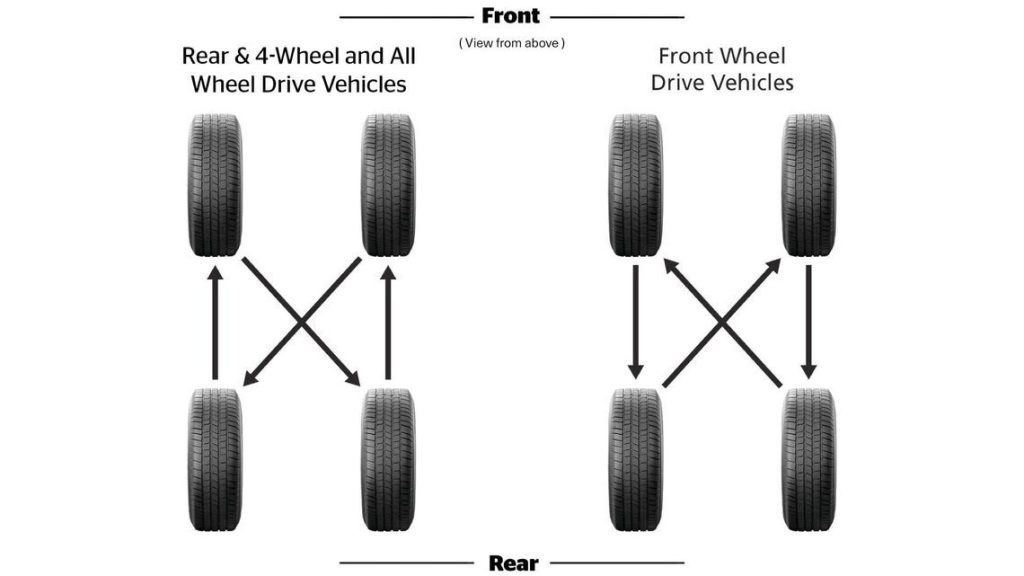
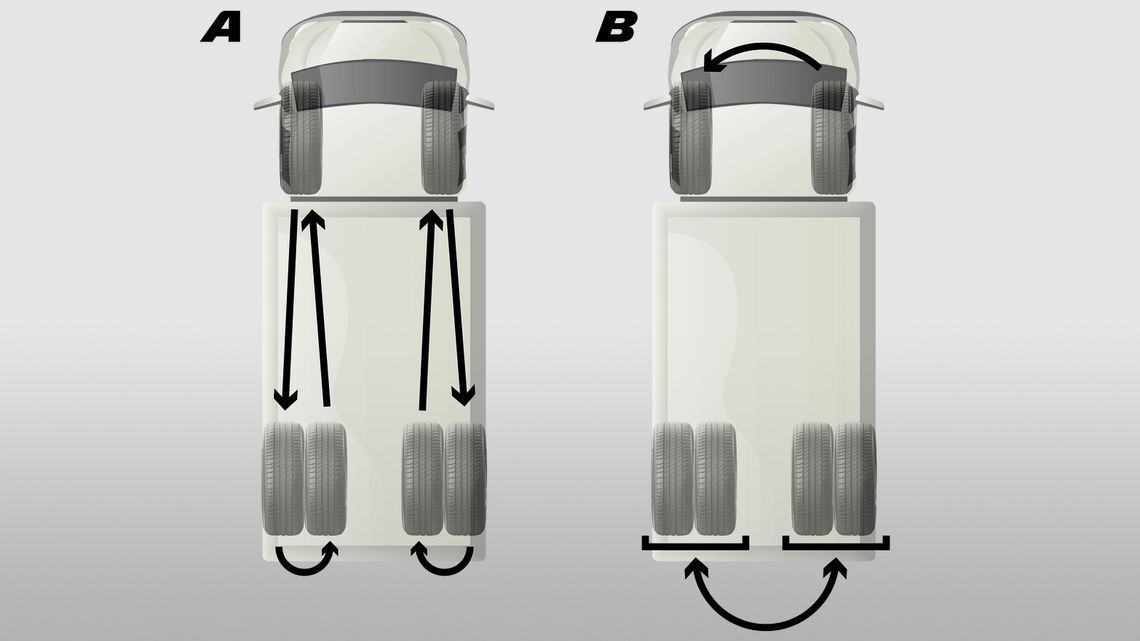
Different cars need different rotation patterns. The pattern depends on the drive type.
Front-wheel Drive
Front-wheel drive cars put more wear on front tires. The front tires handle steering and power.
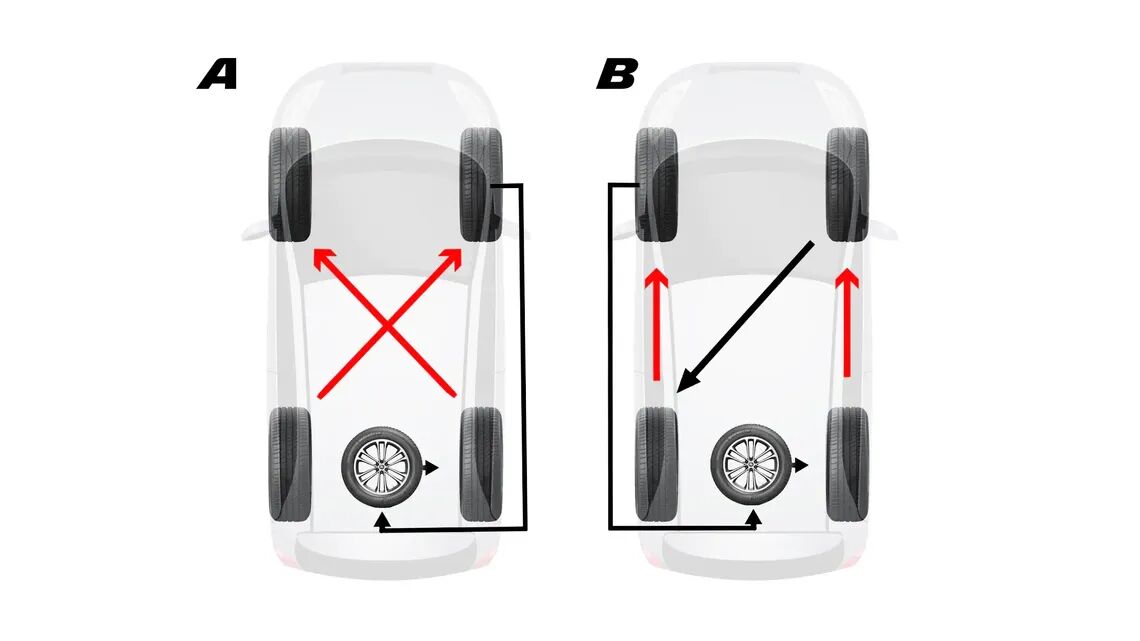
Use the “Forward Cross” pattern for front-wheel drive cars. Move front tires straight back. Move rear tires to the front but switch sides.
- Front left tire → Rear left
- Front right tire → Rear right
- Rear left tire → Front right
- Rear right tire → Front left
Rear-wheel Drive
Rear-wheel drive cars wear rear tires faster. Rear tires get most power and traction.
The “Rearward Cross” pattern works well here. Rear tires move straight to the front. Front tires switch sides and go to the rear.
- Rear left tire → Front left
- Rear right tire → Front right
- Front left tire → Rear right
- Front right tire → Rear left
All-wheel Drive
All-wheel drive cars use all tires for power. Tires wear evenly but still need rotation.
The “X-Pattern” is best for all-wheel drive. Front tires move to the opposite rear positions. Rear tires move to the opposite front positions.
- Front left tire → Rear right
- Front right tire → Rear left
- Rear left tire → Front right
- Rear right tire → Front left
Step-by-step Tire Rotation
Rotating your car tires helps them wear evenly and last longer. It is a simple process that you can do at home with basic tools.
This guide will show you how to rotate your tires safely and correctly in a few easy steps.
Jack Up The Car
Find a flat surface and park your car. Use a jack to lift one side of the car at a time. Make sure to place the jack under the car’s frame for safety.
Once the car is lifted, secure it with jack stands before removing any tires. Never work under a car supported only by a jack.
Remove Tires
Use a lug wrench to loosen the lug nuts on each tire. Remove the nuts completely and take the tires off the wheel hubs. Keep the lug nuts in a safe place.
- Loosen lug nuts before jacking up the car.
- Remove one tire at a time.
- Place tires flat on the ground to avoid damage.
Switch Tire Positions
Move the tires to their new positions according to your car’s drivetrain type. For front-wheel drive, move front tires to the back on the same side and swap rear tires front-to-front.
| Drivetrain | Rotation Pattern |
| Front-Wheel Drive | Front tires to rear on same side; rear tires cross to front |
| Rear-Wheel Drive | Rear tires to front on same side; front tires cross to rear |
| All-Wheel Drive | Cross tires front to rear and rear to front |
Reattach Tires
Put the tires back on the wheel hubs. Hand-tighten the lug nuts first. Then lower the car and use a wrench to fully tighten the lug nuts in a star pattern to ensure even pressure.
- Place tire on hub and hand-tighten lug nuts.
- Lower the car from the jack stands.
- Tighten lug nuts in a star pattern with a wrench.
- Check all nuts for tightness before driving.

Credit: www.reddit.com
Checking Tire Pressure And Tread
Rotating your car tires helps them wear evenly. Checking tire pressure and tread is key before you start.
Proper pressure keeps your car safe. Good tread helps with grip on the road.
Measure Tire Pressure
Use a tire pressure gauge to check each tire. Do this when the tires are cold for best results.
Compare the reading to the pressure number in your car manual or driver’s door. Add air if low or release if too high.
- Remove the valve cap
- Press the gauge firmly on the valve
- Read the pressure on the gauge
- Adjust air as needed
- Replace the valve cap
Inspect Tread Wear
Look at the tire tread to see if it wears evenly. Uneven wear can cause poor handling and unsafe driving.
Use a tread depth gauge or a penny to check tread depth. Replace tires if the tread is too low.
- Insert a penny into the tread with Lincoln’s head down
- If you see the top of Lincoln’s head, tread is too low
- Check all tires on the car
- Look for bald spots or cracks
- Uneven wear may mean a need for rotation or alignment
Rebalancing And Alignment
Rotating tires helps your car drive smoothly and last longer. Two key parts are rebalancing and alignment.
Rebalancing fixes tire weight issues. Alignment adjusts wheel angles to drive straight.
Importance Of Rebalancing
Rebalancing makes sure tires spin evenly. It stops vibrations while driving.
Unbalanced tires wear out faster. They can cause steering problems and damage suspension parts.
- Reduces tire wear
- Improves fuel efficiency
- Prevents steering wheel shake
- Protects suspension components
Checking Alignment
Alignment means setting wheels to the right angles. Proper alignment helps the car drive straight.
Bad alignment causes uneven tire wear. It can pull the car to one side and reduce control.
- Prevents uneven tire wear
- Keeps car driving straight
- Improves handling and safety
- Increases tire life
Maintaining A Tire Rotation Schedule
Rotating your tires regularly keeps them wearing evenly. This helps your car drive safely and can save money on new tires. A good schedule is key to getting the best out of your tires.
Following a set plan makes tire care easy. You can avoid uneven wear and extend tire life by sticking to a rotation routine.
Frequency Of Rotation
Most car makers suggest rotating tires every 5,000 to 7,500 miles. This range fits many driving styles and road types. Check your owner’s manual to find the best time for your car.
- Rotate tires every 5,000 to 7,500 miles
- Check tire pressure and tread depth at each rotation
- Adjust schedule for off-road or rough road driving
- Consider rotation more often in extreme weather
Keeping Records
Tracking tire rotations helps you keep to the schedule. You can note dates and mileage to avoid missing a rotation. This record is useful for car maintenance and resale value.
| Date | Mileage | Notes |
| March 10, 2024 | 12,000 | Front to back rotation |
| August 15, 2024 | 18,000 | Checked tire pressure |
| January 5, 2025 | 24,500 | Rotation with alignment check |
Frequently Asked Questions
How Often Should I Rotate Tires On My Car?
Tire rotation is recommended every 5,000 to 7,500 miles. Regular rotation ensures even tire wear and extends tire life. Check your vehicle’s manual for specific intervals.
What Is The Correct Tire Rotation Pattern?
Common patterns include front-to-back for non-directional tires and X-pattern for front-wheel-drive cars. Always follow manufacturer guidelines for best results.
Can I Rotate Tires Myself Safely?
Yes, with the right tools and knowledge, tire rotation is safe to do at home. Use a jack, jack stands, and follow safety protocols.
Why Is Tire Rotation Important For My Car?
Rotating tires promotes even tread wear, improves handling, and enhances fuel efficiency. It also prevents premature tire replacement and improves overall safety.
Conclusion
Rotating tires helps your car last longer and drive safer. It spreads wear evenly across all tires. This simple step saves money on tire replacements. Regular rotation improves fuel efficiency and handling. Check your car manual for the right pattern.
Keep a schedule—every 5,000 to 7,000 miles works well. Doing it yourself or visiting a mechanic both work fine. Remember, healthy tires mean a smoother, safer ride every time. Don’t skip this easy, important car care task.