
Are you thinking about hitting the road with a tent trailer but unsure how much it weighs? Knowing your tent trailer’s weight is crucial for safe towing and a smooth trip.
It affects everything—from the type of vehicle you need to how you pack your gear. You’ll discover the key factors that determine tent trailer weight and why it matters for your next adventure. Keep reading to make sure you’re fully prepared before you hit the road.
Tent Trailer Basics
Tent trailers are a popular choice for camping. They are easy to tow and set up.
Knowing how much a tent trailer weighs helps with safe towing. It also affects fuel use.
Definition And Features
A tent trailer is a small camper that folds out like a tent. It has a solid base and canvas sides.
These trailers offer protection from weather and bugs. They are lighter than hard-sided campers.
- Compact and easy to tow
- Canvas walls that fold down
- Basic sleeping and storage space
- Often has a small kitchen area
Types Of Tent Trailers
Tent trailers come in several types. Each type has different weight and features.
Choosing the right type depends on your camping needs and towing vehicle.
- Pop-up Tent Trailers:Fold flat for easy towing. Lightweight and simple.
- Hard-Side Tent Trailers:Have hard walls with a tent roof. Heavier but more durable.
- Expandable Tent Trailers:Offer more space by expanding sides. Weight varies with size.

Credit: www.stresslesscamping.com
Factors Affecting Tent Trailer Weight
The weight of a tent trailer changes based on many things. Knowing these factors helps when towing or storing the trailer.
Weight affects fuel use, safety, and which vehicle can pull the trailer. Let’s look at what makes tent trailers heavier or lighter.
Materials Used
The materials used in building a tent trailer affect its total weight. Some materials are heavier, while others are light and strong.
Common materials include aluminum, steel, wood, and fabric. Aluminum is light but strong. Steel is heavier but very durable.
- Aluminum frames reduce weight for easier towing
- Steel parts add weight but increase durability
- Wood adds natural weight and style
- Thick fabric can add some weight to the tent portion
Size And Dimensions
Bigger tent trailers weigh more because they use more materials. The length, width, and height all add to the total weight.
Larger trailers need stronger frames and bigger tires, which also add to weight. Compact trailers are easier to tow and lighter.
- Longer trailers have more frame and tent fabric
- Wider trailers need bigger floor panels and supports
- Taller trailers may have heavier roof structures
- Extra space adds weight from additional materials
Amenities And Add-ons
Extra features increase a tent trailer’s weight. Adding appliances, furniture, and storage makes it heavier.
Some add-ons are optional but can add hundreds of pounds. Each item must be considered for safe towing limits.
- Built-in kitchens and sinks add weight from plumbing and cabinets
- Extra beds or seating increase the trailer’s load
- Water tanks and batteries add significant weight
- Awning and roof racks also add to the total weight
Average Weight Range
Tent trailers come in many sizes and weights. Knowing their weight helps you pick the right one for your vehicle.
The average weight of tent trailers varies from light to heavy. This depends on materials and features.
Lightweight Models
Lightweight tent trailers usually weigh between 500 and 1,500 pounds. They are easy to tow with small cars or SUVs.
These models often have fewer features but are great for quick trips and easy setup.
- Weight range: 500-1,500 pounds
- Ideal for small vehicles
- Simple design and fewer extras
Mid-range Options
Mid-range tent trailers weigh from 1,500 to 3,000 pounds. They offer more space and comfort features.
These trailers fit well with midsize trucks and SUVs. They balance weight and amenities.
- Weight range: 1,500-3,000 pounds
- More living space
- Additional comfort features
Heavyweight Trailers
Heavyweight tent trailers weigh over 3,000 pounds. They have many features and larger living areas.
These trailers require strong vehicles to tow safely. They are good for long trips and big groups.
- Weight: over 3,000 pounds
- Large living space
- Full comfort and storage
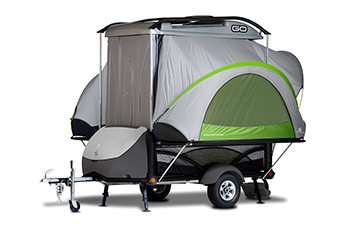
Credit: www.sylvansport.com
Importance Of Weight In Camping
Knowing the weight of your tent trailer is key for a safe camping trip. It affects how you tow, drive, and set up your trailer.
Too much weight can cause problems with your vehicle and make camping less fun. It is important to understand this factor well.
Towing Capacity Considerations
Your vehicle has a limit on how much weight it can pull safely. The tent trailer’s weight must be within this limit.
Check your vehicle’s towing capacity before buying or loading a tent trailer. Exceeding it can cause damage or accidents.
- Find towing capacity in the vehicle manual
- Include the trailer weight and cargo weight
- Keep some safety margin under the limit
Fuel Efficiency Impacts
Heavier tent trailers use more fuel when you tow them. This means higher travel costs and more stops for gas.
Reducing trailer weight can improve your vehicle’s fuel efficiency. Lighter loads help you save money and travel longer distances.
- Heavy trailers increase wind resistance
- More weight means the engine works harder
- Fuel use rises with weight and speed
Setting Up And Maneuverability
Weight affects how easy it is to move and set up your tent trailer at the campsite. Heavy trailers are harder to handle.
Lighter trailers are simpler to position and set up. They also make parking and backing up easier for most people.
- Heavy trailers need more effort to move by hand
- Light trailers can be set up faster
- Weight changes how the trailer responds while driving
How To Determine Trailer Weight
Knowing the weight of your tent trailer is important for safe towing. It helps you avoid damage to your vehicle and trailer. There are simple ways to find out the weight.
This guide explains three common methods to check your trailer’s weight. You can use manufacturer info, public scales, or estimate the load.
Checking Manufacturer Specifications
The first place to look is the trailer’s manual or label. Manufacturers list the dry weight or unloaded vehicle weight.
This weight does not include any cargo or water. It tells you the base weight of the trailer itself.
- Check the owner’s manual
- Look for a label on the trailer frame
- Search the manufacturer’s website
- Find the dry weight or curb weight
Using A Public Weigh Station
Public weigh stations are found near highways or truck stops. You can drive your trailer onto the scale to get an exact weight.
This method shows the total weight including your gear and water. Some stations charge a small fee.
| Item | Details |
| Location | Truck stops, highway weigh stations |
| Cost | Usually low or free |
| Accuracy | Very accurate for total weight |
| Use | Drive trailer fully loaded onto scale |
Estimating With Load
You can also estimate the trailer weight by adding the base weight and the weight of your cargo.
- Find the dry weight from the manual or label
- Weigh or estimate the weight of your gear and supplies
- Add the water weight (1 gallon = 8.34 pounds)
- Sum all weights for an estimated total
Example:Dry weight 1500 lbs + gear 200 lbs + water 50 lbs = 1750 lbs total weight.
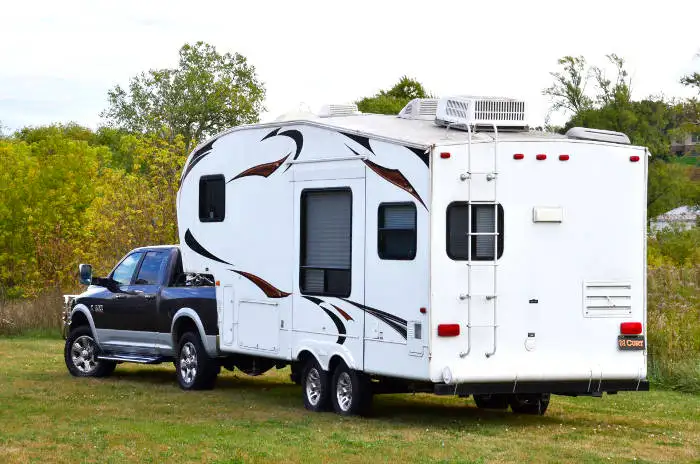
Credit: www.curtmfg.com
Tips For Managing Weight
Knowing how much your tent trailer weighs is important for safe travel. Managing weight helps keep your trailer balanced and easy to tow.
Use these tips to pack smart and keep your trailer safe on the road.
Packing Essentials Only
Bring only items you really need. Extra stuff adds weight and can make towing harder.
Focus on essentials like food, water, basic tools, and clothing.
- Pack lightweight camping gear
- Limit food to what you will use
- Avoid bringing duplicate items
Distributing Weight Evenly
Spread your load to keep the trailer balanced. Uneven weight can cause swaying or damage.
Put heavier items low and near the center. Lighter items go on top or at the ends.
- Place heavy gear over the axles
- Keep weight centered side to side
- Use storage compartments wisely
Regular Maintenance For Safety
Check your trailer often to keep it safe. Maintenance helps handle the weight better.
Inspect tires, brakes, and hitch before every trip.
- Check tire pressure and tread
- Test brake function regularly
- Ensure hitch is secure and lubricated
- Look for signs of wear or damage
Choosing The Right Tent Trailer
Choosing the right tent trailer makes camping more fun and safe. The trailer’s weight affects how easy it is to tow and use.
Look at your camping habits, your vehicle’s strength, and your budget. These points help you pick the best trailer for your needs.
Assessing Your Camping Needs
Think about how many people will camp with you and the gear you need to carry. This affects the size and weight of the trailer.
- Number of campers
- Type of camping trips (short or long)
- Gear and supplies needed
- Storage space inside the trailer
Evaluating Vehicle Compatibility
Check your vehicle’s towing capacity before buying a tent trailer. A heavy trailer can harm your vehicle or cause accidents.
| Vehicle Type | Approximate Towing Capacity (lbs) |
| Small Car | 1,000 – 2,000 |
| SUV | 3,500 – 5,000 |
| Pickup Truck | 5,000 – 12,000+ |
Budget And Cost Considerations
Set a budget for your tent trailer purchase. Consider the price, maintenance, and extra costs like insurance or repairs.
- Purchase price
- Fuel costs when towing
- Maintenance and repairs
- Storage fees if needed
Frequently Asked Questions
What Is The Average Weight Of A Tent Trailer?
The average tent trailer weighs between 1,000 to 3,000 pounds. Weight varies by model, size, and materials used.
How Does Tent Trailer Weight Affect Towing?
Heavier tent trailers require stronger towing vehicles. Weight impacts fuel efficiency, braking, and overall towing safety.
What Factors Influence Tent Trailer Weight?
Materials, size, built-in amenities, and additional accessories all affect the total weight of a tent trailer.
Can I Tow A Tent Trailer With A Small Car?
Small cars can tow lightweight tent trailers under 1,500 pounds. Always check your vehicle’s towing capacity.
Conclusion
Knowing the weight of your tent trailer helps with safe travel plans. It affects your vehicle’s fuel use and handling on the road. Always check your trailer’s weight before packing and driving. This way, you avoid problems and keep your trip smooth.
Keep in mind, each model has different weights. Understanding this makes camping easier and more fun. Safe and smart packing leads to better adventures.