Are you planning your next outdoor adventure and wondering what kind of tent you really need? If you’ve come across the term “3 season tent,” you might be asking yourself what it actually means and if it’s the right choice for you.
Understanding this can make a big difference in how comfortable and safe you feel on your trip. Keep reading, and you’ll discover exactly what a 3 season tent is, how it performs in different weather conditions, and why it might be the perfect fit for your camping needs.
Don’t settle for guesswork—get the facts that will help you make the best decision for your outdoor experience.

Credit: alpkit.com
What Is A 3 Season Tent
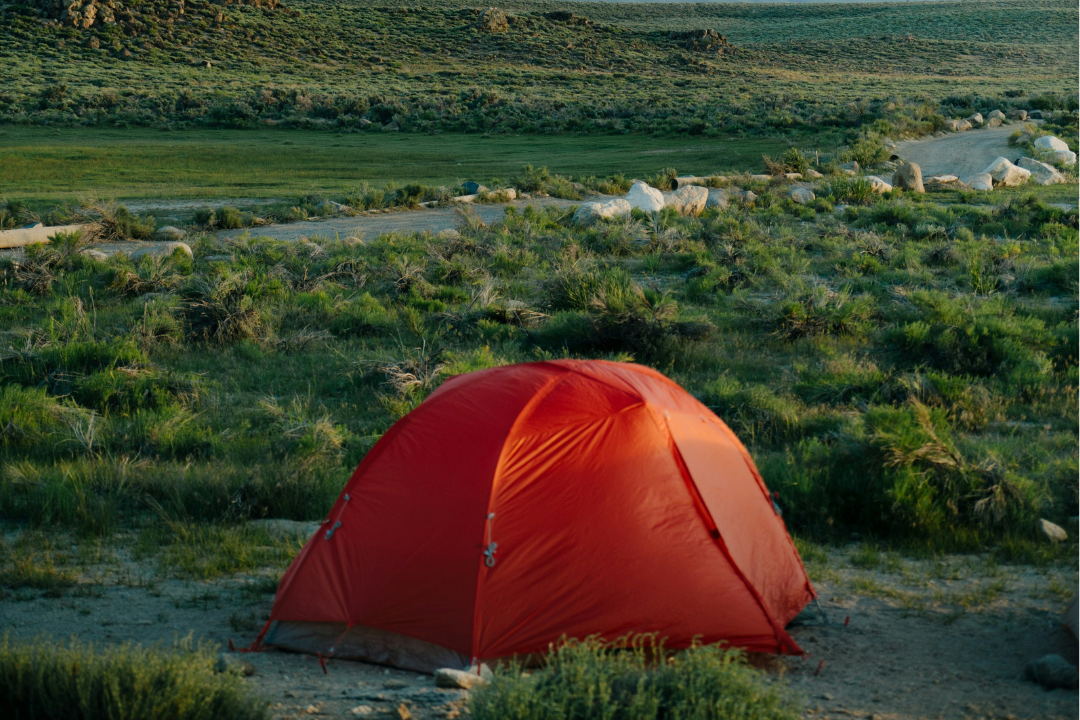
A 3 season tent is a type of tent made for use in spring, summer, and fall. It protects campers from rain, wind, and mild cold. These tents are not designed for heavy snow or extreme winter weather.
People choose 3 season tents because they are lightweight and well ventilated. They work best in moderate weather conditions. Understanding what makes a tent a 3 season tent helps you pick the right gear for your trip.
Design Features Of A 3 Season Tent
3 season tents have specific design features that suit moderate weather. They offer good airflow to reduce condensation. The materials used are strong enough to handle rain and wind but not heavy snow.
- Water-resistant rainfly and floor
- Mesh panels for ventilation
- Lightweight poles and fabric
- Moderate wind resistance
- Easy setup and packability
Weather Conditions For A 3 Season Tent
These tents are made for three seasons. They work well in these weather conditions:
| Season | Typical Weather |
| Spring | Rain, mild wind, cool temperatures |
| Summer | Warm temperatures, light rain |
| Fall | Cooler temperatures, wind, rain |
Limitations Of A 3 Season Tent
While 3 season tents work well in many conditions, they have limits. They are not made for heavy snow or very cold weather. Using one in winter can be unsafe.
To keep safe, avoid these situations with a 3 season tent:
- Winter camping with deep snow
- High mountain storms with strong winds
- Freezing temperatures below freezing point
Key Features Of 3 Season Tents
3 season tents are made for spring, summer, and fall. They handle mild weather well.
These tents balance comfort, protection, and weight for outdoor use in various conditions.
Weather Resistance
3 season tents protect against rain, wind, and light snow. They use waterproof materials.
Strong poles help the tent hold up in windy weather but are not for heavy snow loads.
- Waterproof rainfly and floor
- Sealed seams to prevent leaks
- Durable poles for wind resistance
- Not designed for heavy snow or extreme cold
Ventilation
Good airflow helps reduce condensation inside the tent. 3 season tents have vents.
Mesh panels let air in while keeping bugs out. This makes the tent cooler on warm nights.
- Multiple mesh windows or panels
- Adjustable vents for airflow control
- Bug-proof design with fine mesh
Weight And Portability
3 season tents are lightweight for easy carrying on hikes or camping trips. They pack small.
Materials like aluminum poles and nylon fabric keep weight low without losing strength.
- Lightweight fabrics and poles
- Compact size when packed
- Easy to carry on backpacks
Benefits Of Using A 3 Season Tent
A 3 season tent is designed for use in spring, summer, and fall. It protects you from rain, wind, and mild cold weather.
This type of tent is popular for campers who want a good balance of protection and comfort without extra weight.
Versatility In Different Conditions
3 season tents work well in many weather types. They keep you dry during rain and shield you from wind.
These tents have mesh panels for ventilation. This feature helps reduce condensation on warm nights.
- Good for spring rains and summer breezes
- Protects from light snow or cold nights
- Works well in forests, campgrounds, or mountains
Ease Of Setup
Most 3 season tents are easy to set up. They use simple poles and clips to speed the process.
Lightweight materials make carrying and pitching the tent less tiring. This saves time and energy outdoors.
- Simple pole designs for quick assembly
- Lightweight fabrics for easy transport
- Clear instructions for beginners
Cost-effectiveness
3 season tents offer good value for many campers. They cost less than heavy-duty winter tents.
You get protection from most weather without paying for extra features you may not need.
- Affordable compared to 4 season tents
- Durable enough for several seasons
- Great for casual and frequent camping trips
Credit: www.sail.ca
Comparing 3 Season And 4 Season Tents
Choosing the right tent is important for a safe and comfortable camping trip. Three season and four season tents are common options. Each type suits different weather and activities.
This article explains what a 3 season tent means and compares it with a 4 season tent. You will learn about their design, materials, and best uses.
Differences In Design
Three season tents have lighter and simpler designs. They focus on ventilation and protection from rain and wind. Four season tents have stronger frames and less mesh to keep out snow and cold.
Four season tents often have steeper walls to stop snow from building up. Three season tents have more mesh panels for airflow. This makes them better for spring, summer, and fall.
- 3 Season: More mesh, lighter poles, simple shape
- 4 Season: Strong poles, less mesh, steep walls
Material And Construction
Three season tents use lighter materials to keep weight low. The fabric is water resistant but not made for heavy snow or extreme cold. Poles are usually aluminum or fiberglass.
Four season tents use stronger fabrics and thicker poles. The fabric can handle heavy snow and strong winds. The seams are sealed better to keep out moisture and cold air.
- 3 Season: Lightweight fabric, water resistant, aluminum/fiberglass poles
- 4 Season: Heavy-duty fabric, waterproof, stronger poles
Intended Use Cases
Three season tents are best for mild weather. They work well in spring, summer, and fall. They are great for camping in rain, wind, and moderate temperatures.
Four season tents are made for harsh conditions. They suit winter camping and mountaineering. They protect you from snow, ice, and strong winds better than 3 season tents.
- 3 Season: Camping in mild weather, rain, and wind
- 4 Season: Winter camping, mountaineering, heavy snow
Choosing The Right 3 Season Tent
A 3 season tent works well in spring, summer, and fall. It keeps you safe from rain, wind, and bugs. Picking the right tent helps you enjoy your trips.
Think about your needs before buying. Size, materials, and price matter. This guide helps you find the best 3 season tent.
Capacity And Space Considerations
Choose a tent that fits the number of people camping. A tent too small feels cramped. Too big adds weight and bulk.
Also, check for extra space for gear. Some tents have vestibules or storage pockets. These help keep the inside tidy.
- Count the campers
- Think about gear storage
- Choose a tent with enough headroom
Material Quality
Good materials make tents last longer. Look for strong fabric that resists rain and wind. Waterproof coatings help keep you dry.
Check poles and zippers too. Aluminum poles are lighter and tough. Strong zippers avoid breaks during use.
- Waterproof fabric with a rating of at least 1500 mm
- Durable poles made of aluminum or high-quality fiberglass
- Reliable zippers that open and close smoothly
Budget-friendly Options
You can find 3 season tents that fit smaller budgets. Look for tents with simple designs and fewer features. These often cost less.
Check for sales or older models. Sometimes you get good quality at a lower price. Make sure the tent still meets your basic needs.
- Basic models with essential features
- Older tent versions on sale
- Buy from trusted brands with good reviews
Top Brands For 3 Season Tents
Three season tents protect you in spring, summer, and fall. They keep you dry and safe in light rain and wind. Many brands make tents with good quality and features.
This guide looks at popular models, customer reviews, and warranty support for top 3 season tent brands. It helps you find a tent that fits your needs.
Popular Models
- MSR Hubba Hubba NX: Lightweight and easy to set up.
- REI Co-op Half Dome 2 Plus: Spacious and durable.
- Big Agnes Copper Spur HV UL2: Strong with good ventilation.
- Nemo Dagger 2P: Comfortable with a roomy interior.
- Kelty Salida 2: Affordable and reliable for beginners.
Customer Reviews
| Brand | Pros | Cons |
| MSR | Lightweight, easy setup | Higher price |
| REI Co-op | Roomy, good weather resistance | Heavier than others |
| Big Agnes | Strong, great ventilation | Smaller floor space |
| Nemo | Comfortable, good design | Less durable fabric |
| Kelty | Budget-friendly, simple use | Fewer advanced features |
Warranty And Support
Most top brands offer good warranties. They cover defects and damage in normal use. Customer support helps with repairs and questions.
- MSR: Lifetime warranty on materials and workmanship.
- REI Co-op: One-year satisfaction guarantee and repair services.
- Big Agnes: Limited lifetime warranty and repair options.
- Nemo: Two-year warranty and customer service support.
- Kelty: Limited lifetime warranty with easy claim process.
Tips For Maintaining Your 3 Season Tent
Taking care of your 3 season tent keeps it ready for your next trip. Proper maintenance helps avoid damage and extends its use.
Simple steps in cleaning, repairing, and storing your tent make a big difference. Follow these tips to keep your tent in good shape.
Cleaning And Storage
Always clean your tent after use. Dirt and moisture can harm the fabric and zippers. Store the tent dry to prevent mold and smells.
- Shake out dirt before packing
- Use mild soap and water for cleaning
- Dry the tent completely before storing
- Store in a cool, dry place away from sunlight
- Avoid storing the tent in its tight bag long-term
Repairing Damage
Small tears or broken zippers need quick fixes. Repair kits for tents are easy to use and save you from bigger issues later.
- Find the damage and clean the area
- Use patch tape or fabric patches for tears
- Replace or fix broken zippers with repair kits
- Check seams and reseal if needed
- Test repairs before your next trip
Extending Tent Lifespan
| Tip | Reason |
|---|---|
| Use a groundsheet | Protects tent floor from wear and moisture |
| Keep tent away from sharp objects | Prevents tears and holes |
| Set up tent in shaded areas | Reduces UV damage to fabric |
| Air out tent after use | Prevents mold and odors |
| Store tent loosely | Maintains fabric and waterproof coatings |
Credit: www.rei.com
Frequently Asked Questions
What Is A 3 Season Tent Used For?
A 3 season tent is ideal for spring, summer, and fall camping. It offers good ventilation and moderate weather protection. It handles rain and wind well but is not designed for heavy snow or extreme cold.
How Does A 3 Season Tent Differ From Others?
3 season tents balance weight, ventilation, and weather resistance. Unlike 4 season tents, they are lighter and less insulated. Compared to 2 season tents, they provide better protection from rain and wind.
Can You Camp In Winter With A 3 Season Tent?
3 season tents are not suitable for harsh winter conditions. They lack insulation and strength for heavy snow loads. For cold winter camping, a 4 season tent is recommended.
What Features Define A 3 Season Tent?
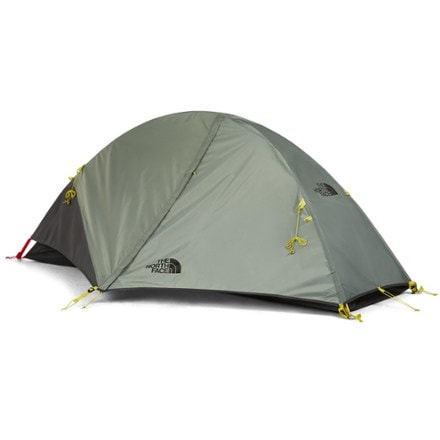
Key features include waterproof rainfly, mesh panels for airflow, and lightweight design. These tents protect against rain and moderate wind while preventing condensation inside. They prioritize comfort in mild to moderate weather.
Conclusion
A 3 season tent suits spring, summer, and fall camping trips. It keeps you dry during rain and cool in warm weather. These tents offer good ventilation and protection from bugs. They do not handle heavy snow or strong winter winds well.
Knowing what a 3 season tent means helps you pick the right gear. It ensures a comfortable and safe outdoor experience. Choose wisely for your next adventure.