You want to keep your baby warm and cozy during car rides. Using an infant car seat cover might seem like the perfect solution.
But have you ever stopped to wonder—are infant car seat covers really safe? Your baby’s safety is the top priority, and choosing the right gear can be confusing. You’ll discover the important facts you need to know before using a car seat cover.
Keep reading to protect your little one and make the best choice for every trip.

Credit: clement.ca
Understanding Infant Car Seat Covers
Infant car seat covers help keep babies warm and protected. Parents often use them during cold weather or outdoor trips.
It is important to know how these covers affect safety. Some covers can change how well the car seat works in a crash.
What Are Infant Car Seat Covers?
Infant car seat covers are soft fabrics or blankets. They wrap around the car seat or baby to provide warmth.
They come in different styles and materials. Some cover the whole seat, while others only cover the baby.
How Infant Car Seat Covers Affect Safety
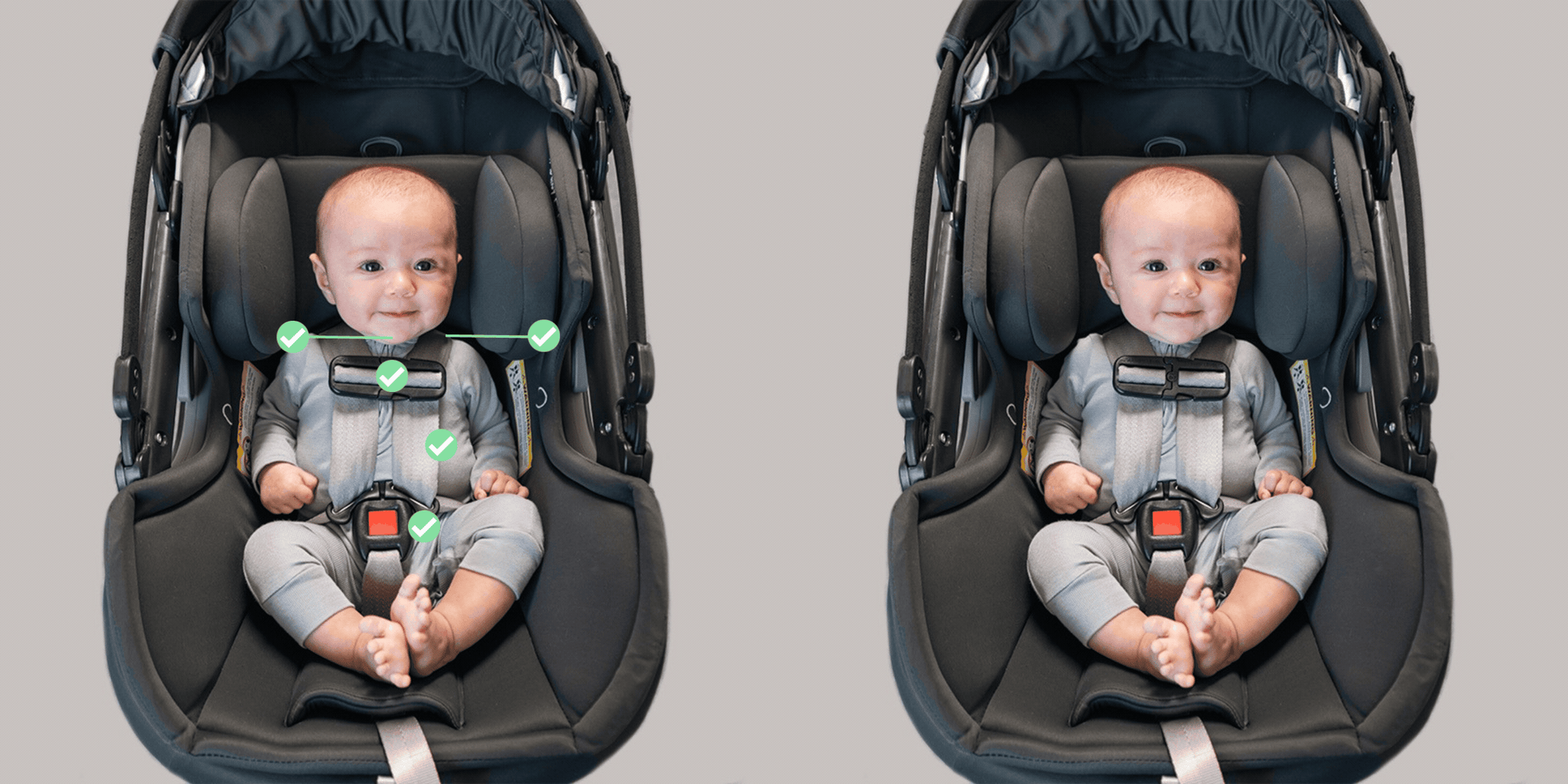
Car seat covers can change how the harness fits the baby. A loose harness can be dangerous in a crash.
Thick covers or bulky blankets may block the harness straps. This reduces protection and increases injury risk.
Safe Use Tips For Infant Car Seat Covers
- Always place the harness straps directly on the baby’s skin or clothes.
- Use thin, breathable covers designed for car seats.
- Put the cover over the baby after securing the harness.
- Avoid bulky or padded covers that change harness tightness.
- Check the car seat manual for cover recommendations.
Signs To Avoid Unsafe Covers
- Straps cannot be tightened close to the baby’s body.
- The cover blocks the harness buckle or chest clip.
- The baby feels very warm or sweaty under the cover.
- The cover makes it hard to see the baby’s face.
- The car seat manual warns against using covers.
Benefits Of Using Car Seat Covers
Car seat covers help protect your infant’s car seat in many ways. They make the seat last longer and keep it safe from harm.
Using car seat covers can also make traveling more comfortable for your baby. They help keep the seat clean and shield your child from weather changes.
Protection From Weather Elements
Car seat covers shield your baby from rain, wind, sun, and cold. They act as a barrier to keep your child dry and warm.
- Blocks rain and snow to keep your baby dry
- Provides shade to protect from sunburn
- Reduces wind exposure during chilly rides
- Keeps the seat warmer on cold days
Maintaining Cleanliness
Car seat covers catch spills, crumbs, and dirt. They help keep the car seat clean and free from stains.
| Benefit | Details |
| Easy to Wash | Most covers can be removed and washed in a machine. |
| Protects Fabric | Covers guard the seat fabric from stains and damage. |
| Reduces Odors | Covers prevent buildup of smells from food or sweat. |
Comfort And Padding
Car seat covers add soft layers that make the seat cozier for your infant. They provide extra padding for better support.
Comfort benefits include:
- Soft material that soothes sensitive skin
- Extra cushioning to reduce pressure points
- Helps keep baby calm during car rides
Potential Safety Concerns
Infant car seat covers are popular for keeping babies warm. Parents use them during cold weather. Safety experts warn about some risks with these covers.
It is important to understand the safety concerns before using any car seat cover. This helps protect your child during car rides.
Risk Of Overheating
Car seat covers can trap heat around the baby. This may cause the baby to get too hot. Babies cannot cool down well on their own.
Overheating can lead to serious health problems. Parents should watch for signs like sweating or flushed skin.
- Keep the car seat cover thin and breathable
- Check baby’s temperature often
- Remove covers if the baby feels warm
Impaired Car Seat Functionality
Car seat covers may block car seat straps. This can stop the straps from fitting snugly. Loose straps reduce the car seat’s safety.
Some covers interfere with the car seat’s harness system. This makes it hard to secure the baby properly.
- Always test the harness fit with the cover on
- Use covers made for your car seat model
- Follow car seat manufacturer rules
Material Flammability
Some covers are made from materials that catch fire easily. This is a risk if you smoke or use heating devices near the car seat.
Choose covers made from flame-resistant fabrics. Check labels to find safe materials for your baby.
- Look for flame-resistant certification
- Avoid covers with loose threads or frayed edges
- Keep covers away from open flames

Credit: bossandbaby.com
Choosing A Safe Car Seat Cover
Infant car seat covers keep babies warm and protected. Parents want to pick covers that are safe and comfortable for their child.
Some covers might block airflow or not fit well. Choosing the right cover helps keep your baby secure and cozy.
Certified Products And Standards
Look for car seat covers that meet safety certifications. These products are tested to meet strict rules for child safety.
Certification shows the cover will not harm your baby or affect the car seat’s performance.
- Check for certifications like JPMA or ASTM
- Only buy covers approved for use with infant car seats
- Avoid covers without clear safety labels
Proper Fit And Compatibility
The car seat cover must fit the seat exactly. Loose or tight covers can reduce safety in a crash.
Check the cover’s size and make sure it matches your car seat brand and model.
- Choose covers made for your specific car seat
- Test the cover before use to ensure it fits well
- Make sure it does not block harness straps or buckles
Breathable And Non-toxic Materials
Materials should allow air to flow to keep your baby cool and safe. Avoid covers that trap heat or moisture.
Choose covers made from non-toxic fabrics. Babies have sensitive skin and need safe materials.
- Look for natural fibers like cotton or bamboo
- Avoid covers with harmful chemicals or dyes
- Check for labels that say “breathable” and “hypoallergenic”
Installation Best Practices
Using infant car seat covers needs careful installation. Proper fitting keeps your baby safe and comfortable.
Follow these best practices to install the cover correctly and avoid risks.
Securing The Cover Correctly
Ensure the cover fits snugly on the car seat. Use straps or fasteners made for your seat model.
- Attach all straps tightly without stretching the fabric
- Check that no part of the cover blocks harness straps
- Make sure the cover does not interfere with seat buckles
- Confirm the cover stays in place during movement
Avoiding Excess Fabric
Extra fabric can cause safety hazards. Keep fabric close to the seat and baby.
| Risk | How to Avoid |
| Loose fabric blocking straps | Trim or tuck fabric away |
| Overheating from thick layers | Use lightweight covers |
| Obstruction of seat belt path | Fit cover around belts carefully |
Regular Inspection And Maintenance
Check the cover often for wear and proper fit. Clean it regularly to keep it safe.
- Look for tears or loose seams
- Verify straps and fasteners still work well
- Wash cover as the instructions say
- Replace cover if damaged or too worn
Expert Recommendations
Infant car seat covers can keep babies warm and cozy. Safety experts share advice to help parents use them correctly.
Understanding expert views helps parents protect their child while using car seat covers safely.
Pediatricians’ Advice
Pediatricians warn that some car seat covers may cause risks. They stress avoiding thick covers that block air flow.
- Use thin, breathable covers only
- Do not add extra padding under the baby
- Make sure covers do not interfere with harness straps
- Remove covers once outside the car
Insights From Safety Organizations
Safety groups focus on preventing overheating and keeping harnesses secure. They provide clear guidelines for covers.
| Safety Tip | Reason |
| Use only products tested for car seats | Ensures no interference with safety features |
| Avoid thick blankets and bulky covers | Prevents loose fabric that can block straps |
| Check harness fit before driving | Keeps baby safely restrained |
| Remove cover before placing baby in seat | Reduces risk of suffocation |
Real-life Parent Experiences
Parents share what worked and what did not when using infant car seat covers. Their stories help others make safe choices.
Common lessons from parents include:
- Always check the harness fit after covering the baby
- Use covers designed specifically for car seats
- Avoid covers that make it hard to see the baby
- Remove covers as soon as the baby is out of the car
Alternatives To Traditional Covers
Infant car seat covers can sometimes block air flow or cause overheating. Parents look for safer options to protect babies from sun, rain, and wind. Several alternatives offer comfort and safety without the risks of traditional covers.
This guide explains three popular alternatives. Each option has benefits that suit different needs and weather conditions.
Adjustable Sunshades
Adjustable sunshades attach to car seats or strollers to block direct sunlight. They allow air to circulate freely, helping to keep the baby cool. These sunshades often have flexible frames and mesh panels.
- Easy to adjust for different angles
- Lightweight and portable
- Provides UV protection
- Does not cover the entire seat, allowing ventilation
Rain Guards
Rain guards shield the car seat from water without sealing off air flow. They are usually made from clear plastic or water-resistant fabric. Rain guards fit over the car seat like a dome.
| Feature | Benefit | Consideration |
| Waterproof material | Keeps baby dry in rain | May fog up without ventilation |
| Transparent design | Keeps visibility of baby | Can trap heat if not ventilated |
| Easy attachment | Convenient to use | Check fit to car seat model |
Portable Car Seat Canopies
Portable canopies offer a soft fabric cover that protects from sun and wind. They are light and easy to carry. Many designs include mesh panels to allow airflow and prevent overheating.
Benefits of portable canopies:
- Lightweight and foldable for travel
- Breathable fabrics prevent heat build-up
- Simple to install and remove
- Available in various sizes and colors

Credit: www.amazon.ca
Frequently Asked Questions
Are Infant Car Seat Covers Safe To Use?
Infant car seat covers can be safe if they don’t interfere with harness straps. Avoid thick or padded covers that affect fit. Always follow manufacturer guidelines for your car seat model.
Do Car Seat Covers Affect Baby’s Safety?
Yes, some covers can compromise safety by altering harness tightness. They may reduce protection in crashes. Choose covers tested and approved for your specific car seat.
Can Car Seat Covers Cause Overheating?
Certain covers can trap heat, causing baby discomfort or overheating. Use breathable fabrics and avoid heavy covers in warm weather. Monitor your baby’s temperature regularly.
How To Choose A Safe Infant Car Seat Cover?
Pick covers that fit snugly without affecting harness use. Look for breathable, flame-resistant materials. Check reviews and manufacturer recommendations for safety compliance.
Conclusion
Infant car seat covers can be safe when used correctly. Always choose covers made for car seats. They should not block harness straps or air flow. Keep your baby’s face clear and watch for overheating. Follow the car seat and cover instructions carefully.
Safety comes first, so check for recalls or warnings. A well-chosen cover can keep your baby warm without risk. Trust your instincts and stay informed. Your baby’s safety is the top priority.