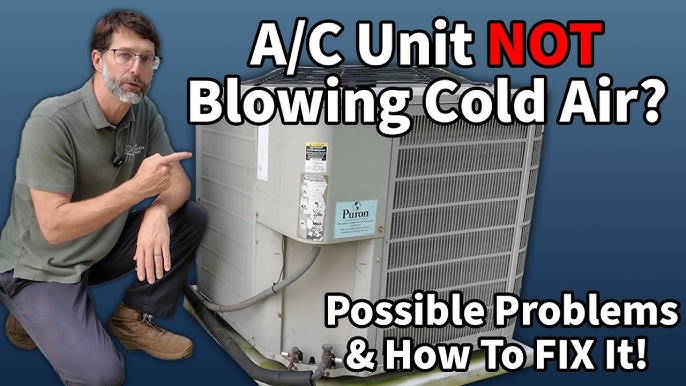
Is your air conditioner blowing air that doesn’t feel cold enough? Or maybe it’s so chilly you wonder if something’s wrong.
You might be asking yourself, “How cold should my air conditioner blow? ” Getting this just right is key to staying comfortable and saving money on energy bills. You’ll discover simple ways to know if your AC is working properly and what temperature you should expect.
Keep reading to make sure your home stays cool without wasting energy or risking damage to your system.
Ideal Temperature Settings
Setting the air conditioner to an ideal temperaturehelps save energy and keeps you comfortable. Most experts suggest setting the temperature between 74°F and 78°Fduring hot days. This range is cool enough to beat the heat but not too cold to waste energy.
At night, a slightly higher temperature, around 78°F to 80°F, can help you sleep better and save power. Avoid setting the AC below 70°F because it uses more energy and can make rooms too cold.
- Keep the thermostat at 78°F when you are home and active.
- Increase temperature by 4-5 degrees when you leave the house.
- Use a programmable thermostat to adjust settings automatically.
- Remember, every degree lower can increase energy use by 6-8%.
Factors Influencing Cooling Needs
Room sizeplays a big role in how cold your AC should blow. Larger rooms need more cooling power to keep the air fresh and cool. The layoutmatters too; open spaces cool differently than rooms with many walls or doors.
Insulation qualityaffects cooling needs. Good insulation keeps cold air inside and hot air outside. Poor insulation lets heat in, so the AC must work harder and blow colder air to keep you comfortable.
Climate and weather conditionsimpact how cold your air conditioner should be. Hot, humid places require stronger cooling. In cooler areas, moderate cooling may be enough. Temperature changes during the day also affect AC settings.
Energy Efficiency Considerations
Balancing comfort and energy useis key for your air conditioner. Set your AC temperature around 75°F (24°C). This keeps your home cool without using too much energy. Lowering the temperature a lot wastes electricity and raises bills. Higher settings save money but might feel warm.
Smart thermostats help keep this balance. They learn your schedule and adjust the temperature automatically. This means the AC runs less when you’re away or asleep, saving energy. You can also control them with your phone, making changes easy and quick.
| Feature | Benefit |
|---|---|
| Automatic Scheduling | Keeps home cool only when needed |
| Remote Control | Adjust temperature from anywhere |
| Energy Reports | Shows how much energy is used |

Credit: northnjhvac.com
Common Mistakes In Temperature Settings
Setting the air conditioner too cold can waste energy and increase bills. Overcooling makes the room uncomfortable and dry. It may cause headaches and chills. The best temperature is usually between 72°F and 78°F. This keeps the room cool and saves energy.
Ignoring humidity levels can make the air feel hotter or colder than it really is. High humidity makes the air feel warmer. Low humidity can make you feel cold even at normal temperatures. Using a dehumidifieror adjusting the AC can help balance humidity and comfort.
Tips For Optimizing Air Conditioner Performance
Keeping your air conditioner in good shape helps it blow cold air better. Check and clean the filters every month. Dirty filters block airflow and make the system work harder. Also, inspect the coils for dirt and clean them if needed. This stops the unit from freezing up and losing coolness.
Good airflow in your home helps the AC cool the rooms well. Keep vents and windows open for fresh air. Make sure furniture or curtains do not block the vents. This allows cold air to spread evenly and keeps rooms comfortable.

Credit: northnjhvac.com
Signs Of Air Conditioner Issues
Uneven coolinghappens when some rooms feel cold and others do not. This may mean the air conditioner has a problem. Dirty filters, blocked vents, or low refrigerant can cause uneven cooling. It can also mean the unit is too small for the space or the ductwork has leaks.
Unexpected energy billscan be a sign that the air conditioner is not working right. If the AC uses more power than normal, it might need repair or maintenance. A unit with worn parts or poor settings can waste energy. Keeping an eye on bills helps catch issues early.
When To Call A Professional
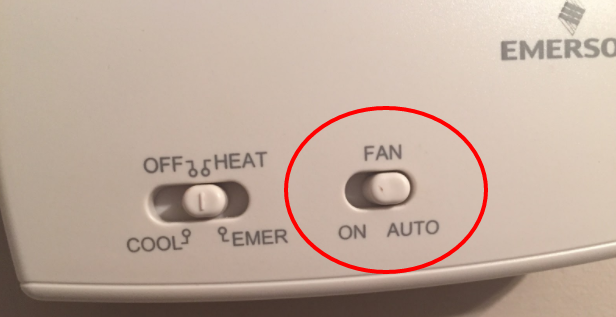
Persistent system problemscan signal a need for professional help. If your air conditioner keeps stopping or not cooling well, it is best to get it checked. Strange noises like rattling, buzzing, or grinding are signs something is wrong inside. These sounds might mean parts are loose or damaged.
Unusual smells, such as burning or moldy odors, also need attention. A burning smell could point to electrical problems. Moldy or musty smells might mean mold growth inside the system, which can harm your health.
- AC not cooling properly over several days
- Odd or loud noises from the unit
- Burning or moldy smells coming from vents
- Frequent cycling on and off
- Water leaks around the unit
These signs show the system needs a professional to fix it safely and correctly.
Credit: www.aiellohomeservices.com
Frequently Asked Questions
How Cold Should My Air Conditioner Blow Air?
Your air conditioner should blow air about 15-20 degrees cooler than the room temperature. This ensures effective cooling and comfort.
Why Is My Ac Not Blowing Cold Air?
Possible causes include dirty filters, low refrigerant, or a malfunctioning compressor. Regular maintenance can help fix this issue.
What Temperature Difference Indicates A Working Ac?
A temperature drop of 15-20 degrees Fahrenheit between the return and supply air shows your AC is functioning properly.
How Can I Make My Ac Blow Colder Air?
Clean filters, check refrigerant levels, and ensure vents are open. Regular servicing improves cold air output.
Conclusion
A good air conditioner blows cool, not freezing air. Too cold air can waste energy and cause discomfort. Aim for a balance that keeps your room fresh and comfy. Regular maintenance helps your AC work well and last longer. Listen to your body and adjust the temperature as needed.
Stay cool and save energy with the right setting. Simple steps make a big difference in your comfort.