Have you ever wondered what keeps your engine running smoothly, especially under tough conditions? The Fass Fuel System plays a crucial role in making sure your vehicle gets the right amount of fuel at the right time.
If you want to improve your engine’s performance, boost fuel efficiency, and avoid costly repairs, understanding how this system works is key. Keep reading, and you’ll discover exactly what the Fass Fuel System does and why it matters for your vehicle’s health.
Fass Fuel System Basics
The Fass Fuel System helps deliver clean fuel to your engine. It improves fuel flow and reduces air in the fuel line.
This system is popular for diesel engines. It keeps the engine running smoothly and protects fuel parts.
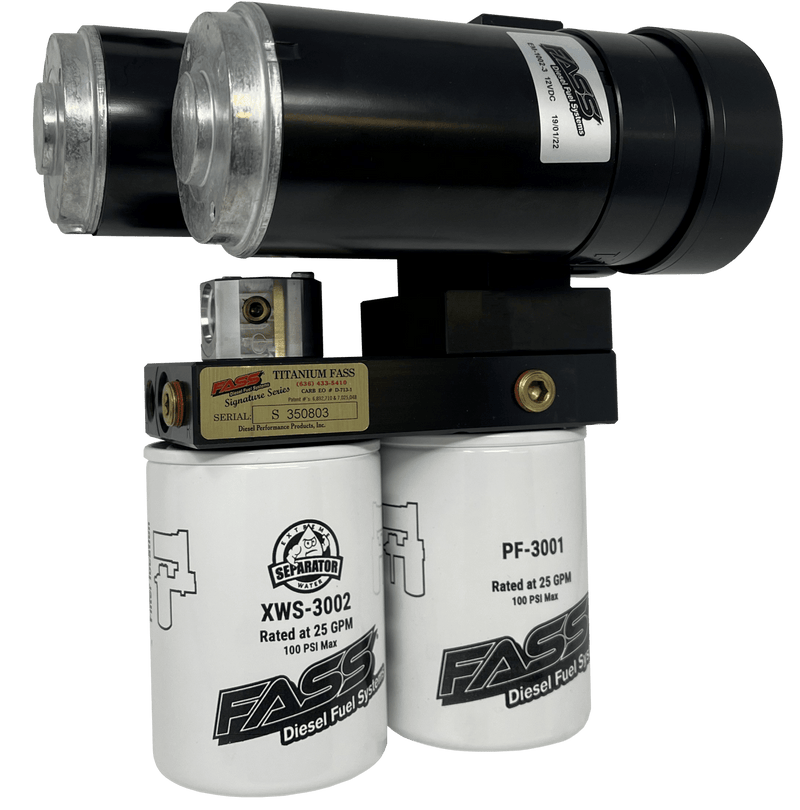
Key Components
The Fass Fuel System has several important parts. Each part works to keep fuel moving properly.
- Fuel Pump:Moves fuel from the tank to the engine.
- Fuel Filter:Removes dirt and debris from the fuel.
- Fuel Lines:Carry fuel between parts of the system.
- Air Separator:Removes air bubbles from the fuel.
- Mounting Bracket:Holds the pump and filter securely.
How It Operates
The system uses the pump to pull fuel from the tank. It sends fuel through the filter to clean it.
The air separator removes air to stop bubbles. Clean, air-free fuel then flows to the engine for better performance.
- Fuel pump creates pressure to move fuel.
- Fuel filter traps dirt and debris.
- Air separator catches air bubbles.
- Fuel lines carry clean fuel to the engine.
Performance Benefits
The Fass Fuel System is known for enhancing engine performance. It ensures your vehicle runs smoothly and efficiently.
With the Fass Fuel System, drivers experience notable improvements in fuel flow and engine power.
Increased Fuel Flow
Improved fuel flow is crucial for engine efficiency. The Fass Fuel System optimizes this aspect.
- Reduces air and vapor in fuel
- Ensures a consistent fuel supply
- Minimizes engine wear and tear
Enhanced Engine Power
With enhanced engine power, vehicles perform better under various conditions. The Fass Fuel System plays a vital role.
| Feature | Benefit |
| Cleaner fuel | Improves combustion |
| Consistent pressure | Boosts acceleration |
| Reduced emissions | Environmentally friendly |
Reliability Advantages
The FASS fuel system provides steady fuel delivery to your engine. It helps keep your vehicle running smoothly and reliably. This system is designed to maintain proper fuel pressure at all times.
Understanding how it improves reliability can help you see why many choose this system. Two main benefits are consistent fuel pressure and reduced wear and tear.
Consistent Fuel Pressure
The FASS fuel system keeps fuel pressure steady, no matter the engine load. This steady pressure helps the engine get the right amount of fuel for better performance. Consistent fuel pressure also prevents engine stalls and rough idling.
- Maintains optimal fuel flow
- Prevents fuel starvation during heavy use
- Supports smooth engine operation
- Improves fuel efficiency
Reduced Wear And Tear
By providing clean and steady fuel, the FASS system lowers stress on engine parts. This means less damage to fuel injectors and pumps. The system also helps prevent fuel contamination, which can cause engine problems.
| Benefit | Effect on Engine |
|---|---|
| Cleaner Fuel Delivery | Reduces clogging and damage |
| Steady Fuel Pressure | Protects fuel pump and injectors |
| Less Engine Stress | Extends engine life |

Credit: puredieselpower.com
Installation And Compatibility
The FASS fuel system helps deliver clean fuel to your engine. It improves fuel flow and reduces fuel system strain.
Installing the FASS system needs care to fit your vehicle. You must check if it works with your engine type.
Vehicle Types Supported
The FASS fuel system fits many diesel vehicles. It supports light trucks, heavy trucks, and some off-road vehicles.
It works well with diesel engines that need extra fuel pressure and cleaner fuel supply.
- Light-duty diesel trucks
- Medium and heavy-duty trucks
- Off-road diesel vehicles
- Some industrial diesel engines
Installation Tips
Install the FASS system in a clean area to avoid dirt in the fuel. Follow the instructions carefully.
Check all connections for tightness and leaks after installation. Use proper tools and safety gear during the process.
- Use clean fuel and parts during installation
- Secure all fittings tightly to prevent leaks
- Place the pump where it stays dry and cool
- Prime the system before starting the engine
- Test the fuel pressure after setup
Maintenance And Longevity
The FASS fuel system helps keep your engine running smoothly by supplying clean fuel. Proper care is key to making it last a long time. Regular checks can prevent costly repairs and keep performance steady.
Understanding how to maintain the system and what problems to watch for will protect your investment. This guide covers the basics to help you care for your FASS fuel system.
Routine Care
Routine care keeps the FASS fuel system working well. Simple actions prevent dirt buildup and wear. Follow these tips to maintain efficiency and avoid damage.
- Check fuel filters regularly and replace them as needed.
- Inspect hoses for cracks or leaks to stop fuel loss.
- Clean the fuel pump exterior to remove dirt and debris.
- Use clean, high-quality fuel to avoid contamination.
- Monitor fuel pressure to ensure proper system function.
Common Issues To Watch
Knowing common issues helps catch problems early. Watch for signs that may indicate trouble with your FASS fuel system.
| Issue | Symptoms | Recommended Action |
| Fuel Leaks | Strong fuel smell, wet spots under vehicle | Check hoses and fittings; replace if damaged |
| Low Fuel Pressure | Engine sputters or stalls | Inspect pump and filters; clean or replace as needed |
| Clogged Filters | Reduced engine power, rough idling | Change fuel filters regularly |
| Air in Fuel Lines | Hard starting, uneven engine running | Bleed air from fuel system |
Customer Experiences
Many users share their thoughts on how the FASS fuel system impacts their vehicles. They notice differences in engine behavior and fuel delivery. This feedback helps others understand what to expect.
Customers describe their real-world use of the system. Their stories cover performance and reliability over time. These experiences give insight beyond technical details.
Performance Feedback
Users often mention smoother engine operation and better throttle response. Some report improved fuel economy and quieter running. These changes make driving more pleasant for many.
- Quicker engine start and idle stability
- Reduced fuel vapor lock issues
- Consistent fuel flow under heavy load
- Noticeable decrease in engine noise
Reliability Stories
Many owners share how the system held up after long use. Their stories highlight durability and fewer breakdowns. Some compare this to past fuel systems they used.
| Customer | Vehicle Type | Experience |
| John D. | Pickup Truck | Fuel system worked without issues for 3 years |
| Sara L. | Diesel SUV | Noticed fewer fuel filter changes needed |
| Mike T. | Work Truck | System prevented overheating during tough jobs |
Comparing Fass To Other Systems
Fass fuel systems help move fuel from the tank to the engine. Many types of fuel systems work this way. Each system has its own way of pumping fuel efficiently.
We will look at how Fass compares to other fuel systems. We focus on fuel efficiency and durability. These two features matter most for truck owners.
Fuel Efficiency
Fass systems use a high-pressure pump to deliver fuel. This helps the engine burn fuel cleaner. Other systems may not keep pressure steady.
Steady fuel pressure means the engine runs smoothly. It uses less fuel and produces fewer emissions. Some systems can lose pressure, causing waste.
- Fass pumps maintain constant fuel flow
- Other systems may have pressure drops
- Consistent pressure improves fuel burning
- Better burning saves fuel and lowers emissions
Durability
Fass fuel systems use strong materials for pumps and filters. They resist wear and damage from dirt and debris. Many other systems use weaker parts.
Long-lasting parts reduce the need for repairs and replacements. Some systems fail early due to poor build quality. Fass is known for lasting a long time.
- Fass uses heavy-duty metals and seals
- Other systems may use plastic parts
- Strong parts resist corrosion and damage
- Durability lowers maintenance costs

Credit: www.xtremediesel.com
Credit: ppei.com
Frequently Asked Questions
What Is The Primary Function Of The Fass Fuel System?
The FASS fuel system improves fuel delivery by removing air and contaminants. It ensures consistent fuel pressure for better engine performance and longevity.
How Does The Fass Fuel System Benefit Diesel Engines?
It provides cleaner, air-free fuel, enhancing combustion efficiency. This leads to improved power, reduced emissions, and extended fuel system life in diesel engines.
Can Fass Fuel Systems Reduce Engine Wear And Tear?
Yes, by supplying clean, consistent fuel, FASS systems minimize engine stress. This reduces wear, prevents damage, and helps maintain engine health over time.
Is Fass Fuel System Compatible With All Diesel Vehicles?
FASS systems are designed for most diesel engines but vary by model. It’s essential to choose a system compatible with your specific engine type.
Conclusion
Fass fuel systems help engines run smoothly and efficiently. They deliver clean fuel at the right pressure. This improves engine performance and saves fuel. The system also protects the engine from damage. It keeps dirt and air out of the fuel.
Many drivers trust Fass for better engine health. Understanding how it works can help you maintain your vehicle. A good fuel system means fewer breakdowns and less repair cost. Simple and effective. That is what Fass fuel systems offer.