Are you curious about how much electricity your air conditioner actually uses? Understanding how many kilowatt hours (kWh) your AC consumes can help you save money on your energy bill and make smarter choices for your home.
You’ll discover simple ways to figure out your air conditioner’s energy use and learn tips to keep your cooling costs low without giving up comfort. Ready to take control of your energy habits? Keep reading to find out everything you need to know about your AC’s power consumption.
Air Conditioner Energy Basics
A kilowatt hour (kWh)is a unit that measures energy use. It shows how much electricity a device uses over time. One kWh means using 1,000 watts for one hour.
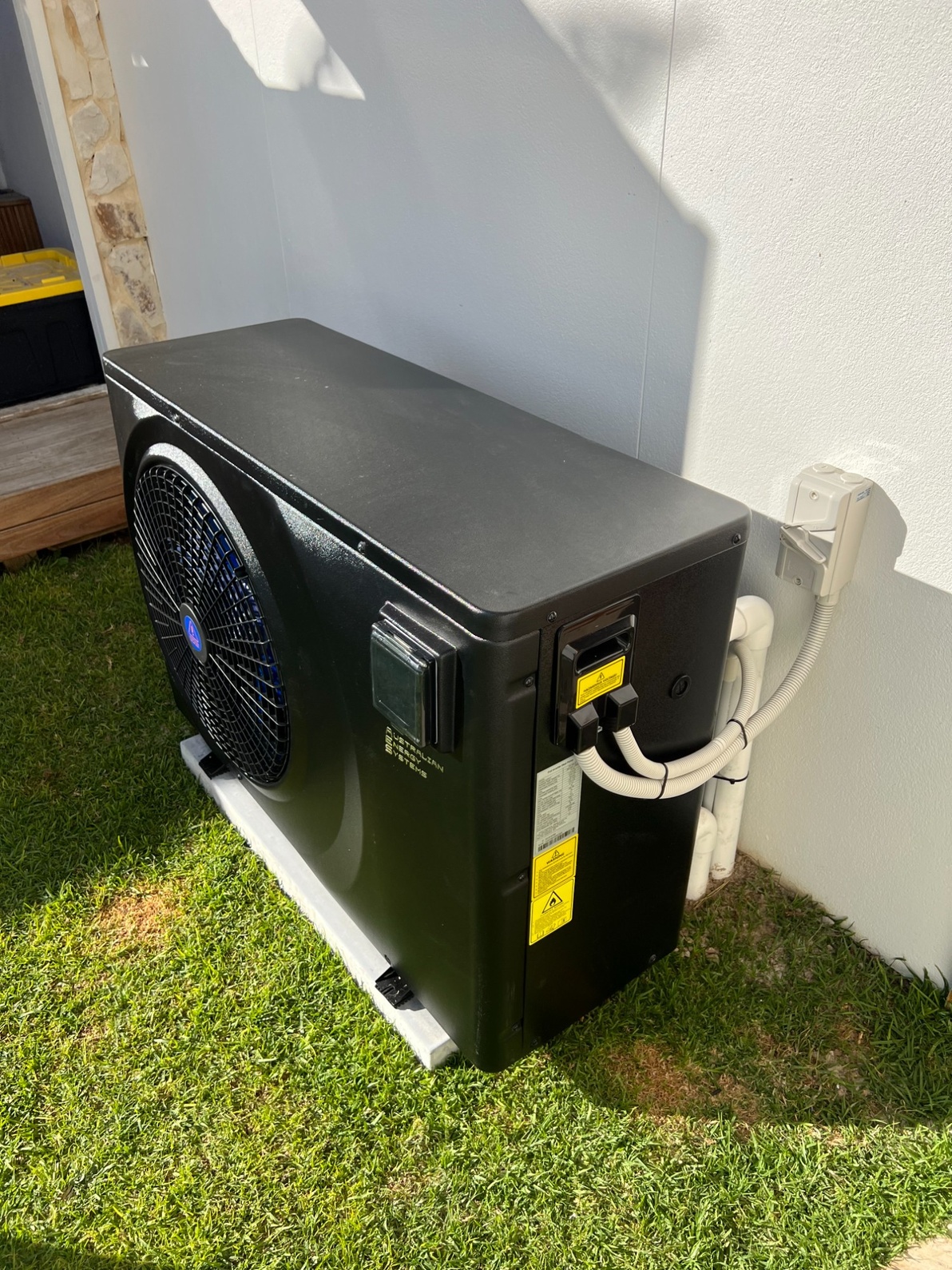
Air conditioners use power to cool rooms. The amount depends on the unit’s sizeand efficiency. Bigger rooms need bigger units, which use more energy.
Most home AC units use between 500 to 1,500 watts. Running for one hour uses 0.5 to 1.5 kWh. Energy use changes with temperature and settings.
Credit: www.aquilaelectrical.com.au
Factors Affecting Ac Power Usage
Several factors influence how many kilowatt hours an air conditioner uses. Room size, temperature settings, and unit efficiency all affect energy consumption. Usage time and outdoor weather conditions also play important roles in power usage.
An air conditioner’s size matters. Bigger units use more power. Smaller units might not cool well. Choose the right size for your room. Set your thermostat wisely. Higher settings use less power. Each degree saves energy. Keep the room comfortable, not too cold. The longer you run the AC, the more power it uses. Shorter use saves energy. Turn it off when not needed. Consider using a timer. Hot days make the AC work harder. Cooler days need less energy. Keep windows closed to maintain cool air. Use fans to help circulate air. `Calculating Kilowatt Hours For Ac
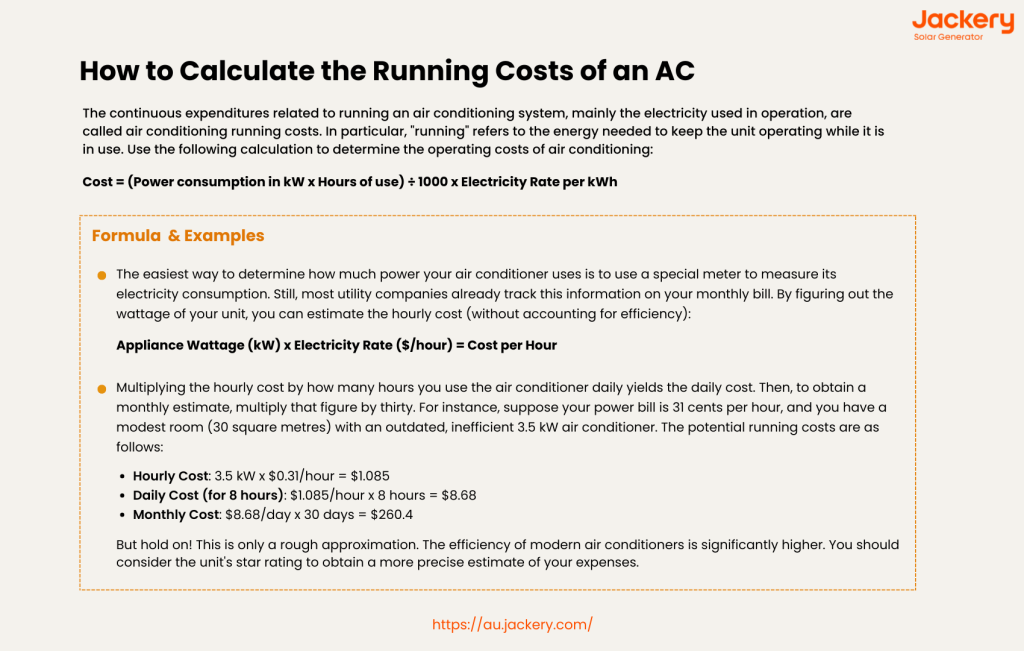
Calculating kilowatt hours for an air conditioner helps understand its energy use. Multiply the AC’s power in kilowatts by the hours it runs. This shows how much electricity the unit consumes over time.
Reading The Energy Label
The energy label shows the power useof the air conditioner. It lists the kilowatts (kW)or watts (W)the unit uses per hour. Look for the energy efficiency ratingto find how much energy the AC saves. This label helps compare different models easily.
Using Power Ratings
Power ratings tell how much electricity the AC uses. For example, an AC with a 1.5 kW rating uses 1.5 kilowatt-hours if it runs for one hour. To find out energy use, multiply the power rating by the hours the AC runs. This gives you the total kilowatt-hours (kWh)consumed.
Estimating Daily And Monthly Usage
- Check how many hours the AC runs per day.
- Multiply the hours by the power rating to get daily kWh.
- Multiply daily kWh by 30 for monthly use.
- Example: 1.5 kW × 8 hours = 12 kWh daily.
- Monthly use: 12 kWh × 30 = 360 kWh.

Credit: www.portacool.com
Energy Efficiency Ratings
SEER(Seasonal Energy Efficiency Ratio) and EER(Energy Efficiency Ratio) measure air conditioner efficiency. SEER covers cooling over a whole season, while EER shows efficiency at a specific temperature.
Higher SEER and EER numbers mean lower energy use. This helps reduce your kilowatt hour consumptionand saves money on electricity bills.
| Rating | Definition | Effect on Energy Use |
|---|---|---|
| SEER | Efficiency over entire cooling season | Higher SEER = Less kWh used |
| EER | Efficiency at a specific temperature | Higher EER = Lower energy consumption |
Tips To Reduce Ac Energy Use
Setting your thermostat to a comfortable but not too cold temperature saves energy. Keeping it around 78°F (25-26°C)during summer helps reduce power use. Avoid changing the temperature often; steady settings work best.
Regular maintenance keeps your AC running well and uses less energy. Clean or replace filters monthly to improve airflow. Check for leaks and clean coils to help the unit cool efficiently.
- Use fans to move air and feel cooler without lowering temperature.
- Open windows early morning or late evening for natural ventilation.
- Close windows and doors when the AC is on to keep cool air inside.
Good insulation stops cool air from escaping and warm air from entering. Add weather stripping to doors and windows. Use curtains or blinds to block sunlight during the hottest hours.
Credit: www.tataneu.com
Comparing Different Ac Types
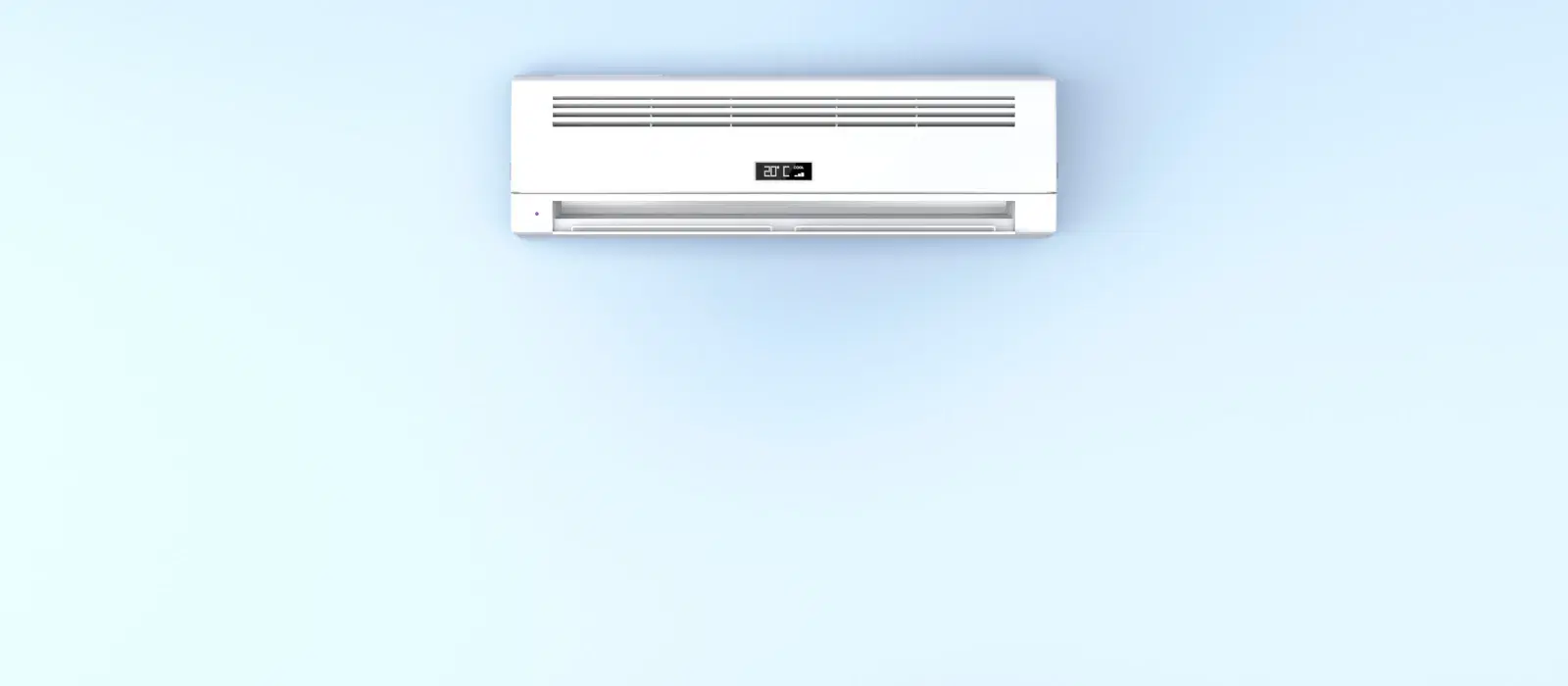
Window AC unitsusually use around 500 to 1500 wattsper hour. They cool small rooms well but can be noisy. Split AC unitsuse about 700 to 2000 watts. They are quieter and better for bigger rooms. Split ACs often save more energy over time.
Central air conditioningsystems cool whole houses. They use much more power, about 2000 to 5000 watts. The exact amount depends on the house size and system efficiency. Central ACs need ducts to spread cool air.
Portable AC unitsuse around 800 to 1500 watts. They cool small areas and can be moved easily. But they usually use more power than window or split ACs for the same space.
Cost Implications Of Ac Energy Use
Electricity cost depends on AC power useand local rates. Most air conditioners use 1 to 2 kWh per hour. Multiply this by hours used daily to get daily consumption.
Monthly cost equals total kWh times the price per kWh. For example, if your AC uses 1.5 kWh for 8 hours, that’s 12 kWh daily. At $0.12 per kWh, it costs about $1.44 per day.
High energy use means higher monthly bills. Reducing run time or using energy-efficient models helps save money. Small changes add up over time.
Investing in energy-saving devicesor better insulation can lower costs. These investments often pay off with lower bills and more comfort.
Frequently Asked Questions
How Many Kwh Does A Typical Air Conditioner Use?
A typical air conditioner uses between 500 to 1500 kWh per month. Usage varies by unit size, efficiency, and usage hours.
What Factors Affect An Air Conditioner’s Energy Consumption?
Energy use depends on AC size, SEER rating, thermostat settings, and outdoor temperature. Proper maintenance also impacts efficiency.
How Can I Calculate My Air Conditioner’s Kwh Usage?
Multiply the unit’s wattage by hours used daily, then divide by 1000. This gives the daily kWh consumption.
Does A Higher Seer Rating Reduce Kwh Usage?
Yes, a higher SEER rating means better efficiency and lower electricity consumption for the same cooling output.
Conclusion
Knowing how many kilowatt hours an air conditioner uses helps manage energy costs. Different models use different amounts of electricity. Smaller units use less power than bigger ones. Running the air conditioner wisely saves money and energy. Regular maintenance keeps it working efficiently.
Understanding energy use makes summer cooling easier and cheaper. Keep track of your usage to avoid surprises on your bill. Small changes can make a big difference in energy use. Stay cool without wasting power.