Your air conditioner works hard to keep your home cool, but have you ever thought about the drain pan? If it gets clogged or dirty, it can cause leaks, bad odors, and even damage to your AC unit.
Cleaning your air conditioner drain pan is easier than you think, and doing it regularly can save you from costly repairs. You’ll learn simple, step-by-step tips to keep your drain pan clean and your AC running smoothly. Keep reading—you’ll be surprised how a little maintenance can make a big difference!
Why Clean The Drain Pan
Cleaning the drain panhelps to prevent water damageinside your home. When the pan clogs, water can overflow and cause stains or leaks.
Mold and mildewgrow in wet, dirty places. A clean drain pan stops these harmful fungifrom spreading, keeping your air fresh and healthy.
Efficiencyof your air conditioner improves with a clean drain pan. Water flows freely, so the AC works better and uses less energy.

Credit: suncityair.com.au
Tools And Materials Needed
Basic cleaning supplies include a soft cloth, sponge, and a small brush. These help remove dirt and grime from the drain pan.
Safety gear is important. Use glovesto protect your hands from dirt and chemicals. Safety glasses keep your eyes safe from splashes.
Optional cleaning agents can make the job easier. Mild dish soapor a mix of water and vinegarhelps remove tough stains. Avoid harsh chemicals that can damage parts.
Preparing The Air Conditioner
Cleaning the air conditioner drain pan prevents water buildup and mold growth. Regular checks keep your AC running smoothly and avoid leaks. Use a mild cleaner and a soft cloth for best results.
Turn Off Power
Always turn off the powerto the air conditioner before cleaning. This step prevents accidentsand protects you from electric shock. Use the main switch or circuit breaker to cut power safely.
Access The Drain Pan
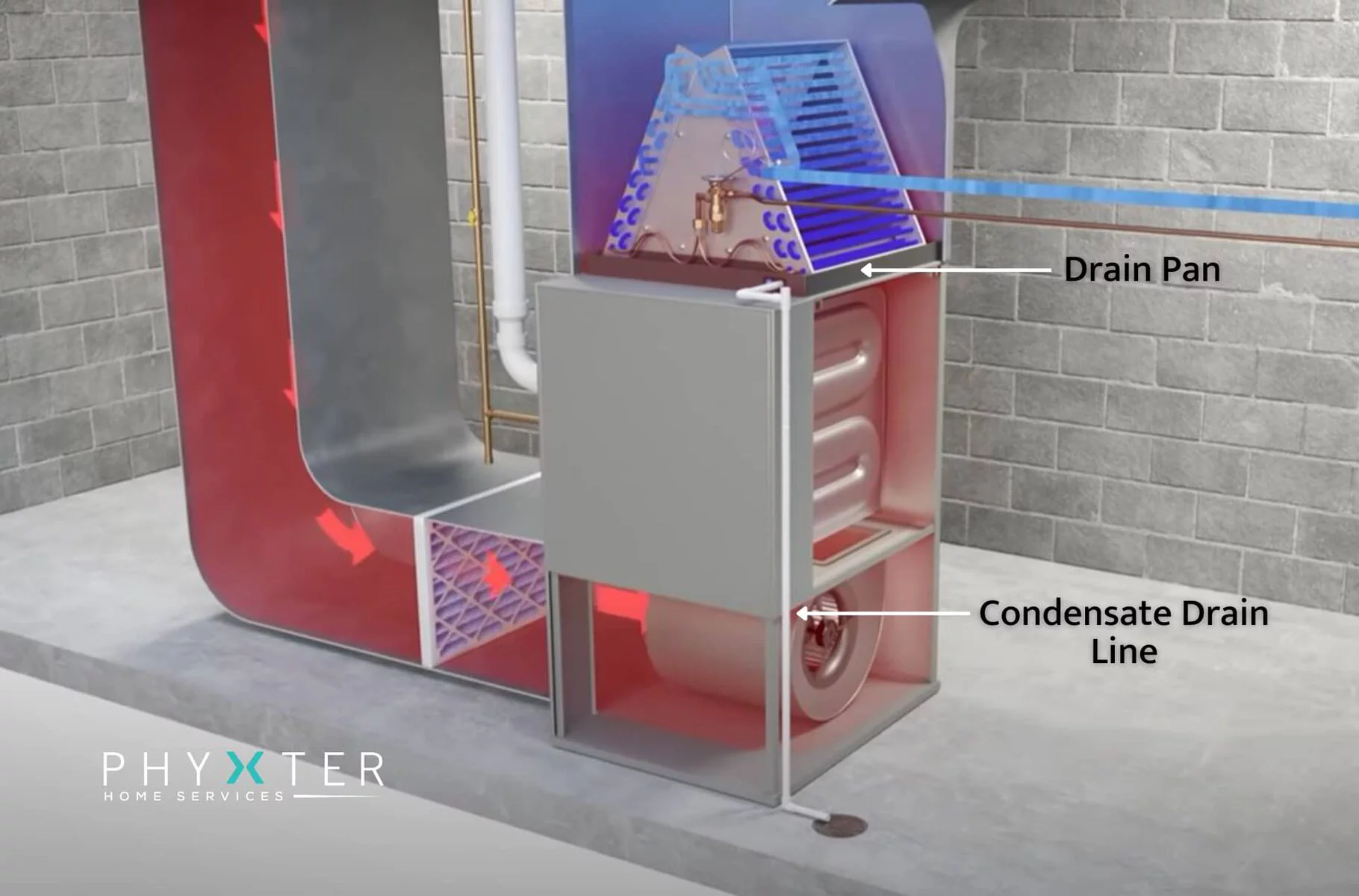
Find the drain pan located under the indoor unit. Remove the front panel or access cover carefully. Be gentle to avoid breaking clipsor damaging parts. Clear the area around the pan for easy cleaning.
Check For Damage
Look for any cracks or leaksin the drain pan. Check the drain line for blockages or mold. If damaged, consider repairing or replacingparts before cleaning to prevent water spills.

Credit: www.amazon.com
Step-by-step Cleaning Process
Begin by turning off the air conditioner and unplugging it for safety. Remove debris from the drain pan, then clean it with soap and water. Finally, dry the pan thoroughly before reassembling to prevent mold and blockages.
Remove Debris
First, turn off the air conditioner. This is for safety. Use gloves to protect your hands. Carefully take out all visible debris from the pan. Leaves, dirt, and twigs can block the drain.
Clear The Drain Line
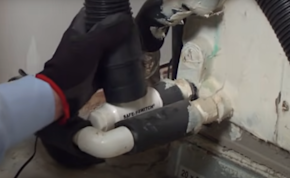
Use a wet/dry vacuum to suck out clogs. Connect the vacuum to the drain line. Ensure a tight seal. Run the vacuum for a few minutes. This clears the line.
Clean With Soap And Water
Mix warm water with mild soap. Dip a cloth in the soapy water. Wipe the drain pan gently. Remove all dirt and grime. Rinse with clean water.
Disinfect The Pan
Use a disinfectant spray on the pan. This kills germs and mold. Let the disinfectant sit for five minutes. Wipe dry with a clean cloth. Ensure the pan is fully dry before use.
Preventive Maintenance Tips
Set a regular inspection scheduleto check the drain pan. Look for standing water, cracks, or mold. This helps avoid blockagesand leaks.
Use algaecide tabletsto stop algae growth. Place tablets in the drain pan to keep water clean and free from slime. This keeps the drain flowing smoothly.
Keep the surrounding area clean. Remove dust, leaves, or debris near the air conditioner. This prevents dirt from entering the drain pan and causing clogs.
Signs Of Drain Pan Problems
Water leaksnear the air conditioner often signal a drain pan issue. The pan might be full or cracked, causing water to drip. This can damage floors or walls.
Unpleasant odorscoming from the AC usually mean mold or bacteria in the drain pan. Moist conditions help germs grow, causing bad smells.
Reduced cooling performancehappens when the drain pan is clogged. Water buildup can make the AC work harder, cooling less efficiently and raising energy costs.
When To Call A Professional
Persistent clogsin the drain pan can cause water to back up. This often needs a professional to clear safely and fully. Constant blockages may damage other parts of the AC system.
A damaged drain panwith cracks or rust leaks water. Professionals can replace or repair the pan to stop water damage. Ignoring this issue could lead to costly repairs.
Frequent water overflowfrom the drain pan signals a problem with drainage. A technician can find and fix hidden issues causing overflow. This protects your home from water damage and mold.
Credit: vernonairconditioning.com
Frequently Asked Questions
How Often Should I Clean The Ac Drain Pan?
You should clean the AC drain pan every 3 to 6 months. Regular cleaning prevents mold and clogs, ensuring proper drainage and system efficiency.
What Tools Do I Need To Clean The Drain Pan?
Basic tools include a screwdriver, bleach or vinegar, a sponge, and a wet-dry vacuum. These help remove debris and disinfect the pan effectively.
Can A Dirty Drain Pan Cause Ac Problems?
Yes, a dirty drain pan can cause water leaks, mold growth, and reduced cooling efficiency. Cleaning it regularly avoids costly repairs.
How Do I Prevent Mold In The Ac Drain Pan?
Use a mixture of bleach and water to clean the pan. Ensure proper drainage and keep the area dry to prevent mold growth.
Conclusion
Cleaning your air conditioner drain pan keeps your system running well. It stops water from building up and causing damage. Regular care helps avoid bad smells and mold growth. Take time to check and clean the pan every few months.
Small efforts now save you from bigger problems later. Keep your home fresh and your AC working smoothly. Simple steps can make a big difference in comfort and safety. Don’t forget this easy task as part of your home care routine.