When you buy a new car, you expect it to run smoothly and safely. But have you ever wondered how long the tires that come with it will actually last?
Your tires are the only part of your car touching the road, so knowing their lifespan is key to keeping you safe and saving money. You’ll discover the real answer to “How long do tires last on a new car?
” and learn simple tips to make your tires last longer. Keep reading—your next drive depends on it.
Tire Lifespan Basics
Tires are a key safety part of any new car. They wear down over time and use.
Knowing how long tires last helps you plan for replacements and stay safe.
Average Mileage Expectancy
Most new car tires last between 25,000 and 50,000 miles. This range depends on tire type and quality.
- Standard all-season tires often reach about 50,000 miles.
- Performance tires may wear out closer to 25,000 miles.
- Heavy-duty tires for trucks can last beyond 50,000 miles.
Factors Affecting Tire Life
Several factors change how fast tires wear out. These include driving habits and road conditions.
| Factor | Effect on Tire Life |
| Driving Speed | Fast driving increases tire wear |
| Road Surface | Rough roads cause quicker tire damage |
| Climate | Extreme heat or cold shortens tire life |
| Maintenance | Regular checks help tires last longer |
| Load Weight | Heavy loads cause faster tire wear |
Types Of Tires And Durability
Tires on a new car can last for different times based on the type. Let’s explore the common types and their durability.
Choosing the right tire affects how long they last. Understanding each type helps you make the best choice for your car.
All-season Tires
All-season tires work well in many conditions. They are popular for everyday use.
These tires can last about 50,000 to 70,000 miles. They offer a balance between performance and durability.
- Good for summer and mild winter
- Not perfect for extreme weather
- Common choice for many drivers
Performance Tires
Performance tires are designed for speed and handling. They are ideal for sports cars.
These tires may last around 30,000 to 40,000 miles. They wear faster due to their soft rubber.
- Better grip and control
- Not as durable as other types
- Perfect for fast driving
Winter Tires
Winter tires provide safety in snow and ice. They have special tread patterns for cold weather.
These tires typically last 30,000 to 40,000 miles. They should be used only in winter months.
- Excellent for snowy roads
- Not for use in warm seasons
- Essential for cold climates
Impact Of Driving Habits
The way you drive affects how long your tires last on a new car. Good habits help tires wear evenly.
Bad habits can cause tires to wear out faster and may reduce their life span.
Speed And Acceleration
Driving at high speeds wears tires out faster. Tires heat up more and lose grip on the road.
Quick acceleration puts extra pressure on tires. This causes uneven and rapid tire wear.
- Drive at moderate speeds to save tire life
- Avoid sudden acceleration
- Maintain steady speed on highways
Braking Patterns
Hard braking causes the tires to skid and wear unevenly. This reduces tire life.
Gentle braking helps tires last longer by preventing flat spots and extra wear.
- Brake early and smoothly
- Keep a safe distance to avoid sudden stops
- Use engine braking when possible
Road Conditions
Rough roads with potholes and debris damage tires quickly. Tires may get cuts or punctures.
Smooth roads help tires wear evenly and last longer. Avoid rough surfaces when you can.
- Avoid potholes and sharp objects
- Drive slowly on rough roads
- Check tires often for damage

Credit: carfromjapan.com
Maintenance Tips To Extend Life
Tires on a new car can last for many years if you care for them well. Regular maintenance helps you get the most miles out of your tires. It also keeps your driving safe and smooth.
This guide explains key tips to keep your tires in good shape. Follow these easy steps to extend the life of your tires and save money over time.
Proper Inflation
Keeping your tires inflated to the right pressure is very important. Check tire pressure at least once a month. Use a good pressure gauge and follow the car’s recommended PSI.
- Underinflated tires wear out faster on the edges.
- Overinflated tires wear out faster in the center.
- Proper inflation improves fuel efficiency and safety.
Regular Rotations
Tires wear unevenly if they stay in the same position. Rotating tires moves them to new spots on the car. This helps all tires wear evenly and last longer.
| Rotation Pattern | When to Rotate | Benefit |
|---|---|---|
| Front to Rear | Every 5,000 to 7,000 miles | Even wear on all tires |
| X-Pattern | Every 5,000 to 7,000 miles | Best for front-wheel drive cars |
| Side to Side | For directional tires | Maintains tire direction and balance |
Wheel Alignments
Wheel alignment means adjusting the angles of your tires. Proper alignment helps your tires roll straight and wear evenly. Misaligned wheels cause uneven tire wear and can reduce tire life.
Signs you need an alignment check:
- Your car pulls to one side.
- Uneven tire wear is visible.
- Steering wheel vibrates or is off-center.
Have your alignment checked yearly or after hitting a curb or pothole.
Signs Tires Need Replacement
Tires are important for your car’s safety. Knowing when to replace them helps avoid accidents.
Look for clear signs that your tires are worn out. This guide explains the main signs to watch.
Tread Wear Indicators
Tread wear indicators are small bars inside the tire grooves. They show when the tread is too low.
If the tread is level with these bars, the tire needs replacing. Low tread reduces grip and safety.
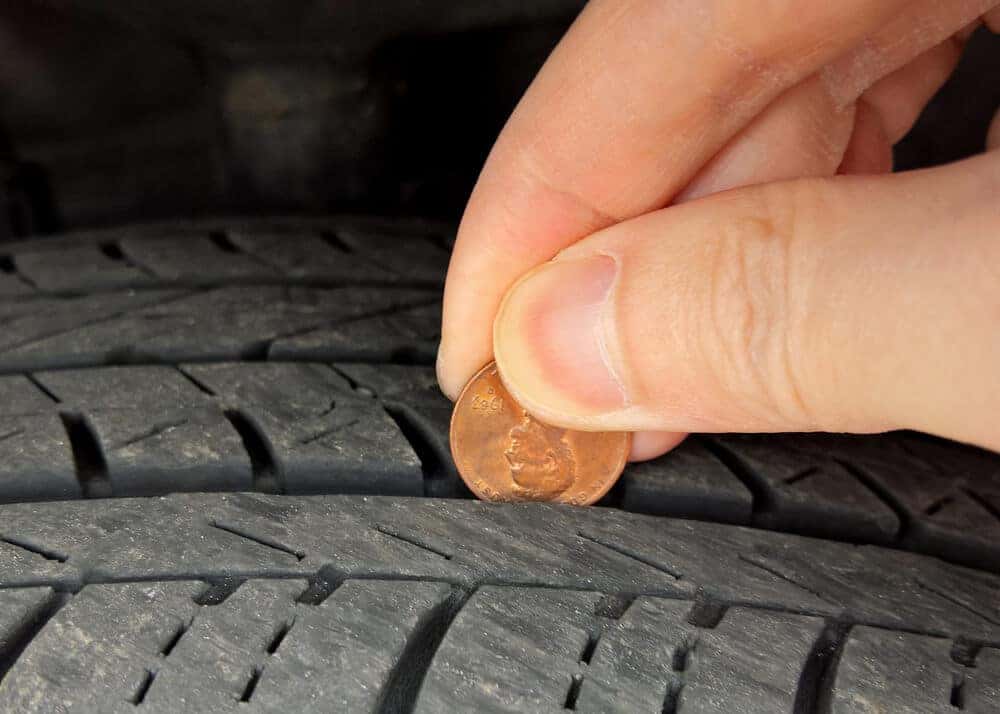
- Check tread depth using a tread depth gauge or coin test
- Look for wear bars across the tread pattern
- Replace tires when tread depth is 2/32 inch or less
Visible Damage
Look for cracks, cuts, or bulges on the tire surface. These damages weaken the tire structure.
Any visible damage can cause tire failure. Replace tires immediately if you see these problems.
- Cracks on sidewalls or tread area
- Bulges or blisters on the tire surface
- Cuts or punctures that go deep
Age-related Deterioration
Tires age even if you do not use them much. Rubber breaks down over time, making tires unsafe.
Most experts suggest replacing tires after 6 years, no matter the tread condition.
- Check tire manufacture date on the sidewall
- Replace tires older than 6 years
- Older tires may crack or lose grip

Credit: www.youtube.com
Manufacturer Warranties And Recommendations
New car tires come with warranties from the manufacturer. These warranties explain how long tires should last. Following the manufacturer’s advice helps you get the best use of your tires.
Manufacturers also give recommendations on tire care and replacement. Paying attention to these tips keeps your tires safe and reliable.
Typical Warranty Coverage
Tire warranties usually cover defects in materials and workmanship. They do not cover damage from road hazards or improper use. Warranties often last for a set number of years or miles.
- Coverage period varies from 3 to 6 years
- Mileage limits often range from 30,000 to 80,000 miles
- Wear and tear is sometimes covered under tread life warranty
- Damage from accidents or poor maintenance is excluded
Following Manufacturer Guidelines
Manufacturers suggest regular tire inspections and maintenance. Checking tire pressure and tread depth helps prevent problems. They also advise rotating tires every few thousand miles.
Using the right tires for your car and driving style extends tire life. Ignoring these guidelines can void the warranty and reduce safety.
- Keep tires inflated to recommended pressure
- Rotate tires every 5,000 to 7,500 miles
- Replace tires when tread depth is below 2/32 inch
- Avoid overloading and harsh driving
Environmental And Seasonal Considerations
Tires on a new car face many environmental and seasonal challenges. These factors affect how long tires last before needing replacement.
Understanding these influences helps car owners protect their tires better and get the most use from them.
Climate Effects
Climate plays a big role in tire wear. Hot weather can cause tires to age faster. Cold weather may make tires stiffer and more prone to cracking.
- High heat softens tire rubber, increasing wear.
- Cold temperatures make tires less flexible and more brittle.
- UV rays from the sun can damage tire surfaces over time.
- Wet conditions increase the risk of tire hydroplaning but do not directly affect tire lifespan.
Storage Practices
How you store your tires when not in use affects their life. Proper storage keeps tires safe from damage.
| Storage Condition | Effect on Tires |
| Cool, dry place | Preserves rubber quality and extends life |
| Direct sunlight exposure | Causes fading and cracking |
| Stacking tires improperly | Leads to shape deformation |
| Storage near chemicals or solvents | Damages rubber compounds |
Credit: www.albanymotorcarsonline.com
Frequently Asked Questions
How Long Do New Car Tires Typically Last?
New car tires usually last between 25,000 to 50,000 miles. This depends on driving habits, road conditions, and tire quality. Regular maintenance like rotation and proper inflation extends tire life significantly.
What Factors Affect Tire Lifespan On New Cars?
Tire lifespan depends on driving style, road surface, climate, and maintenance. Aggressive driving and rough roads wear tires faster. Proper inflation, alignment, and regular rotation help maximize tire longevity.
When Should I Replace Tires On My New Car?
Replace tires when tread depth reaches 2/32 inch or sooner. Also, look for cracks, bulges, or uneven wear. Typically, tires last 3 to 6 years regardless of mileage.
Does Tire Type Influence How Long They Last?
Yes, tire type affects durability. All-season tires generally last longer than performance tires. Off-road tires may wear faster due to rough terrain. Choose tires based on your driving needs and conditions.
Conclusion
Tires on a new car usually last between 3 to 6 years. Many factors affect their lifespan, such as driving habits and road conditions. Regular checks help spot wear early. Proper tire care can extend how long they last. Don’t wait for tread to wear out completely.
Replace tires when you notice cracks or uneven wear. Safe driving starts with good tires. Keep your car running smoothly and safely. Tire life varies, so stay aware and maintain them well.