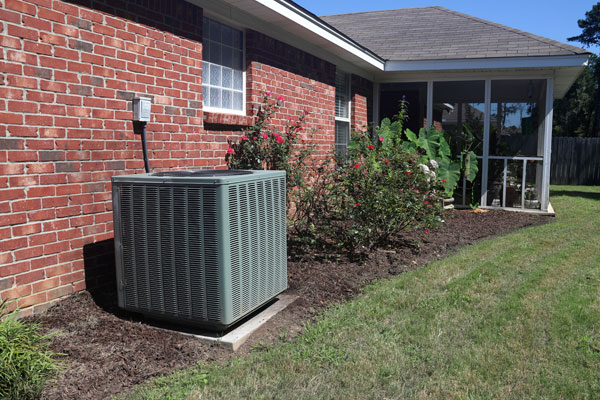
Are you curious about how much electricity your central air conditioner really uses? Understanding this can help you save money and avoid surprise high energy bills.
You might be wondering if your cooling system is costing more than it should or how you can make it more efficient. This article will break down the facts in simple terms, so you know exactly what’s powering your comfort and how to take control of your energy use.
Keep reading to uncover the true electricity consumption of your central air conditioner and discover easy tips to cut down on costs.
Credit: www.searsheatingcooling.com
Electricity Basics For Central Ac
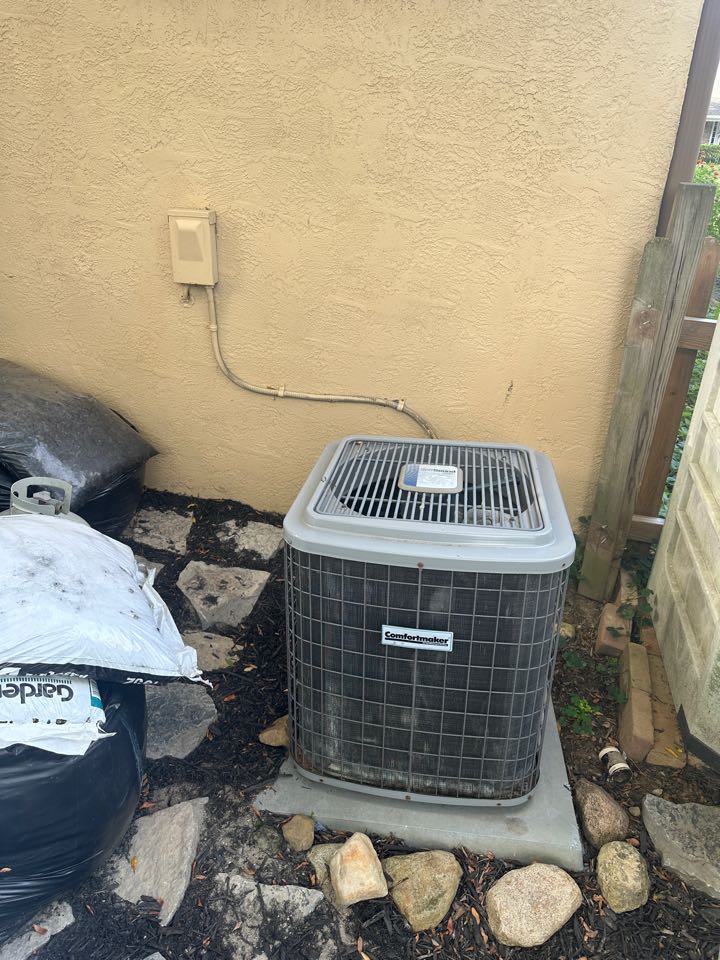
The electricity useof a central air conditioner depends on many factors. These include the unit’s efficiency, size, and how often it runs. The Seasonal Energy Efficiency Ratio (SEER)shows how well the AC uses electricity. Higher SEER means lower energy useand lower bills.
Unit size also matters. A larger ACcools bigger spaces but uses more power. A small unitis better for small rooms and uses less energy. Choosing the right size helps save electricity and money.
| Factor | Effect on Electricity Use |
|---|---|
| SEER Rating | Higher rating means less energy used |
| Unit Size | Larger units use more electricity |
| Usage Time | Longer use increases electricity consumption |

Credit: coastalhomeservicesinc.com
Average Energy Use
Central air conditioners usually use between 2,000 and 5,000 watts of electricity per hour. The exact amount depends on the unit’s size and efficiency. Running the AC for several hours can add up to a noticeable electricity bill.
Typical Kilowatt-hours Per Hour
Central air conditioners use about 1 to 5 kilowatt-hours each hour. The size and efficiency of the unit affect this. A bigger unit uses more energy.Daily And Monthly Usage Estimates
| Usage | Energy (kWh) |
|---|---|
| Daily Usage | 24 to 120 kWh |
| Monthly Usage | 720 to 3,600 kWh |
Seasonal Variations In Consumption
Energy use changes with seasons. Summer months see higher use. In cooler months, it uses less energy. This happens because homes need less cooling. Energy bills are often higher in summer due to this. Keeping track helps save money. `Cost Implications
The electricity billdepends on how much power your air conditioner uses. Most central AC units use between 2000 to 4000 watts. Multiply this by the number of hours it runs daily to find usage.
Electricity prices change by region. Some places charge more per kWhthan others. This affects your total cost.
Costs also change by time of day. Peak hoursusually have higher rates. Running your AC during off-peak hourscan save money.
| Factor | Description | Effect on Cost |
|---|---|---|
| Power Usage | Watts consumed by AC unit | Higher watts = higher bill |
| Regional Rates | Price per kWh varies by location | Higher rates = higher bill |
| Peak vs Off-Peak | Different prices at different times | Peak hours cost more |
Credit: www.kompulsa.com
Energy Efficiency Tips
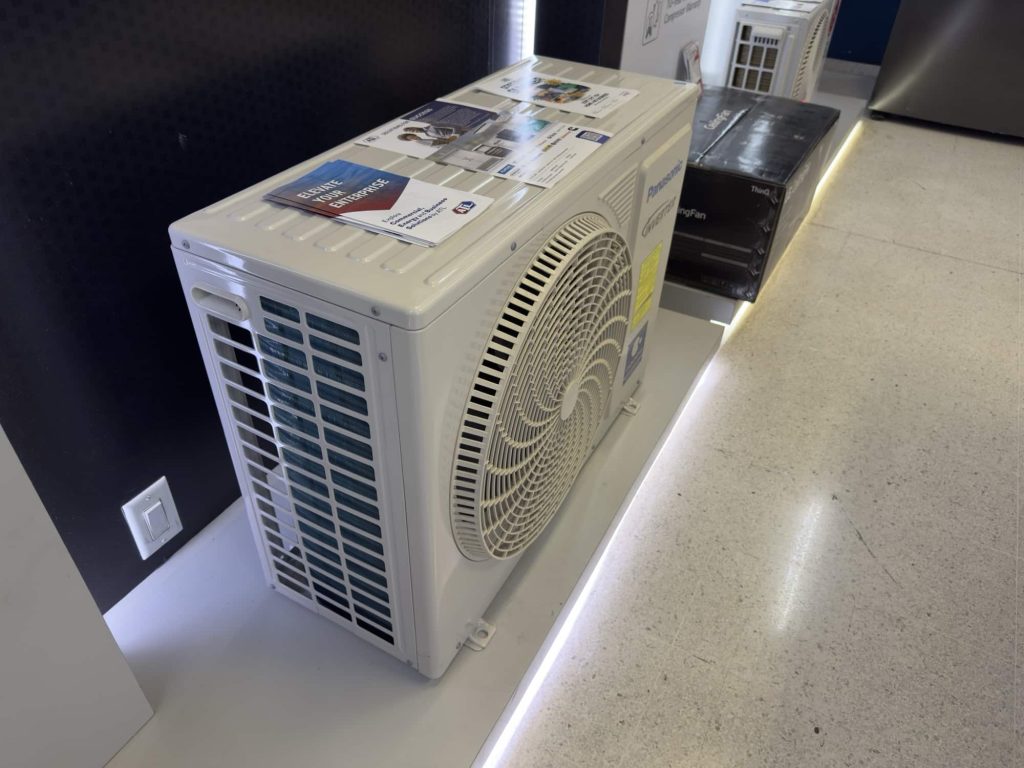
Regular maintenancekeeps your air conditioner running efficiently. Change filters often. Clean coils and check refrigerant levels. Clear debris around the outdoor unit to improve airflow. This reduces energy use and extends unit life.
Set your thermostat to a comfortable but not too cold temperature. Keeping it around 78°F (25°C)when home can save energy. Use a programmable thermostat to adjust temperature when away or sleeping. Small changes can cut electricity use.
| Benefit | Energy Star Units |
|---|---|
| Energy Use | Uses up to 15% less electricity |
| Cost Savings | Lower bills over time |
| Environmental Impact | Less pollution and carbon footprint |
| Cooling Performance | More consistent and reliable |
Alternative Cooling Options
Ductless mini-splitscool specific rooms without ducts. They use less energy than central air conditioners. Installation is easier and less costly. These systems allow control of temperature in each room separately.
Evaporative coolersuse water to cool air. They work best in dry climates. These coolers consume less electricity and add moisture to the air. They are simple and cheap to run but less effective in humid places.
- Smart cooling technologieshelp save energy by adjusting cooling.
- Thermostats learn your schedule for efficient cooling.
- Some systems turn off when no one is home.
- Apps let you control cooling from anywhere.
Frequently Asked Questions
How Much Electricity Does A Central Ac Use Monthly?
A central AC typically uses 1,500 to 2,500 kWh monthly. Usage depends on unit size, efficiency, and daily operation hours. Warmer climates increase consumption. Using a programmable thermostat can reduce electricity costs.
What Factors Affect Central Air Conditioner Electricity Use?
Electricity use depends on AC size, SEER rating, thermostat settings, and outdoor temperature. Proper insulation and maintenance also impact efficiency. Newer models with higher SEER ratings consume less power.
How Can I Reduce My Central Ac Electricity Consumption?
Lowering thermostat settings, using energy-efficient models, and regular maintenance reduce consumption. Sealing leaks and improving home insulation also help. Consider ceiling fans to circulate air and limit AC use.
Does Central Ac Use More Electricity Than Window Units?
Central ACs generally use more electricity due to larger capacity. However, they cool entire homes efficiently. Window units consume less power but suit smaller spaces. Energy efficiency depends on unit quality and usage.
Conclusion
Central air conditioners use a good amount of electricity. Their energy use depends on size, age, and how often they run. Choosing the right unit can save money on power bills. Regular maintenance helps the system work better and use less energy.
Small changes, like setting higher temperatures, reduce electricity use. Understanding these factors helps control costs and stay comfortable. Keep track of energy use to avoid surprises. Simple habits make a big difference in your electricity consumption.