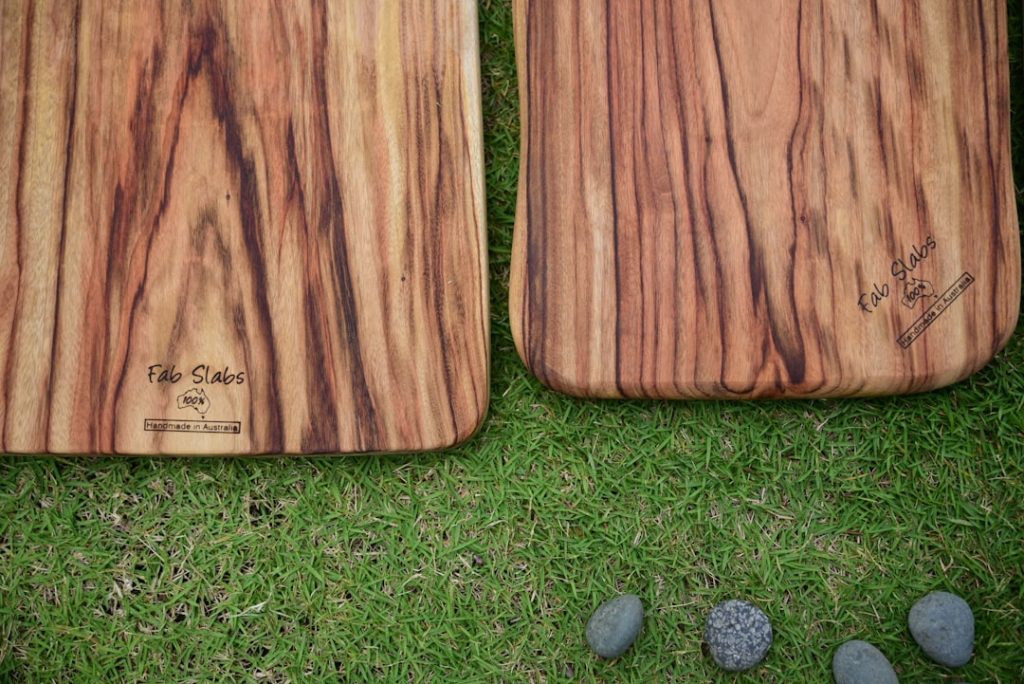
Choosing the right wood for your cutting board can make a huge difference in your kitchen. You want a board that’s durable, safe for your knives, and easy to clean.
But with so many types of wood out there, how do you know which one is best for you? You’ll discover the top woods that combine strength, beauty, and hygiene. By the end, you’ll feel confident picking the perfect cutting board that fits your cooking style and keeps your kitchen looking sharp.
Keep reading—your next favorite kitchen tool is just a few paragraphs away.
Factors Affecting Cutting Board Durability
Choosing the best wood for a cutting board depends on several factors. These factors affect how long the board will last and how well it performs daily.
Understanding these factors helps you pick a cutting board that stays strong and safe for food preparation.
Wood Hardness And Density
Hardness and density determine how well a wood resists scratches and dents. Hard woods like maple and walnut are popular for cutting boards because they hold up well against knife cuts.
Too soft wood can wear out quickly and show deep cuts. Very hard wood might damage knife edges.
Resistance To Moisture And Warping
Wood that absorbs less water will resist warping and cracking better. Woods like teak and cherry have natural oils that help repel moisture.
- Teak: High natural oil content, good moisture resistance
- Maple: Tight grain, moderate moisture resistance
- Walnut: Dense grain, resists water well
- Cherry: Oily wood, less prone to warping
Impact On Knife Edges
Cutting boards must be gentle on knives to keep them sharp. Softer woods reduce blade dulling, while very hard surfaces can blunt knives faster.
| Wood Type | Effect on Knife Edges |
|---|---|
| Maple | Gentle, keeps knives sharp longer |
| Bamboo | Harder, may dull knives faster |
| Walnut | Balanced hardness, good for blades |
| Plastic | Soft but less durable |
Maintenance And Longevity
Proper care extends a cutting board’s life. Regular oiling and cleaning prevent cracks and bacteria build-up.
- Clean with mild soap and water after use
- Dry completely before storing
- Apply food-safe mineral oil monthly
- Avoid soaking or dishwasher cleaning

Credit: www.promoleaf.com
Top Hardwood Choices
Choosing the right wood for a cutting board is important. Hardwood types are durable and safe for food prep.
Let’s explore some top choices for hardwood cutting boards. Each type has unique benefits and features.
Maple
Maple is a popular choice for cutting boards. It is hard, dense, and has a fine grain. This makes it gentle on knives.
- Durable and long-lasting
- Easy to maintain
- Light color complements any kitchen
Walnut
Walnut offers a rich, dark color that adds elegance. It is softer than other hardwoods, which is gentle on knives.
This wood is durable yet provides a luxurious feel. Walnut boards can withstand daily use.
Cherry
Cherry wood has a warm, reddish-brown hue. It darkens over time, adding character to your kitchen.
| Feature | Benefit |
| Warm color | Stylish appearance |
| Moderate hardness | Gentle on knives |
| Easy to work with | Great for custom shapes |
Teak
Teak is known for its resistance to water and bacteria. It is an excellent choice for wet environments.
Exotic And Specialty Woods
Exotic and specialty woods make unique cutting boards. They offer strong durability and beautiful colors.
These woods resist knife marks and last a long time with care. They add style to any kitchen.
Purpleheart
Purpleheart is a hardwood with a rich purple color. It darkens slightly with age but keeps its beauty.
This wood is very dense and hard, making it great for cutting boards. It resists scratches and dents well.
Padauk
Padauk wood has a bright orange-red color that stands out. It is strong and holds up well to daily use.
This wood is also resistant to moisture, which helps prevent warping. It makes a durable and eye-catching board.
Beech
Beech wood is a lighter, creamy color with a fine grain. It is easy to clean and gentle on knives.
It is strong and does not absorb moisture easily. Beech is a popular choice for practical cutting boards.

Credit: oggnhome.com
Wood Safety And Food Hygiene
Choosing the right wood for a cutting board is important for safety and hygiene. Some woods are better at resisting bacteria and are safer for food use.
Understanding wood types helps keep your kitchen clean and your food safe. Always pick woods that do not harm health or absorb too much moisture.
Natural Antibacterial Properties
Certain woods have natural oils that stop bacteria from growing. These woods reduce the chance of food contamination.
Hardwoods like maple, walnut, and cherry are good choices. Their tight grain prevents bacteria from hiding deep inside.
- Maple has fine grain and natural antimicrobial effects
- Walnut is dense and limits bacteria growth
- Cherry wood contains natural oils that protect food
Cleaning Tips
Clean your wood cutting board after each use to stop germs from spreading. Use warm water and mild soap to wash it.
Avoid soaking wood boards in water. Dry them quickly to prevent cracks and mold growth.
- Wash with warm, soapy water immediately
- Do not put wooden boards in the dishwasher
- Dry the board well with a clean towel
- Use a vinegar solution to disinfect when needed
Avoiding Toxic Woods
Some woods release harmful chemicals or cause allergic reactions. Avoid using these woods for cutting boards.
Stay away from softwoods like pine or cedar. These woods are porous and can absorb bacteria easily.
- Do not use pine, cedar, or other softwoods
- Avoid woods treated with chemicals or finishes
- Choose food-safe, untreated hardwoods only
Types Of Cutting Boards By Wood Construction
Cutting boards come in different wood constructions. Each type offers unique benefits and care needs. Knowing these types helps you choose the best board for your kitchen tasks.
This guide covers three common wood constructions: end grain, edge grain, and face grain boards. You will learn how each is made and what makes them special.
End Grain Boards
End grain boards show the wood fibers standing upright. This makes the surface softer on knives and helps them last longer. These boards are very durable and resist cuts well.
- Made by joining small blocks of wood with ends facing up
- Self-healing surface that hides knife marks
- Good for heavy chopping and cutting
- Usually thicker and heavier than other boards
Edge Grain Boards
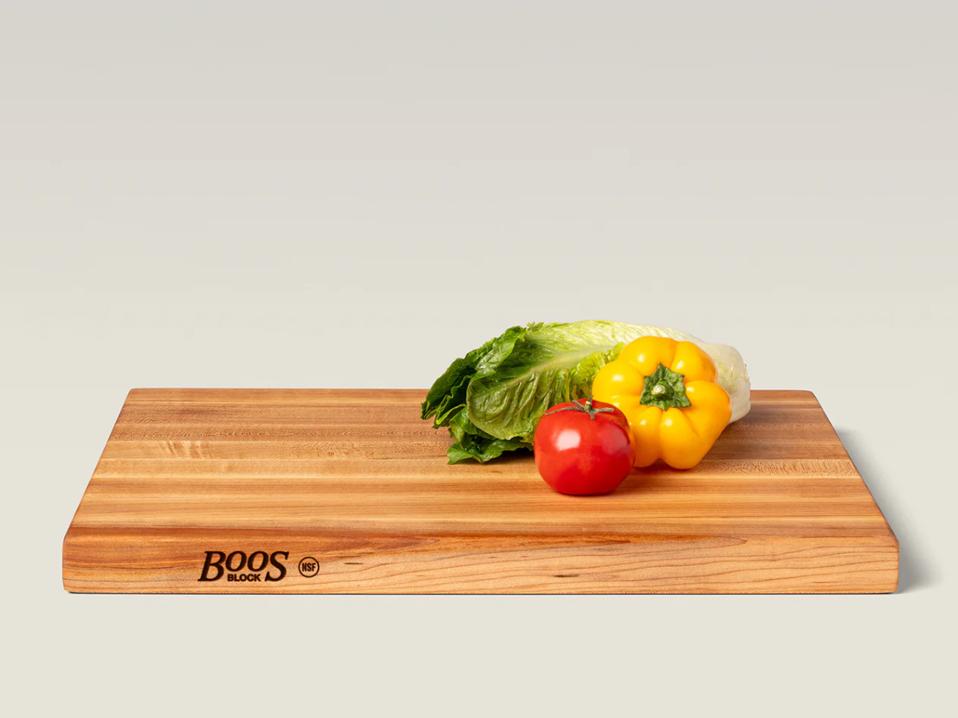
Edge grain boards show the side of the wood planks. They have a smooth, striped look. These boards are easier to make and usually cost less than end grain boards.
| Feature | Edge Grain Boards |
| Durability | Moderate |
| Knife Friendly | Good |
| Appearance | Striped wood pattern |
| Weight | Lighter than end grain |
| Care | Regular oiling needed |
Face Grain Boards
Face grain boards use the flat surface of wood planks. They show large wood patterns and grains. These boards are light and usually less expensive.
- Made from wide wooden boards glued side by side
- Knife cuts show more on the surface
- Best for light kitchen tasks
- Easy to clean and maintain
Tips For Choosing The Right Wood
Choosing the best wood for a cutting board is important for safety and use. Different woods have different strengths and looks.
Knowing what to look for can help you pick a board that lasts and looks good in your kitchen.
Balancing Durability And Aesthetics
Durable wood resists cuts and dents better. It helps the board stay strong for years. Some woods also look nice with natural colors and patterns.
Hardwoods like maple, walnut, and cherry offer both strength and beauty. They are dense enough to handle chopping but still look great on your counter.
- Maple is light-colored and very tough
- Walnut has a rich dark color and good hardness
- Cherry shows a warm reddish tone and is fairly hard
Budget Considerations
Some woods cost more than others. Hardwoods that look good and last long may be pricey. You can find good wood options at different prices.
Less expensive woods may work well but might not last as long. Think about how much you want to spend and how often you will use the board.
- Maple is often affordable and durable
- Walnut tends to be more expensive but very attractive
- Bamboo is budget-friendly and eco-friendly
Environmental Sustainability
Choosing wood that is grown and harvested in a safe way helps the environment. Look for wood from forests that follow good rules.
Bamboo grows fast and is a good choice for those who want to help the planet. Also, wood labeled as FSC certified means it is sourced responsibly.
- Bamboo renews quickly and uses less water
- FSC certified wood supports forest health
- Avoid woods from endangered or illegal logging
Credit: www.forbes.com
Frequently Asked Questions
What Wood Types Are Best For Cutting Boards?
Hardwoods like maple, walnut, and cherry are ideal for cutting boards. They resist knife marks and are food-safe. These woods also offer durability and natural antibacterial properties, ensuring a long-lasting, hygienic surface for food preparation.
Why Is Hardwood Preferred For Cutting Boards?
Hardwood is dense and durable, preventing deep knife cuts that harbor bacteria. It also self-heals minor scratches, maintaining a smooth surface. This makes hardwood cutting boards safer and more durable compared to softwoods.
Are Bamboo Cutting Boards Good For Kitchens?
Yes, bamboo is a sustainable, hard material that resists moisture and bacteria. It is eco-friendly and lightweight but can be slightly harder on knives than traditional hardwoods.
How Does Wood Grain Affect Cutting Board Quality?
End-grain boards absorb knife impact better, prolonging blade sharpness. Face-grain boards look attractive but show cuts faster. End-grain is preferred for durability and knife friendliness.
Conclusion
Choosing the right wood for your cutting board makes a big difference. Hardwoods like maple, walnut, and cherry last long and resist cuts. They keep your knives sharp and stay safe for food. Soft woods wear out fast and can trap germs.
Pick a wood that fits your budget and style. Taking care of your board keeps it looking nice. A good cutting board makes cooking easier and more fun. Simple steps lead to great kitchen tools.