Your wood cutting board is more than just a kitchen tool—it’s an investment that deserves proper care. Choosing the right oil to treat your board can keep it looking great, prevent cracks, and stop bacteria from settling in.
But with so many options out there, how do you know which oil is best for your wood cutting board? You’ll discover the safest, most effective oils to use and learn how to keep your board in top shape for years to come.
Keep reading to protect your kitchen essential the right way.

Credit: ca.maisonrodin.com
Choosing The Right Oil
Wood cutting boards need oil to stay healthy and last long. The right oil protects the wood from drying out and cracking.
Not all oils work well on wood. Some oils can spoil or make the board sticky. Pick an oil that keeps your cutting board safe and clean.
Mineral Oil Benefits
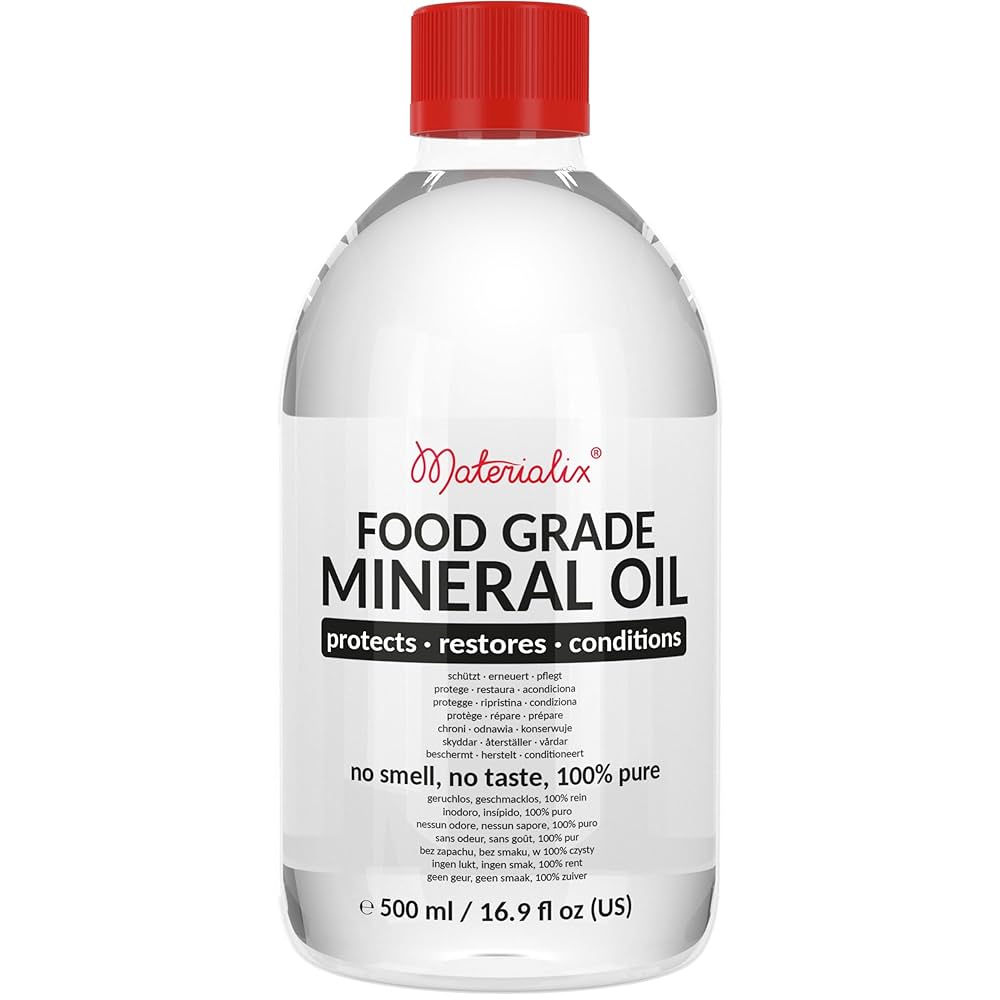
Mineral oil is a popular choice for wood cutting boards. It is clear, odorless, and safe for food contact. It soaks into the wood and seals out water.
Using mineral oil helps prevent cracks and warping. It also keeps the board looking fresh and smooth. You can find mineral oil in most stores or online.
Why Avoid Vegetable Oils
Vegetable oils like olive or canola oil are not good for cutting boards. They can go rancid and smell bad over time. This can ruin the wood and make it unsafe.
Vegetable oils may also leave a sticky surface that attracts dirt. These oils do not protect the wood as well as mineral oil does.
- Can spoil and smell bad
- May leave sticky residue
- Do not protect wood well
Food-safe Oils Explained
Food-safe oils are safe to use on surfaces that touch food. They do not cause harm if small amounts mix with food. This is important for cutting boards.
Besides mineral oil, some other food-safe oils include beeswax and certain nut oils. Always check if the oil is labeled food-safe before use.
- Mineral oil is food-safe and easy to use
- Beeswax adds extra protection
- Some nut oils are safe but can cause allergies
- Avoid oils not labeled food-safe
Oils To Avoid
Choosing the right oil for your wood cutting board is important. Some oils can damage the wood or cause other problems.
This section explains which oils to avoid and why they are not good for your cutting board.
Risks Of Using Olive And Coconut Oil
Olive and coconut oils can go bad over time. When they do, they may make your cutting board sticky or smelly.
These oils do not soak into the wood well. This can cause the wood to dry out and crack faster.
- Olive oil can turn rancid quickly.
- Coconut oil may leave a sticky surface.
- Both oils do not protect the wood effectively.
Problems With Cooking Oils
Cooking oils like vegetable, canola, and sunflower oil are not good for cutting boards. They often contain additives and chemicals.
These oils can become sticky and attract dirt. They do not create a strong barrier to protect the wood.
- May cause a sticky or gummy surface
- Can spoil and smell bad quickly
- Contain additives harmful to wood
- Do not keep wood moisturized
Effects Of Rancid Oils
Rancid oils break down and produce bad smells. They can harm your cutting board’s surface and food safety.
When oil goes rancid, it loses its protective qualities. It can make the wood dry and cause stains or sticky patches.
- Unpleasant odor and taste
- Sticky or rough texture on wood
- Wood may crack or dry out faster
- Can attract bacteria and germs
How Often To Oil Your Board
Oiling your wood cutting board keeps it in good shape. It prevents the wood from drying out and cracking.
The right oil makes your board last longer and look better. Use mineral oil or beeswax for best results.
Signs Your Board Needs Oil
Watch for signs that your board needs oiling. This keeps it in great condition.
- Wood looks dry and faded
- Board feels rough to the touch
- Water soaks into the board instead of beading up
Seasonal Oiling Tips
Seasons affect how often you should oil your board. Adjust your oiling routine based on the weather.
In dry winter months, you may need to oil more often. During humid summers, oil less frequently.
Frequency Based On Usage
How often you use your board affects its oiling needs. More use means more oiling.
If you use your board daily, oil it every week. For less frequent use, oil it once a month.
Application Steps
Using the right oil keeps your wood cutting board safe and long-lasting. Proper application helps the oil soak in well.
Follow these steps to prepare, apply oil, and finish your wood cutting board treatment correctly.
Preparing The Board
Start with a clean, dry cutting board. Remove any food residue or dirt.
- Wash the board with warm water and mild soap.
- Rinse thoroughly and dry with a towel.
- Let the board air dry completely before oiling.
- If needed, lightly sand the surface to smooth rough spots.
Applying The Oil Correctly
Choose a food-safe oil like mineral oil or walnut oil. Apply enough oil to cover the entire surface.
- Pour a small amount of oil onto the board.
- Use a clean cloth or paper towel to spread the oil evenly.
- Cover all sides, including edges and ends.
- Let the oil soak in for at least 20 minutes.
- Apply more oil if the board looks dry or absorbs it quickly.
Drying And Buffing
After the oil soaks in, remove any extra oil to prevent stickiness.
| Drying Time | Buffing Method |
|---|---|
| Let sit for 4-6 hours or overnight | Use a dry, soft cloth to buff the surface |
| Avoid using the board during drying | Buffing removes excess oil and adds shine |
Additional Care Tips
Oiling your wood cutting board keeps it strong and safe. Regular care helps the board last longer. Here are some tips to keep your board in good shape.
Following these steps will protect the wood and keep it looking fresh. Proper care prevents damage and keeps your board ready for use.
Cleaning Before Oiling
Clean your board well before applying oil. Use warm water and mild soap to remove dirt and food bits. Avoid soaking the board in water.
Dry the board completely with a towel. Let it air dry fully to stop moisture inside the wood. Only oil a dry board for best results.
Avoiding Cracks And Warping
Wood cracks and warps if it gets too dry or too wet. Apply oil regularly to keep moisture balanced. Use food-safe oils like mineral oil or walnut oil.
Do not leave your board near heat or in direct sunlight. Heat dries the wood and causes it to crack. Keep your board at room temperature.
- Oil your board once a month or when it looks dry
- Wipe off extra oil after application
- Do not use vegetable or olive oils as they can spoil
- Store away from heaters or windows
Storing Your Cutting Board
Store your cutting board in a dry place. Avoid stacking heavy items on it to prevent damage. Store it upright to let air flow around it.
Keep the board away from damp areas. Moisture can cause mold or mildew. Proper storage keeps your board clean and safe.
- Place board in a well-ventilated spot
- Stand board on its side instead of flat
- Keep it away from sinks and dishwashers
- Use a board rack if possible
Credit: walrusoil.com
Alternative Products
Wood cutting boards need oil to stay strong and last longer. Different oils protect the wood from water and cracks. Some oils are safer and better for food contact than others.
This guide shows some alternative products you can use to care for your wood cutting board. These options keep your board healthy and safe for kitchen use.
Beeswax And Oil Blends
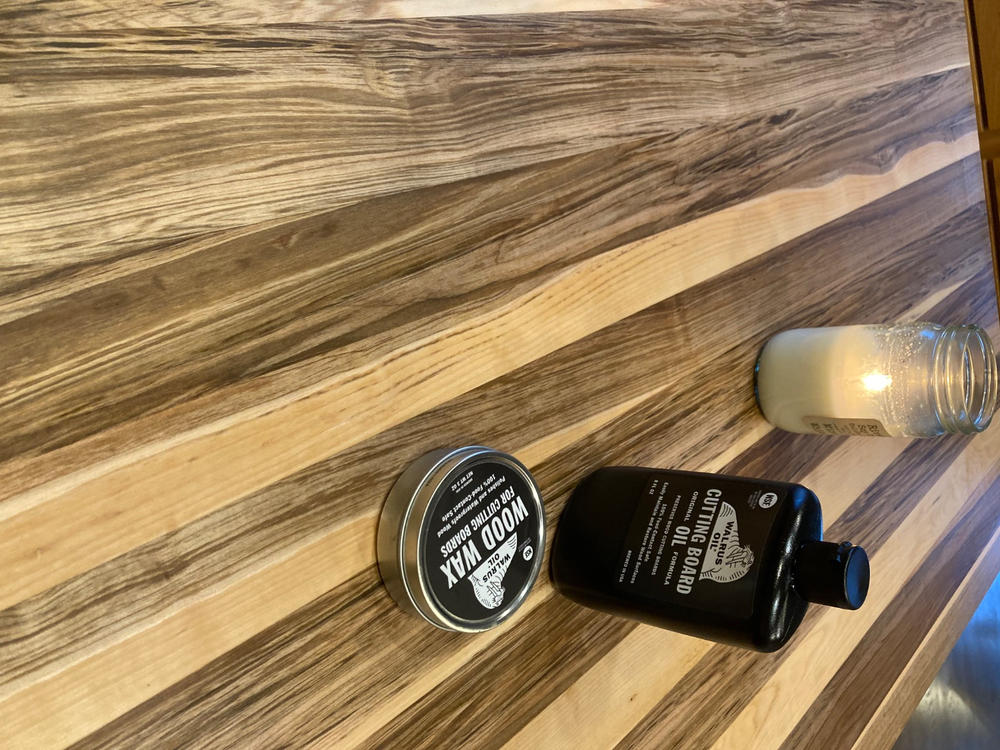
Beeswax mixed with oil creates a soft, protective layer on cutting boards. This blend seals the wood and keeps moisture out. It also adds a slight shine and smooth feel to the surface.
- Beeswax strengthens the wood’s surface.
- Oils like mineral or walnut oil mix well with beeswax.
- The blend should be warmed to mix evenly.
- Apply with a soft cloth and let it soak in.
- Buff the board after application for best results.
Commercial Cutting Board Conditioners
Many stores sell ready-made cutting board oils and conditioners. These products often combine food-safe oils and waxes. They are easy to use and offer reliable protection.
| Product Type | Main Ingredients | Benefits |
| Cutting Board Oil | Mineral oil, vitamin E | Penetrates wood, prevents drying |
| Board Conditioner | Beeswax, mineral oil | Seals and protects surface |
| Food-Safe Wax | Beeswax, carnauba wax | Creates hard protective layer |
Diy Oil Mixtures
Making your own oil mixture lets you choose safe, natural ingredients. Combine oils that do not go rancid to keep your board fresh. Avoid cooking oils that spoil quickly.
- Use mineral oil as a base for deep wood penetration.
- Add a small amount of beeswax for surface protection.
- Coconut oil can be used but may turn rancid.
- Walnut oil is natural but can cause allergies.
- Mix ingredients by warming and stirring well.

Credit: www.amazon.ca
Frequently Asked Questions
What Type Of Oil Is Best For Wood Cutting Boards?
Food-grade mineral oil is best for wood cutting boards. It is safe, odorless, and prevents wood from drying and cracking.
Can I Use Olive Oil On My Cutting Board?
Olive oil is not recommended as it can turn rancid and cause a sticky surface. Use mineral oil instead.
How Often Should I Oil My Wooden Cutting Board?
Oil your wooden cutting board once a month or when it looks dry. Regular oiling maintains its durability and appearance.
Is Beeswax Good For Conditioning Wood Cutting Boards?
Yes, beeswax combined with mineral oil creates a protective barrier. It seals moisture and keeps the wood smooth and hydrated.
Conclusion
Choosing the right oil keeps your wood cutting board strong. Mineral oil is safe and easy to find. It protects wood from drying and cracking. Avoid cooking oils that can turn rancid. Regular oiling keeps your board looking new. Clean your board well before applying oil.
Let the oil soak in for best results. A well-oiled board lasts much longer. Take care of your board, and it serves you well. Simple steps make a big difference in board care.