
Are stains on your cutting board making it look old and unhygienic? You’re not alone.
Whether it’s from tomatoes, berries, or meat juices, those stubborn marks can be tough to remove. But don’t worry—your cutting board can look fresh and clean again with the right tricks. You’ll discover simple, effective ways to get rid of stains and keep your board safe for your next meal prep.
Ready to bring your cutting board back to life? Let’s dive in.
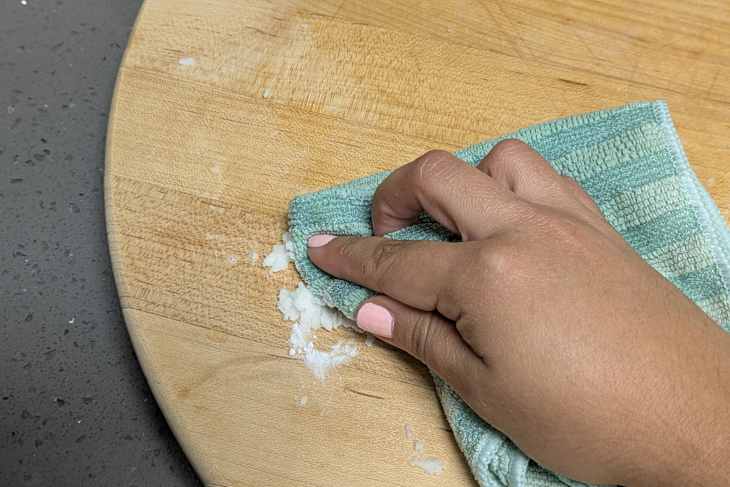
Credit: www.thekitchn.com
Types Of Cutting Board Stains
Cutting boards often develop stains from daily use. These stains can affect their look and hygiene.
Knowing the types of stains helps you clean your board better and keep it safe for food.
Food Stains
Food stains come from fruits, vegetables, sauces, and spices. They can leave colors like red, yellow, or green on the board.
- Tomato juice can leave red marks.
- Turmeric often causes yellow stains.
- Beetroot can create dark pink spots.
- Leafy greens may leave green smudges.
Knife Marks And Discoloration
Cutting boards get small cuts from knives. These cuts can trap dirt and cause discoloration over time.
| Cause | Effect on Board |
| Repeated knife cuts | Visible scratches and grooves |
| Exposure to sunlight | Fading and uneven color |
| Moisture | Dark spots and warping |
Mold And Mildew
Mold and mildew grow on cutting boards if they stay wet too long. They appear as black or green spots.
Signs of mold or mildew include:
- Musty smell
- Discolored patches
- Soft or spongy texture
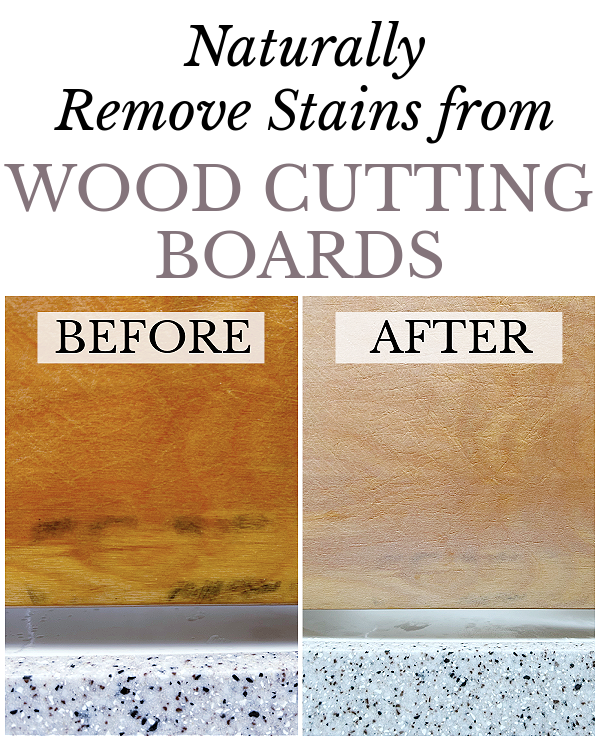
Credit: www.lemonslavenderandlaundry.com
Basic Cleaning Techniques
Keeping your cutting board clean is important for hygiene. Here are basic ways to remove stains effectively.
These techniques use common household items. They are safe and easy to follow.
Soap And Water Wash
Start by rinsing the cutting board with warm water. Apply a small amount of dish soap directly onto the surface.
Use a sponge to scrub the board gently. Focus on areas with visible stains for best results.
- Rinse thoroughly with warm water
- Dry with a clean towel
- Ensure no soap residue is left
Scrubbing With Baking Soda
Baking soda is a natural cleaner. Sprinkle some onto the cutting board.
Use a damp sponge to scrub the surface. It helps lift stains without damaging the board.
- Rinse with warm water
- Pat dry with a towel
- Repeat if necessary for tough stains
Using Lemon And Salt
Lemon and salt work well on stains. Cut a lemon in half and sprinkle salt on the board.
Rub the lemon half over the salt-covered surface. The acid and grit help remove stains effectively.
- Let it sit for a few minutes
- Rinse with warm water
- Dry thoroughly to prevent warping
Deep Stain Removal Methods
Cutting boards can get deep stains from food juices and spices. Removing these stains keeps your board clean and safe.
Use strong but safe methods to clear tough stains. These methods work well for wood and plastic boards.
Hydrogen Peroxide Application
Hydrogen peroxide helps remove deep stains by breaking down color molecules. It also kills bacteria on the board.
- Pour 3% hydrogen peroxide over the stained area.
- Spread it evenly using a clean cloth or sponge.
- Let it sit for 10 minutes to work on the stain.
- Rinse the board with warm water.
- Dry the board with a clean towel.
Vinegar Soak
White vinegar is a natural cleaner that can lift stains and odors from cutting boards. It also helps disinfect the surface.
- Fill your sink or a container with equal parts white vinegar and water.
- Soak the cutting board for 15 to 30 minutes.
- Scrub the board gently with a brush if needed.
- Rinse thoroughly with water.
- Dry the board completely before storing.
Using Commercial Cleaners Safely
Commercial cleaners can remove tough stains but use them carefully. Follow product instructions to avoid damage.
| Cleaner Type | Usage Tips | Safety Notes |
|---|---|---|
| Bleach Solution | Use a diluted mix (1 tablespoon bleach per gallon of water). Rinse well. | Wear gloves; avoid mixing with other chemicals. |
| Oxygen-Based Cleaners | Apply paste on stains, wait 10 minutes, then rinse. | Good for both wood and plastic boards. |
| Enzyme Cleaners | Spray and let sit to break down organic stains. | Follow label instructions closely. |
Preventing Future Stains
Stains on cutting boards can be hard to remove. Taking steps to prevent stains helps keep your board clean and safe.
Proper care and habits can stop stains from setting in. Let’s look at ways to protect your cutting board.
Regular Maintenance Tips
Clean your cutting board after every use. Use warm water and mild soap to wash it well. Avoid harsh chemicals that damage the surface.
Remove stains quickly. The longer stains stay, the harder they are to clean. Scrub gently with baking soda or lemon to lift stains.
- Wash with soap and water after use
- Use baking soda or lemon for stains
- Scrub gently to protect the surface
Proper Drying And Storage
Dry your cutting board completely before storing. Water left on the board can cause stains and cracks. Use a clean towel to dry it well.
Store the board in a dry place. Keep it upright to allow air circulation. Avoid stacking heavy items on top to prevent warping.
- Dry board fully after washing
- Store upright to allow airflow
- Keep in a dry, cool place
Oiling Wooden Boards
Apply food-safe oil to wooden boards regularly. Oil helps seal the wood and stops stains from soaking in. Use mineral oil or beeswax for best results.
Spread the oil evenly with a cloth. Let it soak in for a few hours or overnight. Wipe off any extra oil before using the board again.
- Use food-safe mineral oil or beeswax
- Apply oil evenly on the surface
- Let oil soak in fully before use
Special Tips For Different Materials
Cutting boards come in many materials. Each type needs special care to remove stains well. Using the right method keeps your board safe and clean.
Here are tips for wooden, plastic, and bamboo cutting boards to help you remove stains properly.
Wooden Cutting Boards
Wood is natural and can soak up liquids easily. Use gentle cleaning to avoid damage. Lemon and salt work well to remove stains.
- Sprinkle coarse salt on the stained area.
- Rub with half a lemon to lift the stain.
- Let it sit for five minutes before rinsing.
- Dry the board completely to stop warping.
Plastic Cutting Boards
Plastic boards are easy to clean and can handle stronger cleaners. You can use baking soda or bleach for tough stains.
| Cleaning Method | How to Use |
| Baking Soda Paste | Mix baking soda with water and scrub stains. |
| Bleach Solution | Use 1 tablespoon bleach in 1 gallon water, soak 5 minutes. |
| Dish Soap | Wash with warm soapy water after stain removal. |
Bamboo Cutting Boards
Bamboo is hard and less porous but needs careful cleaning to keep it strong. Avoid harsh chemicals and dry quickly.
Try this safe method for bamboo boards:
- Make a paste of baking soda and water.
- Apply it on the stain and let sit for 10 minutes.
- Scrub gently with a soft brush.
- Rinse with warm water and dry thoroughly.

Credit: homewithgraceandjoy.com
Frequently Asked Questions
How Can I Remove Stains From A Wooden Cutting Board?
To remove stains from a wooden cutting board, sprinkle coarse salt and rub with lemon halves. Let it sit for 5 minutes, then rinse with warm water and dry thoroughly. This natural method brightens stains without damaging the wood.
What Household Items Help Clean Cutting Board Stains?
Common household items like baking soda, vinegar, and lemon effectively remove cutting board stains. Baking soda acts as a gentle abrasive, vinegar disinfects, and lemon breaks down stains while adding freshness.
How Do I Prevent Stains On My Cutting Board?
Prevent stains by cleaning your cutting board immediately after use. Avoid prolonged exposure to liquids and use separate boards for different foods to reduce cross-contamination and staining.
Can Bleach Safely Remove Cutting Board Stains?
Yes, diluted bleach can disinfect and remove tough stains. Use a 1 tablespoon bleach to 1 gallon water solution, soak for 2 minutes, then rinse thoroughly. Avoid frequent bleach use to protect the board’s surface.
Conclusion
Removing stains from a cutting board is easier than you think. Use simple household items like lemon, baking soda, or vinegar. Scrub gently and rinse well to keep your board clean. Regular cleaning helps prevent stains and bacteria. A clean cutting board lasts longer and stays safe to use.
Try these tips to keep your kitchen fresh and tidy. Stains don’t stand a chance with the right care. Your cutting board will look and smell better every time. Simple steps make a big difference in kitchen hygiene.