
Your air conditioner works hard to keep you cool during the hottest months. But when the season changes, how do you protect your AC unit from dust, debris, and harsh weather?
Knowing how to cover your air conditioner unit the right way can save you money on repairs and extend its life. You’ll discover simple, effective tips to shield your AC and keep it running smoothly year after year. Keep reading to find out how easy it is to give your unit the care it deserves.
Why Cover Your Ac Unit
Covering your air conditioner unit protects it from outside elements. It helps keep the unit clean and working well.
Using a cover can save you money by reducing repairs. It also helps your AC last longer.
Preventing Weather Damage
Rain, snow, and ice can harm your AC unit. Water can cause rust and damage parts inside the unit.
A cover shields the unit from harsh weather. It stops moisture from entering and keeps the unit dry.
- Blocks rain and snow
- Prevents ice buildup
- Protects from strong winds
Reducing Dirt And Debris
Dirt and leaves can get inside the AC unit. This can block airflow and reduce efficiency.
A cover keeps dust and debris out. It helps the unit stay clean and work better.
- Stops leaves from entering
- Keeps dust and dirt away
- Prevents clogging of filters
Extending Unit Lifespan
Covering your AC unit helps it last longer. It reduces wear and tear from weather and dirt.
Less damage means fewer repairs and longer use. This saves money on replacement costs.
- Protects parts from rust
- Reduces need for repairs
- Keeps unit running smoothly
Best Materials For Covers
Choosing the right material for your air conditioner cover is important. It protects the unit from weather damage and dirt. Good covers last longer and keep the air conditioner working well.
Different materials offer different benefits. Some are strong and last long. Others stop water or let air pass through. Picking the right cover depends on your needs and local climate.
Durable Fabrics
Durable fabrics resist tears and wear. They keep the cover strong through wind and sun. Common durable materials include canvas and heavy-duty polyester. These fabrics protect the air conditioner well over time.
- Canvas: thick and tough, lasts for years
- Heavy-duty polyester: resists wear and fading
- Vinyl-coated fabric: adds extra strength
Waterproof Options
Waterproof covers stop rain and snow from reaching the unit. This prevents rust and water damage. Materials like vinyl and coated nylon are good waterproof choices. They keep moisture out but can trap heat.
| Material | Waterproof | Breathability |
| Vinyl | Yes | No |
| Coated Nylon | Yes | Low |
| Canvas | No | High |
| Polyester | Depends on coating | Medium |
Breathable Covers
Breathable covers let air flow through. This stops moisture buildup inside the cover. Materials like mesh and uncoated canvas work well. They prevent mold and rust by keeping the unit dry.
- Mesh fabric: allows air to pass freely
- Uncoated canvas: strong and breathable
- Polyester blends: good airflow with some protection
How To Choose The Right Cover
Choosing the right cover for your air conditioner is important. It protects the unit from weather and debris.
A good cover extends the life of your air conditioner. Consider size, ventilation, and installation when choosing.
Size And Fit
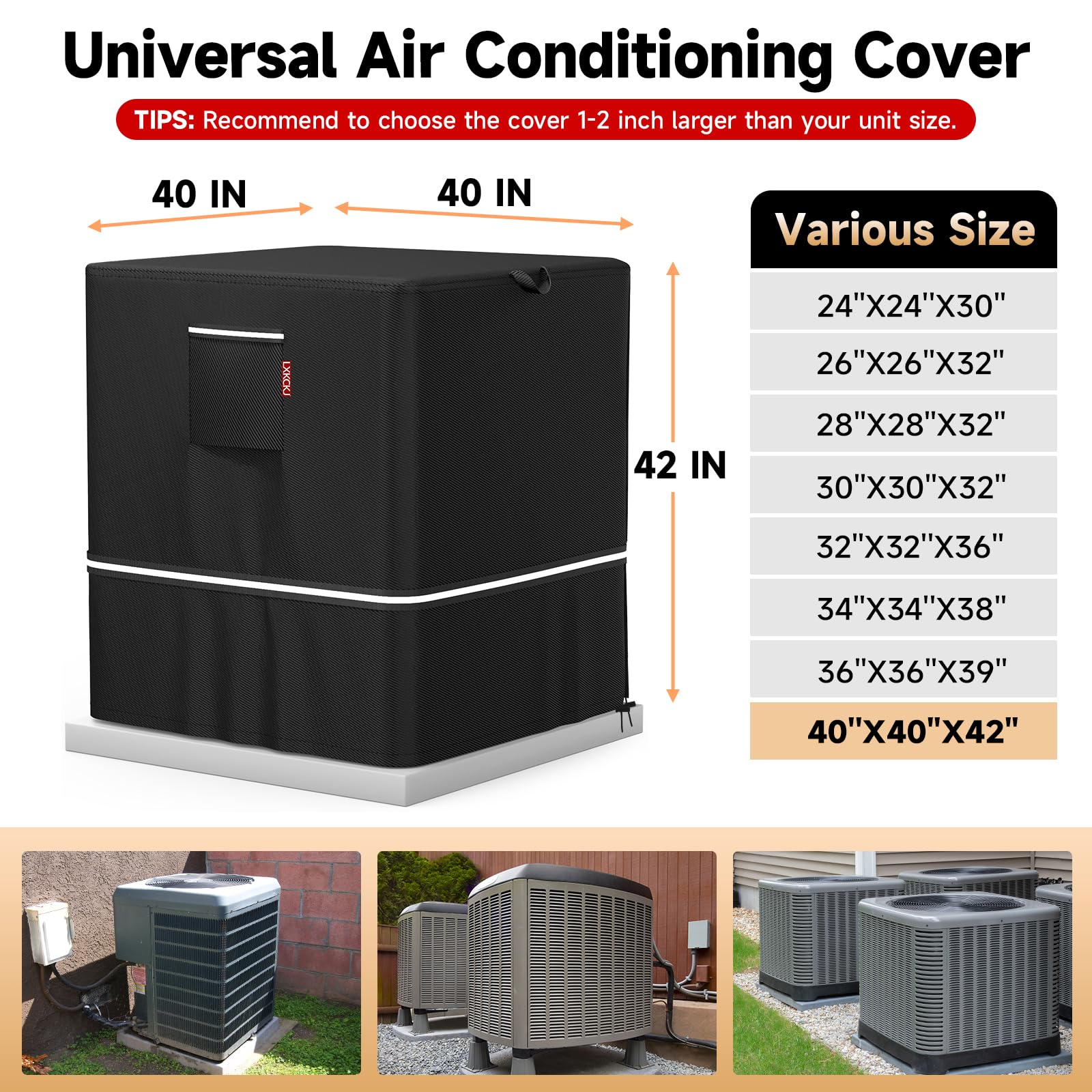
The cover must fit your air conditioner properly. Measure the unit before buying a cover.
- Measure the height, width, and depth of the unit
- Ensure the cover fits snugly without gaps
- Check if the cover allows easy access to controls
Ventilation Features
Good ventilation prevents moisture build-up. This helps avoid rust and damage.
Look for covers with mesh vents. They allow air to flow while keeping debris out.
Ease Of Installation
Installation should be simple. A cover that is easy to put on and remove is best.
Choose covers with adjustable straps. They help secure the cover tightly.
- Look for covers with built-in handles
- Check if the cover includes instructions
- Ensure the cover is lightweight for easy handling

Credit: www.amazon.ca
Step-by-step Covering Process
Covering your air conditioner unit protects it from dirt and weather. It helps keep the unit clean during off-seasons.
Follow these simple steps to cover your air conditioner safely and correctly.
Cleaning The Unit
Start by turning off the power to the air conditioner. Remove any leaves, dirt, or debris around the unit.
Use a soft brush or cloth to clean the outside surface. This prevents dirt from getting trapped under the cover.
Securing The Cover
Place the cover over the air conditioner carefully. Make sure it covers the entire unit without blocking vents.
Use straps, ties, or elastic bands to hold the cover in place. This stops it from blowing away in the wind.
- Check for straps or ties on the cover
- Wrap straps around the base of the unit
- Secure straps tightly but not too tight
Checking For Proper Fit
Look around the unit to see if the cover fits well. The cover should not touch the fan or any moving parts.
Adjust the cover or straps if you see gaps or loose areas. A snug fit keeps moisture and pests out.
Common Mistakes To Avoid
Covering your air conditioner unit is important to protect it during off-seasons. Many people make mistakes that can harm the unit instead of helping it. Avoid these common errors to keep your AC safe and working well.
Wrong covering methods can cause damage or reduce the unit’s efficiency. Learn what to avoid when you cover your air conditioner.
Using Plastic Sheets
People often use plastic sheets to cover their AC units. This seems like a quick fix but it can trap moisture inside. Moisture causes rust and mold which damage the unit.
- Do not wrap the unit tightly with plastic.
- Avoid covering the unit without ventilation holes.
- Use breathable covers made for air conditioners instead.
Covering When Unit Is Wet
Covering the AC unit while it is still wet is a big mistake. Wet surfaces under covers can cause rust and mold growth. Always let the unit dry completely before covering it.
| Wrong Action | What Happens |
| Covering wet unit | Rust and mold build-up |
| Letting unit dry first | Prevents damage and odors |
Ignoring Ventilation Needs
Many people forget to allow air to flow around the covered unit. Without ventilation, moisture stays trapped inside. This can cause electrical problems or freeze damage in winter.
To avoid this, follow these tips:
- Choose covers with vents or mesh panels.
- Do not seal the cover edges tightly.
- Check the cover regularly for moisture.
Credit: www.amazon.ca
Maintenance Tips While Covered
Covering your air conditioner helps protect it during off-seasons. Proper care while covered keeps it in good shape. Follow simple tips to avoid damage and costly repairs.
Check your unit regularly and keep the cover clean. This prevents moisture and dirt build-up that can harm the system.
Regular Inspections
Look at your air conditioner weekly while it is covered. Check for any signs of damage or pests. Make sure the cover fits well and stays in place.
- Look for tears or holes in the cover
- Check for leaves or debris around the unit
- Watch for animal nests or insect activity
- Ensure the cover stays tight and secure
Clearing Moisture Build-up
Moisture can collect inside the cover and cause rust or mold. Remove moisture often to keep your unit dry and safe.
| Method | Description |
| Ventilation | Use covers with vents to allow airflow and reduce moisture |
| Dry Wipe | Open the cover and wipe any moisture with a dry cloth |
| Sun Exposure | Remove the cover on dry, sunny days to air out the unit |
Removing Cover During Warm Months
Take off the cover as soon as warm weather returns. Running your air conditioner with the cover on can cause damage.
- Remove the cover before turning on the unit
- Check the unit for any debris or moisture
- Store the cover in a dry place for next use
When Not To Cover Your Ac Unit
Covering your air conditioner (AC) unit might seem like a good idea. It can protect the unit from dirt and weather. But there are times when you should not cover your AC unit.
Covering the unit at the wrong time can cause damage or reduce its efficiency. Knowing when not to cover helps keep your AC working well.
Mild Climates
In mild climates, the weather is not very harsh. The AC unit can handle rain and dust without much harm. Covering it might trap moisture inside.
Moisture can cause rust and damage parts of the unit. It is better to leave the unit uncovered in mild weather.
During Active Use
Never cover your AC unit when it is running or about to run. Covering blocks airflow and makes the unit work harder.
This can lead to overheating and damage. Always remove covers before turning the AC on.
For Certain Unit Types
Some AC units are designed to stay outside all year. These units have special coatings and parts that resist weather.
Covering these units can trap heat and moisture. This may cause more harm than good. Check your unit type before covering.

Credit: www.amazon.ca
Frequently Asked Questions
How Do I Cover An Outdoor Air Conditioner Unit?
Cover your outdoor unit with a breathable, waterproof cover. Avoid plastic wraps that trap moisture. Use covers designed for AC units to protect from debris and weather.
When Is The Best Time To Cover The Ac Unit?
Cover your AC unit after the cooling season ends, typically in late fall. Remove the cover before using the unit again in spring to prevent damage.
Can Covering An Ac Unit Improve Its Lifespan?
Yes, covering the unit protects it from dirt, debris, and weather damage. This reduces wear and tear, helping extend the air conditioner’s lifespan.
What Materials Are Best For Covering Ac Units?
Choose covers made from durable, breathable fabric. These prevent moisture buildup and allow airflow, reducing the risk of rust and mold inside the unit.
Conclusion
Covering your air conditioner unit protects it from dirt and weather damage. Choose a cover that fits well and allows airflow. Remove the cover before using the unit again to avoid overheating. Regular care helps your air conditioner last longer and work better.
Keep it clean, dry, and covered during off-seasons. Simple steps like these save money and prevent repairs. Taking care of your unit is easy and worth the effort. Your air conditioner will thank you with better performance.