
Have you ever wondered how long your air conditioner’s capacitor lasts before it needs a replacement? Understanding the average life of an air conditioner capacitor can save you from unexpected breakdowns and costly repairs.
This small but vital part plays a big role in keeping your AC running smoothly, and knowing when it might fail helps you stay prepared. You’ll discover the typical lifespan of an air conditioner capacitor, signs it’s wearing out, and tips to extend its life.
Keep reading to protect your comfort and avoid sudden cooling failures.

Credit: www.angi.com
Role Of An Ac Capacitor
An air conditioner capacitorhelps start the motor and keeps it running. It stores and releases electric energy to the AC parts. This helps the AC work smoothly and cool the air effectively.
There are mainly two types of capacitors in air conditioners:
- Start Capacitors:Provide a quick burst of power to start the motor.
- Run Capacitors:Keep the motor running efficiently after it starts.
Capacitors affect how well the AC performs. A weak or bad capacitor can cause the motor to run slowly or stop working. This leads to poor cooling and higher energy use. Replacing a bad capacitor helps the AC work better and last longer.

Credit: www.amazon.ca
Typical Lifespan Of Ac Capacitors
Air conditioner capacitors typically last between 10 to 20 years. Their lifespan depends on usage, climate, and maintenance. Regular checks help prevent sudden failures and keep your AC running smoothly.
Average Duration In Years
The average lifespan of AC capacitors is around 10 to 20 years. Many factors can make this time longer or shorter. Proper maintenance can help increase its life. Capacitors can fail early if not taken care of. Homeowners should check them every year. This ensures they work properly. If a capacitor fails, the air conditioner may not work. This can lead to more problems. Regular checks are important for a longer lifespan.
Factors Influencing Capacitor Life
- Temperature:High heat can shorten capacitor life.
- Voltage:Too much voltage is harmful.
- Quality:Good quality capacitors last longer.
- Usage:Frequent use reduces lifespan.
- Maintenance:Regular checks help capacitors last longer.
Signs Of A Failing Capacitor
Common signsof a failing capacitor include the AC unit having trouble starting or not starting at all. The fan may run slowly or stop working. Strange noises like buzzing sounds can come from the unit. The AC might cool less than usual, making rooms warm.
Effects on air conditioner functionalityare clear. The compressor may fail to run properly, causing the system to stop cooling. The fan motor might overheat and shut down. This can lead to higher electricity bills and more wear on parts.
- Slow or no fan movement
- Loud buzzing or humming noises
- AC unit not starting
- Reduced cooling efficiency
- Frequent system shutdowns
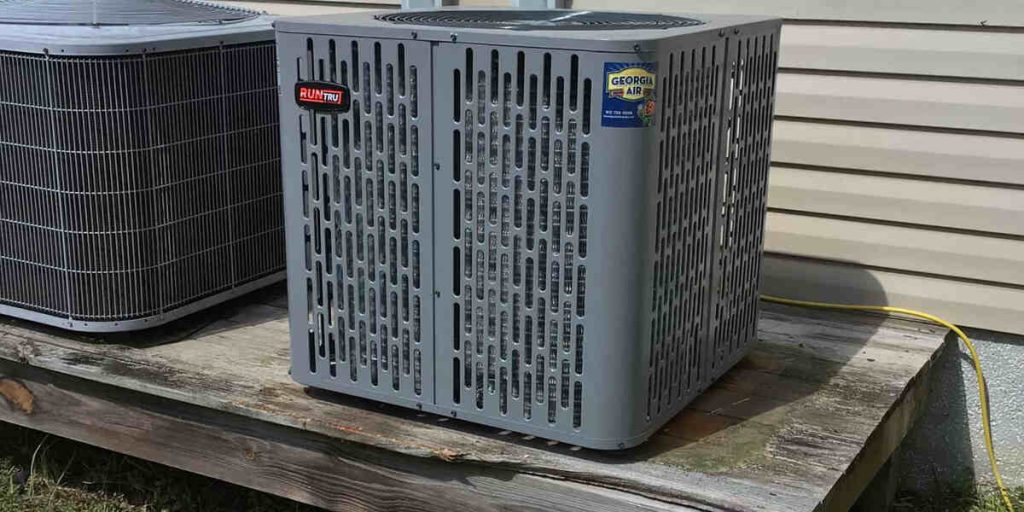
Credit: www.georgiaairrepair.com
Maintenance Tips To Extend Capacitor Life
Regular inspection helps catch capacitor problems early. Check for bulges, leaks, or cracks. Listen for unusual noises from the unit. Tighten loose connections to avoid sparks. Clean dust and debris from around the capacitor. Use a multimeter to test capacitor health periodically.
Environmental factors affect capacitor life significantly. High heat can cause the capacitor to fail faster. Keep the area around the AC unit shaded and cool. Avoid placing the unit near heat sources or direct sunlight. High humidity can cause corrosion on terminals. Use protective covers to shield capacitors from rain and moisture.
Replacing An Air Conditioner Capacitor
Signs to replacean air conditioner capacitor include the AC not starting, humming noises, or frequent shutdowns. Capacitors usually last between 10 to 20 years, but heat and power surges can shorten this. If the unit struggles to cool or the fan does not spin properly, it might be time for a replacement.
Safety is key.Always turn off the power before touching the capacitor. Capacitors hold electric charge even when the unit is off. Use insulated tools and discharge the capacitor carefully to avoid shocks.
| Cost Aspect | Details |
|---|---|
| Capacitor Price | $10 – $50 depending on model and brand |
| DIY Replacement | Lower cost but needs basic electrical skills and tools |
| Professional Service | Higher cost but safer and ensures correct installation |
Improving Ac Longevity Beyond Capacitors
Routine maintenancekeeps your air conditioner running longer and better. Clean or replace filtersoften to improve airflow. Dirt and dust can harm the system and increase energy use.
Check the coilsand finsfor dirt. Clean them gently to help your AC cool efficiently. Tighten any loose electrical connections to avoid damage.
Upgrading componentscan boost your AC’s life. Choose capacitorswith better ratings or higher quality. Replace worn-out parts early to prevent bigger issues.
- Use energy-efficientcapacitors for better performance.
- Consider modernparts that last longer.
- Upgrade wiring for safer operation.
- Install surge protectors to prevent electrical damage.
Frequently Asked Questions
What Is The Average Lifespan Of An Ac Capacitor?
The average lifespan of an AC capacitor ranges between 10 to 20 years. Proper maintenance can extend its life. Extreme temperatures and power surges can shorten its duration.
How Do I Know If My Ac Capacitor Is Failing?
Signs of a failing AC capacitor include slow fan motors, buzzing noises, or the unit not starting. Visual bulging or leaking are clear indicators. Early detection helps avoid costly repairs.
Can I Replace An Ac Capacitor Myself?
Replacing an AC capacitor requires electrical knowledge and safety precautions. It’s best to hire a professional technician to avoid injury or damage. Proper handling ensures the system runs efficiently after replacement.
What Factors Affect An Ac Capacitor’s Lifespan?
Temperature extremes, electrical surges, and moisture exposure reduce capacitor life. Frequent cycling and poor maintenance also impact durability. Using high-quality capacitors improves performance and longevity.
Conclusion
Air conditioner capacitors usually last between 5 to 10 years. Regular checks help spot problems early. Signs like slow cooling or strange noises warn of capacitor issues. Replacing a bad capacitor keeps your AC running well. Taking care of your AC saves money and avoids discomfort.
Small steps can extend your air conditioner’s life. Stay aware, act fast, and enjoy cool air all summer.