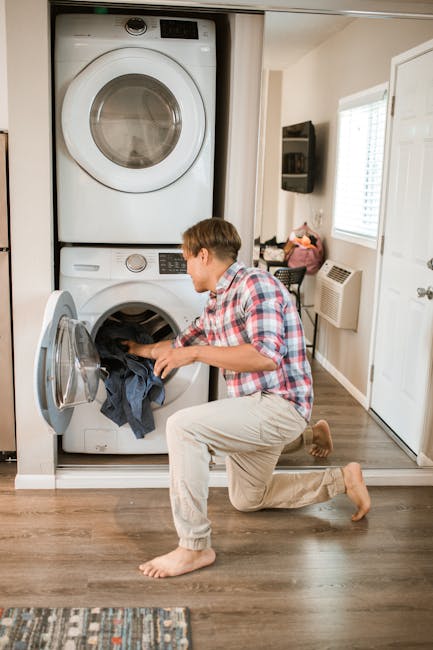
Have you ever wondered if you can put your tent in the washing machine? After a fun camping trip, your tent might be covered in dirt, mud, or even stubborn stains.
Cleaning it properly is important to keep your gear fresh and ready for the next adventure. But tossing your tent into the washing machine might seem risky—could it damage the fabric or the waterproof coating? You’ll discover the best way to clean your tent safely and effectively.
Keep reading, because the answer might surprise you and save your tent from costly mistakes.

Credit: www.popularmechanics.com
Suitability Of Washing Machines For Tents
Washing a tent in a machine is not always a good idea. Tents are large and made from tough fabrics. They may not fit or clean well in home machines.
Some tents can be machine washed if the machine is big enough and the fabric can handle it. It is important to check these factors before trying.
Materials And Fabrics To Consider
Tents use different fabrics like nylon, polyester, or canvas. Each material reacts differently to washing machines.
Thin nylon and polyester tents may handle gentle machine washing. Heavy canvas tents can shrink or get damaged in machines.
- Nylon and polyester: usually machine safe on gentle cycles
- Canvas: better washed by hand to avoid shrinking
- Waterproof coatings: may wear off in machines
- Zippers and seams: can tear or weaken if agitated
Machine Size And Capacity Limits
Most home washing machines are too small for tents. A full-size tent can be heavy and bulky when wet.
Use large capacity or commercial machines if you try machine washing. Smaller machines risk damaging both the tent and the washer.
- Check your machine’s drum size before washing a tent
- Large capacity machines (over 4.5 cubic feet) are better
- Do not overload the machine to allow proper cleaning
- Balance the load with towels or other soft items
Preparing Your Tent For Washing
Washing your tent can keep it fresh and prolong its life. Proper preparation is key to avoid damage.
Follow these steps to ensure your tent is ready for a thorough cleaning.
Removing Accessories And Loose Items
Before washing, remove all accessories and loose items. This prevents them from getting lost or damaged.
- Detach any poles and stakes.
- Remove the rainfly if applicable.
- Take out any personal belongings.
- Unzip all zippers to prevent snags.
Pre-cleaning Stains And Dirt
Pre-cleaning helps remove tough stains and dirt before you wash the tent.
Use a soft brush to gently scrub off mud and debris.
For stubborn spots, apply mild soap and water with a sponge. Avoid harsh chemicals to protect the fabric.
| Stain Type | Cleaning Method |
| Mud | Soft brush and water |
| Tree Sap | Rubbing alcohol on a cloth |
| Bird Droppings | Mild soap and water |
Choosing The Right Washing Settings
Washing a tent in a machine needs careful settings. Wrong settings can damage the fabric and seams.
Choosing the right cycle and water temperature helps keep your tent clean and safe.
Selecting Gentle Cycles
Use a gentle or delicate cycle on your washing machine. These cycles move slowly and reduce wear on the tent fabric.
Fast or heavy cycles can tear the tent material or damage zippers and poles.
- Choose “Delicate” or “Hand Wash” cycle
- Avoid spin cycles with high speed
- Use extra rinse to remove soap fully
Water Temperature Guidelines
Use cold or lukewarm water to wash your tent. Hot water can weaken fabric and remove waterproof coatings.
Cold water helps protect colors and fabric strength while cleaning dirt gently.
- Cold water: best for most tents
- Lukewarm water: use if very dirty
- Avoid hot water to keep waterproofing
Detergents And Cleaning Products
Cleaning a tent needs careful choice of detergents. The fabric is delicate and can lose protection if washed with harsh chemicals.
Using the right cleaning products keeps your tent safe and extends its life. Let’s look at the best detergents and what to avoid.
Best Detergents For Tent Fabrics
Choose detergents that are gentle and made for outdoor gear. These cleaners remove dirt without harming waterproof coatings.
- Soap-based detergents without bleach
- Non-detergent soaps made for technical fabrics
- Specialized gear cleaners from outdoor brands
- Mild dish soap diluted in water
Avoiding Harmful Chemicals
Some chemicals damage your tent’s material or its water resistance. Avoid these to keep your tent in good condition.
| Chemical | Effect on Tent |
|---|---|
| Bleach | Weakens fabric fibers and removes waterproof coatings |
| Fabric softeners | Leaves residues that attract dirt and reduce breathability |
| Strong detergents | Break down waterproof layers and cause discoloration |
| Solvents and stain removers | May cause permanent damage or color loss |
Drying Your Tent Properly
Drying your tent correctly helps keep it in good shape. Wet tents can get damaged or develop bad smells.
Knowing the right way to dry your tent can stop problems like mold and fabric wear. Let’s look at how to dry it safely.
Air Drying Vs. Machine Drying
Air drying is the safest way to dry your tent. It uses natural air to dry the fabric slowly and gently.
Machine drying can be quick but may harm the tent. The heat and tumbling can damage waterproof coatings and fabrics.
- Air dry your tent by hanging it in shade
- Make sure all parts are spread out and not folded
- Do not use a dryer or direct sunlight for long periods
- If using a machine dryer, use the lowest heat setting
- Check the tent’s care label for specific drying instructions
Preventing Mold And Mildew
Mold and mildew grow on damp tents. They cause stains, smells, and fabric damage. Drying well stops this problem.
| Tip | How it Helps |
| Dry tent completely before storing | Stops moisture that grows mold |
| Store tent in a cool, dry place | Prevents dampness and mildew |
| Clean tent before drying | Removes dirt that feeds mold |
| Check tent regularly for damp spots | Allows early drying and mold prevention |
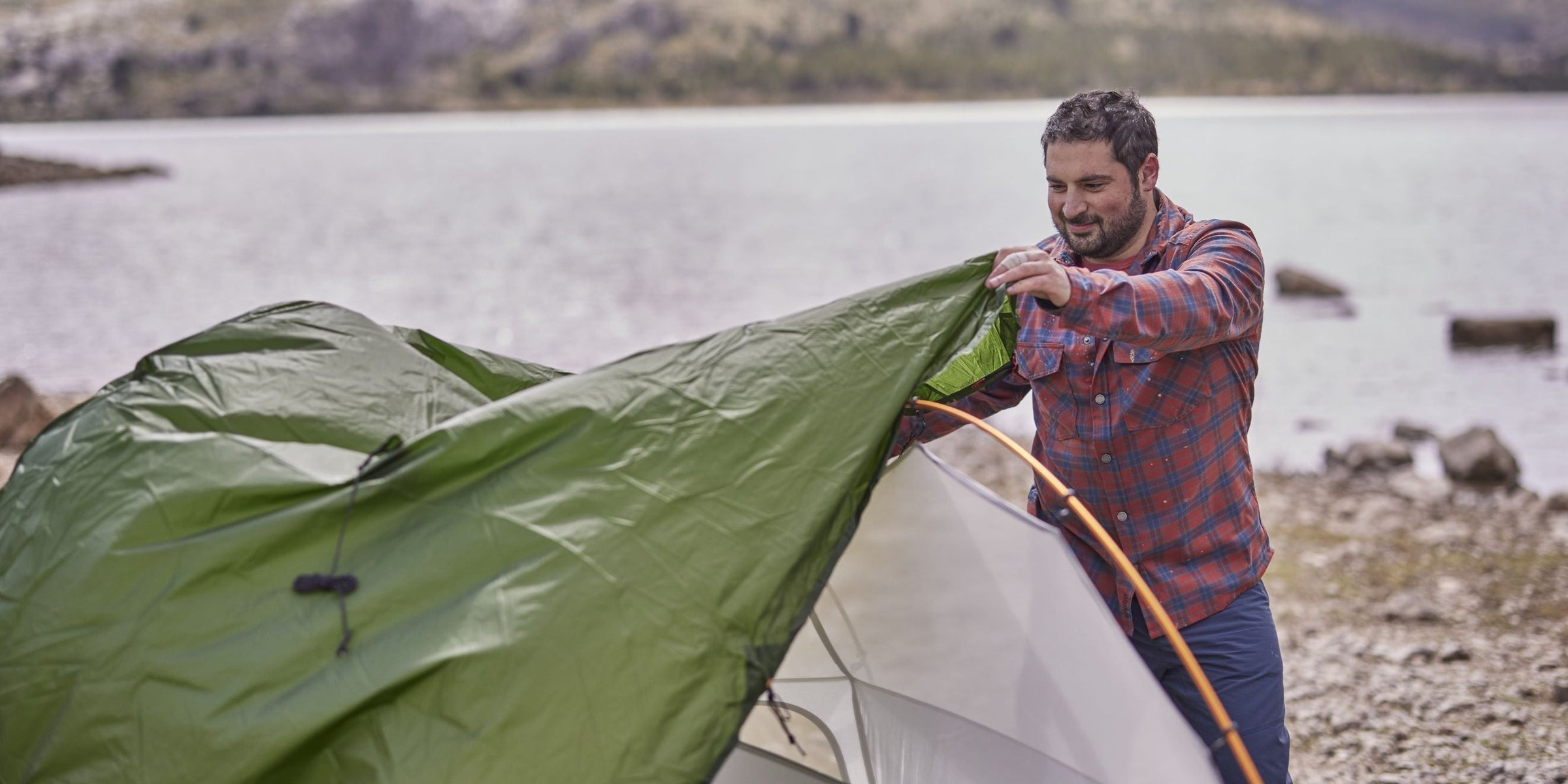
Credit: alpkit.com
Alternative Cleaning Methods
Cleaning a tent can be tricky without using a washing machine. Some tents may get damaged if washed this way. There are safer methods to keep your tent clean and fresh.
These alternative methods help protect the tent fabric and seams. They also save energy and water while still removing dirt and stains.
Hand Washing Techniques
Hand washing your tent is gentle and effective. Use mild soap and cool water to avoid damage. Clean small sections at a time and rinse well.
- Set up the tent outside or in a large tub.
- Mix a mild detergent with cool water.
- Use a soft sponge or cloth to scrub the tent.
- Focus on dirty spots but do not scrub too hard.
- Rinse the tent thoroughly with clean water.
- Let the tent dry completely before packing it away.
Spot Cleaning Tips
Spot cleaning helps remove stains without washing the whole tent. It saves time and keeps the tent’s waterproof coating intact.
| Spot | Cleaning Method |
| Dirt or Mud | Brush off dry dirt, then use mild soap and water with a cloth. |
| Food Stains | Apply a mixture of water and baking soda, scrub lightly, rinse. |
| Bird Droppings | Use a soft brush and diluted vinegar solution, rinse well. |
| Grease Stains | Use dish soap on a cloth, rub gently, rinse thoroughly. |
Common Mistakes To Avoid
Washing a tent in a machine can be tricky. Many people make mistakes that can damage the tent or the washing machine.
Knowing what to avoid helps keep your tent clean and safe. Here are common errors you should watch out for.
Overloading The Machine
Putting a tent into a washing machine that is too small or already full can cause problems.
- Overloading can stop the machine from cleaning properly.
- It may cause the tent to tear or the fabric to stretch.
- The washing machine parts might get damaged from the heavy load.
- Water and detergent might not reach all parts of the tent.
Ignoring Care Labels
Each tent has care labels with important washing instructions. Ignoring these can ruin your tent.
| Care Label Instruction | What Happens If Ignored |
|---|---|
| Do not use bleach | Fabric weakens and colors fade |
| Use cold water only | Hot water damages waterproof coating |
| Gentle cycle recommended | Rough cycles cause tears and seams to break |
| Air dry only | Machine drying can shrink or melt fabric |

Credit: www.reddit.com
Frequently Asked Questions
Can I Wash My Tent In A Washing Machine?
Washing tents in machines is generally not recommended. Machine agitation can damage fabric and waterproof coatings. Hand washing with mild soap and cold water is safer and preserves tent quality.
What Is The Best Way To Clean A Tent?
Use a soft brush and mild soap with cold water. Gently scrub stains and rinse thoroughly. Air dry completely to avoid mold and fabric damage.
Will Washing Machines Ruin My Tent’s Waterproof Coating?
Yes, washing machines can strip waterproof coatings. Agitation and detergents may reduce water resistance. Reapply waterproof sprays after cleaning to maintain protection.
How Often Should I Clean My Tent?
Clean your tent after every camping trip or when visibly dirty. Regular cleaning prevents stains, odors, and fabric degradation, extending your tent’s lifespan.
Conclusion
Cleaning a tent in a washing machine is usually not safe. Most tents have delicate parts that can break or tear. Hand washing with mild soap works best to keep tents strong. Always check the tent’s care label before cleaning.
Taking time to clean gently helps your tent last longer. A clean tent makes camping more comfortable and fun. Remember, careful washing protects your gear for many adventures ahead.