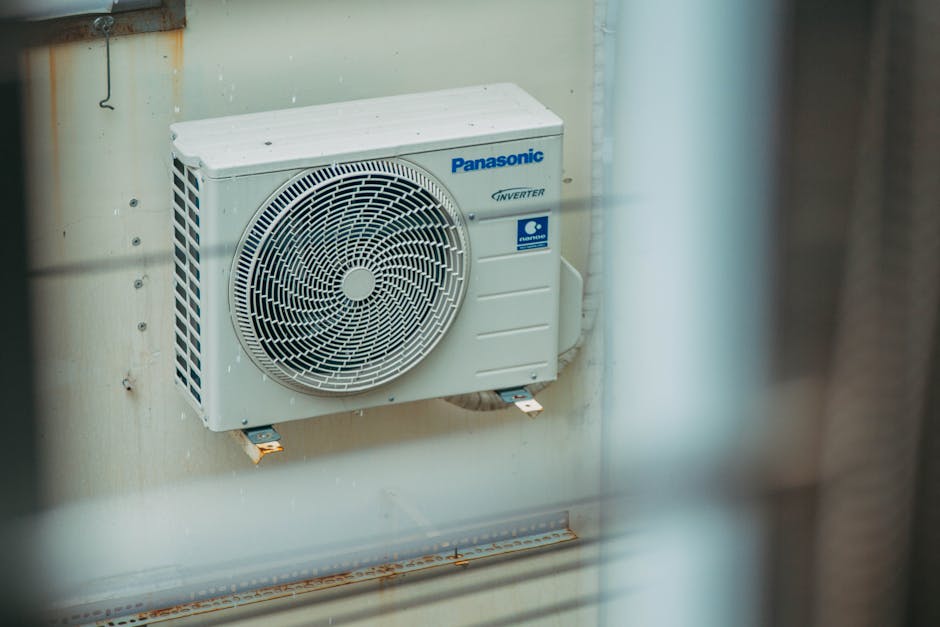
Are you tired of high electricity bills and uneven cooling in your home? You might have heard about inverter air conditioners but aren’t sure what makes them different.
Understanding what an inverter air conditioner is can change the way you cool your space—and save you money. This guide will explain how this technology works and why it could be the smart choice for your comfort and budget. Keep reading to discover how an inverter air conditioner can make a real difference in your daily life.
How Inverter Acs Work
An inverter air conditioneruses a special motor called a variable speed compressor. This motor can change its speed based on the cooling need. It does not just turn on or off like regular ACs.
The basic mechanismworks by adjusting the compressor speed to keep the room temperature steady. This means it runs slower when less cooling is needed and faster when more cooling is needed.
- Variable Speed Compressor:Saves energy by not working at full power all the time.
- Energy Efficiency:Uses less electricity compared to traditional air conditioners.
This system helps to reduce power bills and keeps the room temperature more comfortable. It also reduces noise because the compressor does not always run at full speed.

Credit: www.amazon.ca
Benefits Of Inverter Air Conditioners
Inverter air conditioners save money on energy bills. They use less electricity. This makes them cost-effective and environmentally friendly. Traditional units turn on and off a lot. Inverters adjust their speed instead. This helps in reducing power usage.
Inverter air conditioners keep rooms at a steady temperature. They adjust to changes in the room. This ensures comfort all day long. No more sudden blasts of cold or heat. It feels just right.
Inverters are quieter than regular air conditioners. They don’t make loud noises when starting. This makes them perfect for bedrooms or quiet spaces. Enjoy peace and silence.
These air conditioners last longer. Fewer on-off cycles mean less wear and tear. This extends the life of the unit. They are a good investment for the future.
Comparing Inverter And Non-inverter Acs
Inverter ACs use variable speed compressors. They adjust power to keep temperature steady. This saves energycompared to non-inverter ACs, which turn compressors on and off fully. Non-inverter ACs use more electricityas a result.
Cooling performancein inverter ACs is smoother and faster. They cool rooms evenly without big temperature jumps. Non-inverter ACs cool slower and may cause hot and cold spots.
| Aspect | Inverter AC | Non-Inverter AC |
|---|---|---|
| Initial Cost | Higher price | Lower price |
| Energy Savings | Consumes less power | Consumes more power |
| Long-term Savings | More savings on bills | Less savings over time |

Credit: www.meltonheating.com
Choosing The Right Inverter Ac
Choosing the right inverter AC depends on capacity and size. A unit too small won’t cool well. Too big wastes energy. Measure your room size and pick the right capacity in tons. Usually, 1 ton cools about 120 to 150 square feet.
| Room Size (sq ft) | Recommended Capacity (Tons) |
|---|---|
| 100 – 150 | 1.0 |
| 150 – 250 | 1.5 |
| 250 – 400 | 2.0 |
Energy ratingsshow how efficient the AC is. Look for higher star ratings to save electricity. An inverter AC with 3 or more stars uses less power, lowering bills.
- Check the Energy Efficiency Ratio (EER).
- Higher EER means better savings.
- Compare models before buying.
Additional featurescan add comfort and ease. Some useful options are:
- Sleep mode for quiet nights.
- Auto temperature control.
- Air filters for clean air.
- Remote control for convenience.
Maintenance Tips For Inverter Acs
Regular cleaningkeeps your inverter AC working well. Dust and dirt can block airflow and reduce cooling. Clean the filters and outer parts often with a soft cloth. Avoid water on electrical parts.
Filter replacementis key for good air quality. Change filters every 3 to 6 months or as the manual says. Dirty filters can make the AC work harder and use more energy.
Professional servicinghelps catch problems early. A technician can check refrigerant levels and clean the inside parts. Service your AC once a year for best performance and longer life.
Energy Saving Tips With Inverter Acs
Setting the optimal temperaturehelps save energy. Keep the AC at 24-26°C for comfort and efficiency. Too cold wastes power and strains the unit. Adjust a bit based on outside heat.
Using timers and sensorsprevents running AC when not needed. Timers turn off the AC after set hours. Sensors detect room activity to cool only occupied spaces. This lowers energy use and bills.
Proper insulationkeeps cool air inside and hot air out. Seal windows and doors well to block heat. Use curtains or blinds during sunny hours. This helps the AC work less and saves electricity.

Credit: www.amazon.ca
Frequently Asked Questions
What Is An Inverter Air Conditioner?
An inverter air conditioner uses variable speed compressors to regulate temperature efficiently. It adjusts power based on cooling needs, saving energy and maintaining consistent comfort.
How Does An Inverter Ac Save Electricity?
Inverter ACs save electricity by running compressors at variable speeds. This avoids frequent start-stop cycles, reducing power consumption and lowering your energy bills effectively.
Are Inverter Air Conditioners Quieter Than Regular Acs?
Yes, inverter air conditioners operate more quietly. Their variable speed compressors produce less noise compared to traditional ACs with fixed-speed compressors.
Is An Inverter Ac More Expensive Initially?
Inverter ACs have a higher upfront cost. However, energy savings and longer lifespan make them cost-effective over time.
Conclusion
Inverter air conditioners save energy by adjusting cooling power. They keep room temperature steady and comfortable. These units run quietly and last longer than regular ACs. You pay less on electricity bills with them. Choosing an inverter AC means smart cooling for your home.
Now, you know why many prefer this technology. It’s a good option for saving money and staying cool. Simple, efficient, and reliable—an inverter AC fits many needs.