If you want your cutting board to last longer and stay looking great, choosing the right oil is key. But with so many options out there, how do you know which oil is best for your cutting board?
Using the wrong oil can damage your wood or even make it unsafe for food prep. You’ll discover exactly what oil to use to protect and nourish your cutting board, keeping it strong and beautiful for years to come. Keep reading to find the simple secret that will transform your kitchen routine!
Types Of Oils For Cutting Boards
Choosing the right oil helps protect and preserve your cutting board. Different oils have different properties. Some keep the wood safe from drying and cracking.
It is important to use oils that are safe for food contact. Avoid oils that can spoil or harm the wood over time.
Mineral Oil
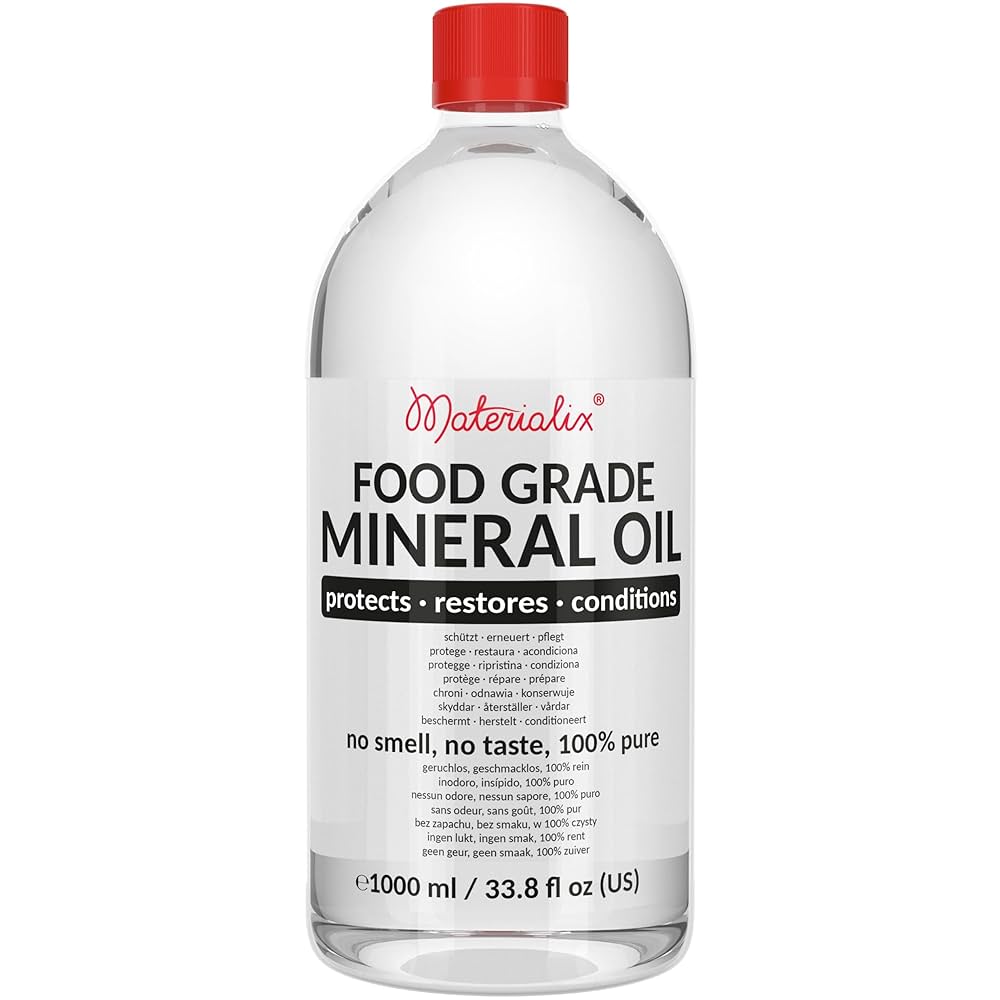
Mineral oil is a popular choice for cutting boards. It is clear, odorless, and safe for food contact. This oil soaks into the wood and creates a protective barrier.
It does not go rancid like some natural oils. Regular application keeps the cutting board smooth and water-resistant.
Food-grade Oils
Food-grade oils are safe for use on surfaces that touch food. They do not contain harmful chemicals and are made to meet safety standards.
- Mineral oil is the most common food-grade oil for cutting boards.
- Some food-grade oils come mixed with beeswax for extra protection.
- Look for oils labeled as “food safe” or “food grade.”
Natural Oils
Natural oils come from plants and nuts. They add a nice finish and nourish the wood. Common natural oils include coconut, walnut, and linseed oil.
| Oil Type | Source | Notes |
| Coconut Oil | Coconut | Use only refined to avoid spoilage |
| Walnut Oil | Walnuts | Good for hardwoods but watch for allergies |
| Linseed Oil | Flax Seeds | Use raw or food-safe version only |
Avoiding Harmful Oils
Some oils can damage cutting boards or cause health risks. Avoid these oils for your cutting board:
- Vegetable oils like olive or canola can go rancid and smell bad.
- Non-food-grade oils may contain chemicals unsafe for food contact.
- Oils that dry hard, like tung oil, are not ideal unless labeled food safe.
Credit: www.homehardware.ca
Benefits Of Using Oil On Cutting Boards
Oiling your cutting board keeps it in good condition. This practice extends the board’s life and improves its appearance.
Using the right oil can prevent damage and maintain hygiene. Let’s explore why this is important for your kitchen tools.
Preventing Cracks And Warping
Wooden cutting boards can crack if not cared for properly. Applying oil protects them from drying out.
- Oil fills the wood pores, reducing gaps.
- Prevents moisture from causing warping.
- Enhances the board’s durability.
Enhancing Wood Appearance
Oiling a cutting board enhances its natural look. It brings out the rich colors and patterns of the wood.
Maintaining Hygiene
A well-oiled board is more hygienic. It reduces the chances of food particles getting trapped in cracks.
| Oil Type | Usage Frequency |
| Mineral Oil | Monthly |
| Beeswax | Every 3 months |
| Coconut Oil | Monthly |
How To Apply Oil On Cutting Boards
Oiling cutting boards helps protect them from cracking and drying out. Using the right oil keeps the wood strong and safe.
This guide shows you how to prepare your board, apply oil correctly, and how often to oil it.
Preparing The Board
Start by cleaning your cutting board with warm water and mild soap. Remove any food particles or stains.
Dry the board completely before applying oil. A dry surface helps the oil soak in better.
- Wash with warm soapy water
- Rinse well
- Dry with a clean towel
- Let air dry fully
Application Techniques
Pour a small amount of food-safe oil onto the board. Use a clean cloth or paper towel to spread it evenly.
Rub the oil in circular motions to cover all surfaces, including edges. Let the oil soak in for several hours or overnight.
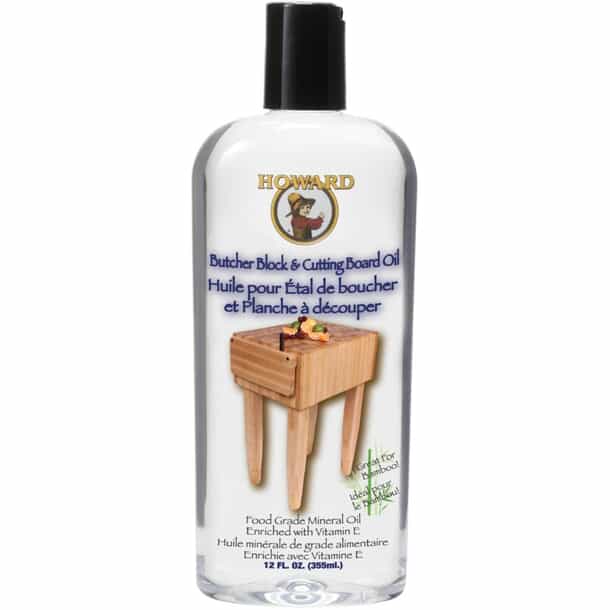
- Use mineral oil or cutting board oil
- Apply a thin, even layer
- Rub in circular motions
- Allow to soak for 6–8 hours or overnight
- Wipe off extra oil before use
Frequency Of Oiling
Oil your cutting board regularly to keep it in good shape. How often depends on how much you use it.
For boards used daily, oil once a week. For lighter use, oil every month or two.
- Oil weekly for heavy use
- Oil monthly for light use
- Oil whenever the wood looks dry

Credit: ca.maisonrodin.com
Comparing Popular Oils
Oiling cutting boards keeps them safe and looking good. Choosing the right oil is important for care and safety.
Some oils work better than others. This guide compares popular oils for your cutting board.
Mineral Oil Vs. Coconut Oil
Mineral oil is a common choice. It is odorless and colorless. It does not go bad easily.
Coconut oil is natural and smells nice. It may harden in cold places. It can also go rancid faster.
- Mineral oil: stable, safe, and easy to find
- Coconut oil: natural, smells good, can harden
- Mineral oil does not support bacteria growth
- Coconut oil may spoil if not stored well
Walnut Oil And Allergies
Walnut oil is a natural oil that soaks well into wood. It gives a nice finish to cutting boards.
People with nut allergies should avoid walnut oil. It can cause allergic reactions if the board is used for food.
- Walnut oil gives a smooth, natural finish
- It is not food safe for those with nut allergies
- Use it only if no one has nut allergies
- Test boards after oiling to check for reactions
Beeswax Blends
Beeswax blends mix beeswax with oils. This mix protects wood and adds shine.
The wax creates a barrier that helps water stay off the board. This keeps the wood from cracking.
- Beeswax blends provide water resistance
- They make boards look polished and smooth
- Mixing beeswax with oil improves protection
- Apply regularly for best results
Common Mistakes To Avoid
Choosing the right oil for your cutting board keeps it in good shape. Many people make simple mistakes that damage their boards.
These mistakes can cause your board to crack, smell bad, or lose its shine. Avoid these errors to keep your board safe and clean.
Using Cooking Oils That Rancid
Many use cooking oils like olive or vegetable oil on cutting boards. These oils can go bad and cause a bad smell.
Rancid oils make the board sticky and attract dirt. Use oils made for wood, like mineral oil, to avoid this problem.
- Cooking oils spoil quickly
- Rancid oils cause bad odor
- Use food-grade mineral oil instead
Over-oiling The Board
Applying too much oil makes the board greasy and soft. This can cause the wood to swell and crack later.
Use a small amount of oil and wipe off the extra. Let the oil soak in slowly for better protection.
- Too much oil creates a sticky surface
- Excess oil can cause wood damage
- Apply oil in thin layers only
Neglecting Regular Maintenance
Cutting boards need regular oiling to stay healthy. Skipping oiling lets the wood dry out and crack.
Clean the board well and oil it once a month or when it looks dry. This keeps it smooth and long-lasting.
- Oiling protects wood from moisture
- Regular care prevents cracks
- Clean before every oiling session

Credit: www.amazon.ca
Tips For Long-lasting Cutting Boards
Choosing the right oil helps keep cutting boards strong and safe. Proper care makes boards last longer.
This guide gives simple tips to care for your cutting boards with the right oil and cleaning habits.
Proper Cleaning Methods
Clean your cutting board right after use to stop bacteria growth. Use mild soap and warm water only.
Avoid soaking the board or using a dishwasher. These can cause cracks and damage the wood.
- Wash with mild soap and warm water
- Use a soft sponge or cloth
- Rinse and dry immediately with a towel
- Do not soak or put in the dishwasher
Storage Recommendations
Store cutting boards in a dry place. Keep them upright to let air flow on all sides.
Avoid storing boards near heat or in damp areas. This prevents warping and mold growth.
- Store standing up, not flat
- Keep away from heat and humidity
- Use a clean, dry shelf or rack
Regular Inspection And Care
Check your cutting board often for cracks or deep cuts. These can trap bacteria and cause damage.
Apply food-safe mineral oil or beeswax regularly. This keeps the wood hydrated and prevents drying.
- Look for cracks and rough spots
- Sand lightly if needed to smooth the surface
- Apply oil once a month or after cleaning
- Use food-grade mineral oil or beeswax
Frequently Asked Questions
What Type Of Oil Is Best For Cutting Boards?
Food-grade mineral oil is the best choice for cutting boards. It is safe, odorless, and prevents wood from drying or cracking. Avoid cooking oils, as they can turn rancid and damage the board.
How Often Should I Oil My Cutting Board?
Oil your cutting board every 3 to 4 weeks with mineral oil. Regular oiling keeps the wood hydrated and extends the board’s life. Frequency may increase with heavy use or washing.
Can I Use Olive Oil On Cutting Boards?
No, avoid olive oil on cutting boards. It can become sticky and rancid over time. Stick to food-safe mineral oil or specialized cutting board oils for best results.
Why Is Mineral Oil Recommended For Cutting Boards?
Mineral oil is non-toxic, odorless, and doesn’t go rancid. It protects wood by sealing moisture and preventing cracks. This makes it ideal for maintaining cutting boards safely.
Conclusion
Choosing the right oil keeps cutting boards safe and strong. Mineral oil works well to protect wood from water damage. Regular oiling stops cracks and makes boards last longer. Avoid cooking oils because they can spoil and smell bad. Keep your board clean and dry to prevent germs.
Simple care helps your cutting board stay useful and nice. Oil it often, and it will serve you for years. A small effort goes a long way in board care.