
Have you ever wondered what exactly keeps your car’s tires firmly attached while you’re driving? It’s more than just the rubber gripping the road.
Understanding what holds your tires on can help you feel safer and more confident behind the wheel. You’ll discover the simple yet crucial parts that work together to keep your tires secure. Stick with me, and by the end, you’ll know exactly what to look for to keep your car running smoothly and safely.
Tire Contact Patch
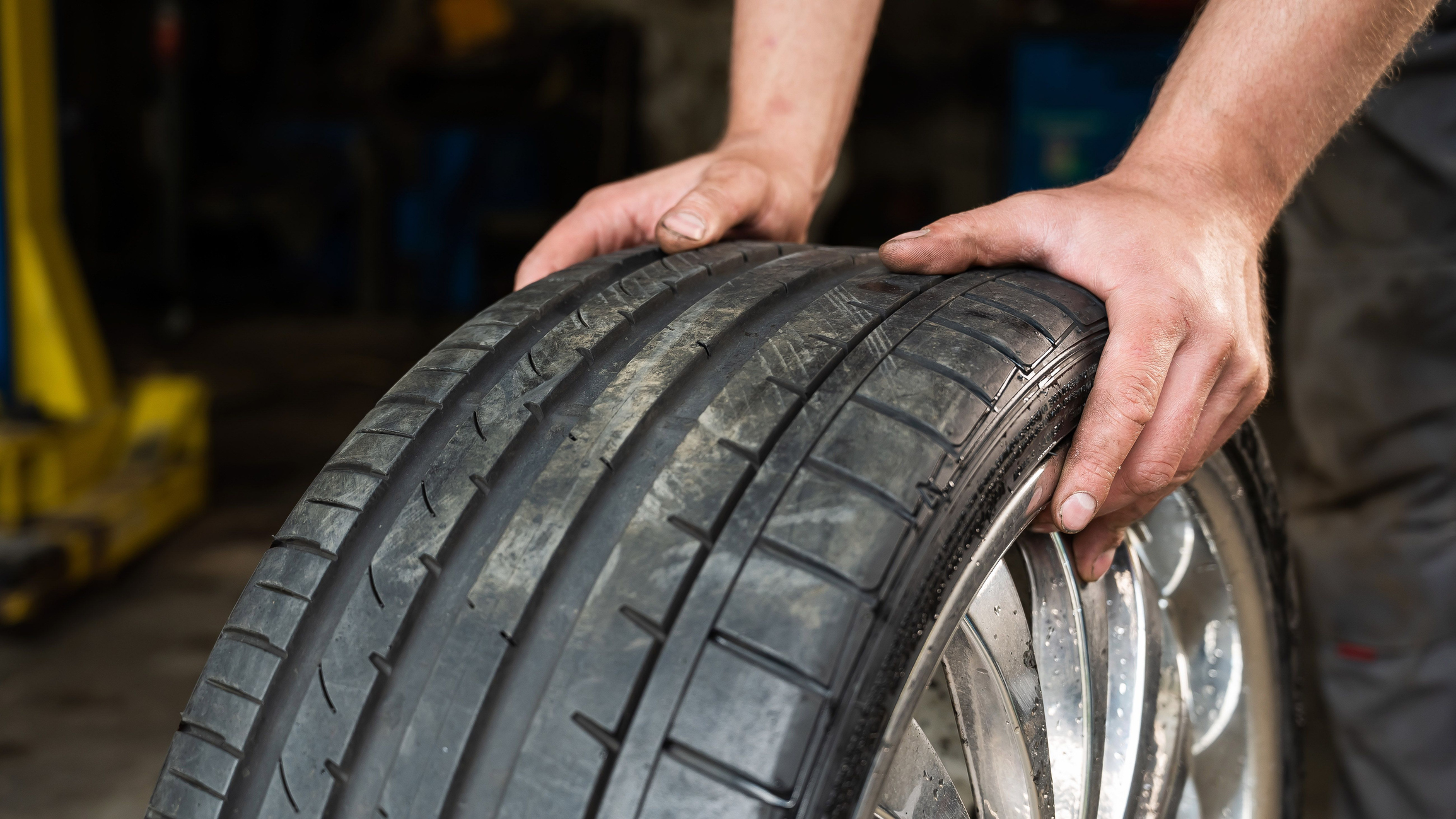
The tire contact patch is the area where a tire touches the road. This small section holds the entire weight of the car. It plays a key role in how the car moves and stops.
Understanding the contact patch helps explain why tires are important for safety and control. It also shows how tires grip the road surface.
Size And Shape
The size and shape of the tire contact patch change based on many factors. These include tire pressure, weight on the tire, and tire design. The patch can look round, oval, or rectangular.
- Higher tire pressure makes the patch smaller and rounder.
- Lower tire pressure creates a larger, flatter patch.
- Heavier weight on the tire increases the patch size.
- Wide tires have longer and wider contact patches.
Role In Grip
The contact patch is where the tire grips the road. Grip affects steering, braking, and acceleration. A good grip means better control and safety.
| Factor | Effect on Grip |
| Size of Contact Patch | Larger patch improves grip on dry surfaces |
| Shape of Contact Patch | Even distribution helps maintain steady grip |
| Tread Pattern | Channels water away to prevent slipping |
| Tire Material | Soft compounds increase grip but wear faster |
Credit: www.farmandfleet.com
Tread Patterns
Tires have different tread patterns that affect how a car grips the road. The design can impact safety and fuel efficiency.
Understanding tread patterns helps you choose the right tires for your driving conditions.
Types Of Treads
There are several types of treads, each designed for specific conditions. Some work better on wet roads, while others excel on dry surfaces.
- Symmetrical Treads: Offer a smooth ride and are long-lasting.
- Asymmetrical Treads: Provide better handling and traction.
- Directional Treads: Best for wet weather, as they channel water away.
Impact On Traction
Tread patterns affect how well tires grip the road. Good traction is crucial for safe driving.
| Tread Type | Best Use |
| Symmetrical | Dry and everyday roads |
| Asymmetrical | Wet and dry conditions |
| Directional | Wet and snowy roads |
Rubber Compounds
Rubber compounds affect how tires hold on a car. These compounds mix different materials to change tire grip and durability.
Understanding rubber compounds helps explain tire performance on roads and tracks. Soft and hard compounds offer different benefits.
Soft Vs Hard Compounds
Soft compounds use more flexible rubber. They stick better on smooth and dry surfaces. Hard compounds use tougher rubber. They last longer and work well on rough roads.
- Soft compounds offer better traction on dry roads.
- Hard compounds resist wear and tear for longer life.
- Soft tires heat up faster but wear out quickly.
- Hard tires take longer to warm up but stay firm.
Effect On Performance
| Compound Type | Grip | Durability | Ideal Use |
| Soft | High | Low | Dry and smooth roads, racing |
| Hard | Medium | High | Wet or rough roads, everyday driving |
Choosing the right compound depends on driving needs. Soft compounds improve cornering and speed. Hard compounds reduce tire replacement costs.

Credit: www.amazon.com
Road Surface Influence
Tires grip the road to keep cars safe and stable. The type of road surface affects how well tires hold.
Different surfaces change the amount of friction between tires and the road. This friction keeps the car moving and stopping.
Asphalt And Concrete
Asphalt and concrete are common road surfaces. They offer good grip for most tires in dry conditions.
Asphalt is slightly rough and helps tires stick well. Concrete is smoother but still provides enough friction.
- Asphalt has tiny stones that increase tire grip
- Concrete is harder and lasts longer on roads
- Both surfaces allow safe driving at normal speeds
Wet And Icy Conditions
Water and ice reduce friction on all road surfaces. Tires can slip more, making driving dangerous.
Wet asphalt can become slippery, but grooves in tires help push water away. Ice greatly lowers tire grip and control.
- Wet roads need slower speeds and careful braking
- Tires with deep treads perform better on wet surfaces
- Ice requires special winter tires for safety
Tire Pressure
Tire pressure is the amount of air inside a tire. It keeps the tire firm and supports the car’s weight.
Proper tire pressure helps the tire grip the road and improves safety and fuel efficiency.
Optimal Levels
Each car has a recommended tire pressure. You can find it in the owner’s manual or on a sticker inside the driver’s door.
Keeping pressure at the right level helps tires last longer and gives a smooth ride.
- Check tire pressure once a month
- Use a reliable tire pressure gauge
- Adjust pressure when tires are cold
- Follow the car maker’s recommended PSI (pounds per square inch)
Consequences Of Improper Pressure
Too low or too high tire pressure can cause problems. It affects how the tire holds the car and can be dangerous.
Low pressure makes tires wear out faster and can cause poor handling. High pressure reduces grip and makes the ride rough.
- Low pressure increases fuel use
- High pressure risks tire blowouts
- Both cause uneven tire wear
- Improper pressure lowers vehicle control
Suspension And Alignment
The suspension and alignment of a car play a big role in holding the tires on the road. They work together to keep tires steady and ensure the car moves smoothly.
Good suspension absorbs bumps and keeps the tires touching the road. Proper alignment makes sure tires point in the right direction.
Maintaining Contact
The suspension system keeps tires in contact with the road. It absorbs shocks from bumps and holes.
Alignment helps tires stay straight and true. This keeps the tire’s surface fully touching the road.
- Suspension parts like springs and shocks absorb impact.
- Alignment adjusts tire angles for full road contact.
- Tires that stay in contact improve safety and control.
Impact On Tire Wear
Suspension and alignment affect how tires wear out. Bad suspension can cause uneven tire wear.
Poor alignment leads to quick tire damage. Tires may wear more on one side or in patches.
- Worn suspension parts cause uneven pressure on tires.
- Misaligned wheels cause tires to scrub and wear fast.
- Regular checks help tires last longer and save money.
Driving Habits
Tires hold a car on the road by gripping the surface. How you drive changes how well tires work.
Safe driving habits help tires last longer and keep the car steady on curves and stops.
Acceleration And Braking
Quick starts and hard stops put more stress on tires. This wears the tire tread faster and can reduce grip.
- Accelerate smoothly to avoid spinning tires.
- Brake gently to keep good traction.
- Avoid sudden stops unless necessary.
- Check tire pressure to keep proper contact with the road.
Cornering Techniques
How you take corners affects tire grip. Sharp turns at high speed can cause the tires to lose contact with the road.
| Technique | Effect on Tires |
| Slow down before the turn | Maintains steady grip |
| Turn smoothly | Prevents uneven wear |
| Avoid sharp jerks | Reduces risk of skidding |
| Accelerate after the turn | Helps tires regain traction |

Credit: modernspare.com
Frequently Asked Questions
What Keeps Tires Securely Attached To A Car?
Tires are held on a car by lug nuts threaded onto wheel studs. These nuts clamp the wheel tightly to the hub. Proper torque ensures the tire stays secure during driving, preventing loosening or wobbling.
How Do Lug Nuts Work On Car Tires?
Lug nuts screw onto wheel studs and press the wheel against the hub. This creates friction that prevents the tire from moving. Tightening lug nuts to the correct torque is essential for safety and tire stability.
Can Tires Stay On Without Lug Nuts?
No, lug nuts are essential for holding tires on a car. Without them, tires would detach easily, causing dangerous driving conditions. Properly installed lug nuts ensure the wheel remains securely fixed to the vehicle.
What Role Does The Wheel Hub Play In Tire Attachment?
The wheel hub serves as the mounting point for the tire and wheel assembly. Wheel studs protrude from the hub, allowing lug nuts to fasten the tire securely. The hub also supports vehicle weight and enables wheel rotation.
Conclusion
Tires stay on a car because of the wheel, lug nuts, and proper fit. The wheel holds the tire tightly in place. Lug nuts screw onto bolts to keep wheels secure. The tire’s bead fits snugly against the wheel rim.
All parts work together to keep your ride safe. Regular checks help avoid loose or damaged parts. Knowing this helps you understand how your car moves. Safe driving starts with well-maintained tires and wheels. Simple but important facts to remember every time you drive.