Have you ever wondered what keeps your car running smoothly every time you turn the key? The answer lies in a crucial part of your vehicle that often goes unnoticed: the fuel system.
Understanding the purpose of the fuel system can change how you care for your car and even save you money on repairs. You’ll discover why this system is essential, how it works, and what happens if it doesn’t do its job right.
Keep reading, and you’ll gain valuable insights that every vehicle owner should know.
Fuel System Basics
The fuel system supplies fuel to the engine so it can run. It makes sure the engine gets the right amount of fuel at the right time.
This system is important for the engine’s power, efficiency, and smooth operation. It also helps reduce pollution.
Main Components
The fuel system has several key parts. Each part plays a role in moving fuel from the tank to the engine.
- Fuel Tank:Stores the fuel safely.
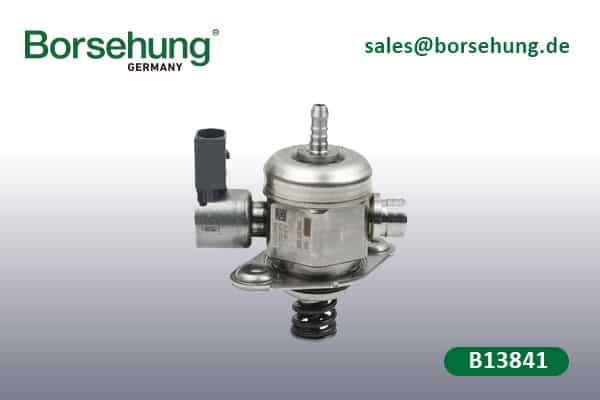
- Fuel Pump:Moves fuel from the tank to the engine.
- Fuel Filter:Cleans the fuel by removing dirt and debris.
- Fuel Injectors:Spray fuel into the engine cylinders.
- Fuel Lines:Carry fuel between parts of the system.
Types Of Fuel Systems
There are different types of fuel systems. Each type uses a different way to deliver fuel to the engine.
| Fuel System Type | Description |
| Carbureted System | Mixes air and fuel before sending it to the engine. |
| Fuel Injection System | Sprays fuel directly into the engine cylinders for better control. |
| Direct Injection | Injects fuel straight into the combustion chamber at high pressure. |
| Electronic Fuel Injection (EFI) | Uses electronic controls for precise fuel delivery. |

Credit: www.youtube.com
Fuel Delivery Process
The fuel system in a vehicle is crucial for its operation. It ensures the engine receives the right amount of fuel at the right time.
Understanding the fuel delivery process can help maintain your vehicle better. It involves storing, pumping, and injecting fuel into the engine.
Fuel Storage
Fuel is stored in a tank, usually located at the rear of the vehicle. The tank is designed to prevent leaks and evaporation.
Modern tanks are made from materials that resist corrosion. This ensures fuel stays clean and safe for use.
Fuel Pump Operation
The fuel pump moves fuel from the tank to the engine. It must maintain constant pressure to ensure smooth engine performance.
There are two main types of fuel pumps: mechanical and electric. Each type has its own benefits and uses.
- Mechanical pumps are used in older vehicles
- Electric pumps are common in modern vehicles
Fuel Injection Methods
Fuel injection methods control how fuel enters the engine. This process is key for efficient combustion and power generation.
There are several types of fuel injection systems. Each has its unique way of delivering fuel to the engine.
- Single-point injection uses one injector for all cylinders
- Multi-point injection uses one injector per cylinder
- Direct injection sprays fuel directly into the combustion chamber
Combustion Support
The fuel system plays a key role in supporting combustion. It ensures the engine gets the right fuel amount mixed with air. This process helps the engine run smoothly and efficiently.
Good combustion support means better power and less pollution. The fuel system works to prepare, deliver, and optimize fuel for the engine’s needs.
Air-fuel Mixture Preparation
The fuel system mixes fuel with air before combustion. This mix must be just right for the engine to burn fuel well. Too much or too little fuel can cause problems.
- Ensure correct fuel amount for the engine speed
- Balance air intake for complete fuel burning
- Adjust mixture based on temperature and load
Fuel Atomization
Fuel atomization breaks fuel into tiny droplets. This helps fuel mix better with air. Small droplets burn faster and cleaner in the engine.
| Atomization Method | Benefit |
|---|---|
| Fuel Injectors | Precise spray and droplet size |
| Carburetors | Simple mixing for older engines |
| Throttle Body Injection | Improved fuel flow control |
Optimizing Combustion Efficiency
The fuel system adjusts fuel delivery to improve combustion. It helps the engine burn fuel fully and avoid waste. Efficient combustion saves fuel and reduces emissions.
- Monitor engine sensors for fuel needs
- Control fuel timing and amount precisely
- Maintain clean fuel system parts
Emissions Control
The fuel system helps control emissions from vehicles. It works to reduce the pollution released into the air.
By managing fuel delivery and combustion, the system lowers harmful gases. This protects the environment and public health.
Reducing Harmful Emissions
The fuel system controls how much fuel enters the engine. This affects how clean the exhaust gases are.
- It prevents too much fuel from burning, which creates smog.
- It helps engines run efficiently, lowering carbon monoxide output.
- It works with sensors to adjust fuel flow for cleaner air.
Fuel System’s Role In Emission Standards
Governments set emission rules to reduce air pollution. The fuel system must meet these standards.
| Emission Standard | Fuel System Requirement | Effect |
| Euro 6 | Precise fuel injection | Lower nitrogen oxide |
| EPA Tier 3 | Controlled fuel vapor | Reduced hydrocarbons |
| CARB | Fuel system leak prevention | Minimized evaporative emissions |
Fuel System Maintenance
The fuel system delivers fuel to the engine for combustion. It keeps the engine running smoothly and efficiently.
Regular maintenance helps avoid costly repairs and improves vehicle performance.
Common Issues
Fuel systems can face problems like clogged filters, dirty injectors, and leaks. These issues reduce engine power and increase fuel use.
- Clogged fuel filter blocks fuel flow
- Dirty fuel injectors cause poor spray patterns
- Fuel pump failure stops fuel delivery
- Leaking fuel lines create fire risks
Preventive Measures
Proper care prevents fuel system problems. Follow these steps to maintain your fuel system:
- Replace fuel filters every 20,000 to 40,000 miles
- Use quality fuel to avoid deposits
- Clean fuel injectors regularly
- Check fuel lines for cracks or leaks
- Test the fuel pump’s pressure and flow
Signs Of Fuel System Problems
Watch for these warning signs that show your fuel system needs attention:
| Symptom | Possible Cause |
| Engine stalls or hesitates | Clogged fuel filter or bad pump |
| Hard starting | Fuel delivery issues |
| Poor fuel economy | Dirty injectors or leaks |
| Engine misfires | Incorrect fuel mixture |
| Fuel smell near the vehicle | Fuel leak |
Credit: www.swedespeed.com

Credit: en.wikipedia.org
Frequently Asked Questions
What Is The Main Function Of A Fuel System?
The fuel system delivers fuel from the tank to the engine efficiently. It ensures proper fuel flow and pressure for combustion. This process powers the engine and maintains vehicle performance.
How Does The Fuel System Improve Engine Efficiency?
The fuel system mixes fuel with air precisely to optimize combustion. Proper fuel delivery reduces waste and increases power output. This improves fuel economy and lowers emissions.
Why Is Fuel System Maintenance Important?
Regular maintenance prevents clogs and leaks in fuel lines and filters. It ensures consistent fuel flow and engine performance. Proper care extends the lifespan of the fuel system components.
What Components Make Up A Vehicle’s Fuel System?
Key components include the fuel tank, fuel pump, filters, injectors, and carburetor. Each part plays a role in storing and delivering fuel. Together, they ensure smooth engine operation.
Conclusion
The fuel system keeps the engine running smoothly and efficiently. It delivers the right amount of fuel at the right time. Without it, the engine cannot start or work properly. Understanding its role helps you care for your vehicle better.
A well-maintained fuel system saves fuel and reduces pollution. It also prevents costly repairs and breakdowns. This small part plays a big role in your car’s performance. Remember, a healthy fuel system means a reliable and safe ride.